Explore by topic, question, or idea. Find articles, reflections, videos, puzzles, and curiosity pathways gathered across the site.
Press Enter or select Search. A newly typed query starts globally; filters are applied only through the visible rail.
13 results for “the ten largest moons in our solar system a journey through worlds of ice fire and hidden oceans”
- The Perpetually Curious! › Archives › Planet EarthArticle
The Science of Snow Whiteness: A Journey Through Light and Ice ❄️
Introduction ❄️ Fresh snow transforms familiar landscapes into brilliant white canvases, whether from gentle flurries or powerful nor'easters, yet individual ice crystals begin as clear structures.
- The Perpetually Curious! › Archives › Planet EarthArticle
❄️ Antarctica: Southernmost Continent’s Frozen Symphony of Silence and Light
From section: ❓ FAQ… What appears as snow is often just old snow being blown around by katabatic winds that in rare extremes have been recorded near 200 mph (320 km/h). To understand why this ancient snow appears brilliantly white, see our related article: ✍️ The Science of Snow Whiteness: A Journey Through Light and Ice ❄️
- The Perpetually Curious! › Archives › Planet EarthArticle
🌊 The Great Lakes: North America's Temporary Inland Seas
This remarkable journey reveals just one facet of North America's inland seas, a system containing 21% of the world's surface freshwater within basins carved by ice and shaped by time.Read more »
- The Perpetually Curious! › Archives › Planet EarthArticle
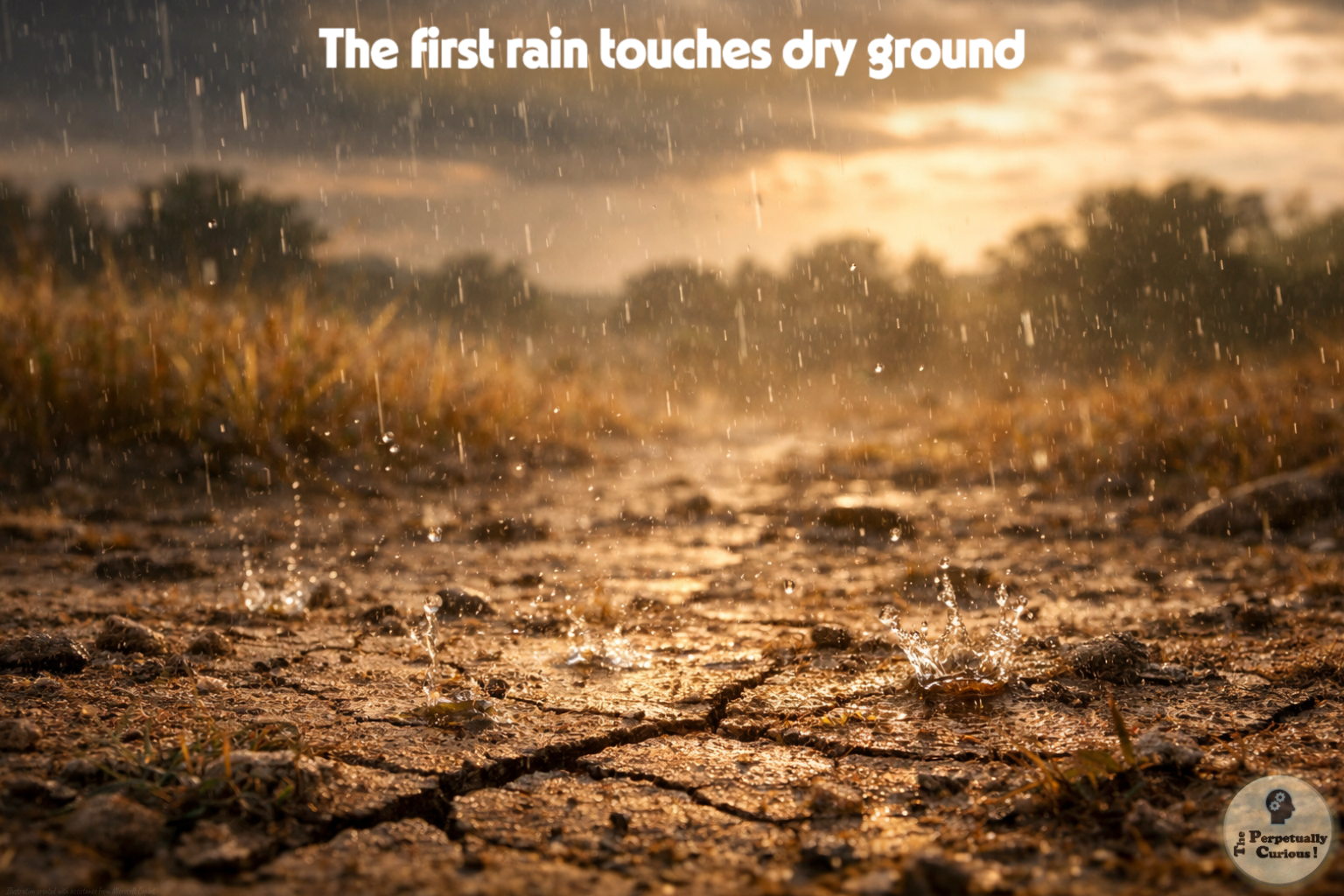
🌧️ Petrichor: How First Rain Lifts Earth’s Hidden Scent
From section: When raindrops become tiny scent liftersAs those pockets rise through the droplet and burst, they can release fine aerosol particles into the air.
- The Perpetually Curious! › Archives › Planet EarthArticle
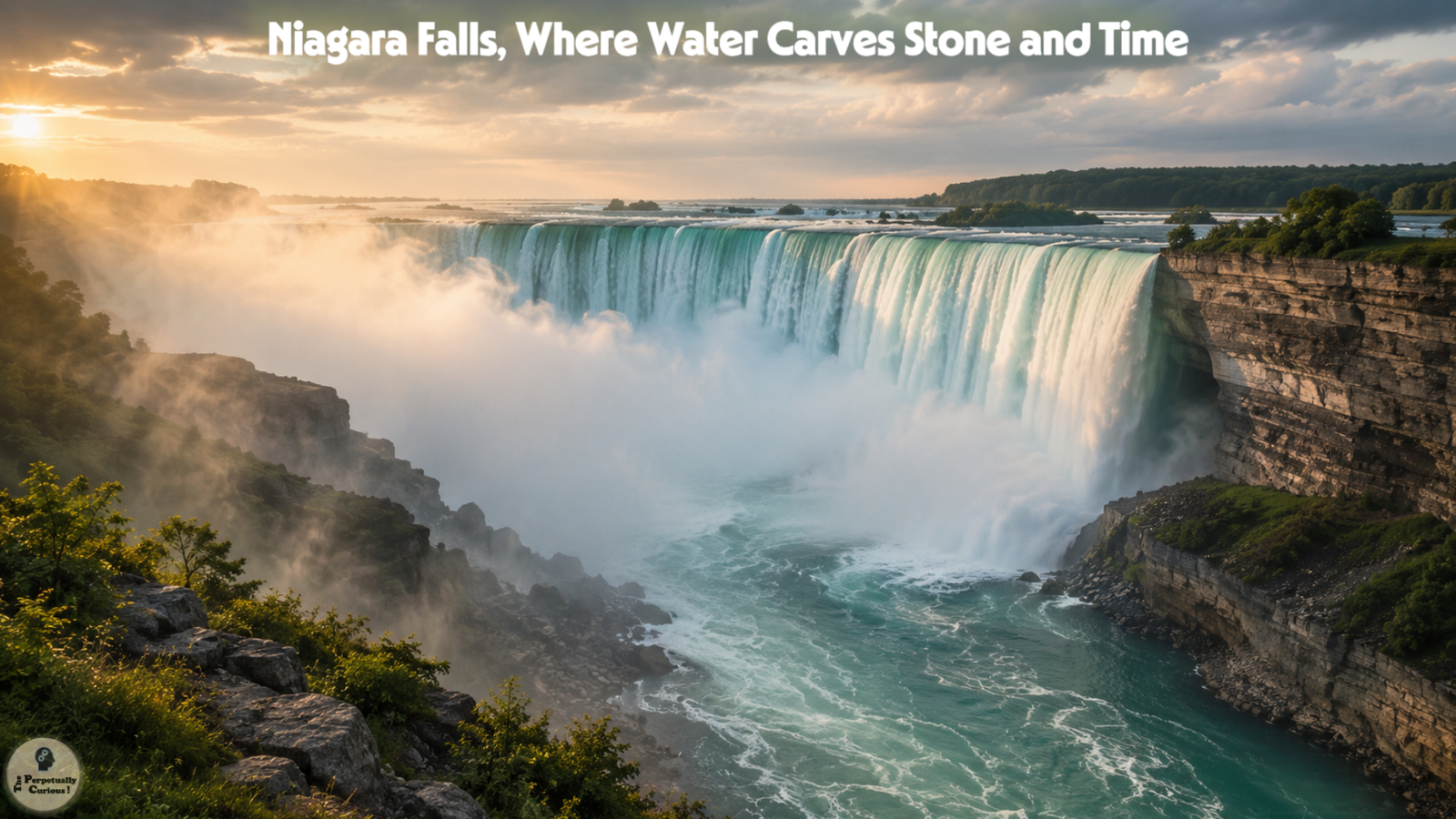
🌊 Niagara Falls Facts: How Water Turns Stone Into Time
When Niagara Falls first appears through its mist, it can feel like a single spectacular drop. But the falls are better understood as a place where a much larger water system briefly becomes visible. The water is not arriving from nowhere.
- The Perpetually Curious! › Archives › Planet EarthArticle
🌊 Harbor Wave, Ocean Pulse: The Science of Tsunamis from Seafloor to Shore
Some ocean hazards announce themselves with wind, foam, and a rising sky. A tsunami often does not. Far from shore, it may pass as a long, subtle lift, more like a slow breath than a breaking wave. Even the word “wave” can mislead, because a tsunami is not simply the surface…
- The Perpetually Curious! › Archives › Planet EarthArticle
🌊 Underwater Sound: How Echoes Measure Distance
From the surface, the sea can look like a broad sheet of blue, but its hidden spaces are easier to sense with sound than with sight. Underwater sound moves as pressure waves, crossing water far more effectively than ordinary vision can cross depth.
- The Perpetually Curious! › Archives › Planet EarthArticle
When Nature's Fury Spirals: Understanding the Science Behind Nor'easters 🌊
Few weather phenomena capture the raw power of nature quite like a nor'easter bearing down on the Eastern Seaboard. These massive storm systems, born from the collision of opposing air masses over the Atlantic, represent some of the most complex and fascinating atmospheric dynamics on Earth.
- The Perpetually Curious! › Archives › Planet EarthArticle
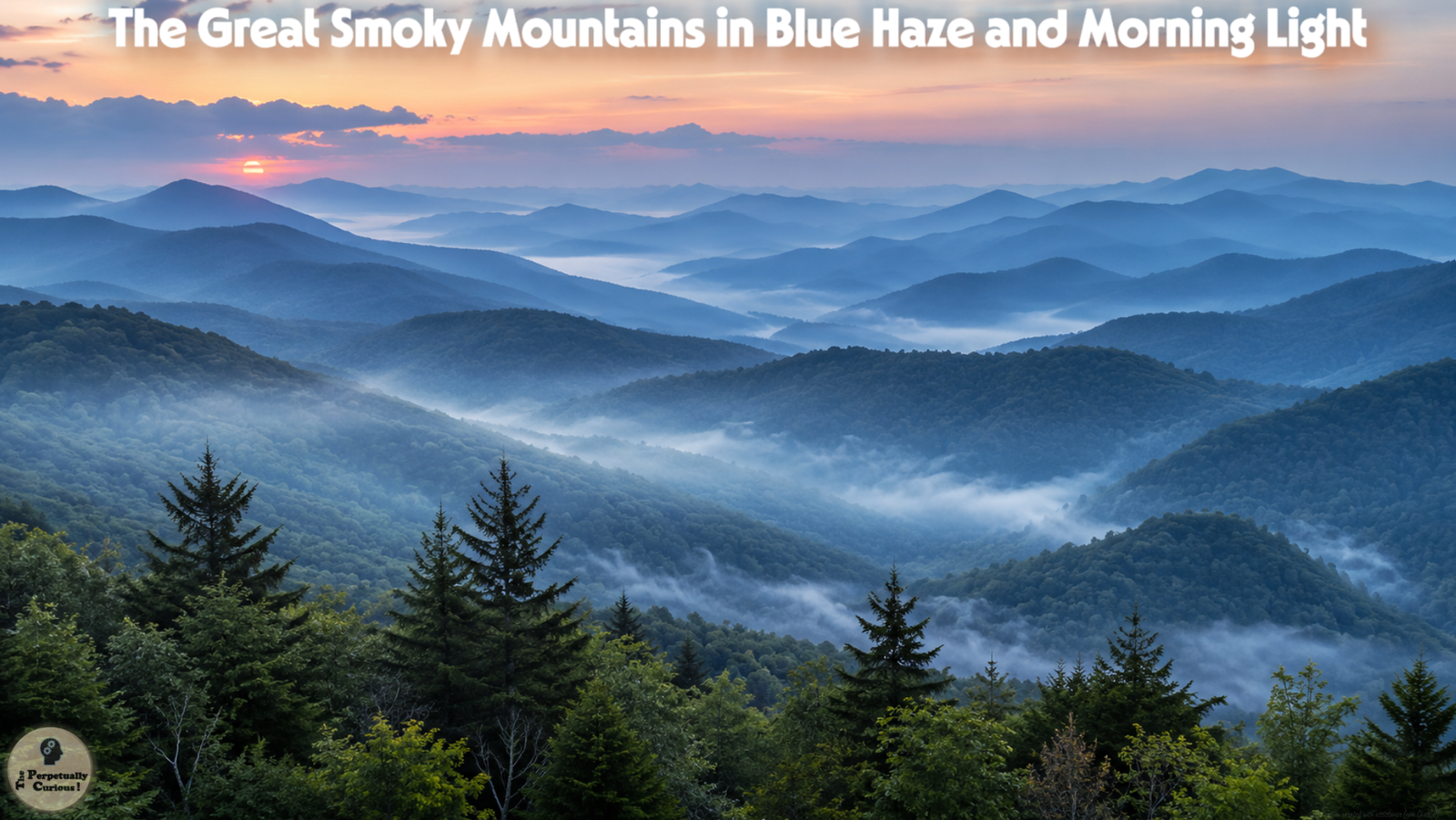
🌫️ Why the Great Smoky Mountains Fade into Blue Haze
At dawn, the Great Smoky Mountains can appear less like a wall of peaks than a sequence of blue shadows. Ridge after ridge fades into the distance, while the valleys seem to hold smoke even when no fire is burning.
- The Perpetually Curious! › Archives › Planet EarthArticle
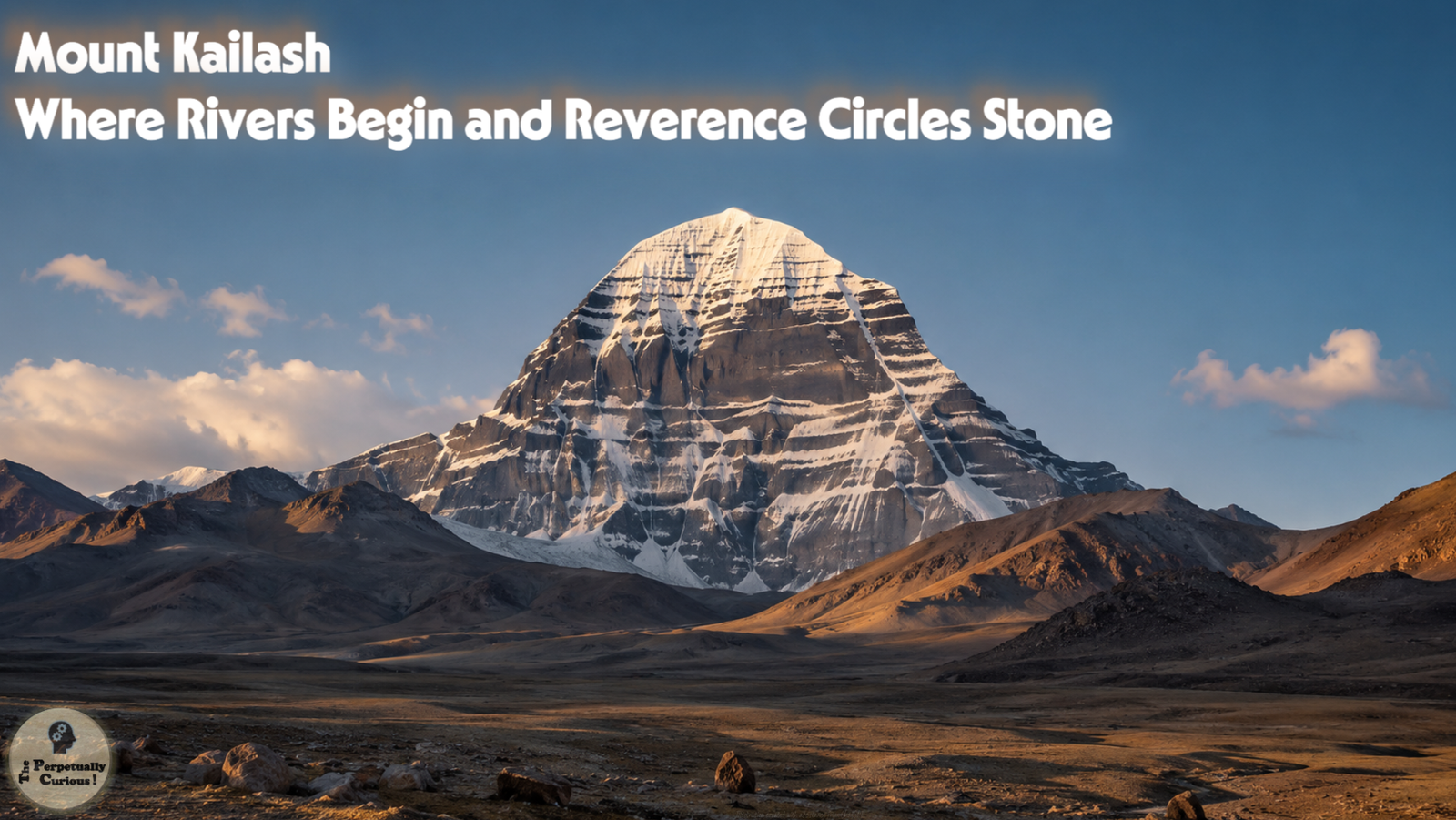
🏔️ Mount Kailash: Why a Sacred Summit Is Circled, Not Climbed
Mount Kailash is often described through reverence, but its power begins with geography. On the western Tibetan Plateau, the mountain rises as a sharply recognizable summit of snow, dark rock, and open sky. It is high, about 21,778 feet (6,638 meters), yet its significance does…