Explore by topic, question, or idea. Find articles, reflections, videos, puzzles, and curiosity pathways gathered across the site.
Press Enter or select Search. A newly typed query starts globally; filters are applied only through the visible rail.
29 results for “the ten largest moons in our solar system a journey through worlds of ice fire and hidden oceans”
- The Perpetually Curious! › Canonical › Planet EarthArticle
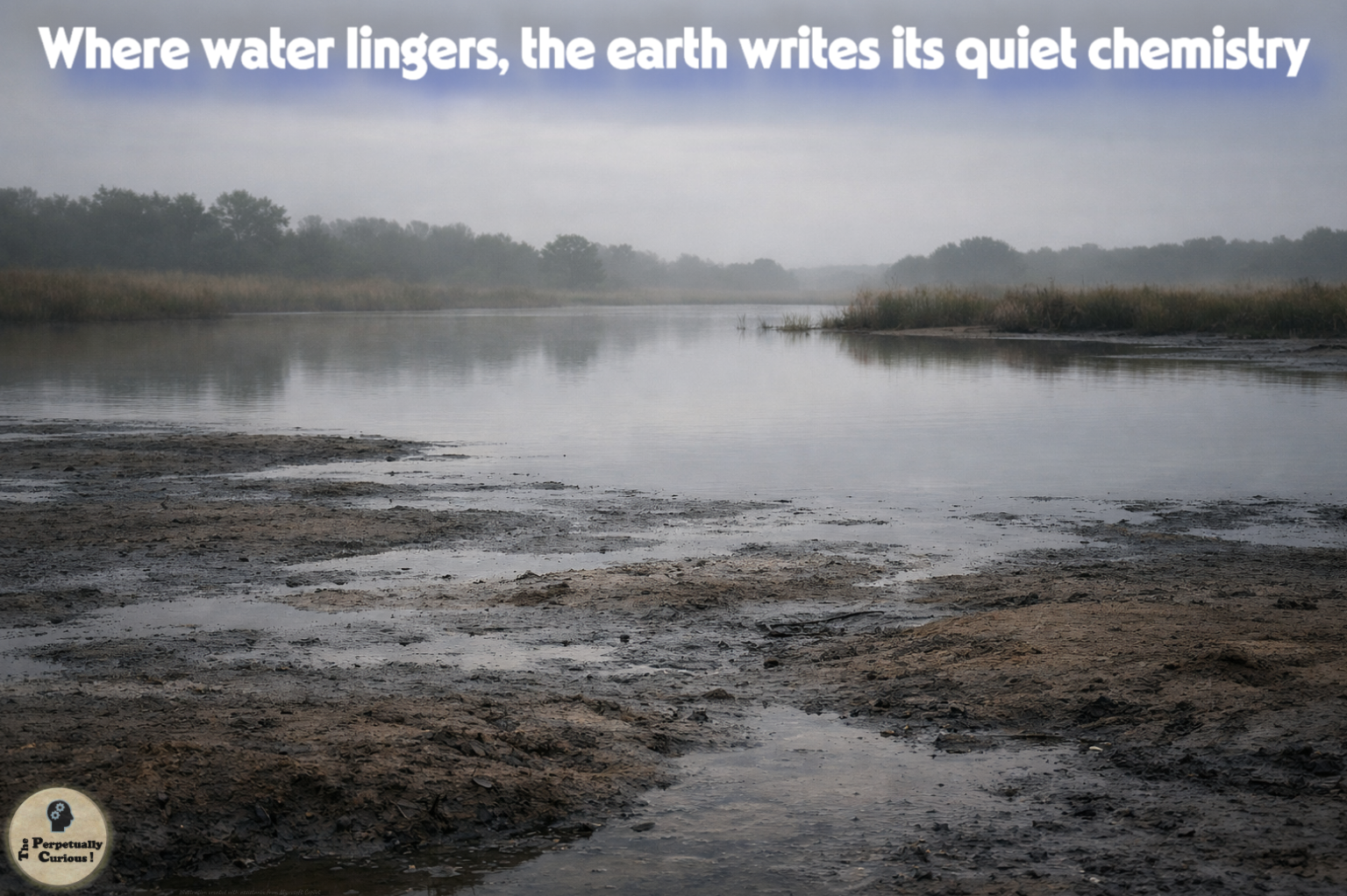
🌍 Why Mud Is Brown or Black: Where Earth Turns to Quiet Ink
The earth settles into its darker tones where water lingers and light moves slowly through the quiet layers below. In these shaded places, iron, clay, and time leave their soft record of change. The surface holds the moment, while the depths keep their patient ink.
- The Perpetually Curious! › Archives › Planet EarthArticle
🌊 Harbor Wave, Ocean Pulse: The Science of Tsunamis from Seafloor to Shore
Some ocean hazards announce themselves with wind, foam, and a rising sky. A tsunami often does not. Far from shore, it may pass as a long, subtle lift, more like a slow breath than a breaking wave. Even the word “wave” can mislead, because a tsunami is not simply the surface…
- The Perpetually Curious! › Archives › Planet EarthArticle
🌊 Underwater Sound: How Echoes Measure Distance
From the surface, the sea can look like a broad sheet of blue, but its hidden spaces are easier to sense with sound than with sight. Underwater sound moves as pressure waves, crossing water far more effectively than ordinary vision can cross depth.
- The Perpetually Curious! › Archives › Planet EarthArticle
When Nature's Fury Spirals: Understanding the Science Behind Nor'easters 🌊
Few weather phenomena capture the raw power of nature quite like a nor'easter bearing down on the Eastern Seaboard. These massive storm systems, born from the collision of opposing air masses over the Atlantic, represent some of the most complex and fascinating atmospheric dynamics on Earth.
- The Perpetually Curious! › Archives › Planet EarthArticle
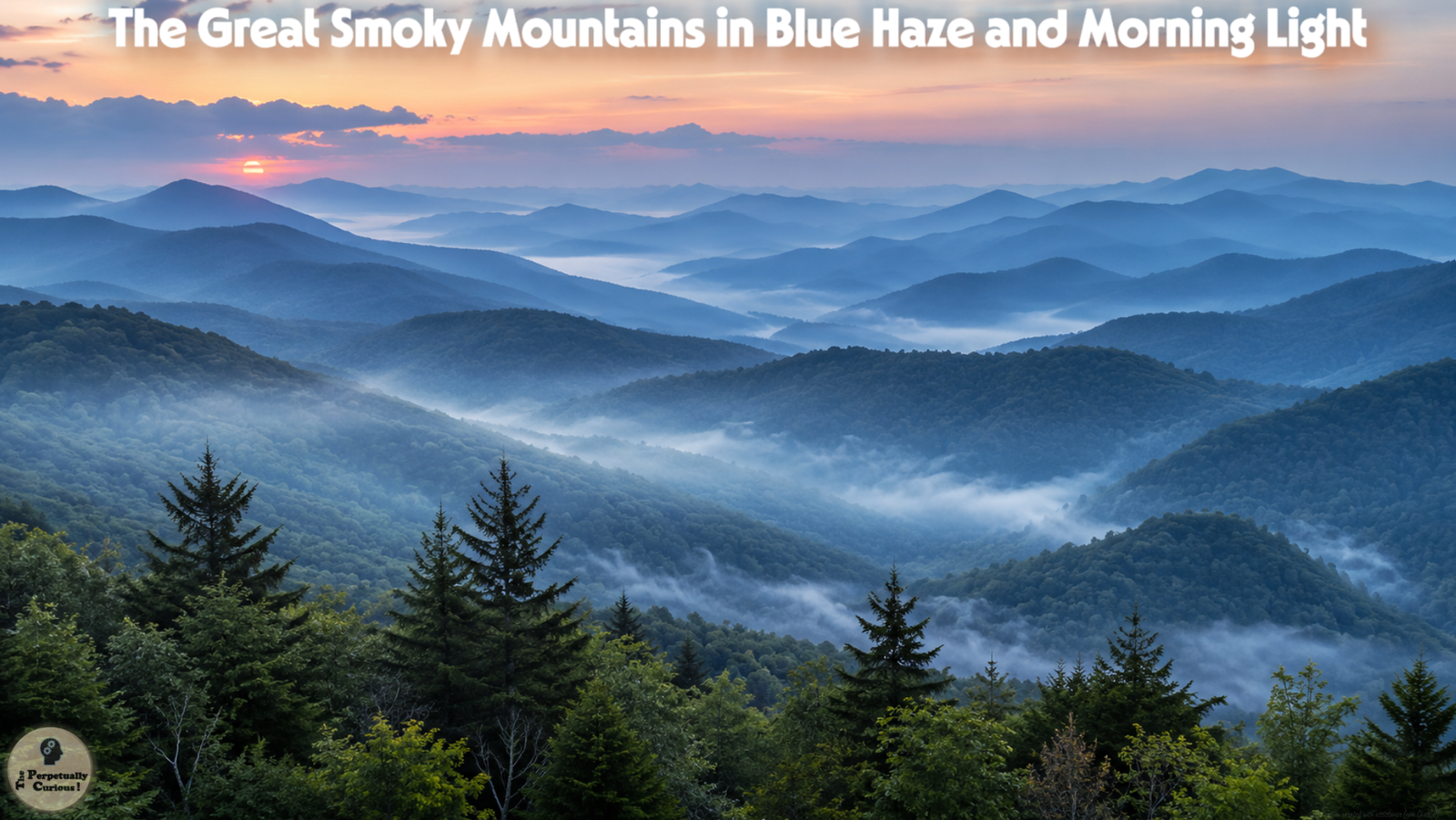
🌫️ Why the Great Smoky Mountains Fade into Blue Haze
At dawn, the Great Smoky Mountains can appear less like a wall of peaks than a sequence of blue shadows. Ridge after ridge fades into the distance, while the valleys seem to hold smoke even when no fire is burning.
- The Perpetually Curious! › Archives › Planet EarthArticle
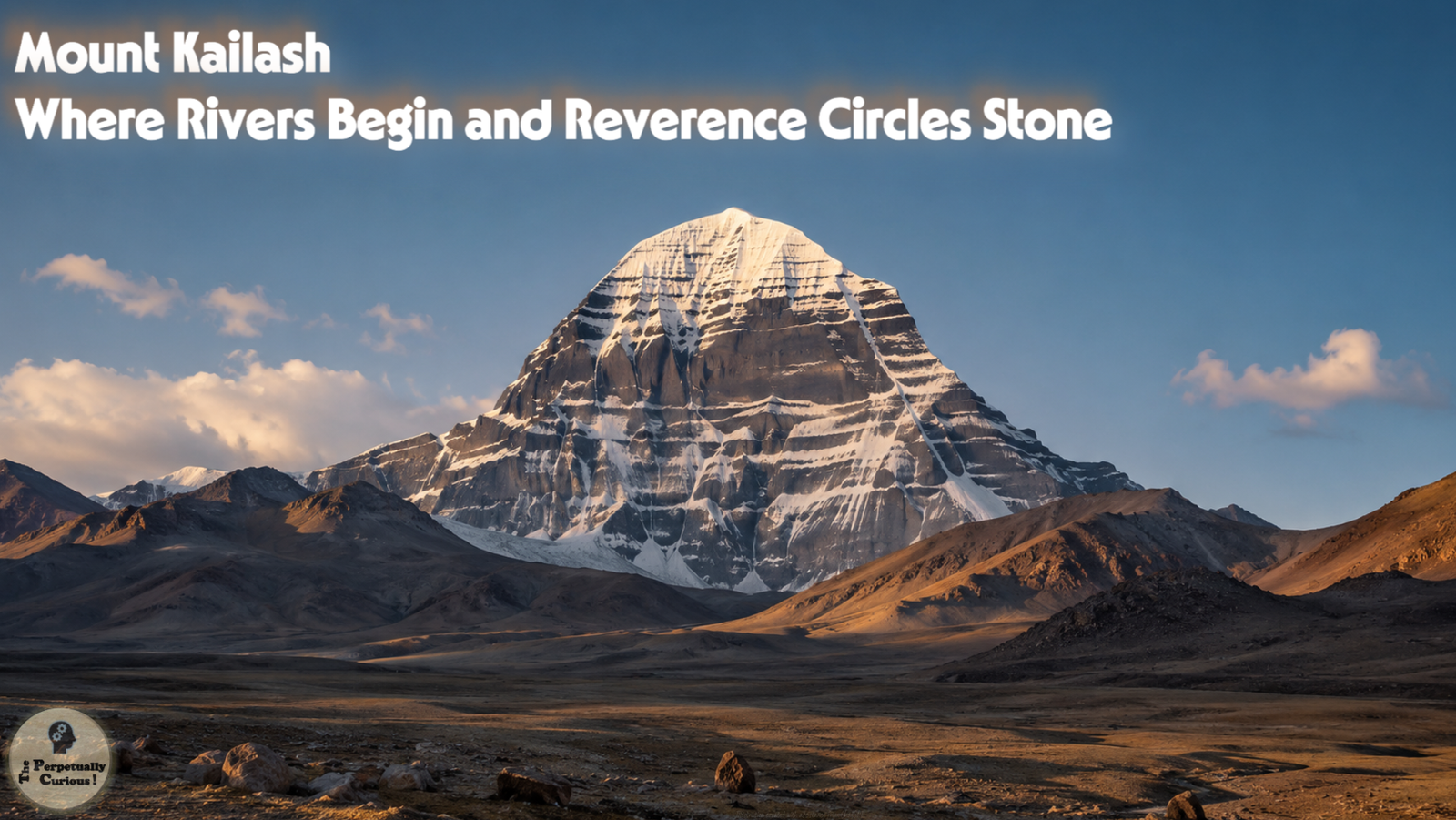
🏔️ Mount Kailash: Why a Sacred Summit Is Circled, Not Climbed
Mount Kailash is often described through reverence, but its power begins with geography. On the western Tibetan Plateau, the mountain rises as a sharply recognizable summit of snow, dark rock, and open sky. It is high, about 21,778 feet (6,638 meters), yet its significance does…
- The Perpetually Curious! › Archives › Planet EarthArticle
🌊 Why Beaches Have Sand
By the time these grains reach the coast, they have already traveled through many environments and have been shaped by long periods of motion.
- The Perpetually Curious! › Archives › Planet EarthArticle
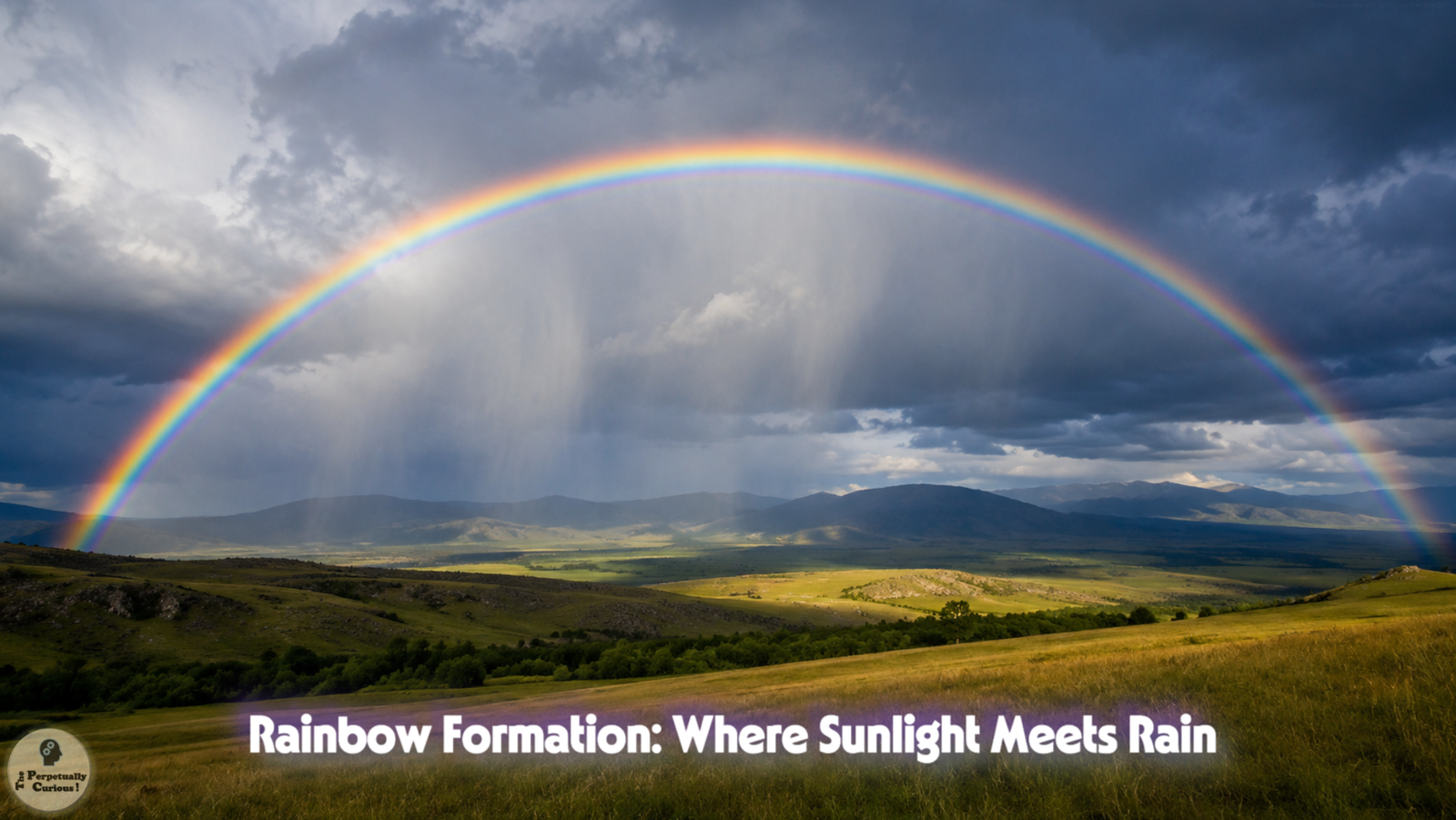
🌈 Rainbow Formation: Why Every Observer Sees a Different Arc
From section: A rainbow begins with a viewpointTheir atmospheric origin is a separate process, traced through how raindrops grow inside clouds.
- The Perpetually Curious! › Archives › Planet EarthArticle
🌍 Why Mud Is Brown or Black: What Wet Soil Reveals
From section: What wet ground does to colorOxygen moves much more slowly through water than through air, and microorganisms can use up the remaining oxygen in saturated soil.