Explore by topic, question, or idea. Find articles, reflections, videos, puzzles, and curiosity pathways gathered across the site.
Press Enter or select Search. A newly typed query starts globally; filters are applied only through the visible rail.
27 results for “through the ages the naming of the months in our calendar”
- The Perpetually Curious! › Archives › Planet EarthArticle
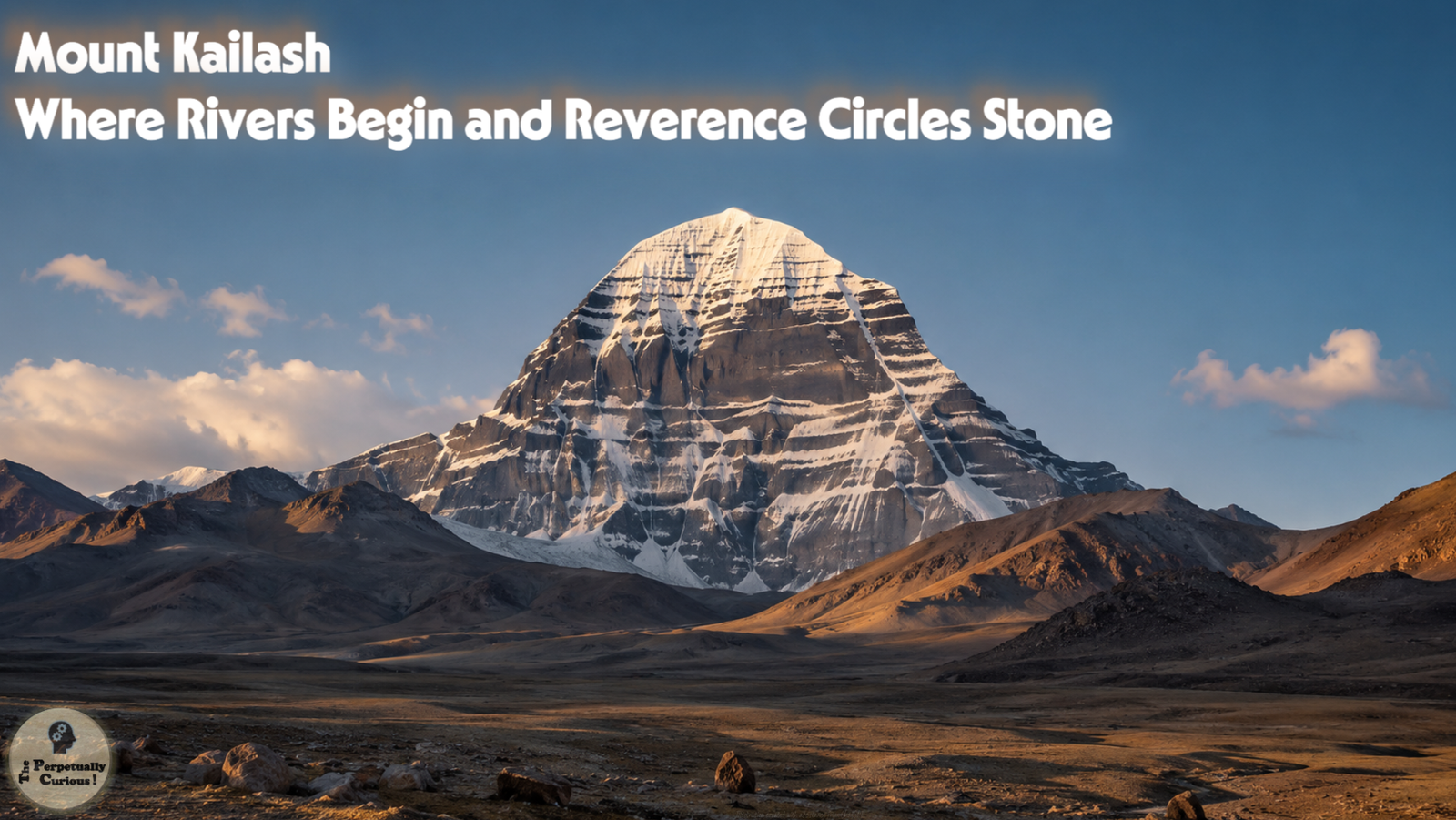
🏔️ Mount Kailash: Why a Sacred Summit Is Circled, Not Climbed
Mount Kailash is often described through reverence, but its power begins with geography. On the western Tibetan Plateau, the mountain rises as a sharply recognizable summit of snow, dark rock, and open sky. It is high, about 21,778 feet (6,638 meters), yet its significance does…
- The Perpetually Curious! › Archives › Planet EarthArticle
❄️ Antarctica: Southernmost Continent’s Frozen Symphony of Silence and Light
From section: ❓ FAQWhy do polar bears live only in the Arctic and penguins only in Antarctica? These species evolved in isolation on opposite poles through hemispheric evolution over millions of years. The 11,000-mile (18,000-kilometer) tropical barrier prevents natural migration between poles. …
- The Perpetually Curious! › Archives › Planet EarthArticle
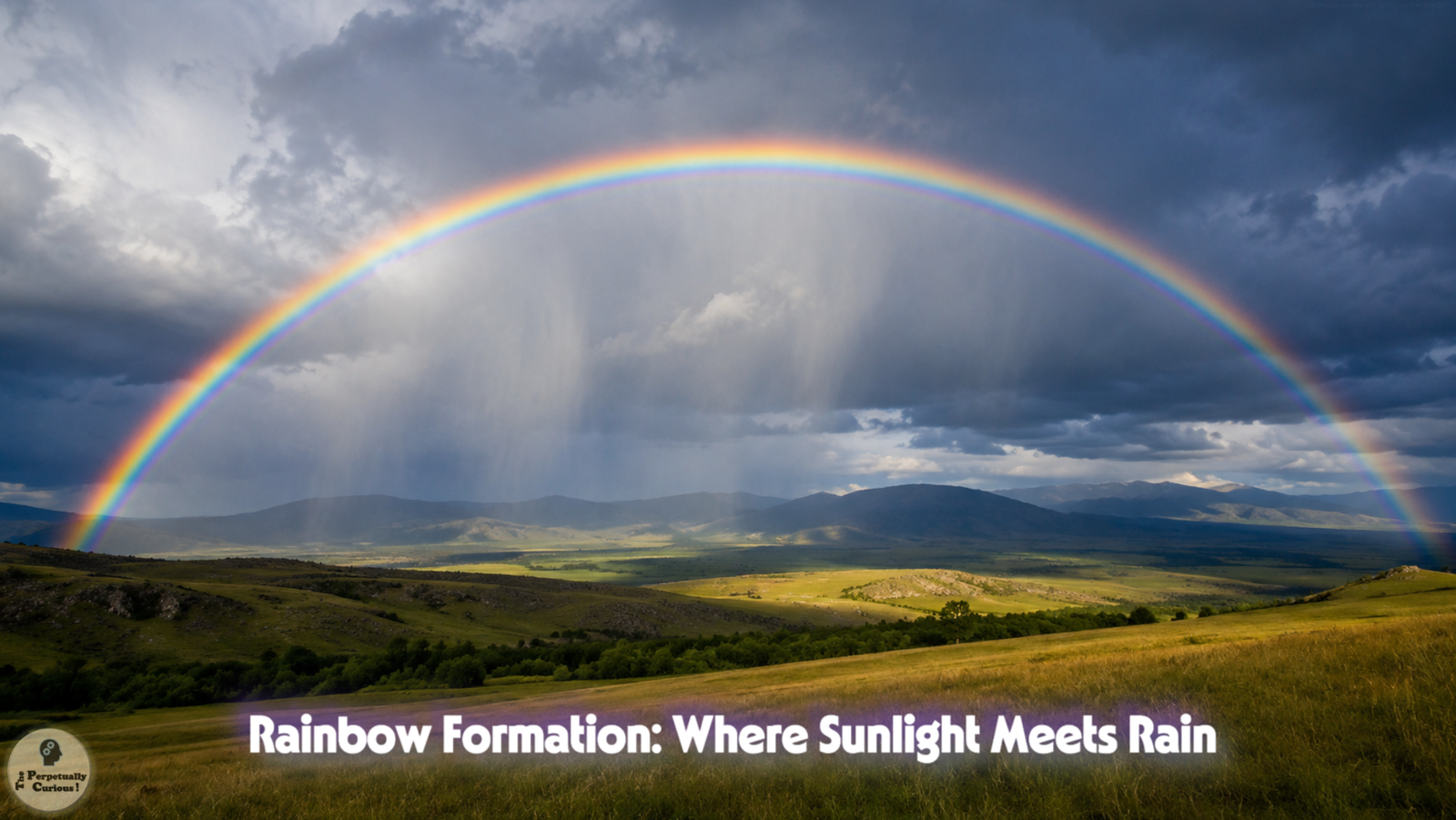
🌈 Rainbow Formation: Why Every Observer Sees a Different Arc
From section: A rainbow begins with a viewpointTheir atmospheric origin is a separate process, traced through how raindrops grow inside clouds.
- The Perpetually Curious! › Archives › Planet EarthArticle
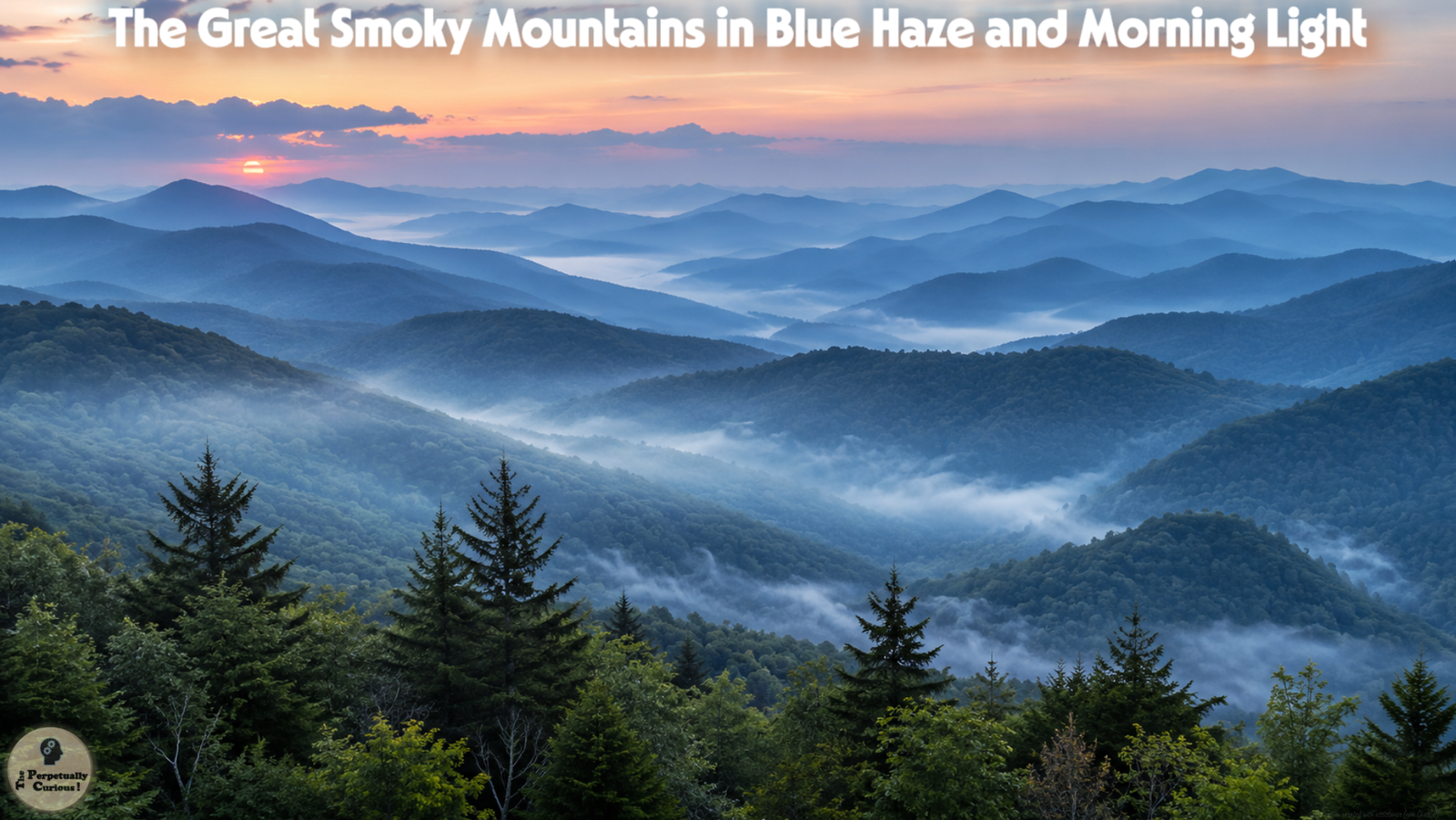
🌫️ Why the Great Smoky Mountains Fade into Blue Haze
From section: The forest helps make the hazeAbove broad forested slopes, these particles become part of the atmosphere through which distant ridges are seen.
- The Perpetually Curious! › Archives › Planet EarthArticle
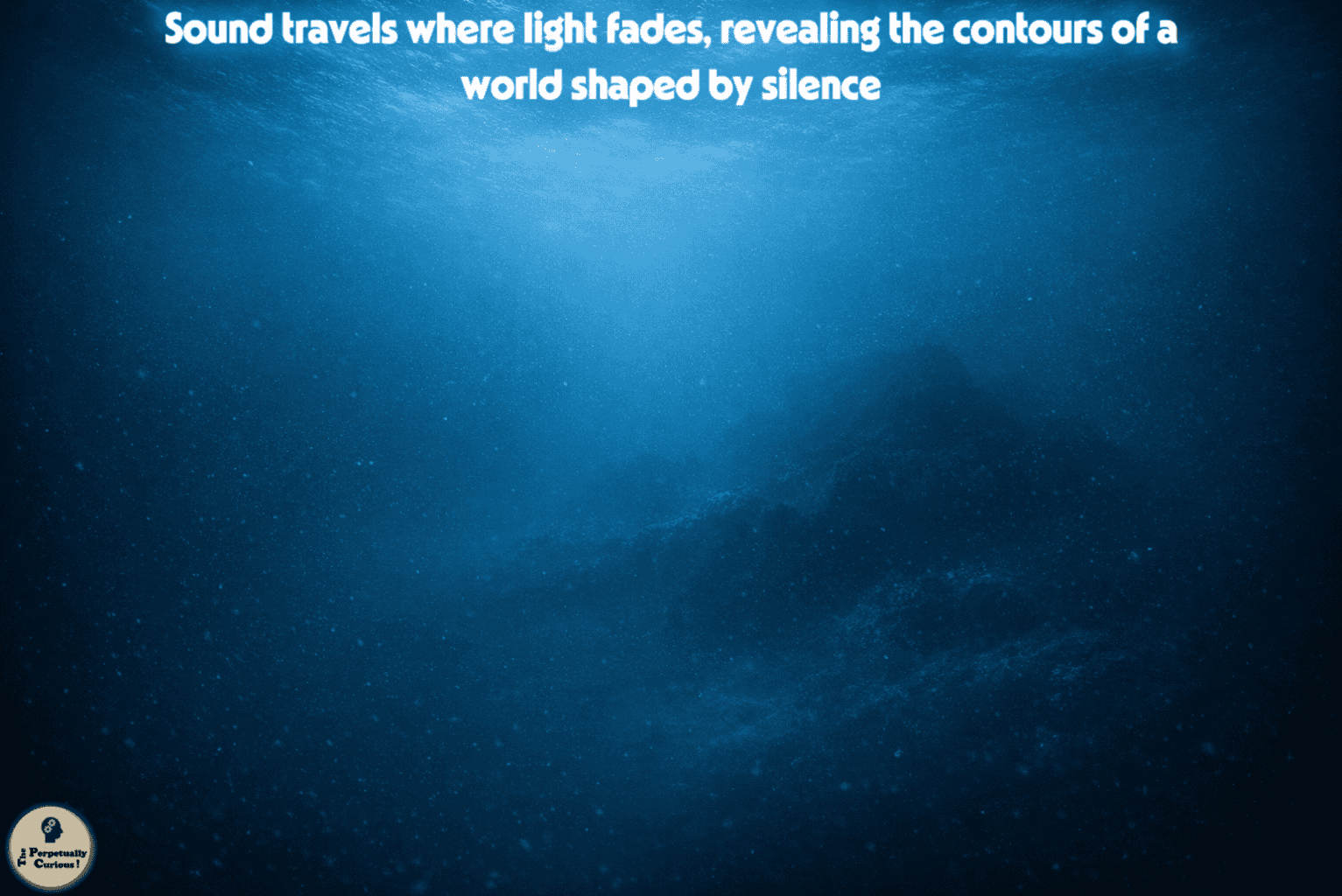
🌊 Underwater Sound: How Echoes Measure Distance
The complete article on the main site follows the wider acoustic world through SOFAR channel behavior, active and passive systems, seafloor mapping visuals, marine-life listening, historical development, FAQ, and Did You Know notes.
- The Perpetually Curious! › Archives › Planet EarthArticle
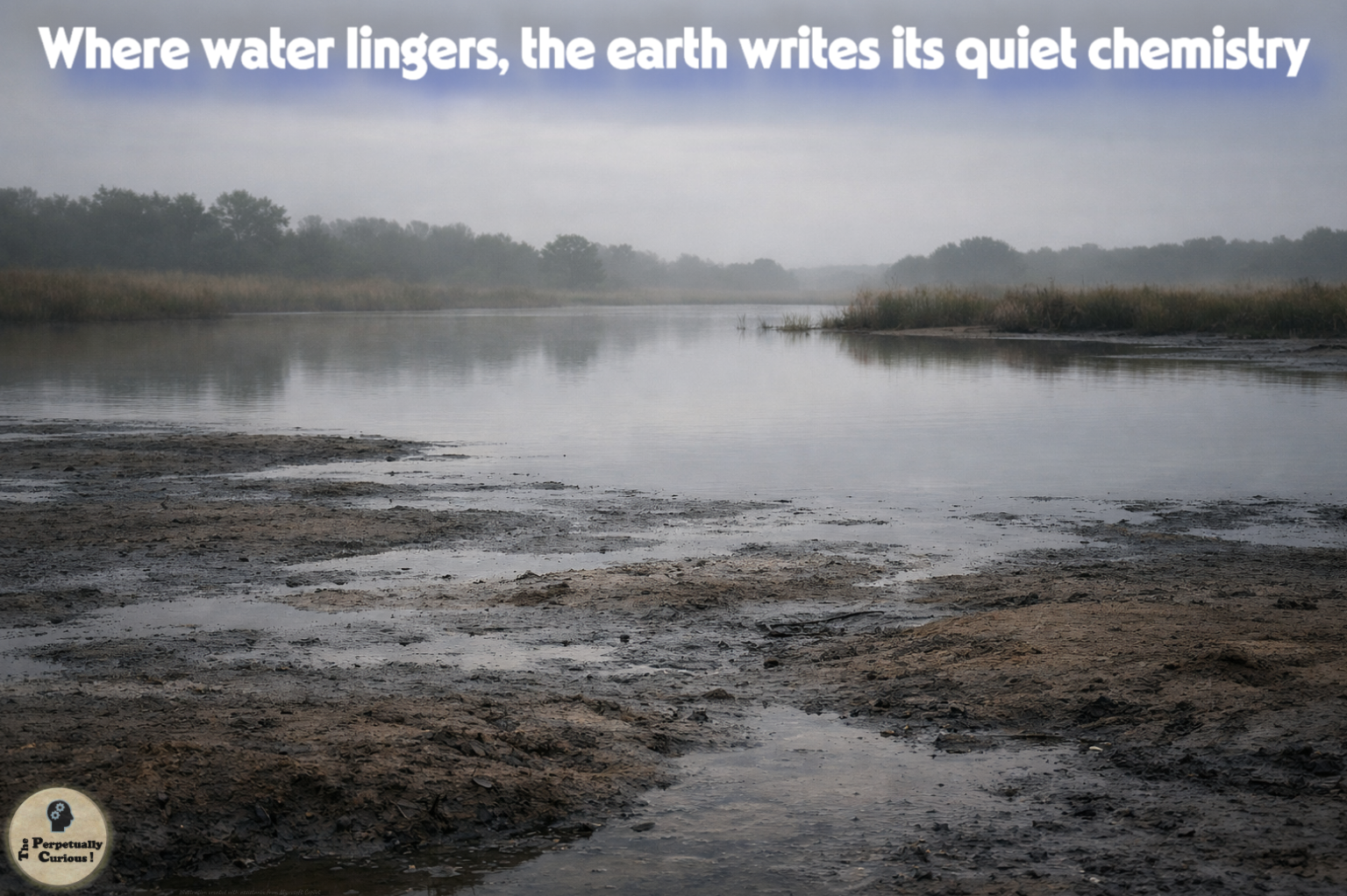
🌍 Why Mud Is Brown or Black: What Wet Soil Reveals
From section: What wet ground does to colorOxygen moves much more slowly through water than through air, and microorganisms can use up the remaining oxygen in saturated soil.
- The Perpetually Curious! › Archives › Planet EarthArticle
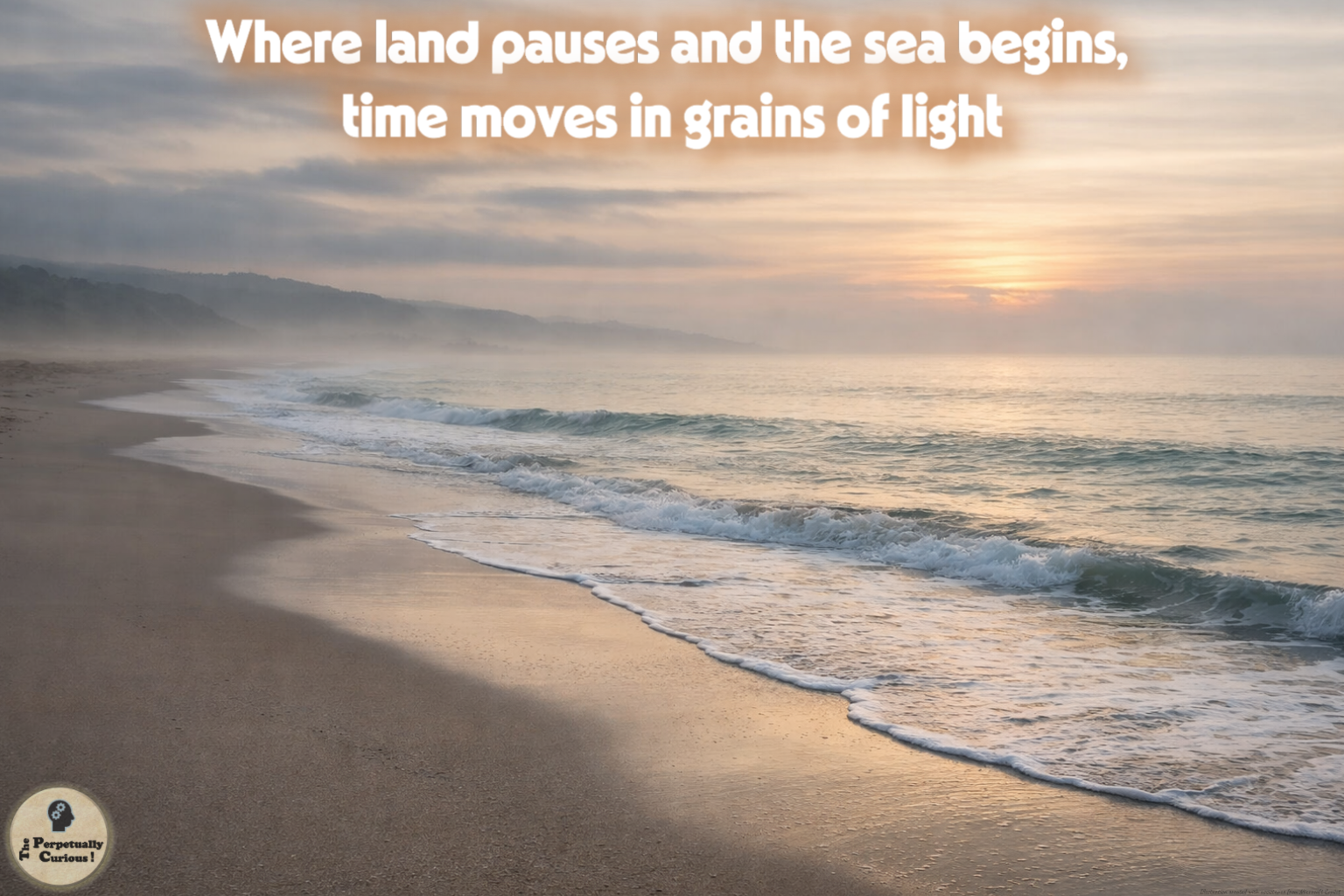
🌊 Why Beaches Have Sand
By the time these grains reach the coast, they have already traveled through many environments and have been shaped by long periods of motion.