Explore by topic, question, or idea. Find articles, reflections, videos, puzzles, and curiosity pathways gathered across the site.
Press Enter or select Search. A newly typed query starts globally; filters are applied only through the visible rail.
199 results for “through the ages the naming of the months in our calendar history art culture podcast tpc8”
- The Perpetually Curious! › Archives › History, Arts, and CultureArticle
The Algorithm of Ancient Wisdom: How Tamil Poetry Became Humanity's Most Elegant Ethical Code 📜
Thiruvalluvar, whose name is often understood as combining "Thiru" (sacred) with "Valluvar" (a traditional title), compressed an entire moral philosophy into 1,330 couplets so precisely structured that they survived over fifteen centuries through oral recitation, manuscript copying, print reproduction, and now digital…
- The Perpetually Curious! › Archives › Botanical WondersArticle
🌳 The Art and Science of Bonsai: Crafting Living Harmony in Miniature Trees
🌱 Bonsai is far more than horticulture It is living art, science, and a journey that blends ancient wisdom with creativity. This guide explores everything from species selection and soil science to philosophy, advanced techniques, and the vibrant community that keeps the…
- The Perpetually Curious! › Archives › History, Arts, and CultureArticle
🌿 Why Henna Stains Fingertips More Deeply Than Other Skin
From section: The stain does not simply sit on the skinHenna therefore belongs to the wider history of natural dyes, but its behavior on the body depends on the particular material it meets.
- The Perpetually Curious! › Archives › Botanical WondersArticle
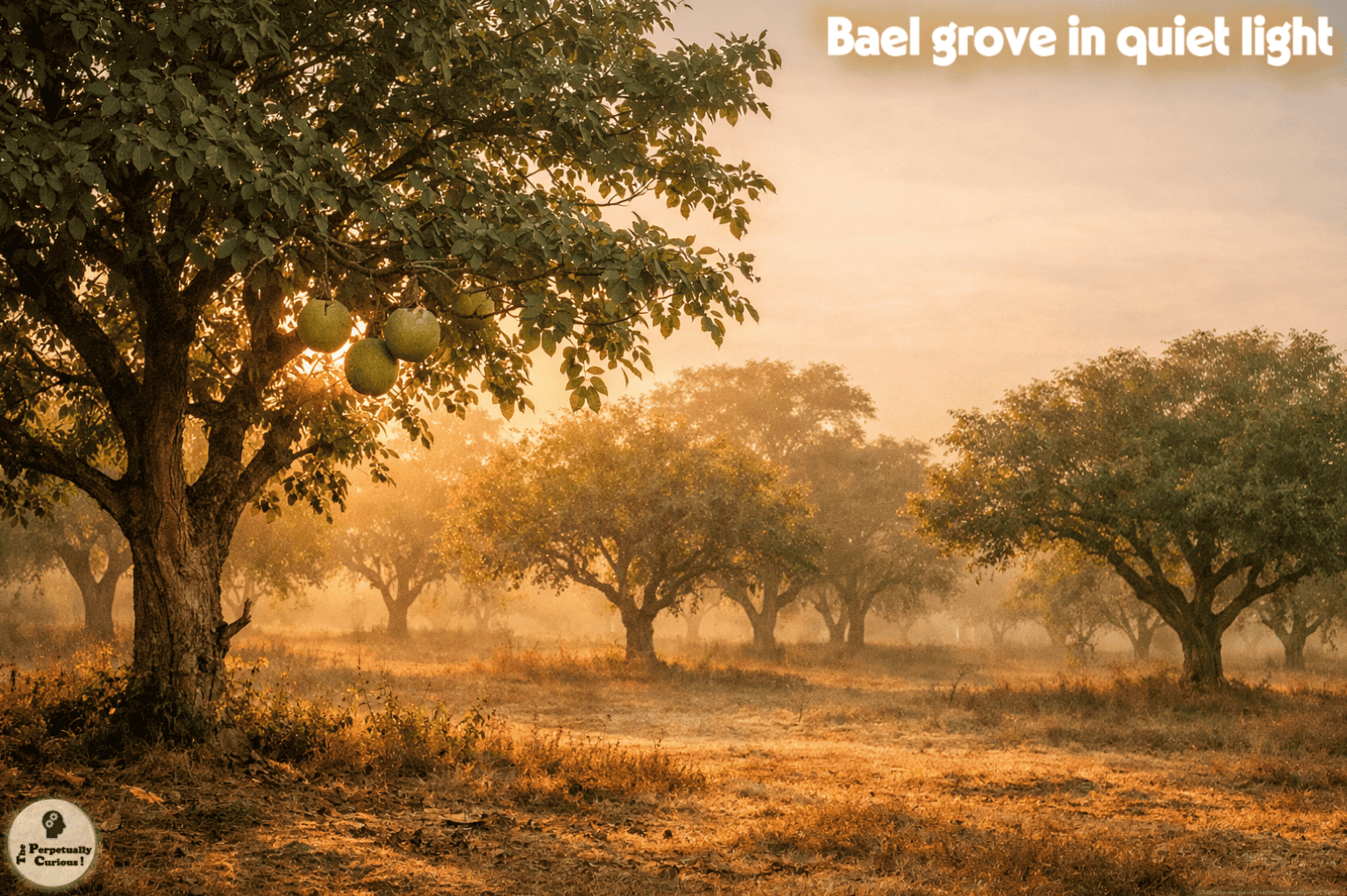
🍃 Bael Tree: Quiet Resilience in Leaf and Fruit
From section: A fruit built for patienceIn many regions, the pulp is prepared as a drink during warm months, where its fragrance and texture become part of seasonal life.
- The Perpetually Curious! › Archives › Botanical WondersArticle
The Banyan Tree: Nature's Living Cathedral 🌳
Opening: Where One Becomes Many In the botanical world, few organisms challenge our understanding of individuality quite like the banyan tree. Ficus benghalensis, as scientists know it, can begin life as an epiphyte germinating in the branches of another tree, though it can also…
- The Perpetually Curious! › Archives › Botanical WondersArticle
🌳 The Baobab Tree: Nature’s Enduring “Tree of Life”
Scattered across the sweeping landscapes of Africa, Madagascar, and Australia stands one of nature’s most iconic and resilient wonders, the baobab. Admired for its surreal silhouette with branches reaching skyward like roots, the baobab is more than striking.
- The Perpetually Curious! › Archives › Cosmic ExplorationArticle
🌔 Lunar Eclipses: Earth’s Shadow on the Moon
🌕➡️🔴 The Allure of a Lunar Eclipse: Earth’s Shadow Play in the Night Sky Among the many wonders of the night sky, few spectacles are as enchanting as a lunar eclipse. On these special nights, our familiar Moon is transformed, slipping into Earth’s shadow.
- The Perpetually Curious! › Archives › Cosmic ExplorationArticle
☀️ Solar Eclipses Explained: The Dance of Shadow and Light
Solar eclipses are among the most captivating events in the sky. They reveal how a rare alignment of Sun, Moon, and Earth can transform the ordinary daylight landscape into something unfamiliar and striking. Daylight softens, shadows sharpen, and the familiar world takes on a new character.
- The Perpetually Curious! › Archives › Botanical WondersArticle
The Riverbank Architect: Discovering the Remarkable Arjuna Tree 🌊
Stand beneath an ancient Arjuna tree during monsoon season and you'll understand why riverside communities have revered these giants for millennia. Water droplets cascade from leaves that shimmer like green glass, while the smooth bark releases a subtle earthy fragrance after rain.
- The Perpetually Curious! › Archives › Cosmic ExplorationArticle
🌌 Planetary Names Explained: From Ancient Gods to Modern Science
💡 Have you ever wondered why the planets in our solar system bear such distinctive names? From swift Mercury to majestic Jupiter, these names reflect ancient traditions that connect cultural understanding with the science of the skies. Read more »