Explore by topic, question, or idea. Find articles, reflections, videos, puzzles, and curiosity pathways gathered across the site.
Press Enter or select Search. A newly typed query starts globally; filters are applied only through the visible rail.
19 results for “trees that drink the sky how certain species shape water and land in south india”
- The Perpetually Curious! › Archives › Wilderness & Homestead CreaturesArticle
🐧 Penguin Diversity: Exploring Species, Adaptations, and Habitats
Prelude: Beyond the Ice When most people picture penguins, they imagine black and white birds waddling across Antarctic ice. But the truth is far richer. Penguins are classified into about eighteen species across six genera: great, brush tailed, crested, banded, little, and yellow eyed.
- The Perpetually Curious! › Archives › Wilderness & Homestead CreaturesArticle
🐻 Eight faces of the bear: A journey through the Ursidae family
From section: 🌍 IntroductionEight living species are found across North America, South America, Europe, and Asia, each with its own habitats, behaviors, and survival stories.
- The Perpetually Curious! › Archives › Wilderness & Homestead CreaturesArticle
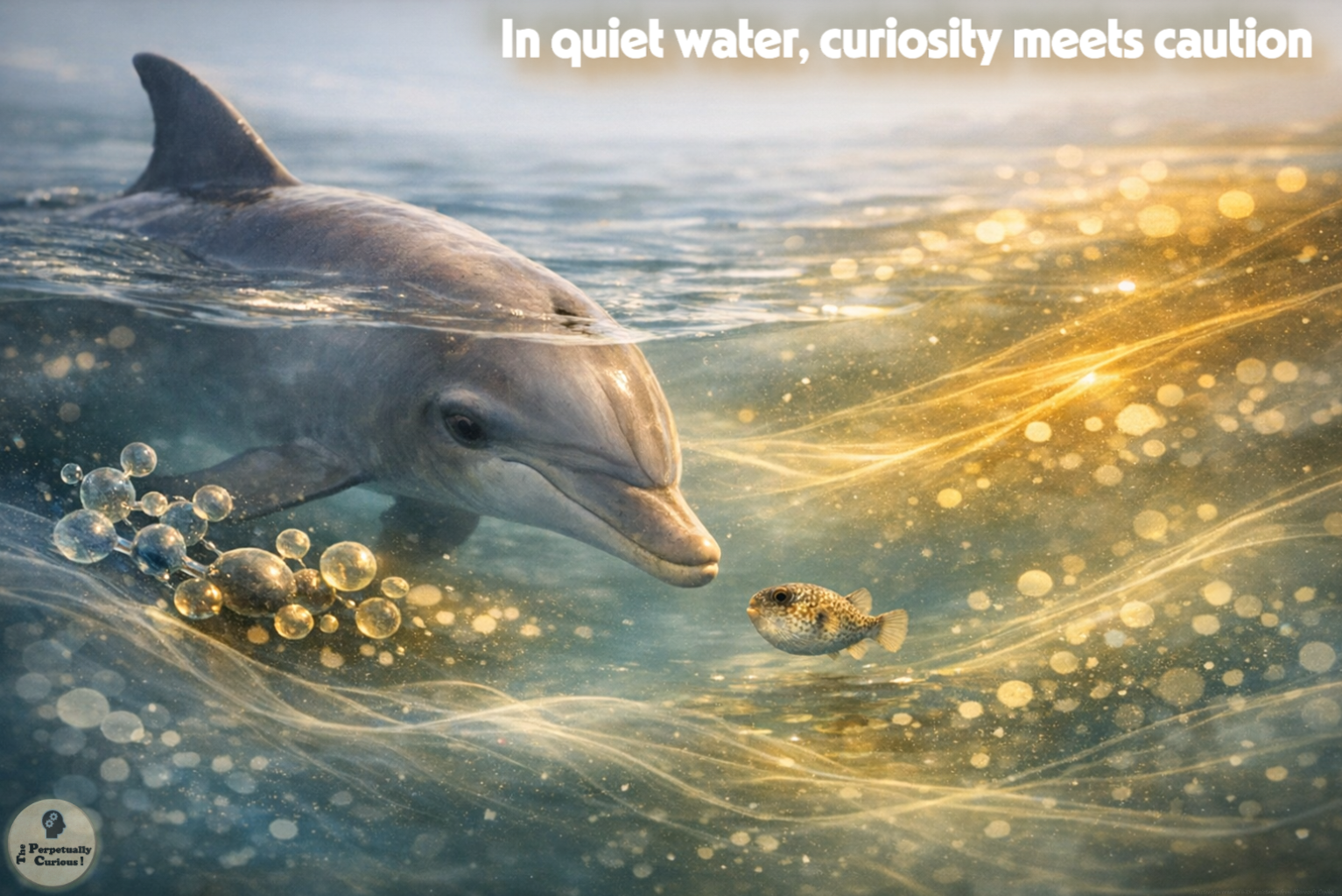
🧪 Animal Chemical Encounters: When Molecules Shape Behavior
In the sea, a chemical encounter can begin before a chase, a bite, or a sound. A molecule released from skin, mucus, food, or water can change what an animal notices, how it moves, and whether it keeps investigating. To human eyes, the moment may look like simple curiosity.
- The Perpetually Curious! › Archives › Wilderness & Homestead CreaturesArticle
🦜 More Than a Tongue: The Surprising Science of Why Animals Cannot Talk
Language is so woven into human life that it is easy to forget how unlikely it is. Across millions of animal species, only one lineage learned to shape breath into words, to give sound the weight of meaning, and to speak.
- The Perpetually Curious! › Archives › Wilderness & Homestead CreaturesArticle
🐙 Eight-Armed Genius: The Science of Octopus Intelligence & Ink
From section: Meeting the Ocean's Most Enigmatic Mind 🌀Having evolved across hundreds of millions of years from shelled ancestors into approximately 300 distinct species, each octopus carries unique adaptations that seem borrowed from science fiction rather than natural selection.
- The Perpetually Curious! › Archives › Wilderness & Homestead CreaturesArticle
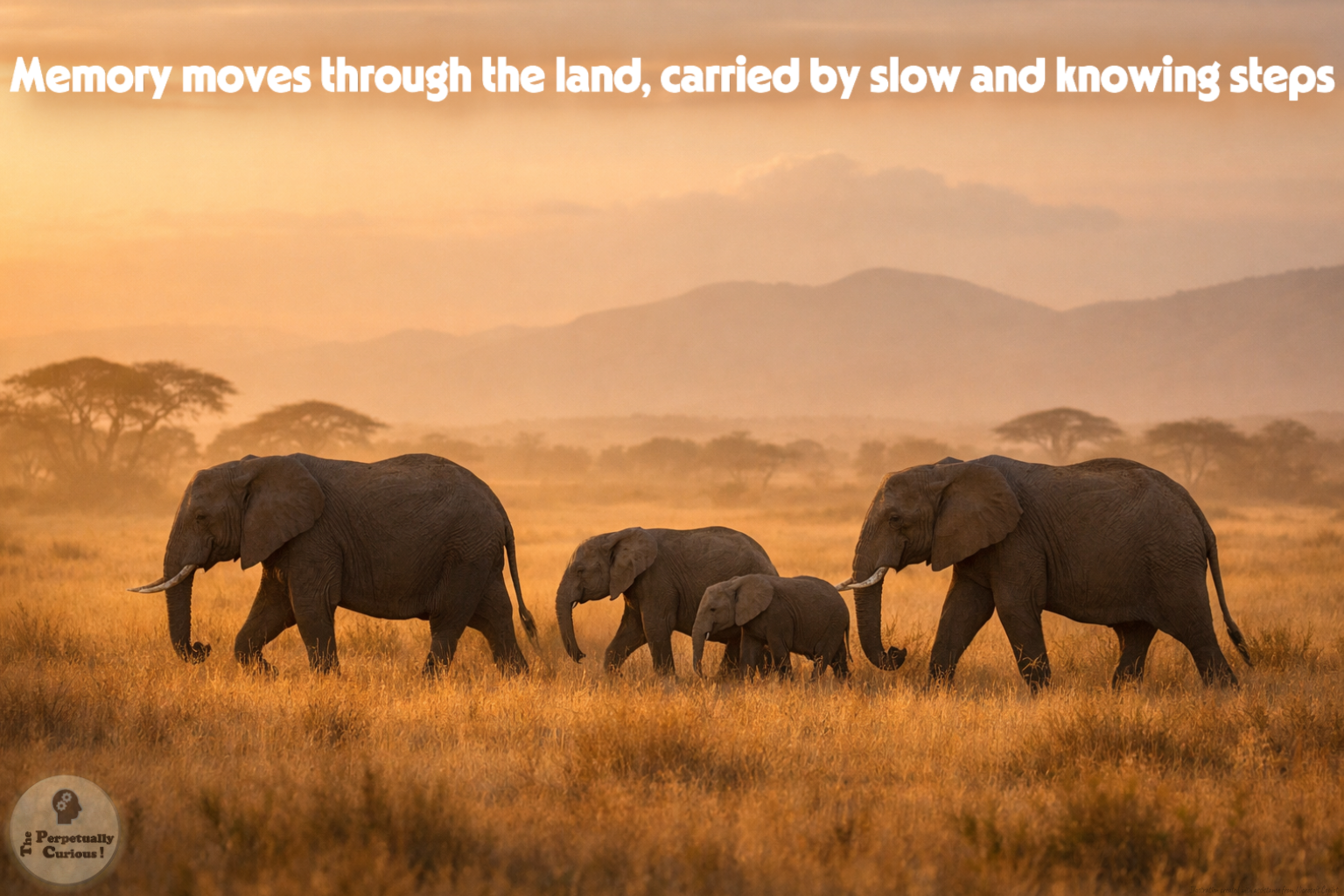
🐘 Elephant Intelligence: How Memory Becomes a Family Inheritance
At the edge of a difficult season, an elephant family may leave familiar ground and follow an older female toward water remembered from years before. No map is carried, and no route is explained aloud.
- The Perpetually Curious! › Archives › Wilderness & Homestead CreaturesArticle
🌍 African Wildlife and Landscapes: A Heritage of Beauty and Balance
These environments form a living record of natural history, where beauty and dynamic ecological functioning emerge from interactions among climate, landforms, water, and the species that inhabit them.
- The Perpetually Curious! › Archives › Wilderness & Homestead CreaturesArticle
Where Rivers Meet the Sea: The World of Bull Shark Habitats 🦈
In July 1916, a series of shark attacks shocked New Jersey, including fatal encounters in Matawan Creek, 16 miles (26 kilometers) from the ocean. While debate continues about the exact species responsible, these incidents introduced the world to a possibility that defied…
- The Perpetually Curious! › Archives › Wilderness & Homestead CreaturesArticle
🐻 Sleeping Giants of Winter: How Bear Hibernation Rewrites the Rules of Survival
❄️ A quiet den beneath the snow Winter settles slowly across northern forests. Snow gathers on branches, streams stiffen under thin ice, and deep beneath roots or rock a bear curls into a darkened den. For months this large mammal generally will not eat, drink, urinate, or defecate.
- The Perpetually Curious! › Archives › Wilderness & Homestead CreaturesArticle
🦍 Circles of Care: Understanding the Family Lives of Great Apes
Opening: Where Intelligence Meets Tenderness 🌿 In the shrinking forests of Africa and Southeast Asia, four remarkable species demonstrate nature's varied approaches to nurturing consciousness.