Explore by topic, question, or idea. Find articles, reflections, videos, puzzles, and curiosity pathways gathered across the site.
Press Enter or select Search. A newly typed query starts globally; filters are applied only through the visible rail.
226 results for “trees that drink the sky how certain species shape water and land in south india”
- The Perpetually Curious! › Canonical › PhysicsArticle
💡 Listening to Matter When It Learns to Glow: How an Incandescent Light Bulb Works
… The incandescent bulb offers more than illumination. It reveals how carefully chosen materials can endure extreme conditions, how temperature can shape color, and how an unseen current can become a visible presence. In that transformation, an everyday object becomes a quiet invitation to look more closely.
- The Perpetually Curious! › CanonicalReflection
Empty Rooms and Ancient Light
Above us, the night sky offers an archive that does not require ink. Light from the nearest star, Proxima Centauri, takes about 4.24 years to reach Earth. …
- The Perpetually Curious! › CanonicalReflection
Light and Shadow: The Art of Seeing
Memory follows a similar pattern. We recall certain moments with crystalline clarity while others fade into soft darkness. The brightest memories are not always the happiest ones. …
- The Perpetually Curious! › CanonicalReflection
The Weight of Silence
… Silence, then, becomes not the removal of sound but the expansion of awareness beyond this envelope into subtler territories. Studies of people in natural quiet, such as forests after snowfall or deserts at dawn, show measurable shifts in stress hormones, blood pressure, and certain aspects of cognition. …
- The Perpetually Curious! › Archives › Planet EarthArticle
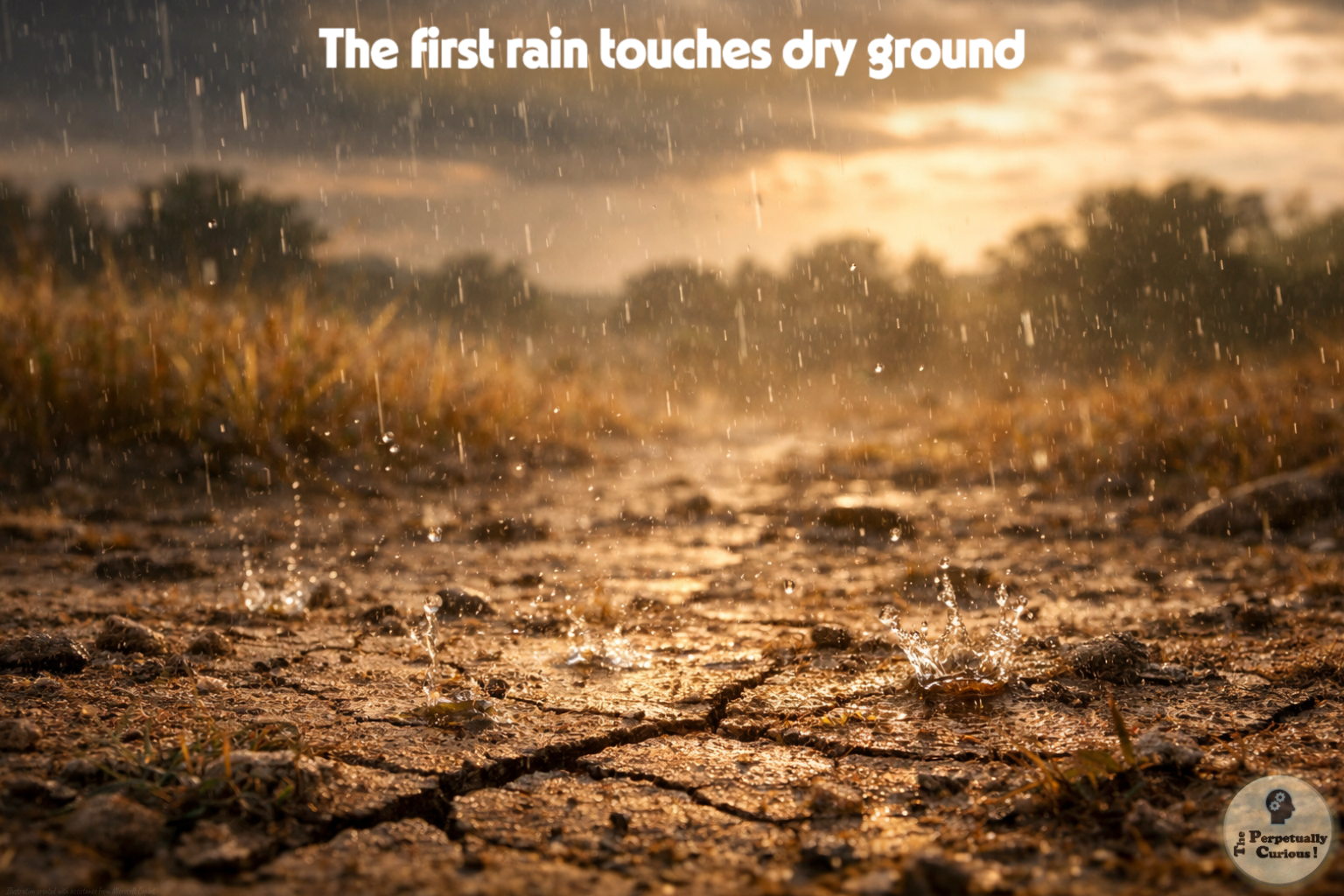
🌧️ Petrichor: How First Rain Lifts Earth’s Hidden Scent
From section: A meeting of water, ground, and memorySmell is closely tied to memory and emotion, so a brief rise of earthy air can recall childhood monsoons, garden paths, summer storms, or the relief of dry land receiving water again.
- The Perpetually Curious! › Archives › Planet EarthArticle
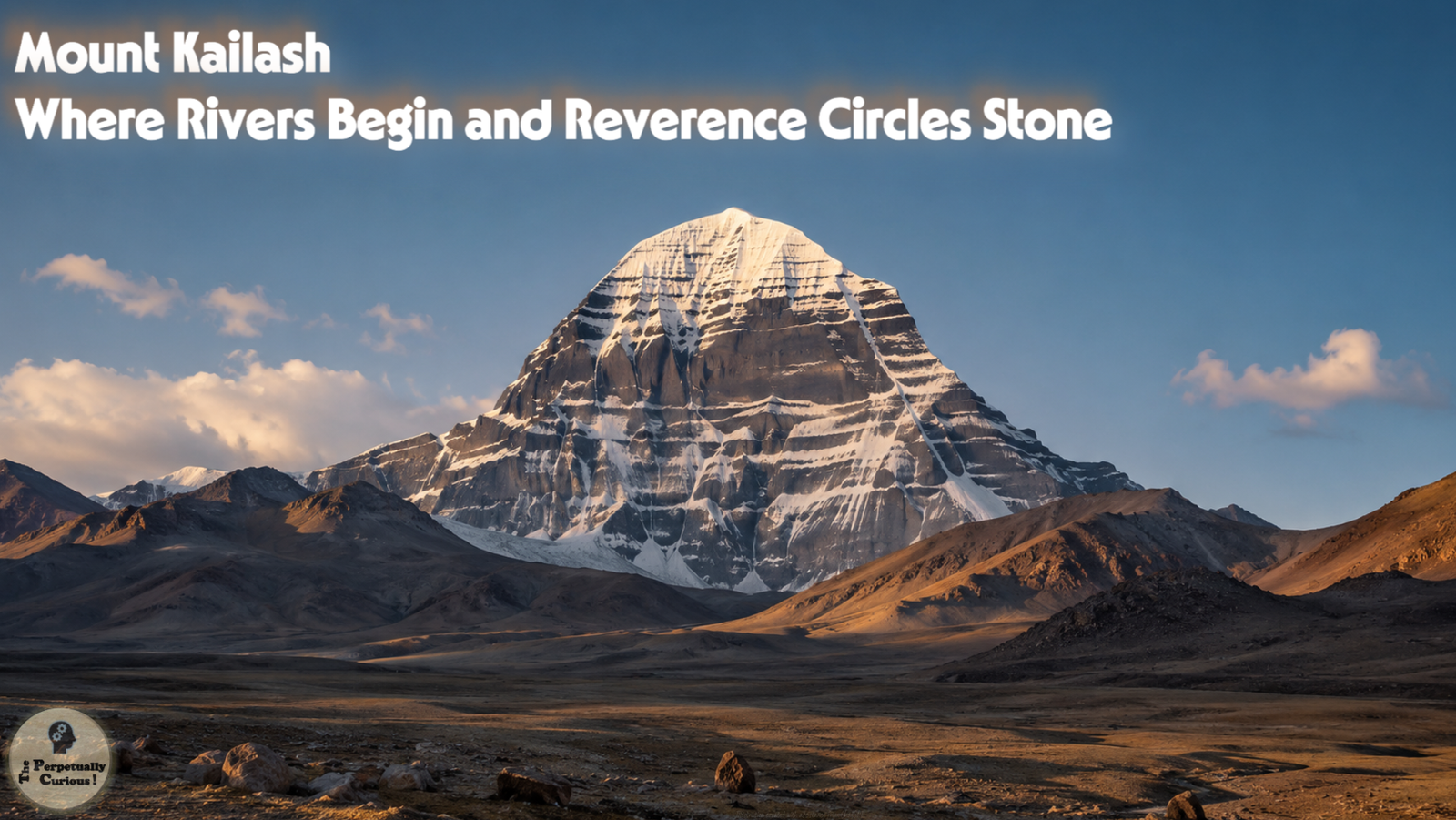
🏔️ Mount Kailash: Why a Sacred Summit Is Circled, Not Climbed
Mount Kailash is often described through reverence, but its power begins with geography. On the western Tibetan Plateau, the mountain rises as a sharply recognizable summit of snow, dark rock, and open sky. It is high, about 21,778 feet (6,638 meters), yet its significance does…
- The Perpetually Curious! › Archives › PhysicsArticle
🌫️ How Radar Listens to the Sky: The Quiet Science Behind the Sweep
A radar dish turning slowly against the horizon often feels like a quiet sentinel, listening for stories carried on invisible waves. Although the technology is rooted in physics and engineering, its practice has a quiet elegance, as radar sends brief pulses of energy into the…
- The Perpetually Curious! › Archives › Planet EarthArticle
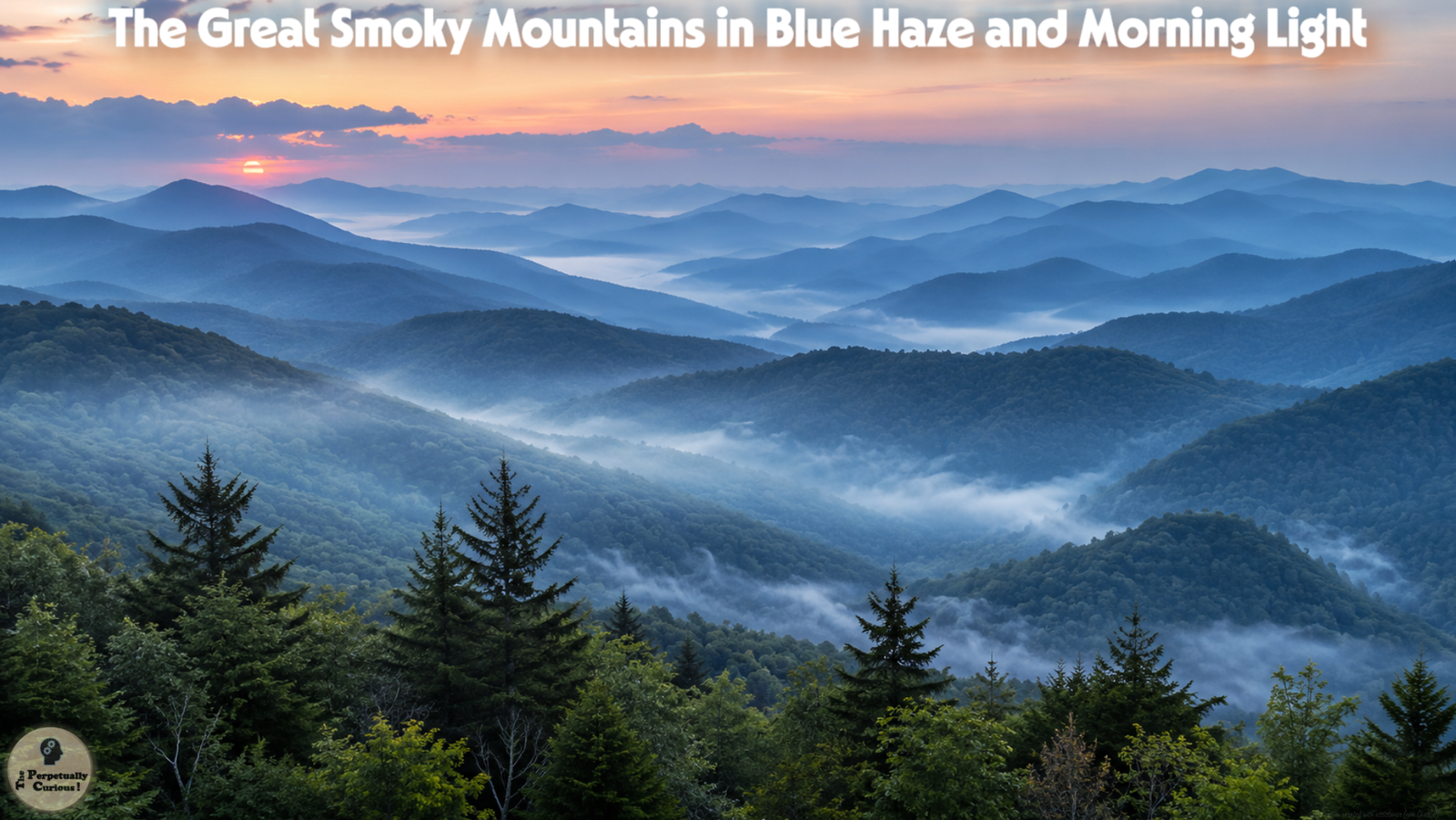
🌫️ Why the Great Smoky Mountains Fade into Blue Haze
The effect is one of the region's defining sights, but the name “Smoky” begins with a quiet interaction among trees, moisture, airborne particles, and sunlight.
- The Perpetually Curious! › Archives › Wilderness & Homestead CreaturesArticle
🐘 Elephant Intelligence: How Memory Becomes a Family Inheritance
At the edge of a difficult season, an elephant family may leave familiar ground and follow an older female toward water remembered from years before. No map is carried, and no route is explained aloud.
- The Perpetually Curious! › CanonicalReflection
The Terms of a World
👁️ We often call other worlds harsh because they do not make room for us. That judgment belongs to us alone. Their heat, their cold, their storms, and their stillness are simply the conditions they hold.