Explore by topic, question, or idea. Find articles, reflections, videos, puzzles, and curiosity pathways gathered across the site.
Press Enter or select Search. A newly typed query starts globally; filters are applied only through the visible rail.
26 results for “two wasp approaches to securing the next generation builders vs infiltrators in nature”
- The Perpetually Curious! › Archives › Planet EarthArticle
🌊 The Great Lakes: North America's Temporary Inland Seas
Picture yourself holding a glass of water in Chicago. That water contains a mixture of ages, with some molecules that fell as rain just years ago and others that have circulated through Lake Superior for nearly two centuries.
- The Perpetually Curious! › Archives › Planet EarthArticle
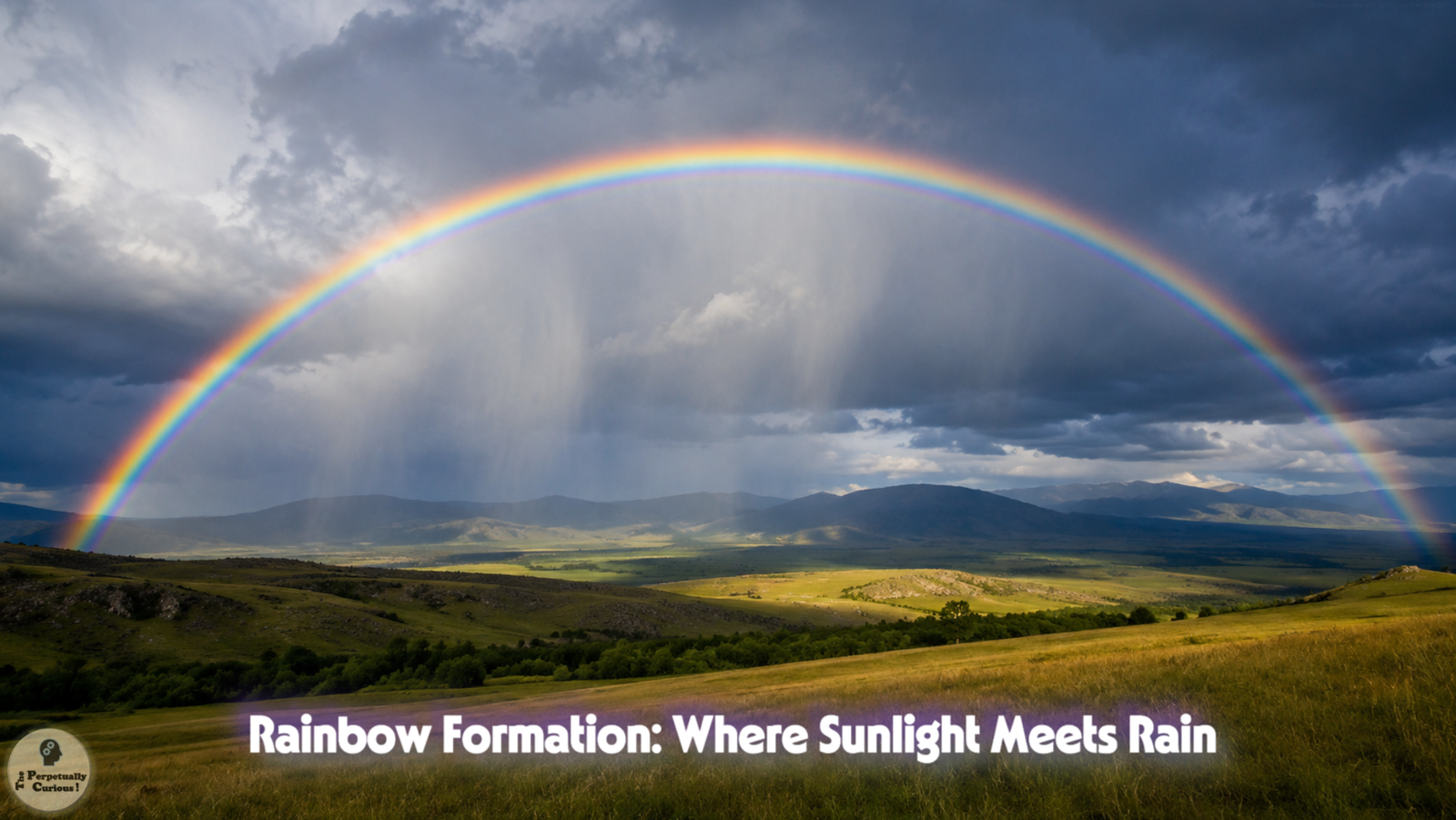
🌈 Rainbow Formation: Why Every Observer Sees a Different Arc
From section: Why the bow changes when you moveWhy the bow changes when you move Two people standing close together may see rainbows that look almost identical, but they do not receive light from exactly the same droplets.
- The Perpetually Curious! › Archives › Planet EarthArticle
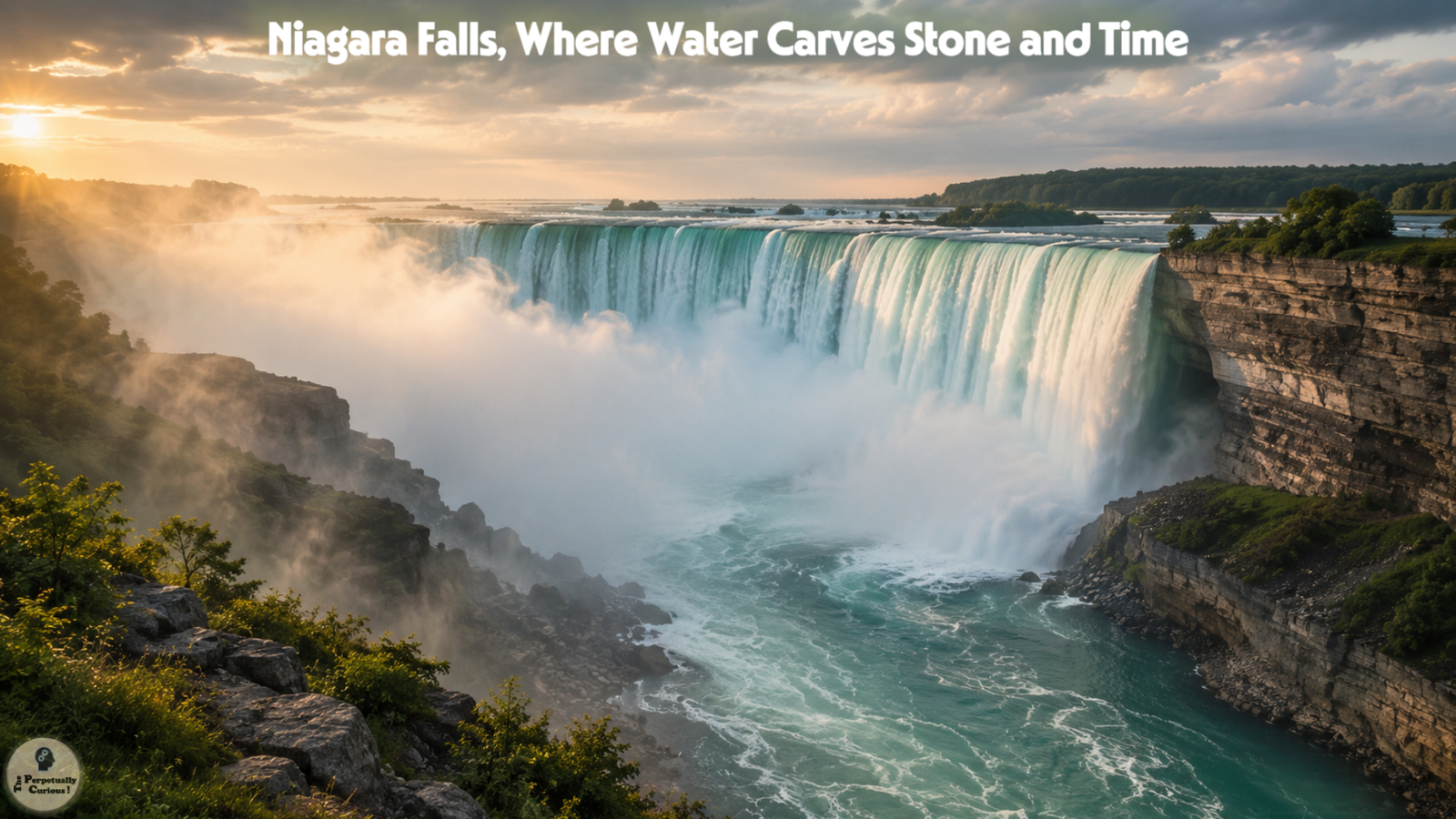
🌊 Niagara Falls Facts: How Water Turns Stone Into Time
From section: Mist as a sign of forceNiagara works on two scales at once.
- The Perpetually Curious! › Archives › Planet EarthArticle
🌊 Underwater Sound: How Echoes Measure Distance
From section: How echo timing becomes distanceBecause the recorded time includes both the outward and return paths, the system divides the total travel path by two to estimate range.
- The Perpetually Curious! › Archives › Planet EarthArticle
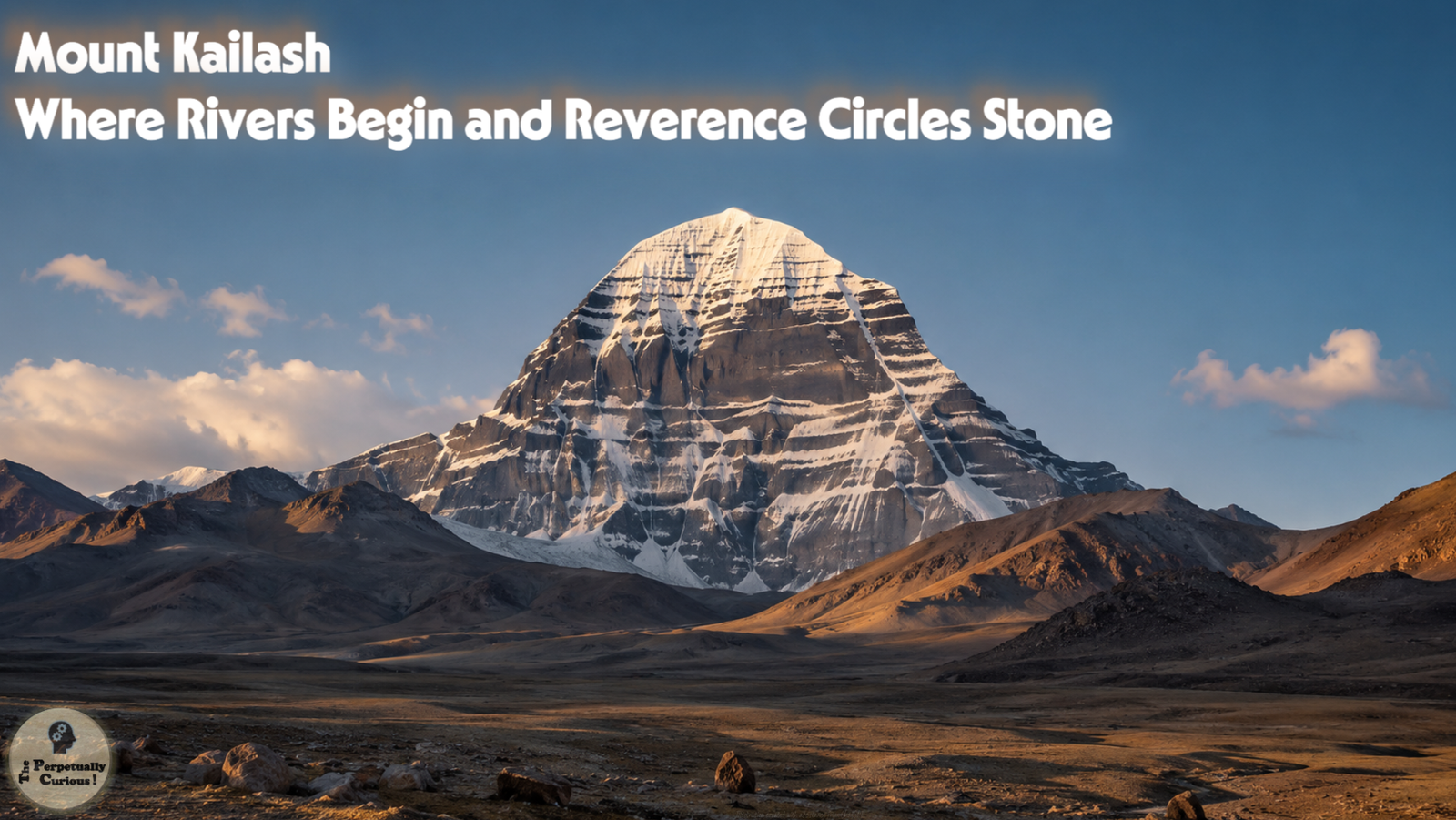
🏔️ Mount Kailash: Why a Sacred Summit Is Circled, Not Climbed
Mount Kailash is often described through reverence, but its power begins with geography. On the western Tibetan Plateau, the mountain rises as a sharply recognizable summit of snow, dark rock, and open sky. It is high, about 21,778 feet (6,638 meters), yet its significance does…
- The Perpetually Curious! › Archives › Planet EarthArticle
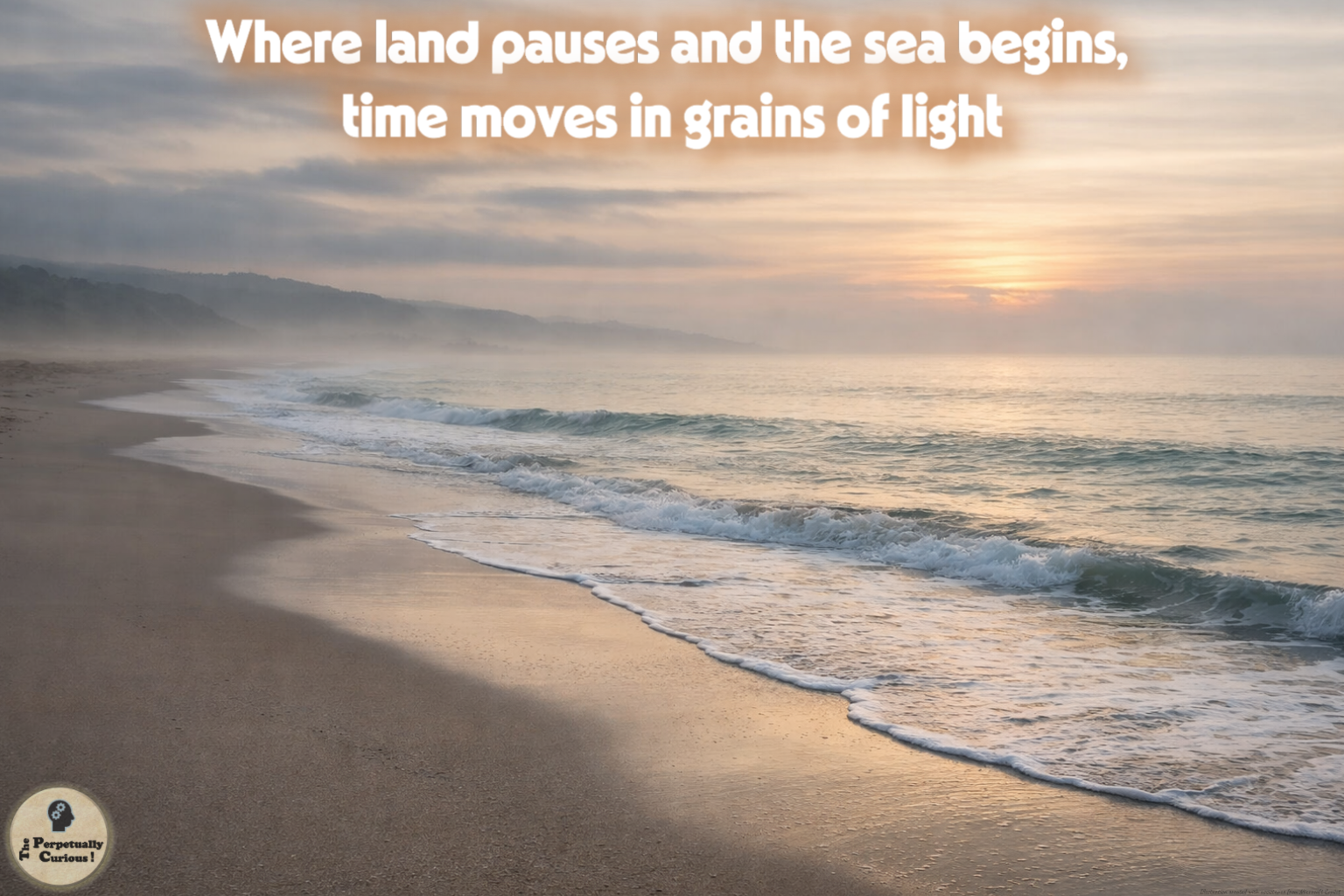
🌊 Why Beaches Have Sand
Beaches often appear simple at first glance. They seem like a narrow place where land and water meet. Yet the presence of sand along so many coastlines is the result of long journeys, slow transformations, and the combined work of rivers, weather, and waves.