Explore by topic, question, or idea. Find articles, reflections, videos, puzzles, and curiosity pathways gathered across the site.
Press Enter or select Search. A newly typed query starts globally; filters are applied only through the visible rail.
122 results for “understanding the world traditional medicine systems a cultural and historical perspective”
- The Perpetually Curious! › Archives › Wilderness & Homestead CreaturesArticle
🐘 Elephant Spa: Why Mud and Dust Baths Are Essential for Elephant Survival and Health
Understanding why elephants cover themselves in mud reveals not only their adaptability but also the intricate connections between animal behavior and environmental conservation.
- The Perpetually Curious! › Archives › Biology & HealthArticle
The Second Brain Speaks First: When Parkinson's Disease Begins in Your Belly 🧠
Opening: The Conversation You Never Knew You Were Having 💭 Deep within your belly lies a second brain: the enteric nervous system, an actual network of 200 to 600 million neurons woven through your gut walls. These neurons control digestion independently, without needing any…
- The Perpetually Curious! › Archives › Cosmic ExplorationArticle
The Oort Cloud: Where Long-Period Comets Begin 🌌
🌠 A frontier written in motion Far beyond the last planet, the solar system does not end with a line. It thins into distance, and familiar orbits give way to a region that feels less like a neighborhood and more like a horizon.
- The Perpetually Curious! › Archives › Botanical WondersArticle
The Riverbank Architect: Discovering the Remarkable Arjuna Tree 🌊
Stand beneath an ancient Arjuna tree during monsoon season and you'll understand why riverside communities have revered these giants for millennia. Water droplets cascade from leaves that shimmer like green glass, while the smooth bark releases a subtle earthy fragrance after rain.
- The Perpetually Curious! › Archives › Botanical WondersArticle
🌱 Grafting: Where Science and Art Take Root
🌿 What is grafting? Grafting is the practice of joining two plants so they grow as one. The upper part, the scion, carries buds or shoots, and the lower part, the rootstock, provides the foundation and root system. When their tissues align and heal, the two plants merge into a single organism.
- The Perpetually Curious! › Archives › History, Arts, and CultureArticle
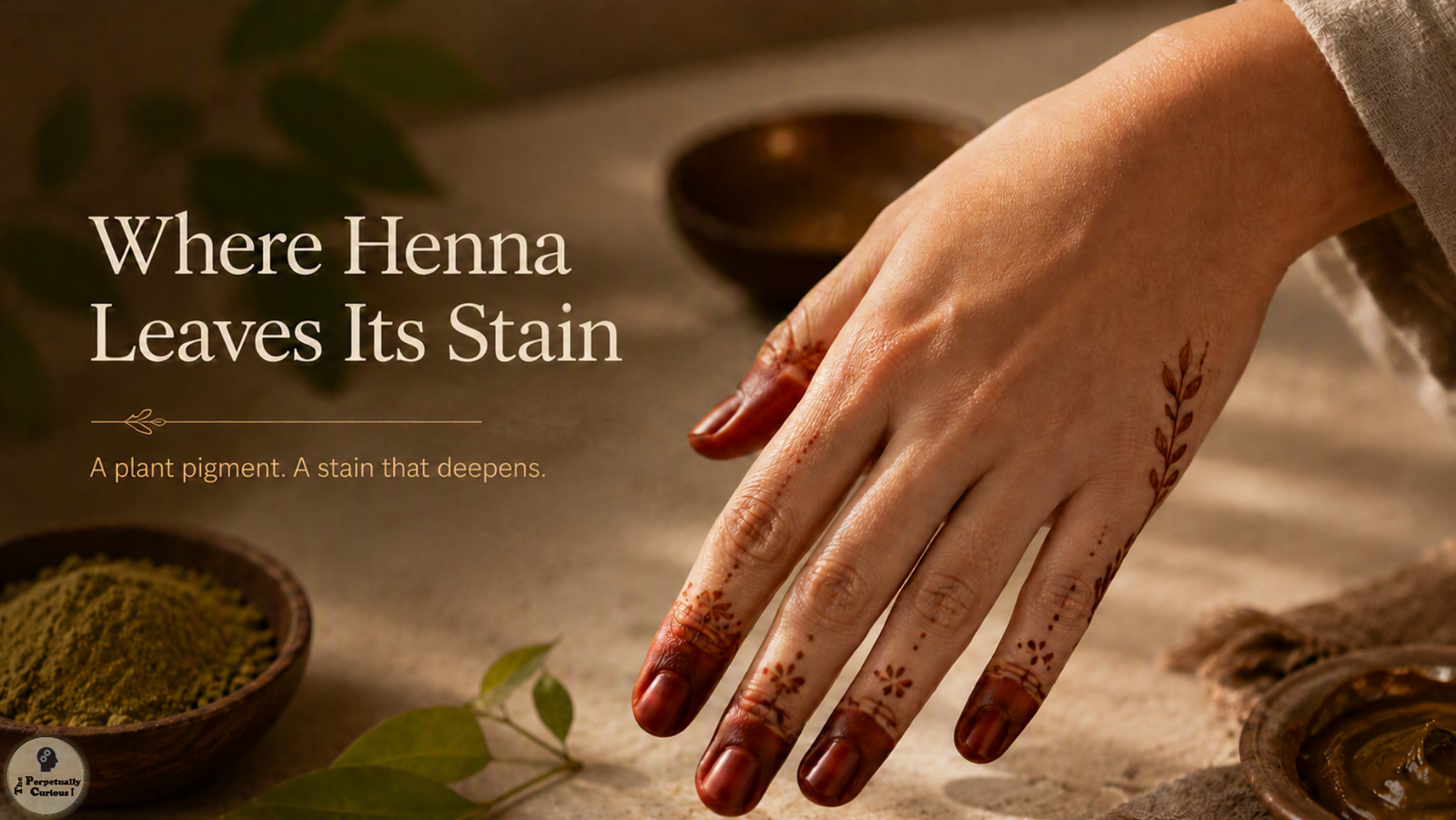
🌿 Why Henna Stains Fingertips More Deeply Than Other Skin
The change is especially striking on the parts of the hand that touch, grip, and press against the world most often.
- The Perpetually Curious! › Archives › Cosmic ExplorationArticle
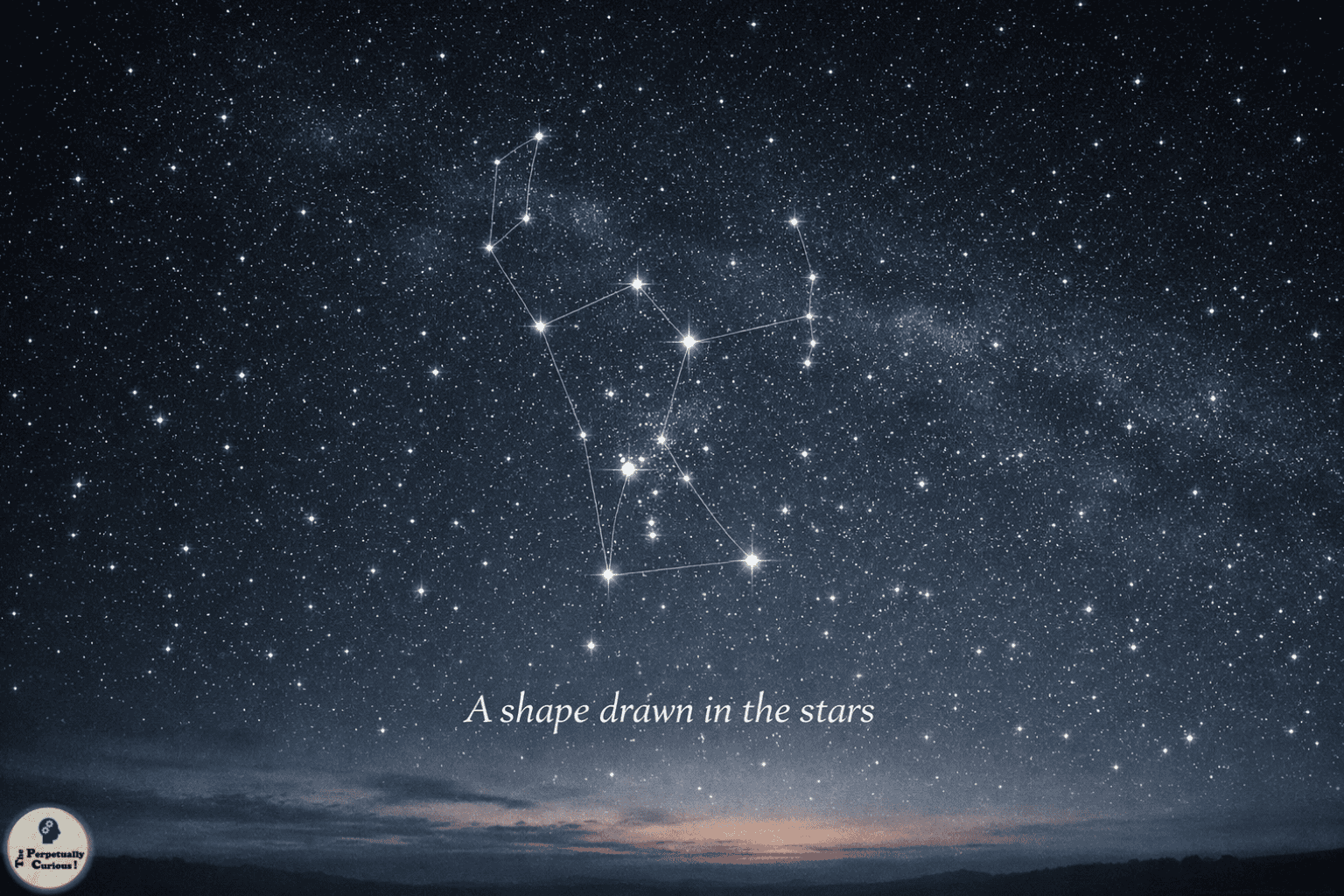
🌌 Constellations: How Star Patterns Help Us Find Our Way
From section: When scattered stars become a mapA map does not become meaningless because the roads, rivers, and towns printed on it are not made of ink in the real world.
- The Perpetually Curious! › Archives › Biology & HealthArticle
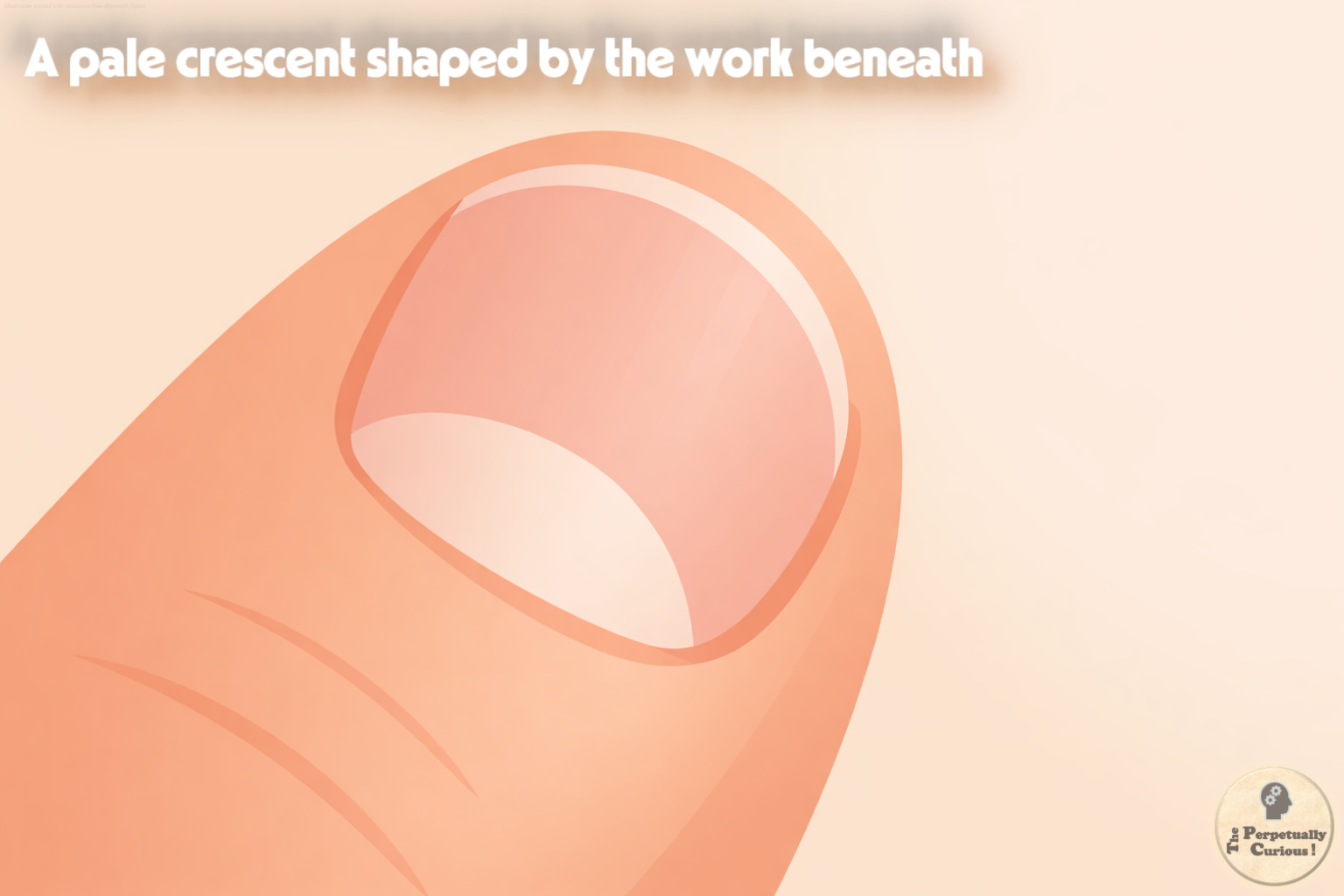
🌙 White Half Moon on Nails: The Quiet Growth Zone Beneath
From section: The crescent begins in the matrixFrom there, the anatomy opens into a wider story on our main site, including toe lunulae, health caution, cultural meanings, and visual diagrams, while the focus here stays with the small crescent itself.
- The Perpetually Curious! › Archives › Planet EarthArticle
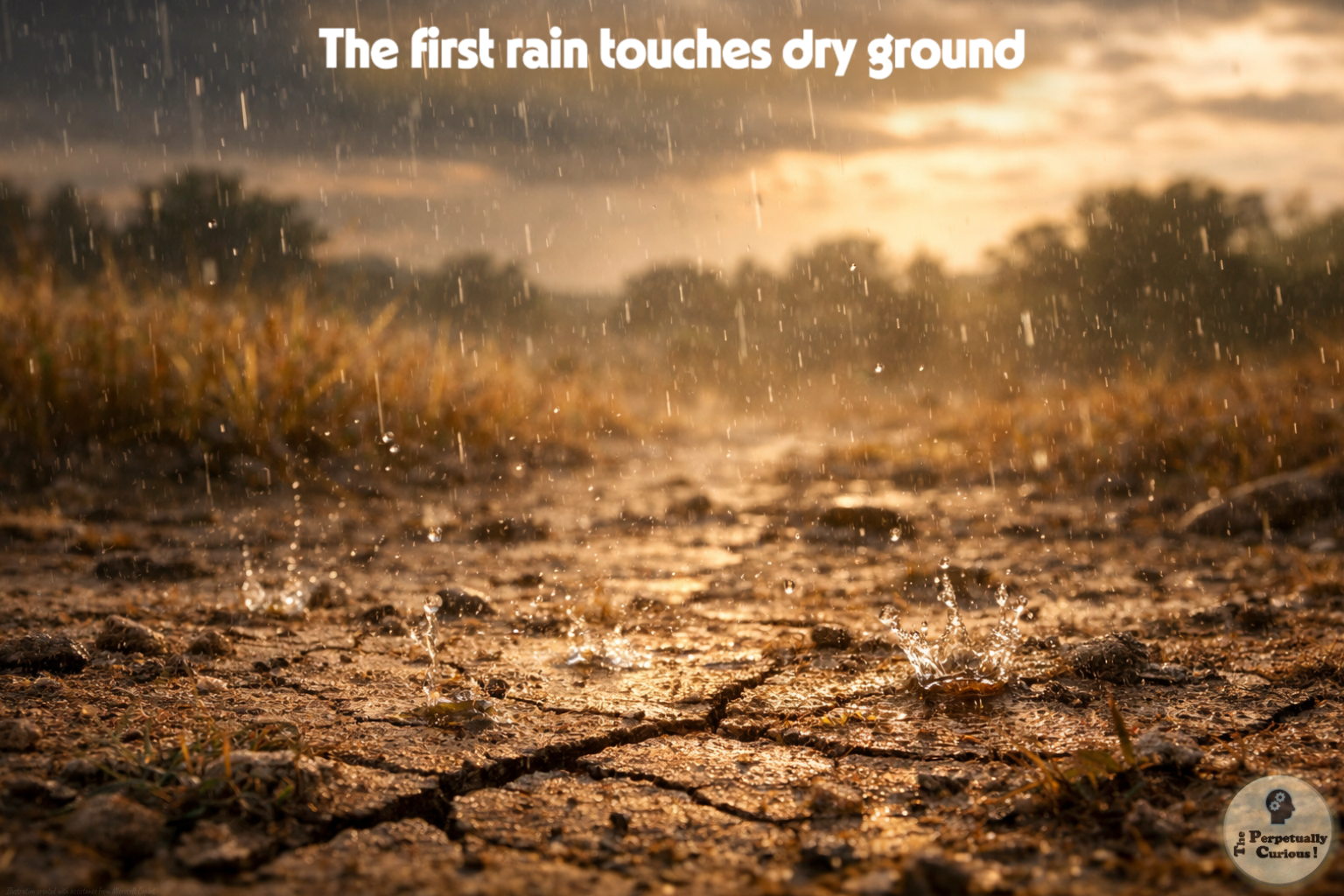
🌧️ Petrichor: How First Rain Lifts Earth’s Hidden Scent
From section: Why the scent changes from place to placeThe larger version on our main site keeps the wider landscape intact, including the naming of petrichor, microbial chemistry, cultural language, storm ozone, regional soils, and the question of why Earth’s rain has no true twin on other worlds.
- The Perpetually Curious! › Archives › Planet EarthArticle
🏔️ Mount Kailash: Why a Sacred Summit Is Circled, Not Climbed
From section: A summit made powerful by positionThe same region is tied to the early courses or headwaters of several major river systems, including the Indus, Sutlej, Karnali, and Yarlung Tsangpo Brahmaputra systems.