Explore by topic, question, or idea. Find articles, reflections, videos, puzzles, and curiosity pathways gathered across the site.
Press Enter or select Search. A newly typed query starts globally; filters are applied only through the visible rail.
10 results for “understanding the world traditional medicine systems a cultural and historical perspective”
- The Perpetually Curious! › Archives › Planet EarthArticle
When Nature's Fury Spirals: Understanding the Science Behind Nor'easters 🌊
Few weather phenomena capture the raw power of nature quite like a nor'easter bearing down on the Eastern Seaboard. These massive storm systems, born from the collision of opposing air masses over the Atlantic, represent some of the most complex and fascinating atmospheric dynamics on Earth.
- The Perpetually Curious! › Archives › Planet EarthArticle
❄️ Antarctica: Southernmost Continent’s Frozen Symphony of Silence and Light
From section: ❓ FAQ… The ice averages 6,500 feet (2,000 meters) thick, with the deepest point reaching 15,669 feet (4,776 meters) at Astrolabe Subglacial Basin. This massive ice sheet contains about 90% of the world's ice and approximately 70% of Earth's fresh water. …
- The Perpetually Curious! › Archives › Planet EarthArticle
Where Earth's Temperate Logic Ends: Understanding the Arctic Circle 🌐
The Arctic Circle marks more than a line on our maps. At approximately 66.5 degrees north latitude (about 66°30′ N), this invisible boundary transforms how our planet receives light, how ecosystems function, and how humans experience the passage of time itself.
- The Perpetually Curious! › Archives › Planet EarthArticle
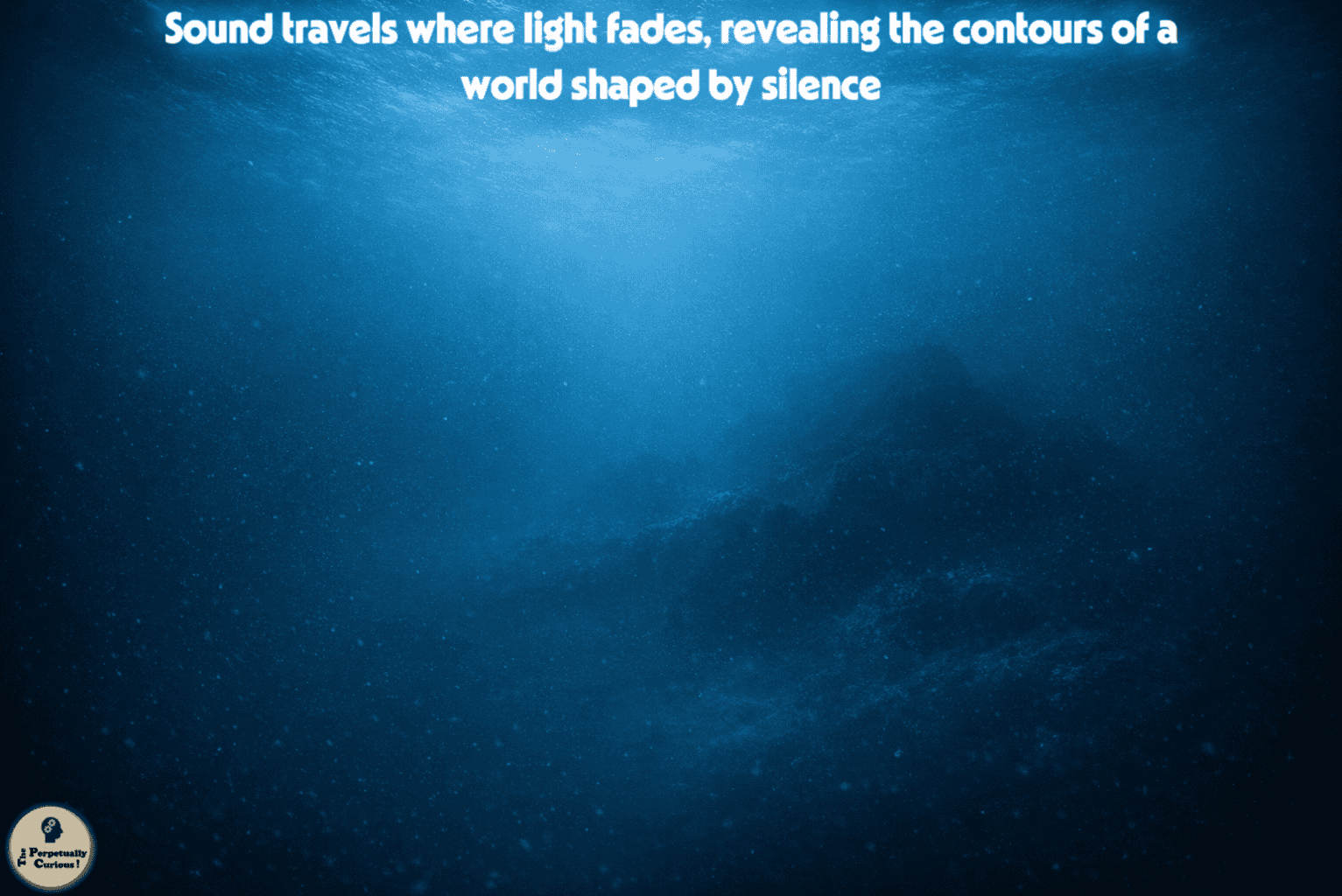
🌊 Underwater Sound: How Echoes Measure Distance
The complete article on the main site follows the wider acoustic world through SOFAR channel behavior, active and passive systems, seafloor mapping visuals, marine-life listening, historical development, FAQ, and Did You Know notes.
- The Perpetually Curious! › Archives › Planet EarthArticle
🌊 The Great Lakes: North America's Temporary Inland Seas
This remarkable journey reveals just one facet of North America's inland seas, a system containing 21% of the world's surface freshwater within basins carved by ice and shaped by time.Read more »
- The Perpetually Curious! › Archives › Planet EarthArticle
The Science of Snow Whiteness: A Journey Through Light and Ice ❄️
From section: Introduction ❄️Understanding why snow appears white illuminates not just winter phenomena, but the very nature of light itself.Read more »
- The Perpetually Curious! › Archives › Planet EarthArticle
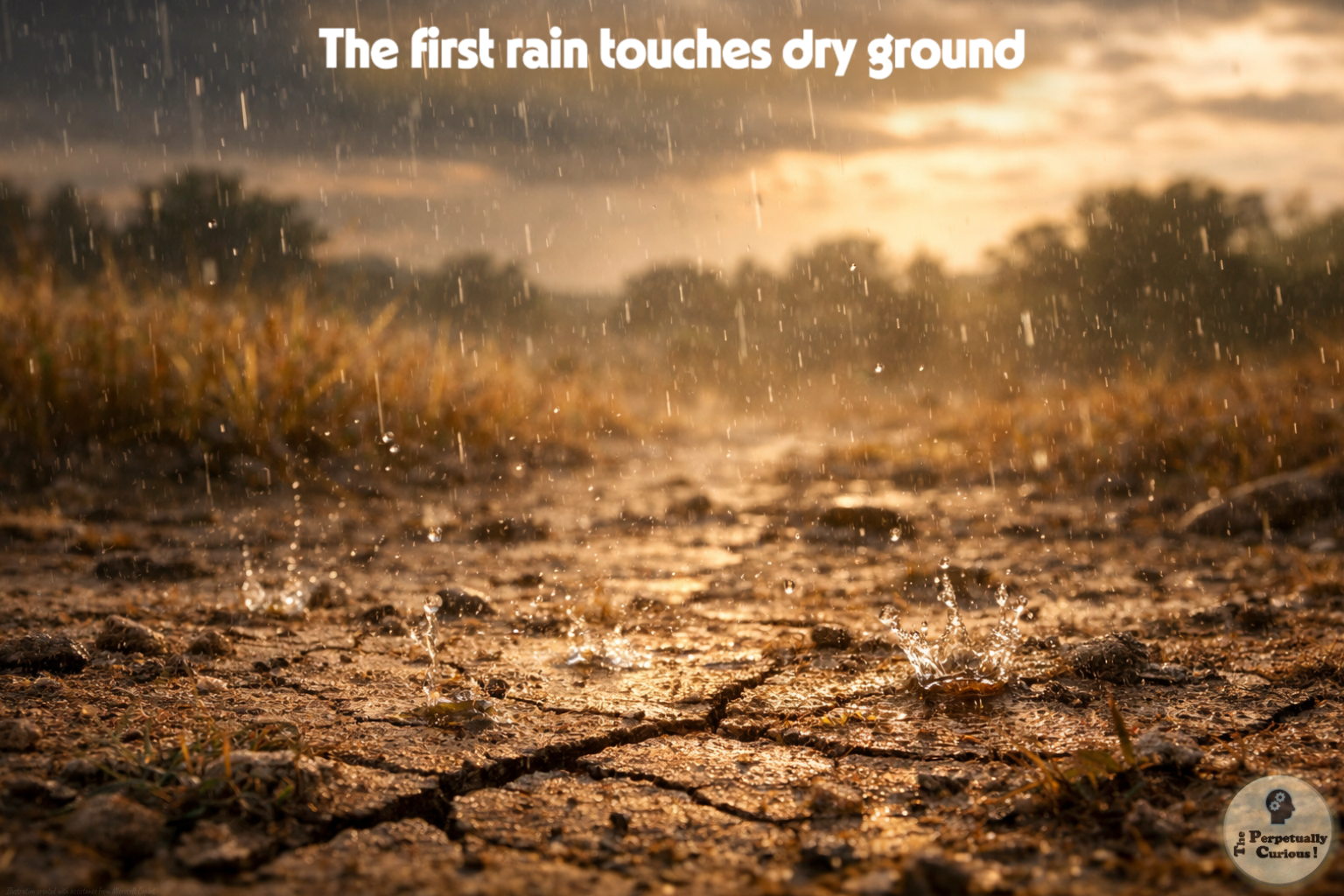
🌧️ Petrichor: How First Rain Lifts Earth’s Hidden Scent
From section: Why the scent changes from place to placeThe larger version on our main site keeps the wider landscape intact, including the naming of petrichor, microbial chemistry, cultural language, storm ozone, regional soils, and the question of why Earth’s rain has no true twin on other worlds.
- The Perpetually Curious! › Archives › Planet EarthArticle
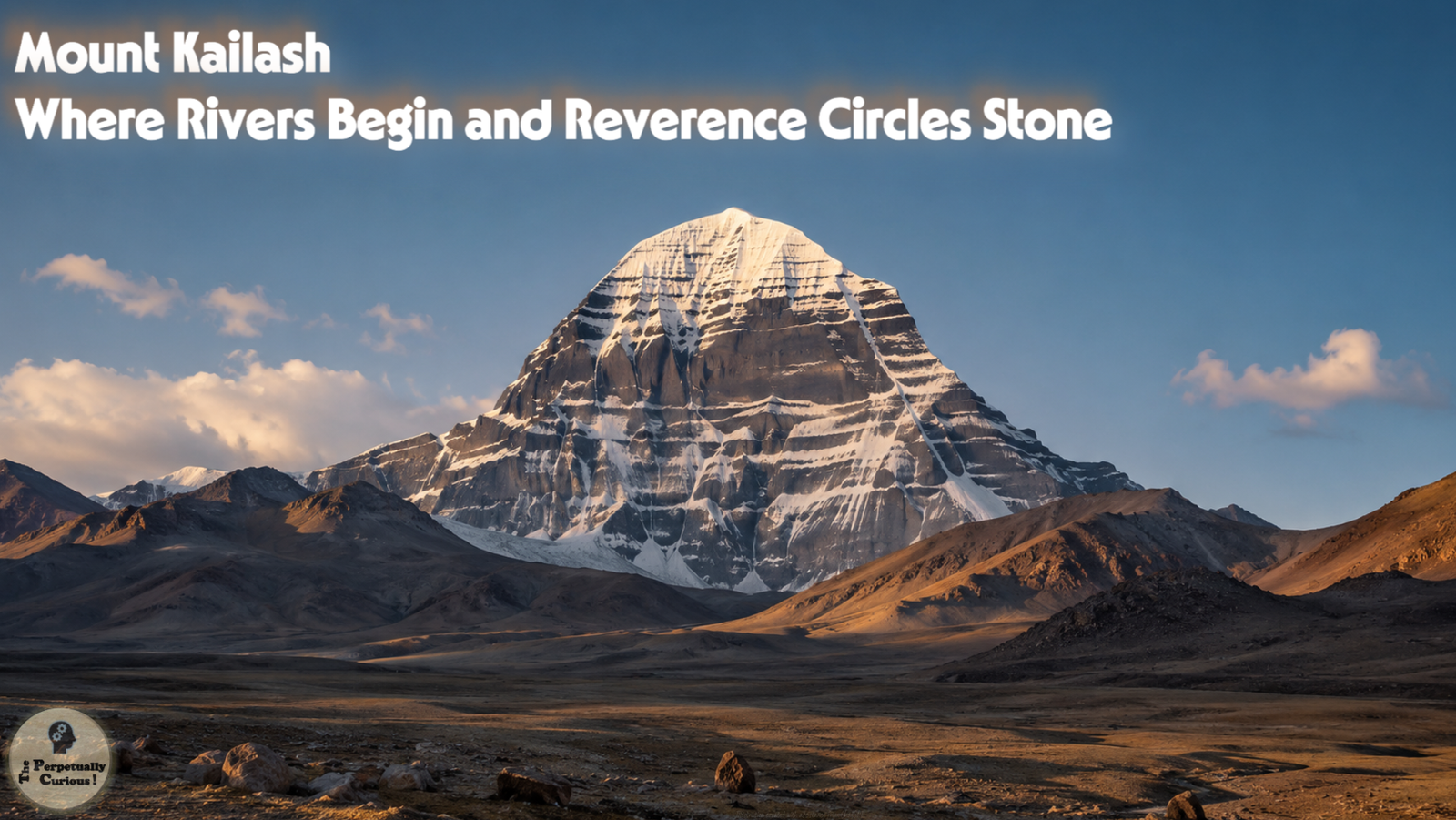
🏔️ Mount Kailash: Why a Sacred Summit Is Circled, Not Climbed
From section: A summit made powerful by positionThe same region is tied to the early courses or headwaters of several major river systems, including the Indus, Sutlej, Karnali, and Yarlung Tsangpo Brahmaputra systems.
- The Perpetually Curious! › Archives › Planet EarthArticle
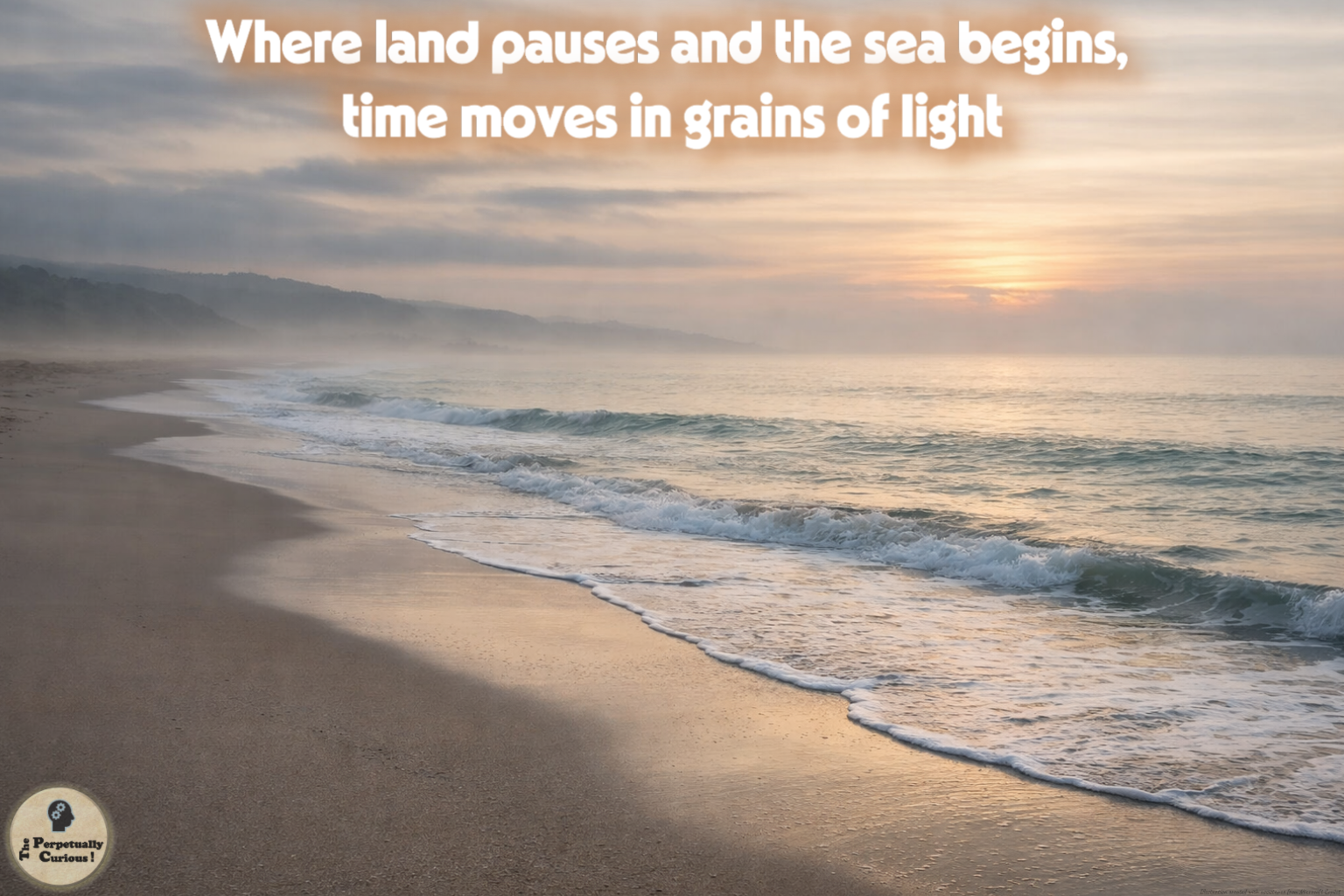
🌊 Why Beaches Have Sand
From section: Where the full story continuesFacebook X WhatsApp Threads Mastodon Bluesky Pinterest LinkedIn Email Copy Link 🌿 Continue exploring this theme More connected articles on plant life, botanical adaptations, plant ecologies, and the living patterns that shape the green world are gathered on The Perpetually Curious! website.
- The Perpetually Curious! › Archives › Planet EarthArticle
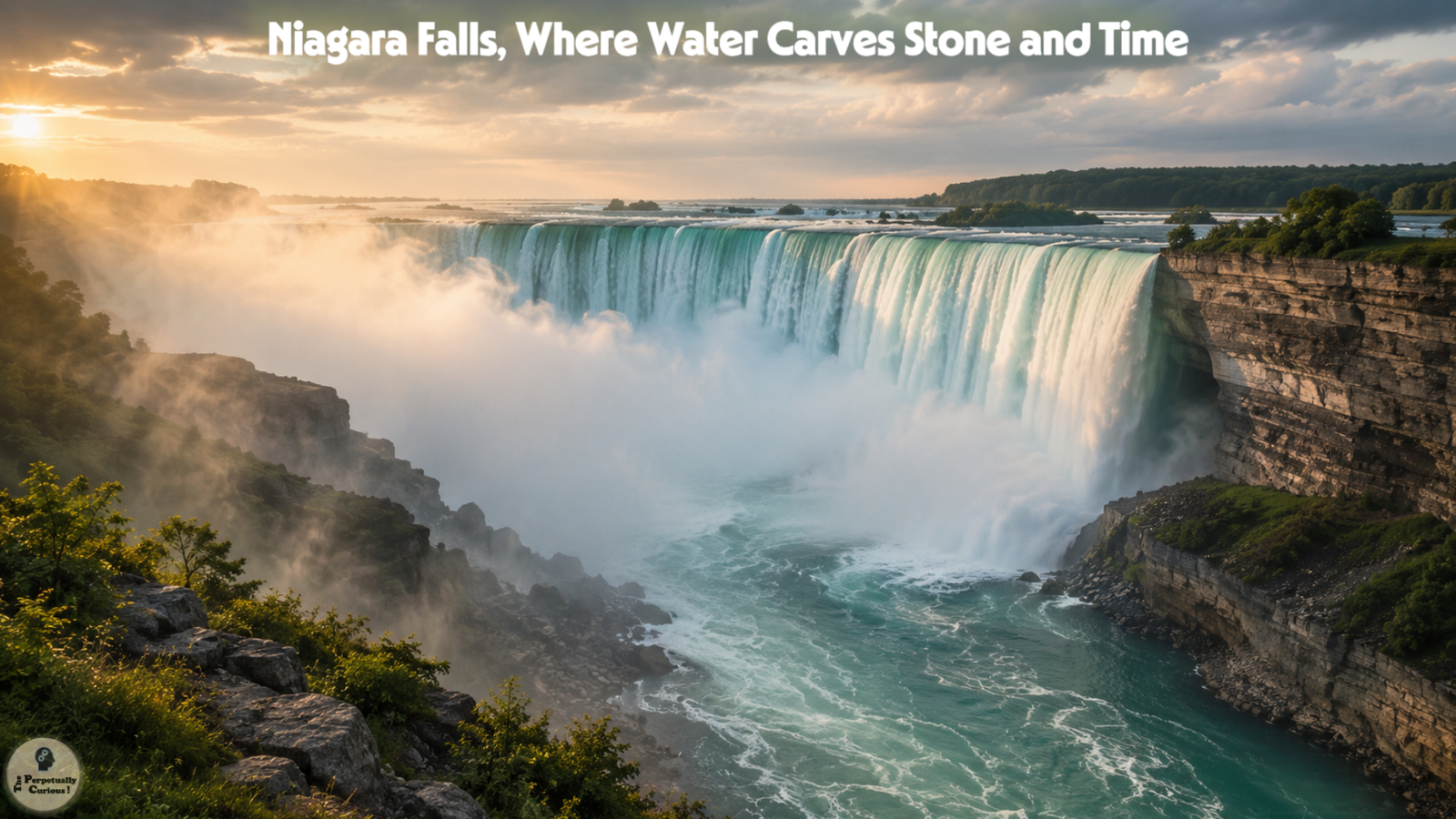
🌊 Niagara Falls Facts: How Water Turns Stone Into Time
When Niagara Falls first appears through its mist, it can feel like a single spectacular drop. But the falls are better understood as a place where a much larger water system briefly becomes visible. The water is not arriving from nowhere.