Explore by topic, question, or idea. Find articles, reflections, videos, puzzles, and curiosity pathways gathered across the site.
Press Enter or select Search. A newly typed query starts globally; filters are applied only through the visible rail.
6 results for “vertical worlds the 14 lokas in ancient indian cosmology”
- The Perpetually Curious! › Archives › Planet EarthArticle
❄️ Antarctica: Southernmost Continent’s Frozen Symphony of Silence and Light
From section: ❓ FAQ… The coldest temperature ever recorded on Earth was −128.6°F (−89.2°C) at Russia's Vostok Station in Antarctica. Coastal areas average 14°F to −22°F (−10°C to −30°C) in winter, while the interior plateau can drop below −76°F (−60°C). Summer temperatures near the coast occasionally reach just above freezing.
- The Perpetually Curious! › Archives › Planet EarthArticle
🌫️ Why the Great Smoky Mountains Fade into Blue Haze
From section: Why the ridges look blueThe broader Smokies narrative on our main site follows this atmosphere into ancient Appalachian geology, elevation-shaped forests, streams, biodiversity, Cherokee homelands, Appalachian communities, and the continuing work of conservation.
- The Perpetually Curious! › Archives › Planet EarthArticle
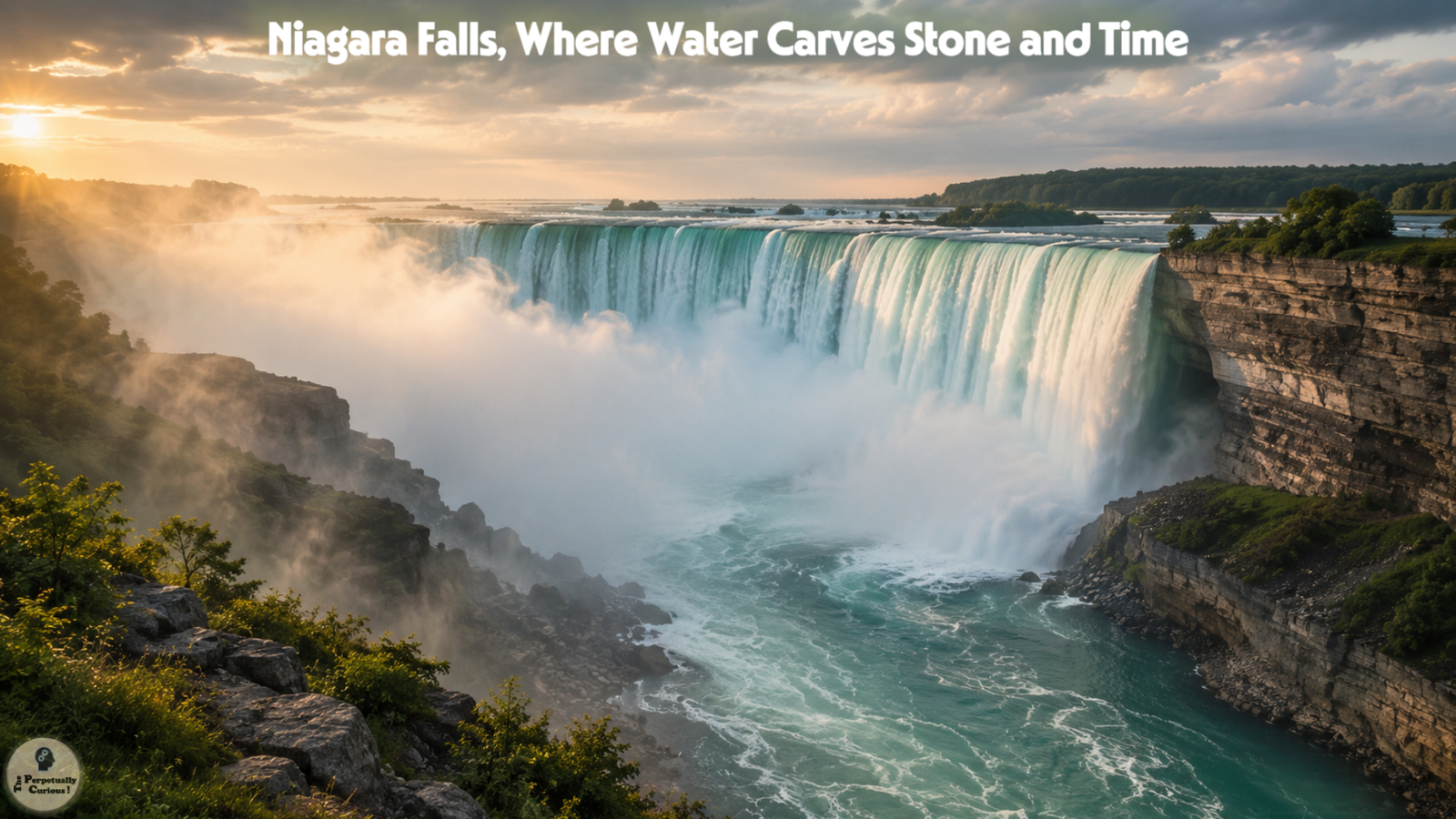
🌊 Niagara Falls Facts: How Water Turns Stone Into Time
From section: Mist as a sign of forceIn the longer view, it is a moving edge within the Great Lakes outflow, steadily carving its own path through ancient rock.
- The Perpetually Curious! › Archives › Planet EarthArticle
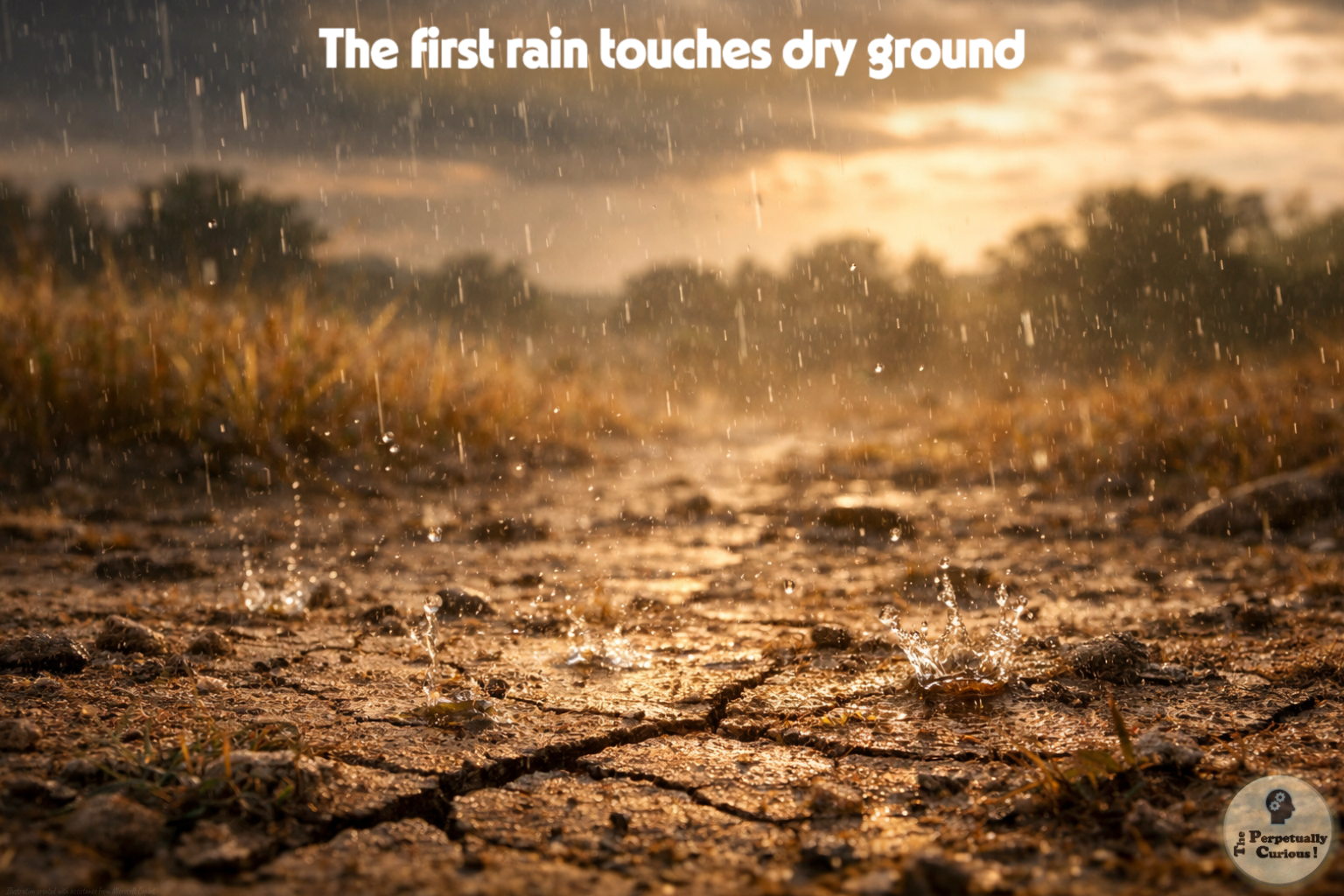
🌧️ Petrichor: How First Rain Lifts Earth’s Hidden Scent
From section: Why the scent changes from place to placeThe larger version on our main site keeps the wider landscape intact, including the naming of petrichor, microbial chemistry, cultural language, storm ozone, regional soils, and the question of why Earth’s rain has no true twin on other worlds.
- The Perpetually Curious! › Archives › Planet EarthArticle
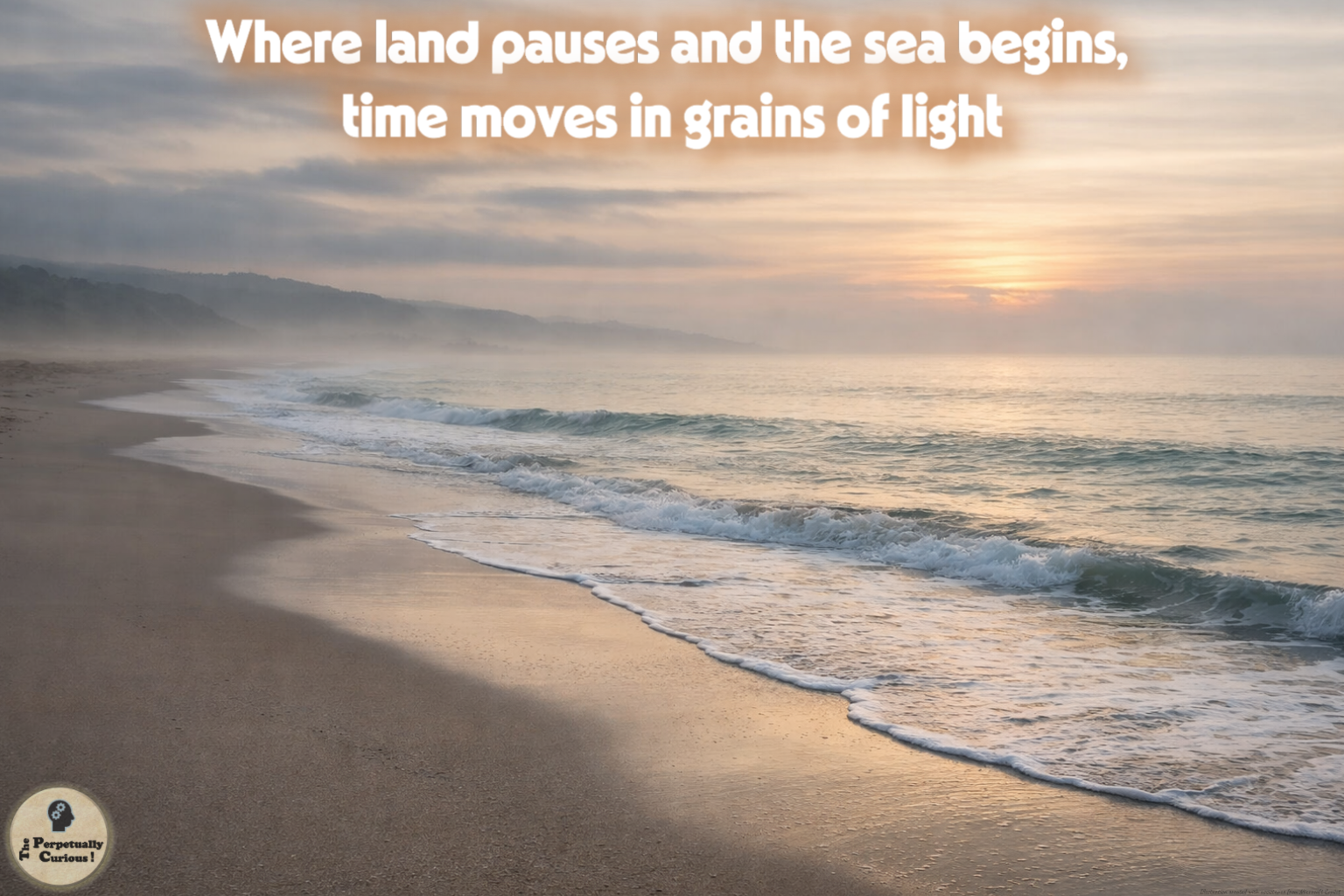
🌊 Why Beaches Have Sand
Mountains, cliffs, and ancient bedrock slowly break down through weathering.
- The Perpetually Curious! › Archives › Planet EarthArticle
🌊 Underwater Sound: How Echoes Measure Distance
From the surface, the sea can look like a broad sheet of blue, but its hidden spaces are easier to sense with sound than with sight. Underwater sound moves as pressure waves, crossing water far more effectively than ordinary vision can cross depth.