Explore by topic, question, or idea. Find articles, reflections, videos, puzzles, and curiosity pathways gathered across the site.
Press Enter or select Search. A newly typed query starts globally; filters are applied only through the visible rail.
157 results for “vertical worlds the 14 lokas in ancient indian cosmology”
- The Perpetually Curious! › Archives › Planet EarthArticle
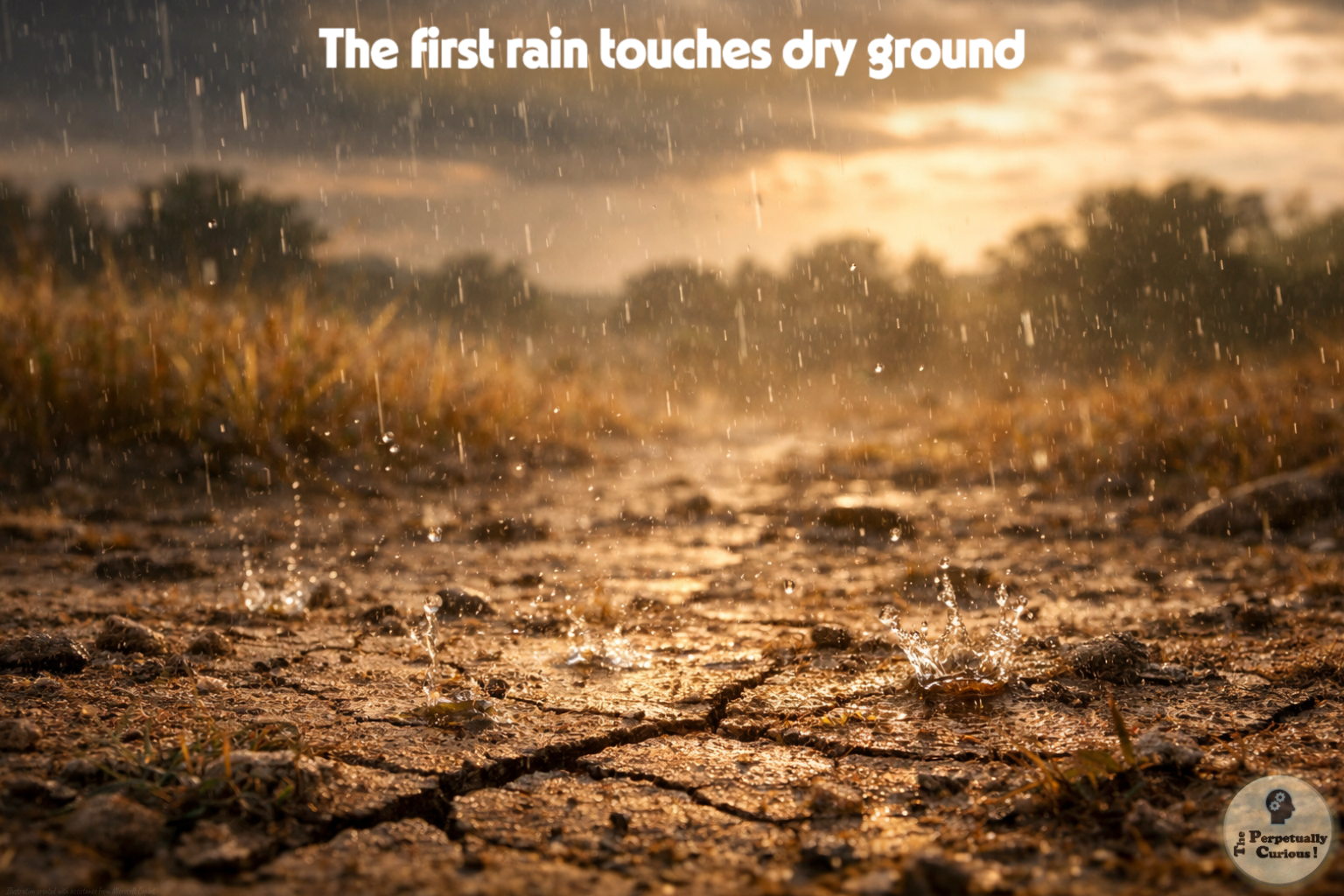
🌧️ Petrichor: How First Rain Lifts Earth’s Hidden Scent
From section: Why the scent changes from place to placeThe larger version on our main site keeps the wider landscape intact, including the naming of petrichor, microbial chemistry, cultural language, storm ozone, regional soils, and the question of why Earth’s rain has no true twin on other worlds.
- The Perpetually Curious! › Archives › Botanical WondersArticle
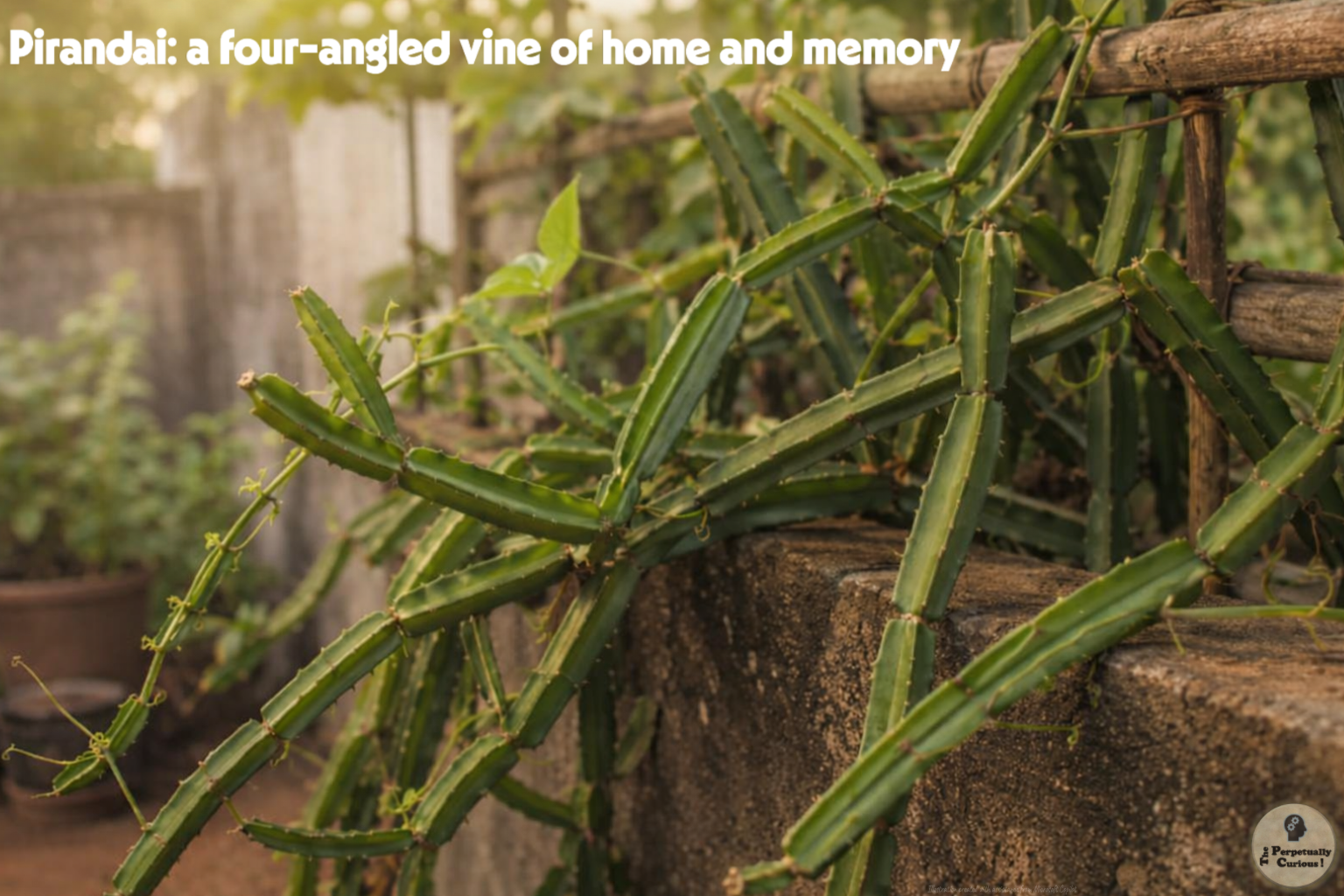
🌿 Pirandai: How a Four-Angled Vine Holds Memory and Water
From section: Useful, familiar, and still unfinishedTender stems may be cleaned, cut, sautéed with spices, and ground into chutney or thogayal in some South Indian traditions.
- The Perpetually Curious! › Archives › Engineering & TechnologyArticle
🏭 Petroleum Refining: How Crude Oil Begins to Transform
From section: Why boiling range mattersThe vertical arrangement is useful because it gives the refinery a first map of what the crude can become.
- The Perpetually Curious! › Archives › Botanical WondersArticle
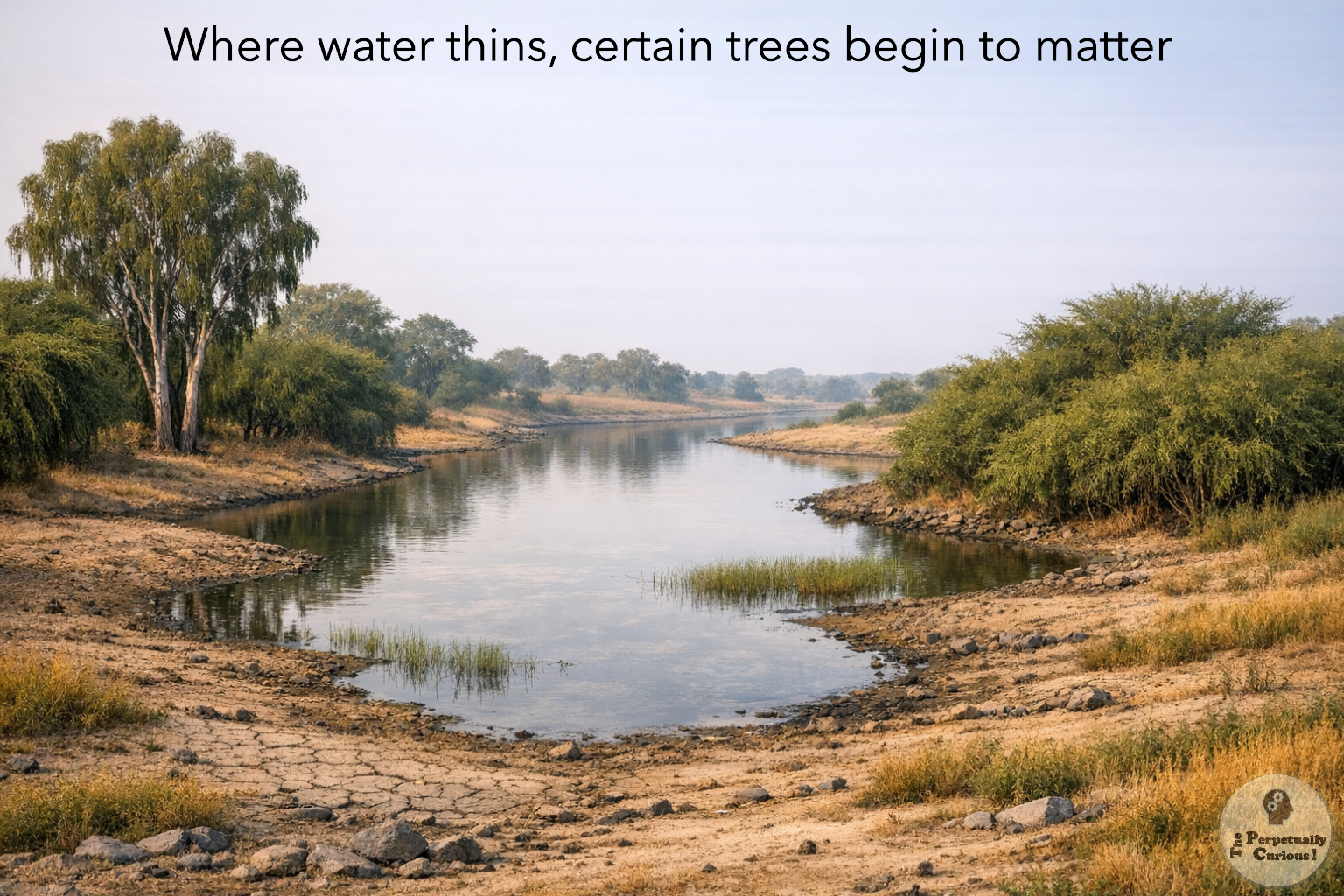
💧 Seasonal Ponds and Root Depth in South India
From section: How roots change the pond-margin storyIn South Indian landscapes, this question becomes especially important around tanks, canals, pond margins, and semi-arid fields.
- The Perpetually Curious! › Archives › Planet EarthArticle
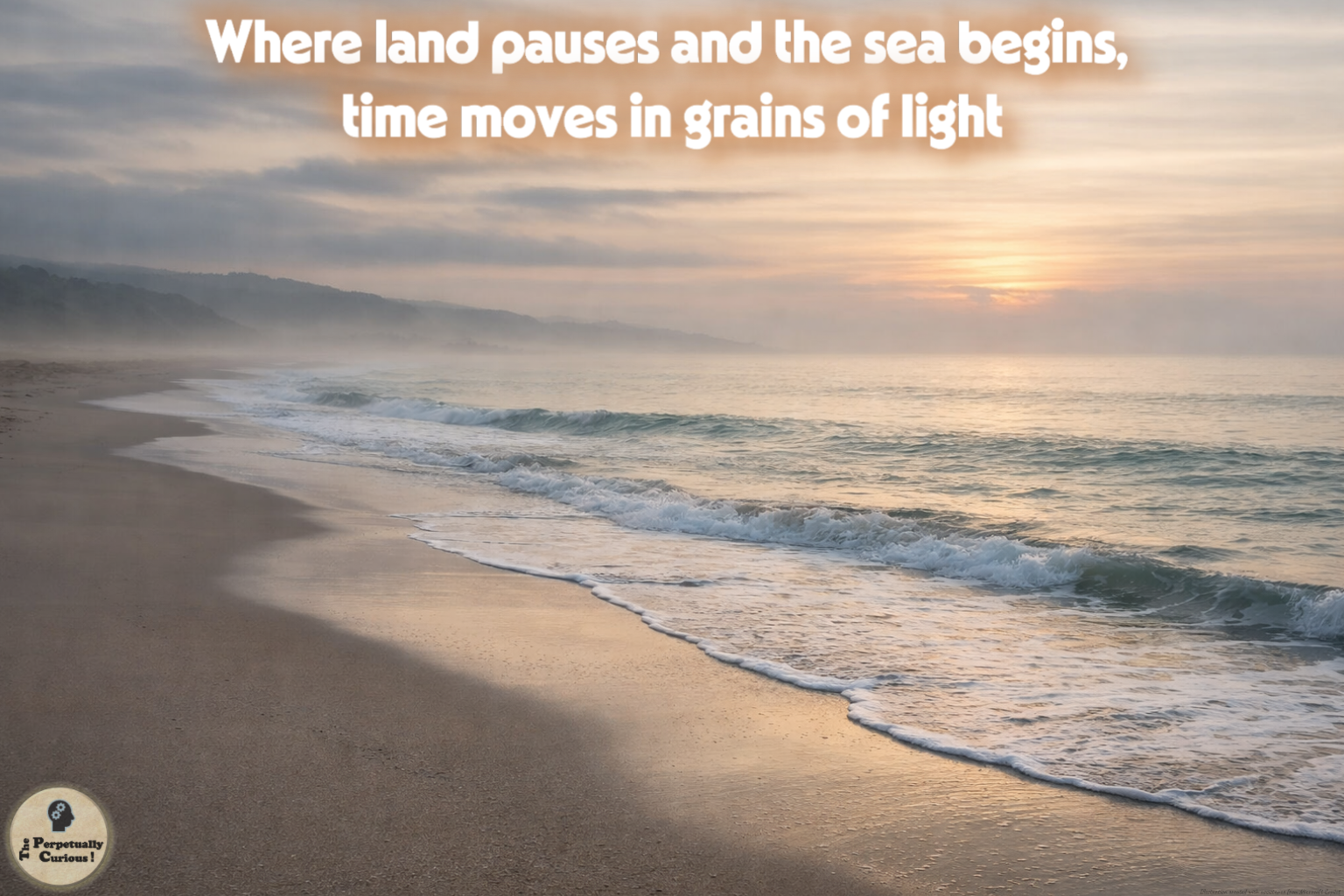
🌊 Why Beaches Have Sand
Mountains, cliffs, and ancient bedrock slowly break down through weathering.
- The Perpetually Curious! › Archives › Cosmic ExplorationArticle
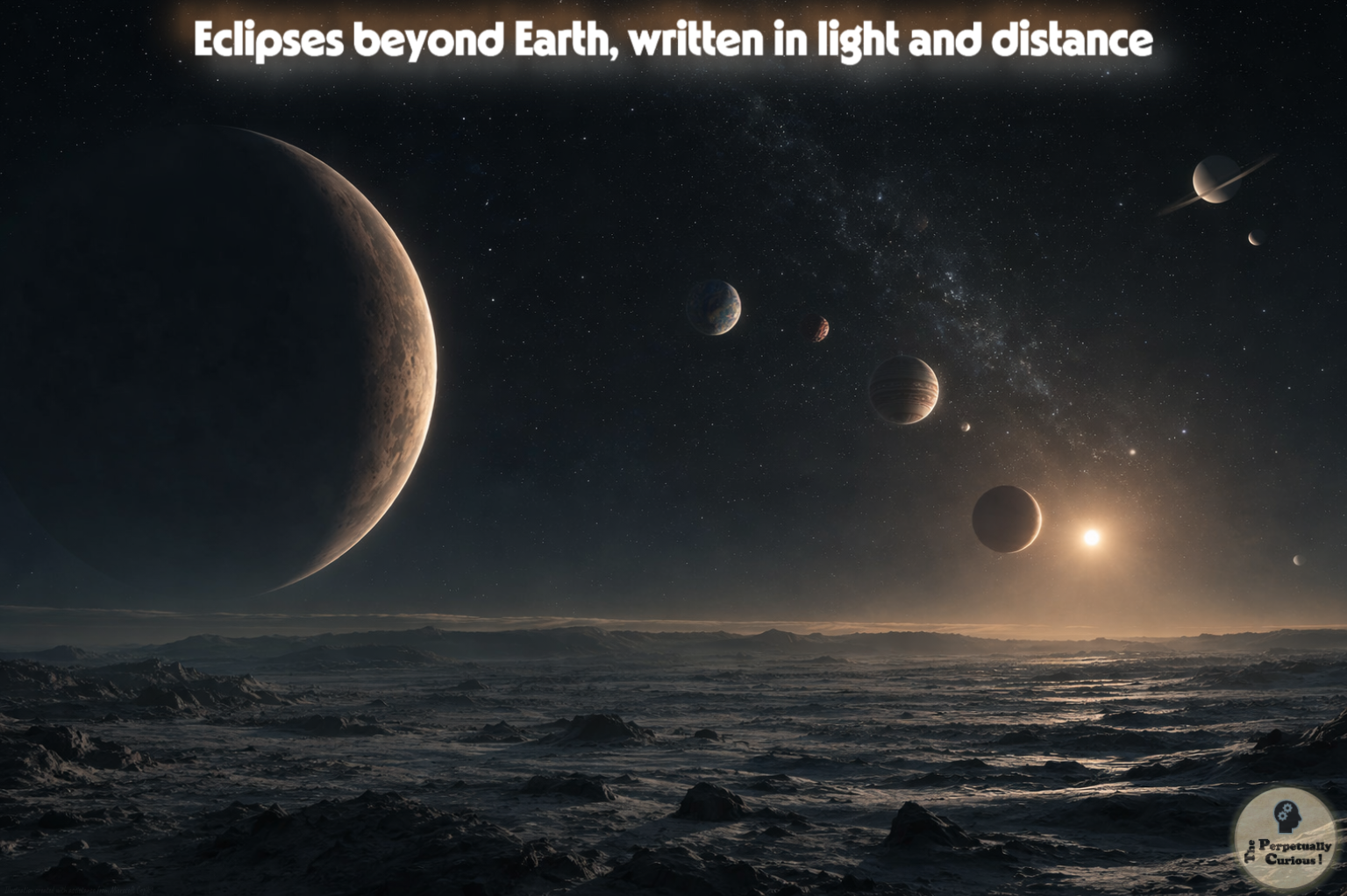
🌘 Eclipses Across the Solar System: When Shadows Travel
An eclipse can feel like a rare celestial exception, but the underlying arrangement is simple. A light source shines, one world blocks that light, and another surface receives the shadow. On Earth, the Sun, Moon, and our planet create the examples we know best.
- The Perpetually Curious! › Videos & Podcasts › Cosmic ExplorationPodcast
HD 100546 b: Unraveling a Cosmic Mystery | Cosmic Exploration Series Podcast
Watch on TPC YouTube ↗ Exoplanets & formation 🪐 HD 100546 b: Unraveling a Cosmic Mystery A young distant system opens questions about planetary formation, gas giants, disk structure, and how astronomers interpret emerging worlds.
- The Perpetually Curious! › Archives › Wilderness & Homestead CreaturesArticle
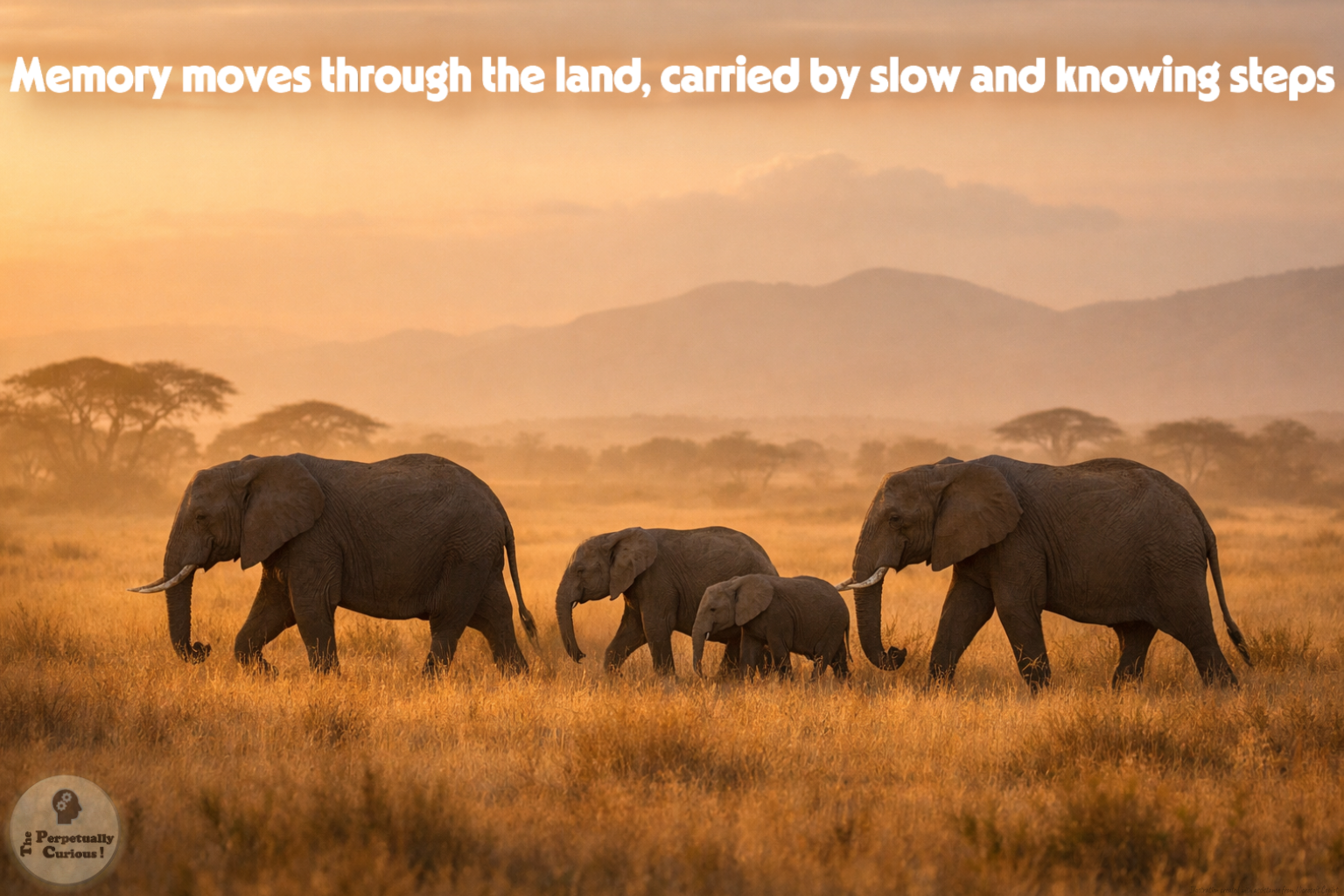
🐘 Elephant Intelligence: How Memory Becomes a Family Inheritance
At the edge of a difficult season, an elephant family may leave familiar ground and follow an older female toward water remembered from years before. No map is carried, and no route is explained aloud.
- The Perpetually Curious! › Archives › History, Arts, and CultureArticle
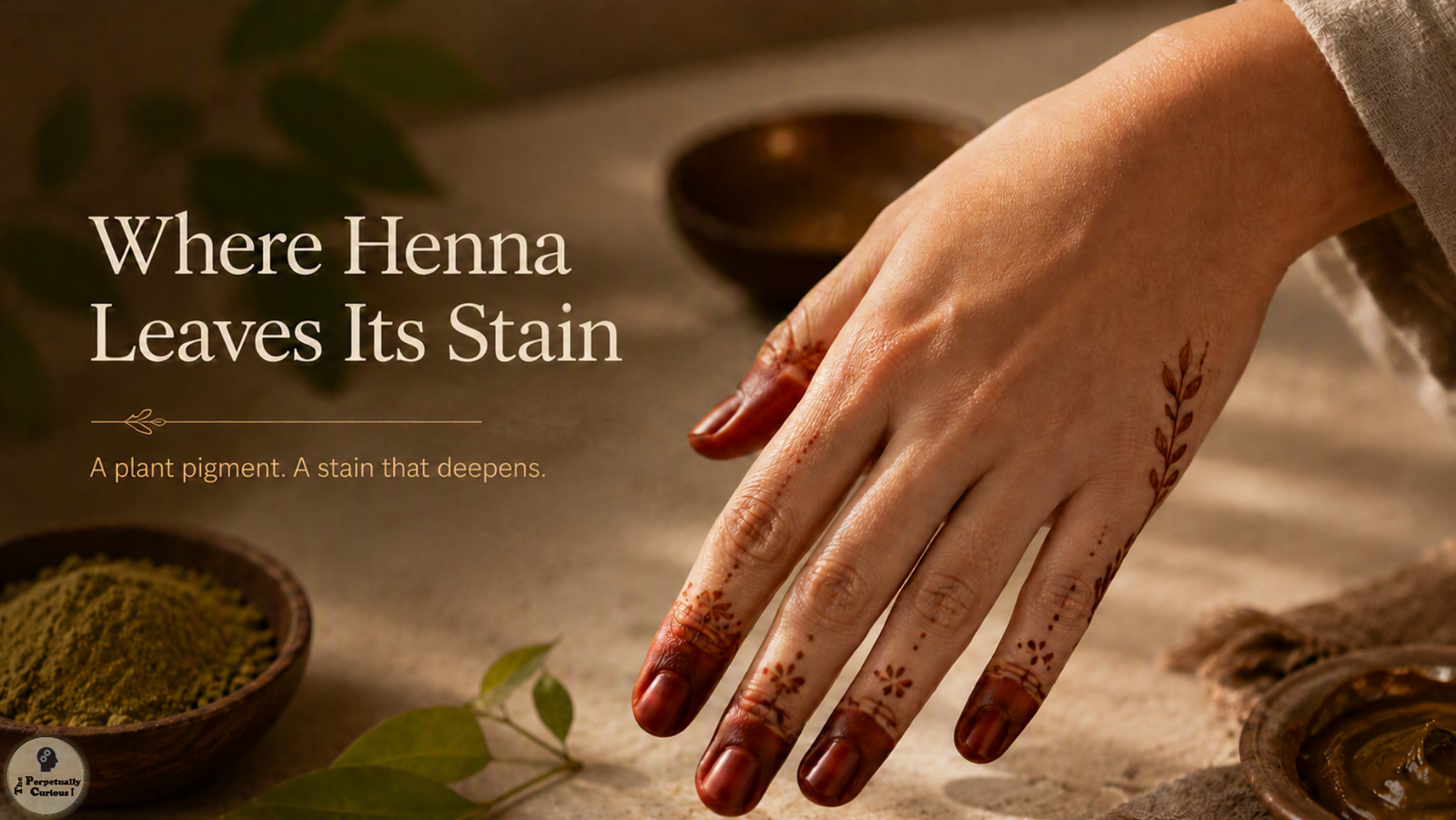
🌿 Why Henna Stains Fingertips More Deeply Than Other Skin
When dried henna paste is removed, the color beneath it can look almost modest: a clear orange tracing the fingertips and palm. By the following day, the same marks may have deepened toward reddish-brown.
- The Perpetually Curious! › Archives › Cosmic ExplorationArticle
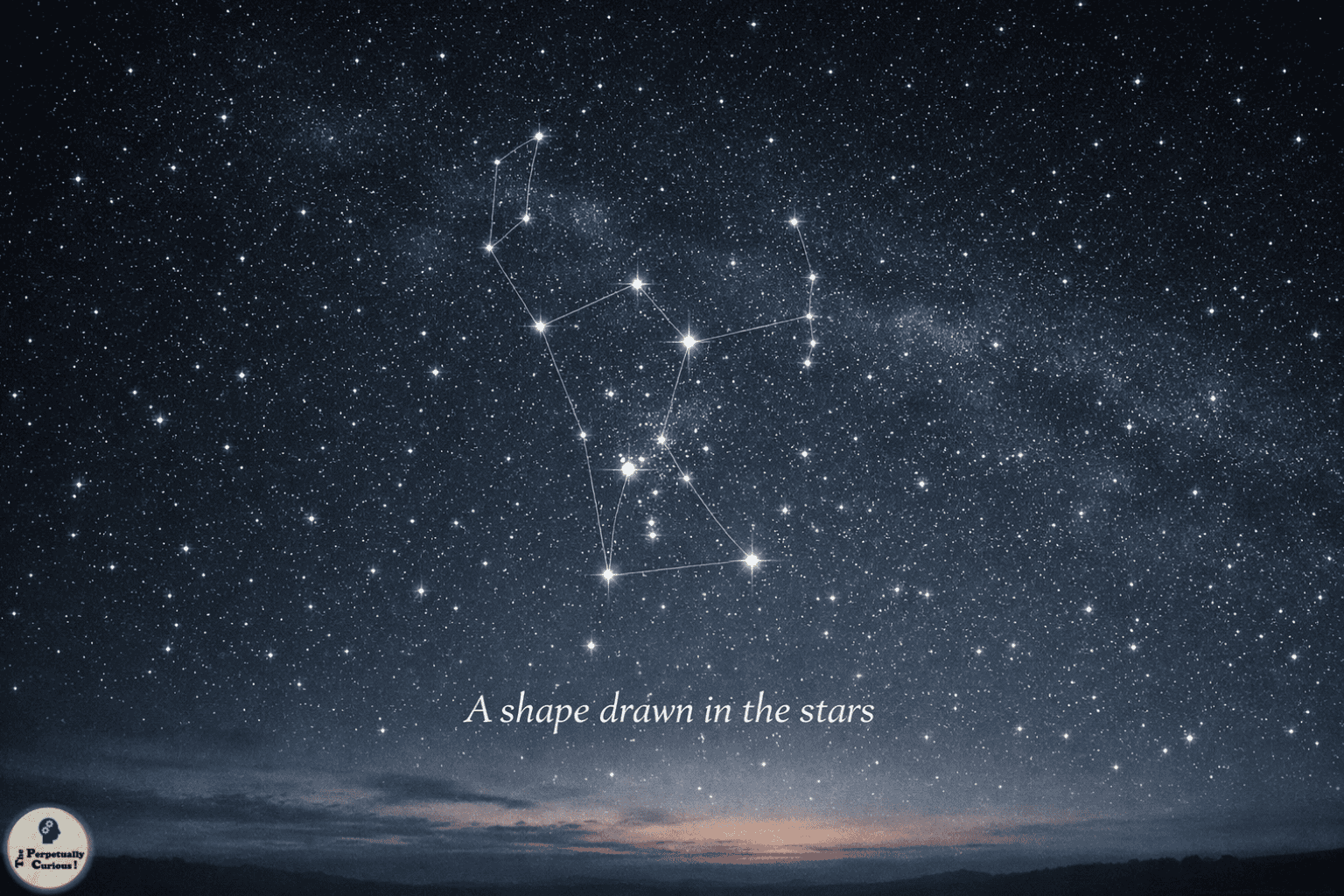
🌌 Constellations: How Star Patterns Help Us Find Our Way
At first glance, constellations look like drawings placed gently across the night. A hunter, a cross, a scorpion, a bear, or a bright line of stars can seem almost intentional, as though the sky itself has arranged symbols for us to find.