Explore by topic, question, or idea. Find articles, reflections, videos, puzzles, and curiosity pathways gathered across the site.
Press Enter or select Search. A newly typed query starts globally; filters are applied only through the visible rail.
19 results for “when leaves let go why autumn colors turn red gold and brown”
- The Perpetually Curious! › Canonical › Cosmic ExplorationArticle
🌌 Why Space Looks Dark in a Universe Filled with Light: Understanding the Quiet Cosmos
From section: 💡 Did You Know🌈 Nebula colors and human vision Many nebulae that appear vividly colored in astronomical images would look very faint to an observer using only unaided vision. …
- The Perpetually Curious! › Canonical › Cosmic ExplorationArticle
🌙 Quiet Worlds, Vast Stories: Some Lesser-Known Moons of Our Solar System
Worlds turn in silence, carrying their hidden stories through shadow and light.Each surface holds a memory of what shaped it, waiting for the patient eye to see.
- The Perpetually Curious! › Canonical › Cosmic ExplorationArticle
🌍 When Worlds Pull: Gravity Across the Planets and What It Reveals About Them
Gravity is the quiet sculptor of the cosmos. It shapes the paths of planets, guides the drift of moons, and anchors every step taken on the surface of a world. When we compare gravity across the Solar System, we begin to see how each planet carries its own gravitational signature.
- The Perpetually Curious! › Archives › Cosmic ExplorationArticle
🌞 The Solar Wind: When the Sun Breathes Across Space
🌠 Introduction Have you ever looked up at the night sky and wondered why shimmering curtains of green, red, and other hues ripple across the poles? These auroras are the visible traces of the solar wind’s interaction with Earth’s magnetic field, where charged particles guided…
- The Perpetually Curious! › Archives › Cosmic ExplorationArticle
🌌 When Stars Become Worlds: A Journey Through the Largest Stars We Know
The largest stars in the universe are not simply scaled-up versions of the Sun. They are vast, unstable, and luminous structures whose outer layers drift in slow, turbulent motion. Their atmospheres are so extended that the idea of a clear surface begins to dissolve into gradients of thinning gas.
- The Perpetually Curious! › Archives › Cosmic ExplorationArticle
🌌 When Worlds Shine: Why Some Planets Outglow Others in Our Night Sky
The night sky often feels calm and timeless, yet the brightness of the planets tells a dynamic story of light, distance, geometry, and illumination. When Venus blazes in the evening or morning sky, it can appear almost unreal, while Mars, Jupiter, and Saturn each take turns as…
- The Perpetually Curious! › Archives › Cosmic ExplorationArticle
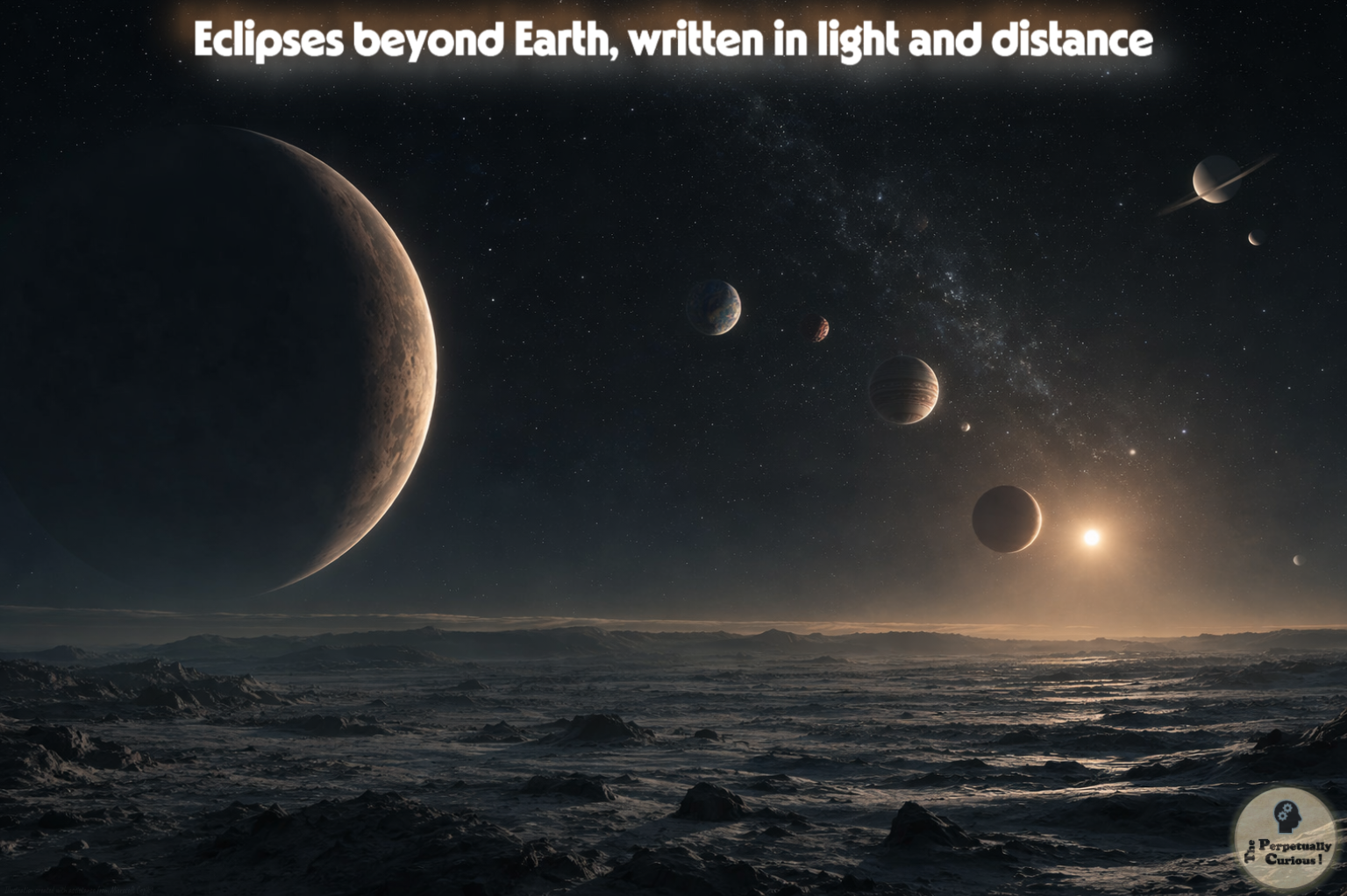
🌘 Eclipses Across the Solar System: When Shadows Travel
From section: How moons turn geometry into experienceHow moons turn geometry into experience Moons are the main shadow makers in this story.
- The Perpetually Curious! › Archives › Cosmic ExplorationArticle
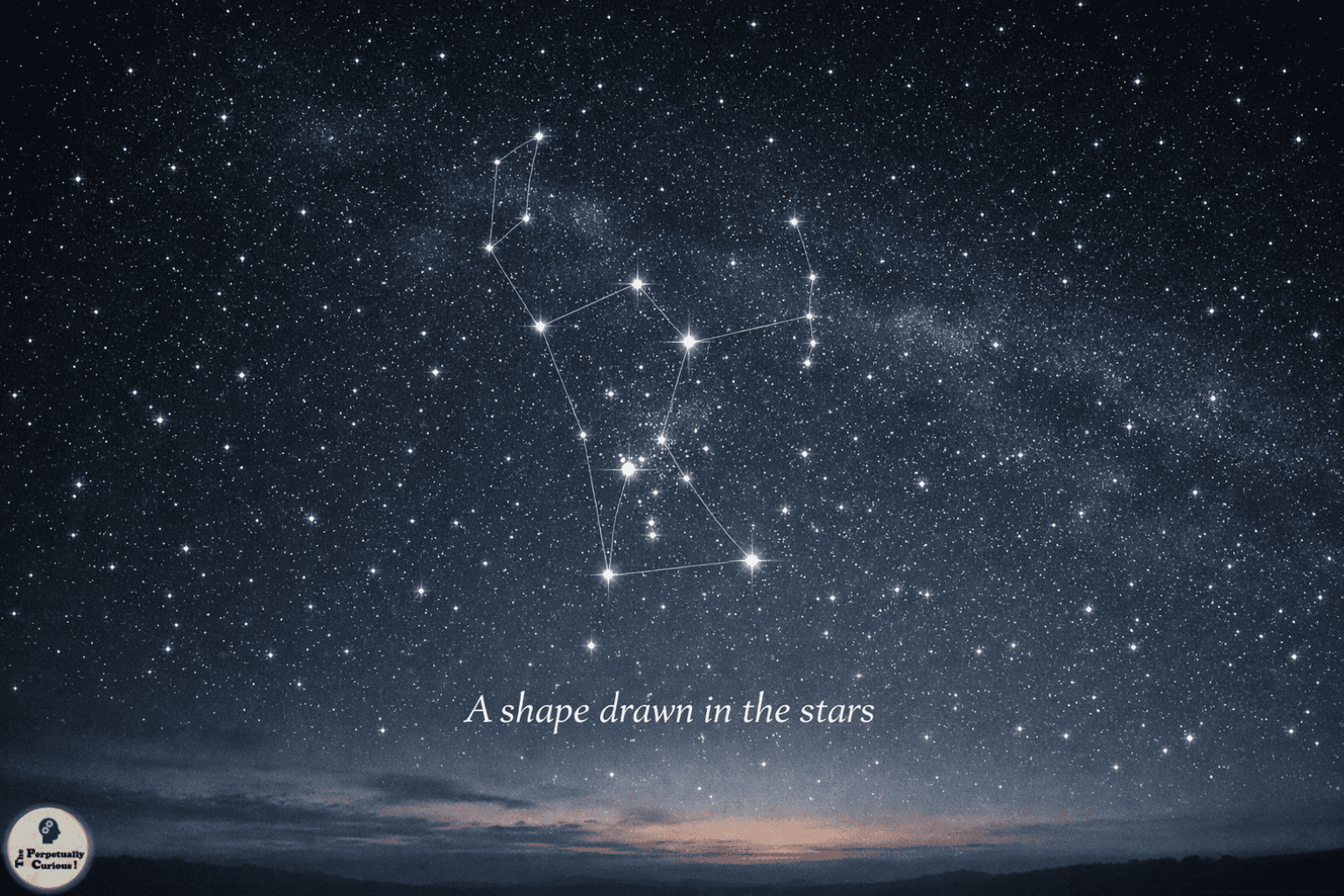
🌌 Constellations: How Star Patterns Help Us Find Our Way
From section: When scattered stars become a mapIn the same way, constellations turn a field of scattered light into a remembered frame.
- The Perpetually Curious! › Videos & Podcasts › Cosmic ExplorationPodcast
🌌 Planetary Names Explained: From Ancient Gods to Modern Science | Cosmic Exploration Series Podcast
In this episode, discover: ☿ Why fast-moving Mercury was associated with the messenger god ♀ Why brilliant Venus carries the name of the goddess of love and beauty 🌍 Why Earth's name comes from words meaning ground or soil ♂ Why red Mars became connected with the god of war ♃ Why massive Jupiter was named for the king…