Explore by topic, question, or idea. Find articles, reflections, videos, puzzles, and curiosity pathways gathered across the site.
Press Enter or select Search. A newly typed query starts globally; filters are applied only through the visible rail.
101 results for “when worlds shine why some planets outglow others in our night sky”
- The Perpetually Curious! › Archives › Cosmic ExplorationArticle
🌌 When Worlds Shine: Why Some Planets Outglow Others in Our Night Sky
The night sky often feels calm and timeless, yet the brightness of the planets tells a dynamic story of light, distance, geometry, and illumination. When Venus blazes in the evening or morning sky, it can appear almost unreal, while Mars, Jupiter, and Saturn each take turns as…
- The Perpetually Curious! › Archives › Cosmic ExplorationArticle
🔭 The Ten Largest Moons in Our Solar System: A Journey Through Worlds of Ice, Fire, and Hidden Oceans
The solar system is often introduced as a family of planets circling the Sun, yet some of its most remarkable landscapes belong to the moons that accompany those planets. These moons are not passive companions. They are worlds with their own histories, atmospheres, oceans, and internal heat.
- The Perpetually Curious! › Archives › Cosmic ExplorationArticle
🌍 Why Earth Has a Living Atmosphere
A Cosmic Story of Gravity, Distance, and the Long Evolution of Air 🔭 Opening the Question Every planet carries a story in the sky above it. Some worlds hold thick blankets of gas, others keep only a faint whisper, and many have none at all.
- The Perpetually Curious! › Archives › PhysicsArticle
Why Starlight Does Not Mix: How the Night Sky Keeps Each Star’s Signature Intact ✨🌌
Step outside on a clear night and look up. Light arrives from so many distant suns that the sky can feel like a single luminous fabric, stitched from countless journeys. It is natural to wonder what happens along the way.
- The Perpetually Curious! › Archives › PhysicsArticle
🌍 When Worlds Pull: Gravity Across the Planets and What It Reveals About Them
Gravity is the quiet sculptor of the cosmos. It shapes the paths of planets, guides the drift of moons, and anchors every step taken on the surface of a world. When we compare gravity across the Solar System, we begin to see how each planet carries its own gravitational signature.
- The Perpetually Curious! › Archives › Cosmic ExplorationArticle
When the Sky Falls: Extraordinary Precipitation Across Our Solar System 🌧️
Our journey begins with Earth's familiar rain, moves inward to Mercury's impossibility, then ventures outward through planets where precipitation ranges from the sulfuric acid storms of Venus to the diamond hail of distant giants, pauses at the dwarf planets marking our solar system's frontier, then explores the…
- The Perpetually Curious! › Archives › Planet EarthArticle
🌊 The Great Lakes: North America's Temporary Inland Seas
Picture yourself holding a glass of water in Chicago. That water contains a mixture of ages, with some molecules that fell as rain just years ago and others that have circulated through Lake Superior for nearly two centuries.
- The Perpetually Curious! › Archives › Planet EarthArticle
🌊 Harbor Wave, Ocean Pulse: The Science of Tsunamis from Seafloor to Shore
Some ocean hazards announce themselves with wind, foam, and a rising sky. A tsunami often does not. Far from shore, it may pass as a long, subtle lift, more like a slow breath than a breaking wave. Even the word “wave” can mislead, because a tsunami is not simply the surface…
- The Perpetually Curious! › Archives › Cosmic ExplorationArticle
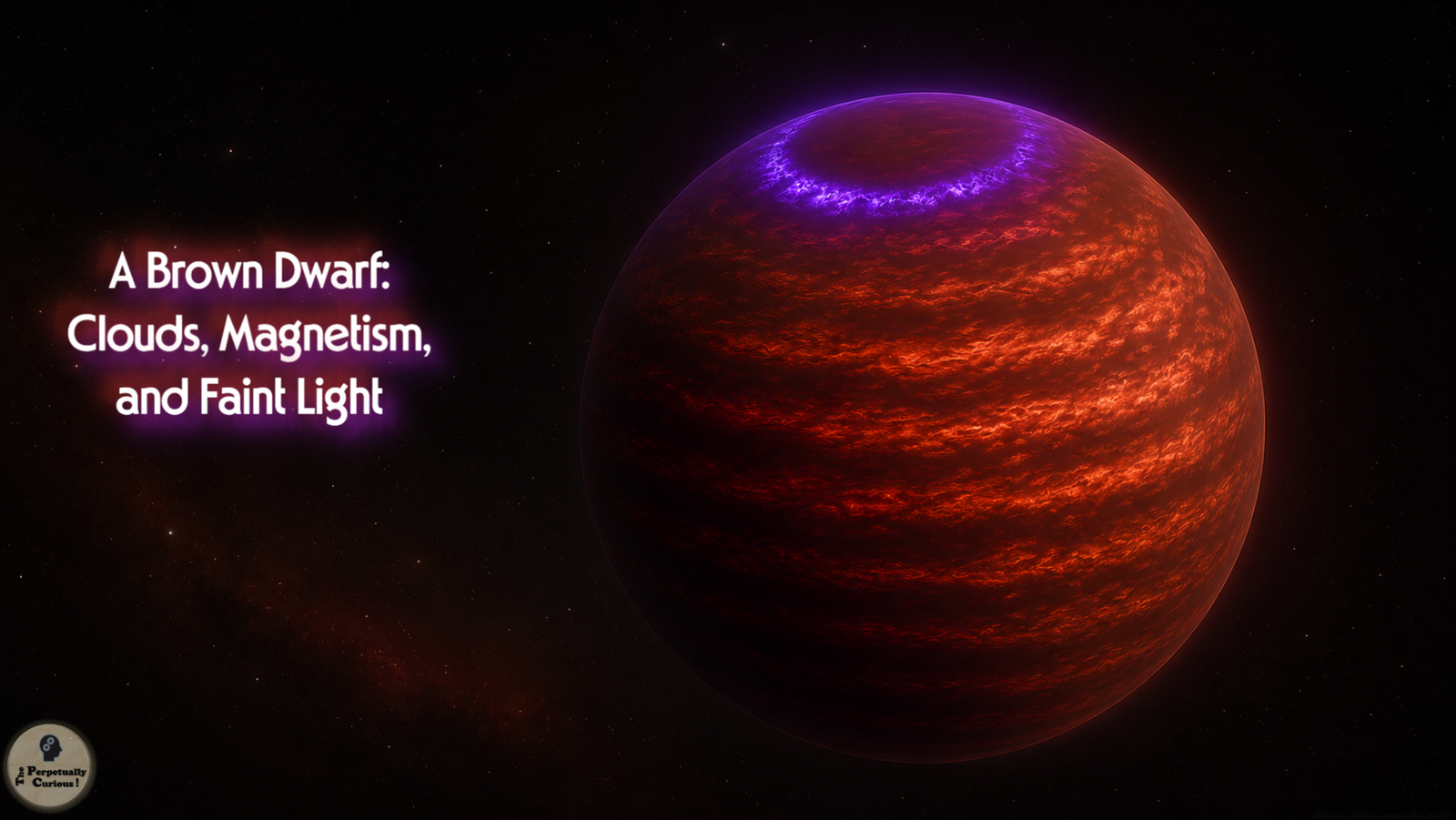
🌟 Brown Dwarfs: Why Stellar Ignition Never Takes Hold
They occupy the substellar region between giant planets and the smallest hydrogen-burning stars.
- The Perpetually Curious! › Archives › PhysicsArticle
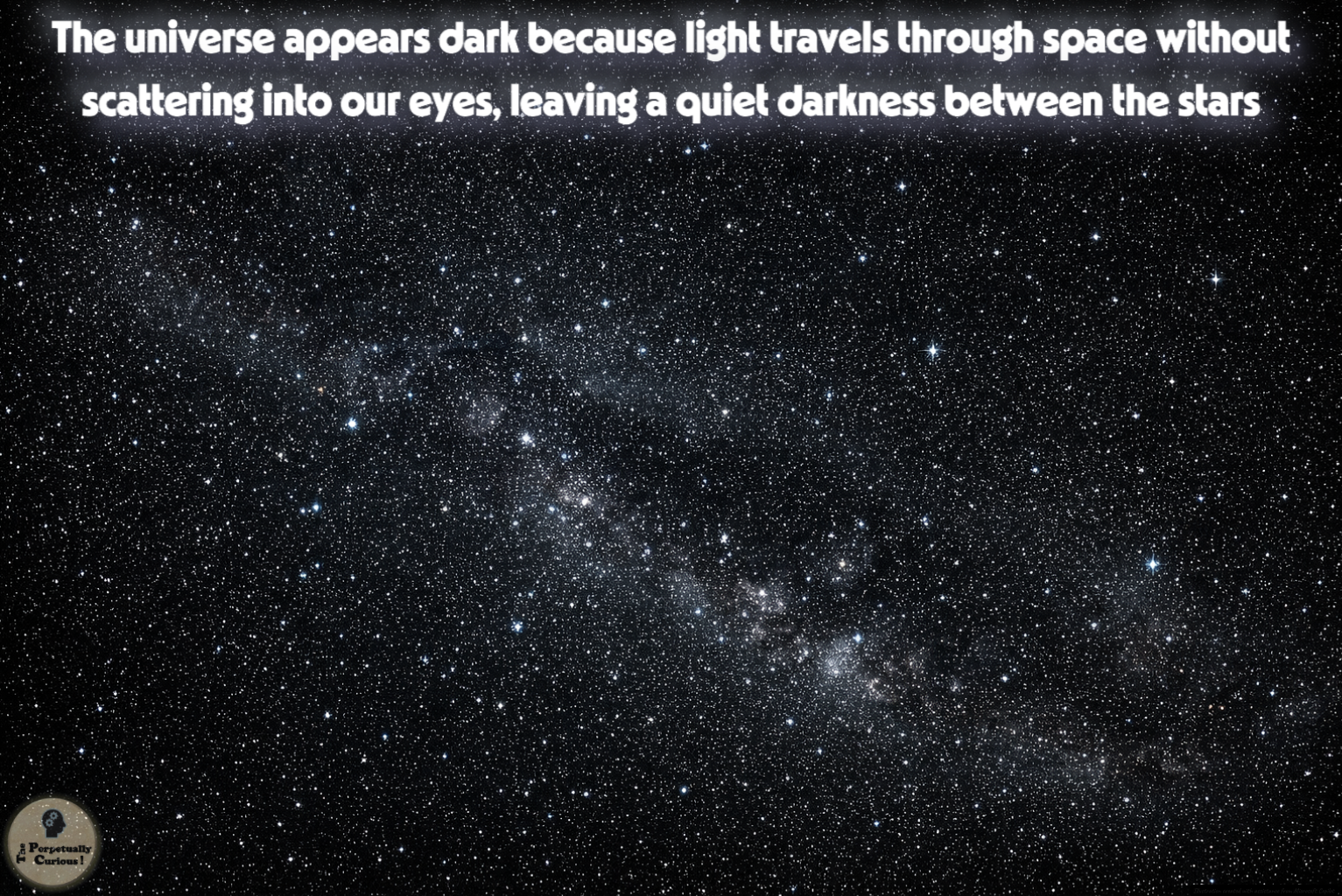
🌌 Why Space Looks Dark: Light, Matter, and the Quiet Cosmos
From section: Where the fuller cosmic question beginsIf stars fill the universe, one might wonder why their combined light does not make the night sky bright everywhere.