Explore by topic, question, or idea. Find articles, reflections, videos, puzzles, and curiosity pathways gathered across the site.
Press Enter or select Search. A newly typed query starts globally; filters are applied only through the visible rail.
101 results for “when worlds shine why some planets outglow others in our night sky”
- The Perpetually Curious! › Archives › Cosmic ExplorationArticle
🌌 When Stars Become Worlds: A Journey Through the Largest Stars We Know
The largest stars in the universe are not simply scaled-up versions of the Sun. They are vast, unstable, and luminous structures whose outer layers drift in slow, turbulent motion. Their atmospheres are so extended that the idea of a clear surface begins to dissolve into gradients of thinning gas.
- The Perpetually Curious! › Archives › PhysicsArticle
🔬 The Light That Sees Through You: How X-Rays Illuminate the Hidden World Within
He had shielded the glowing tube with heavy black cardboard to block all visible light, yet a barium platinocyanide screen positioned some distance across the darkened room had begun to glow entirely on its own, a phenomenon far too distant to be explained by the cathode rays he was studying.
- The Perpetually Curious! › Archives › Food & LifestyleArticle
When the World Begins Again: Humanity's Many New Years 🌍
The Many Midnights of Our World 🌏 The stroke of midnight on December 31st resonates across much of our modern world, yet this singular moment represents just one interpretation of renewal among dozens.
- The Perpetually Curious! › ArchivesArticle
👀 In View Today: A Daily Visual Gateway into Curiosity
From section: Where the view leadsOthers open toward living systems, distant places, human inventions, cultural practices, or patterns that become visible only when we slow down long enough to notice them.
- The Perpetually Curious! › Archives › Environment & SustainabilityArticle
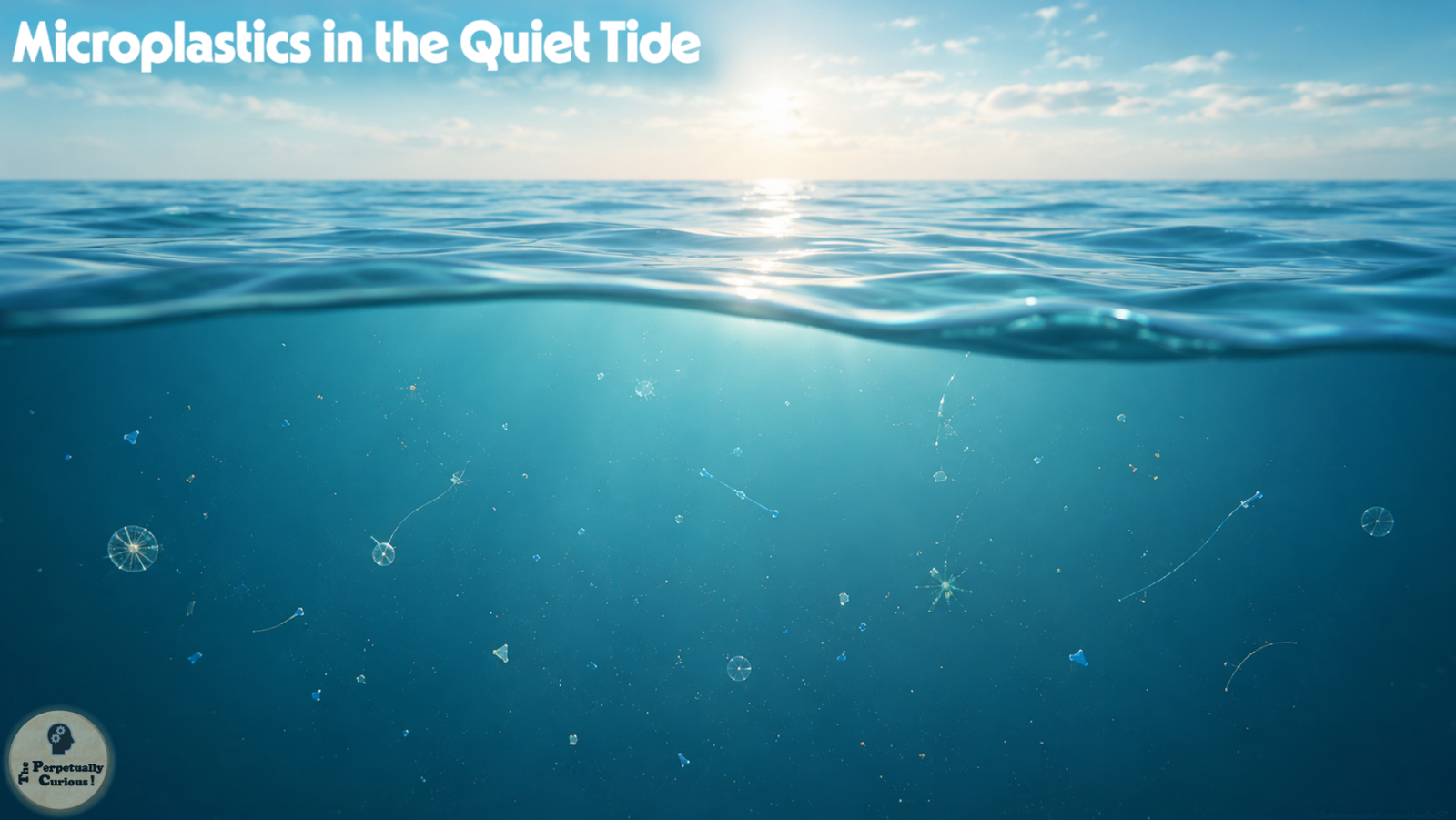
🌊 Microplastics in the Ocean: How Tiny Fragments Travel
Others mix downward, become coated with organic matter, or settle into sediment.
- The Perpetually Curious! › Archives › PhysicsArticle
The Cosmic Recipe: Understanding the Physical Criteria for Star Formation 🌟
From section: Opening the Cosmic Kitchen 🌌Like master chefs working with precise ingredients and conditions, the cosmos follows specific criteria to create these luminous beacons that light our night sky.Read more »
- The Perpetually Curious! › Archives › Planet EarthArticle
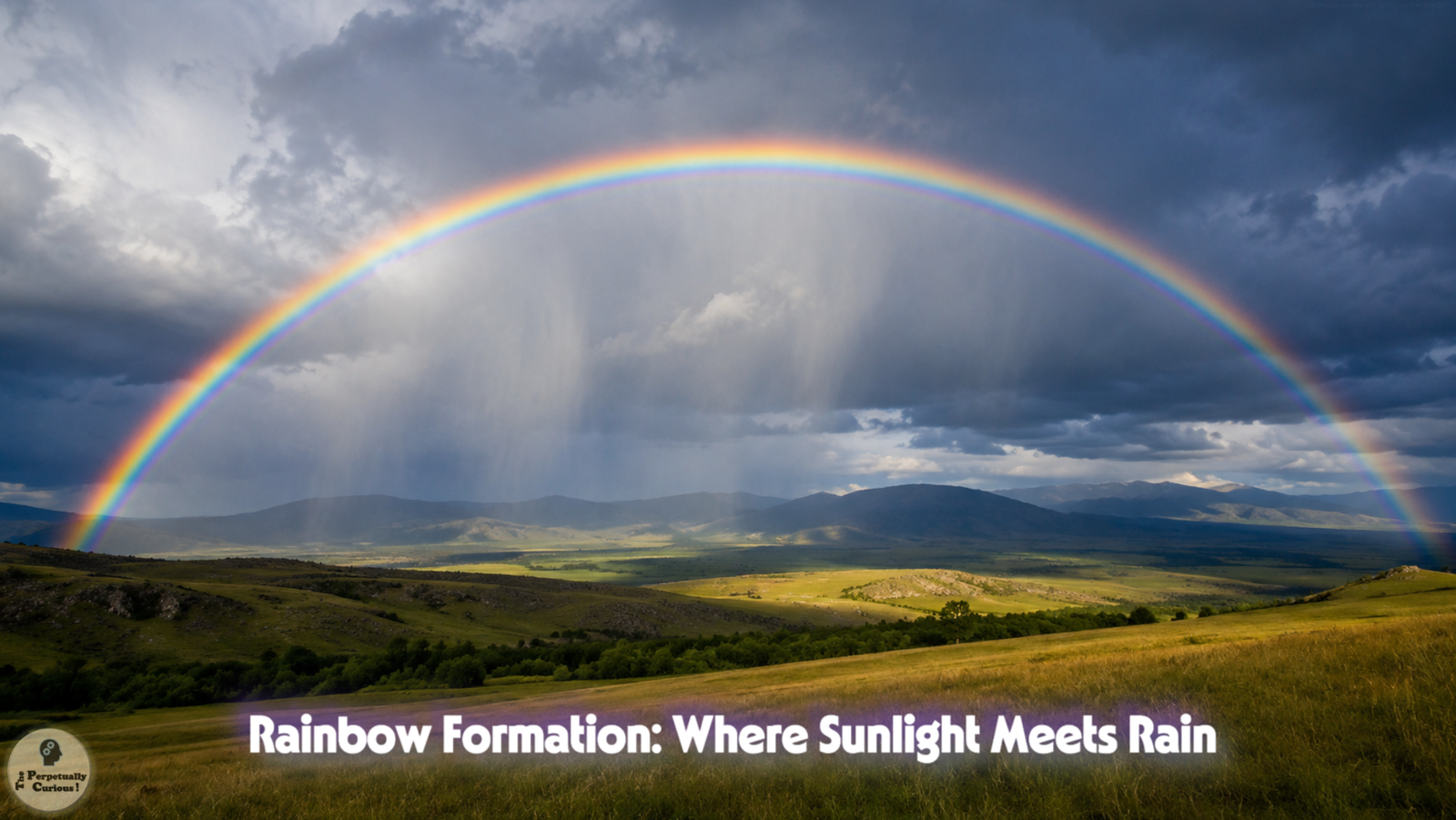
🌈 Rainbow Formation: Why Every Observer Sees a Different Arc
From section: Why the bow changes when you moveDroplets that once contributed fall away from the necessary angle, while others take their place.
- The Perpetually Curious! › Archives › Planet EarthArticle
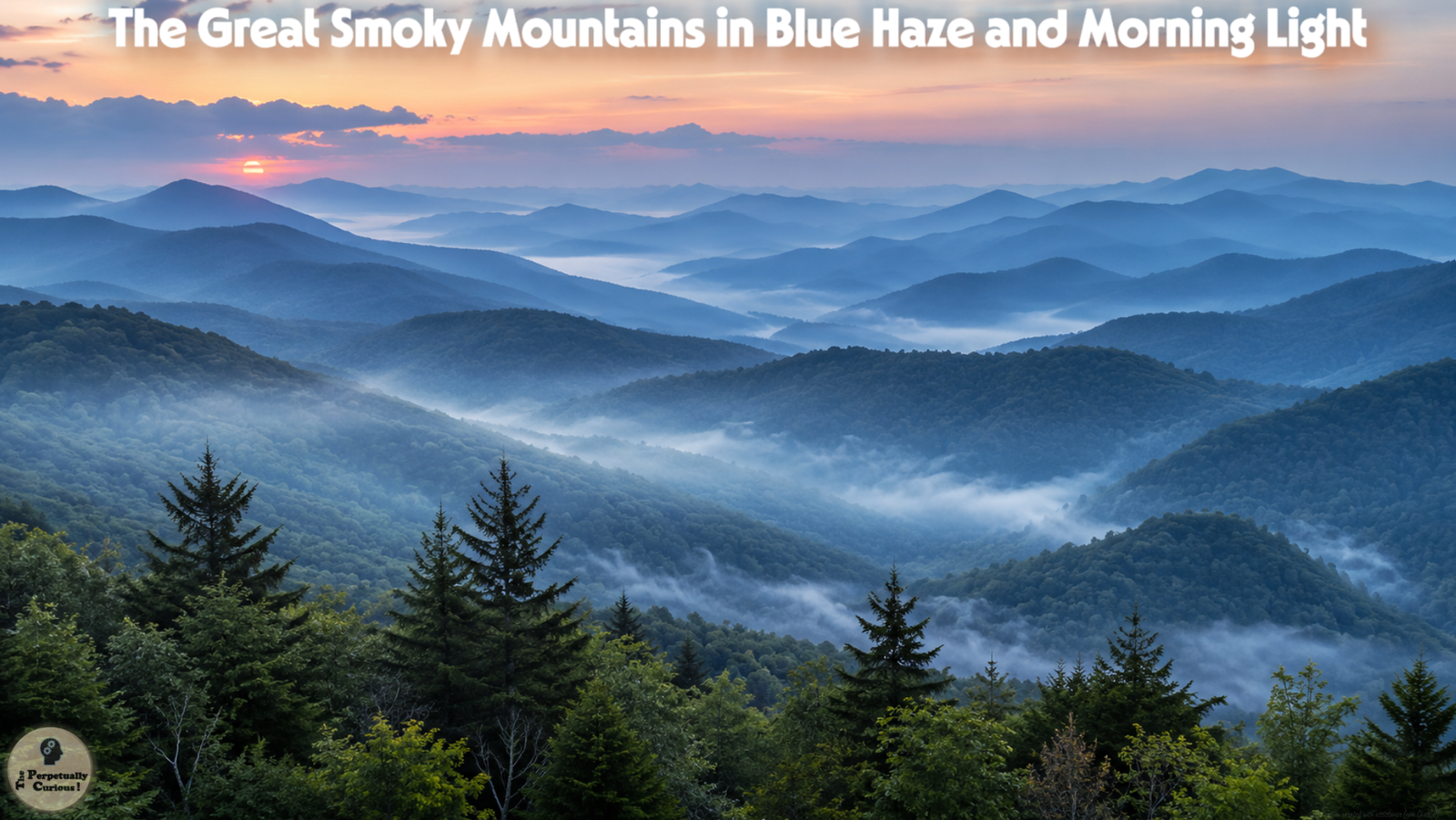
🌫️ Why the Great Smoky Mountains Fade into Blue Haze
From section: The forest helps make the hazeOnce these compounds enter the air, some react with oxygen and other atmospheric chemicals, contributing to extremely small organic particles that remain suspended as aerosols.
- The Perpetually Curious! › Archives › Cosmic ExplorationArticle
☀️ Solar Eclipses Explained: The Dance of Shadow and Light
Solar eclipses are among the most captivating events in the sky. They reveal how a rare alignment of Sun, Moon, and Earth can transform the ordinary daylight landscape into something unfamiliar and striking. Daylight softens, shadows sharpen, and the familiar world takes on a new character.
- The Perpetually Curious! › Archives › Biology & HealthArticle
The Neural Symphony: How Your Brain's Diverse Neurons Orchestrate Human Experience 🧠
Picture a single neuron firing in your brain right now. This microscopic spark, lasting mere milliseconds, joins billions of others in an intricate dance that creates every thought, feeling, and sensation you experience.