Explore by topic, question, or idea. Find articles, reflections, videos, puzzles, and curiosity pathways gathered across the site.
Press Enter or select Search. A newly typed query starts globally; filters are applied only through the visible rail.
101 results for “when worlds shine why some planets outglow others in our night sky”
- The Perpetually Curious! › Archives › Engineering & TechnologyArticle
✈️ The Engineering Mastery Behind Airplane Washrooms: Innovation and Sustainability at High Altitudes
From section: ❓ FAQDo airplane toilets dump waste in the sky? No. Airplane toilets store all waste in secure, leak‑proof holding tanks. These tanks are emptied only after landing by trained ground crews following strict hygiene and environmental standards.
- The Perpetually Curious! › Archives › Planet EarthArticle
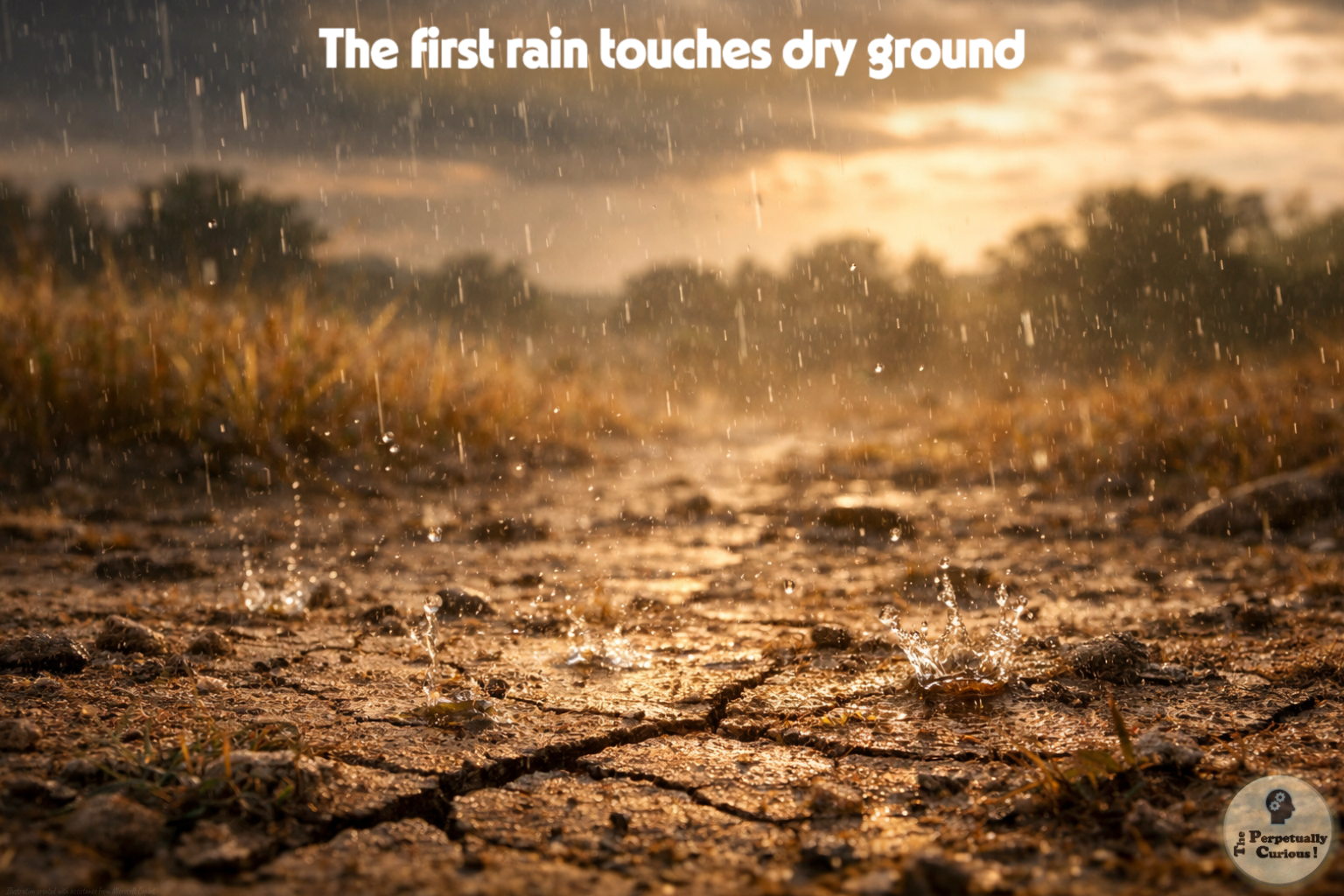
🌧️ Petrichor: How First Rain Lifts Earth’s Hidden Scent
From section: Why the scent changes from place to placeThe larger version on our main site keeps the wider landscape intact, including the naming of petrichor, microbial chemistry, cultural language, storm ozone, regional soils, and the question of why Earth’s rain has no true twin on other worlds.
- The Perpetually Curious! › Archives › Planet EarthArticle
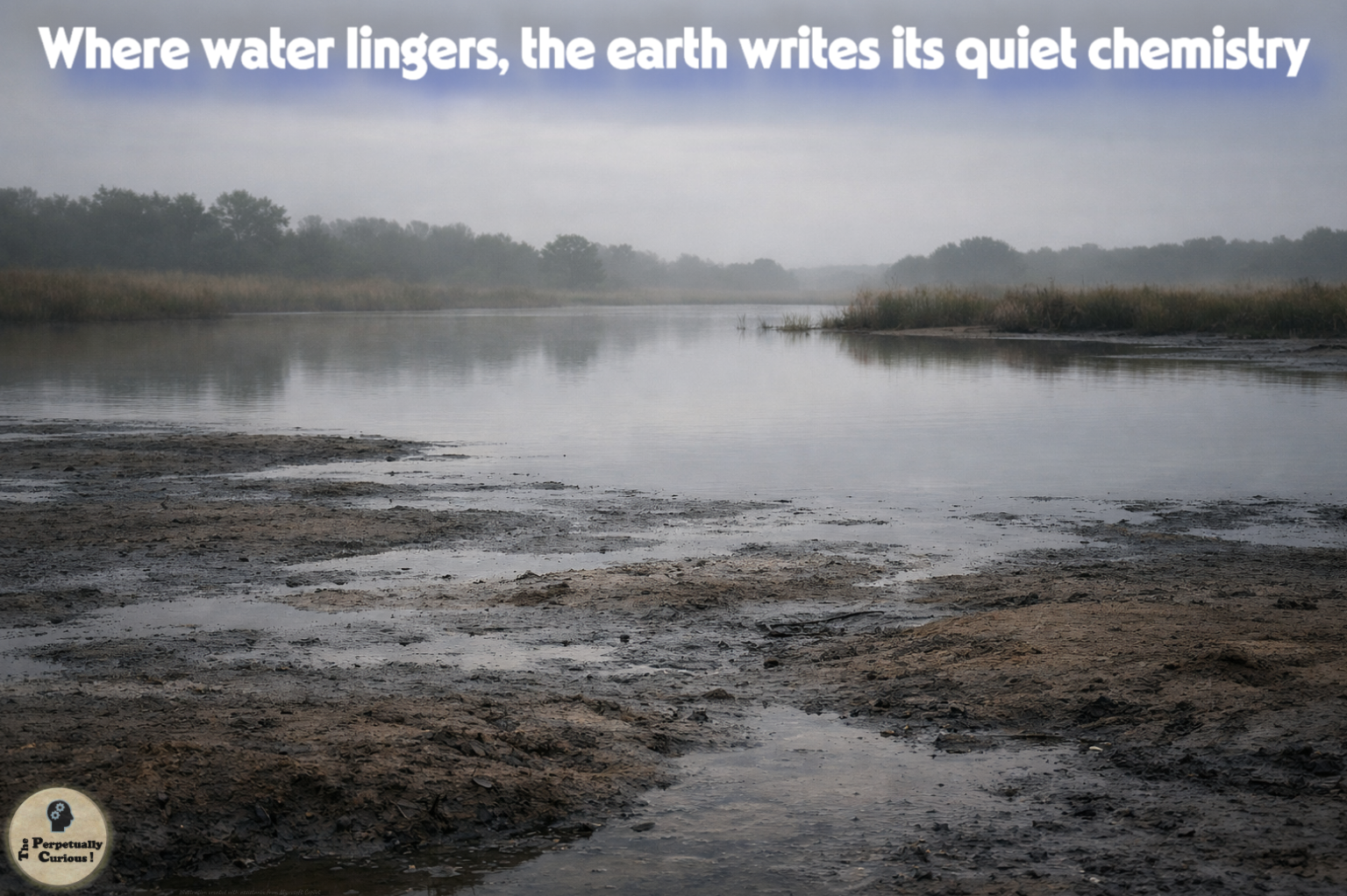
🌍 Why Mud Is Brown or Black: What Wet Soil Reveals
From section: What wet ground does to colorIn some wet coastal or sulfate-rich settings, sulfide can combine with dissolved iron and help produce black iron sulfide phases.
- The Perpetually Curious! › Archives › Planet EarthArticle
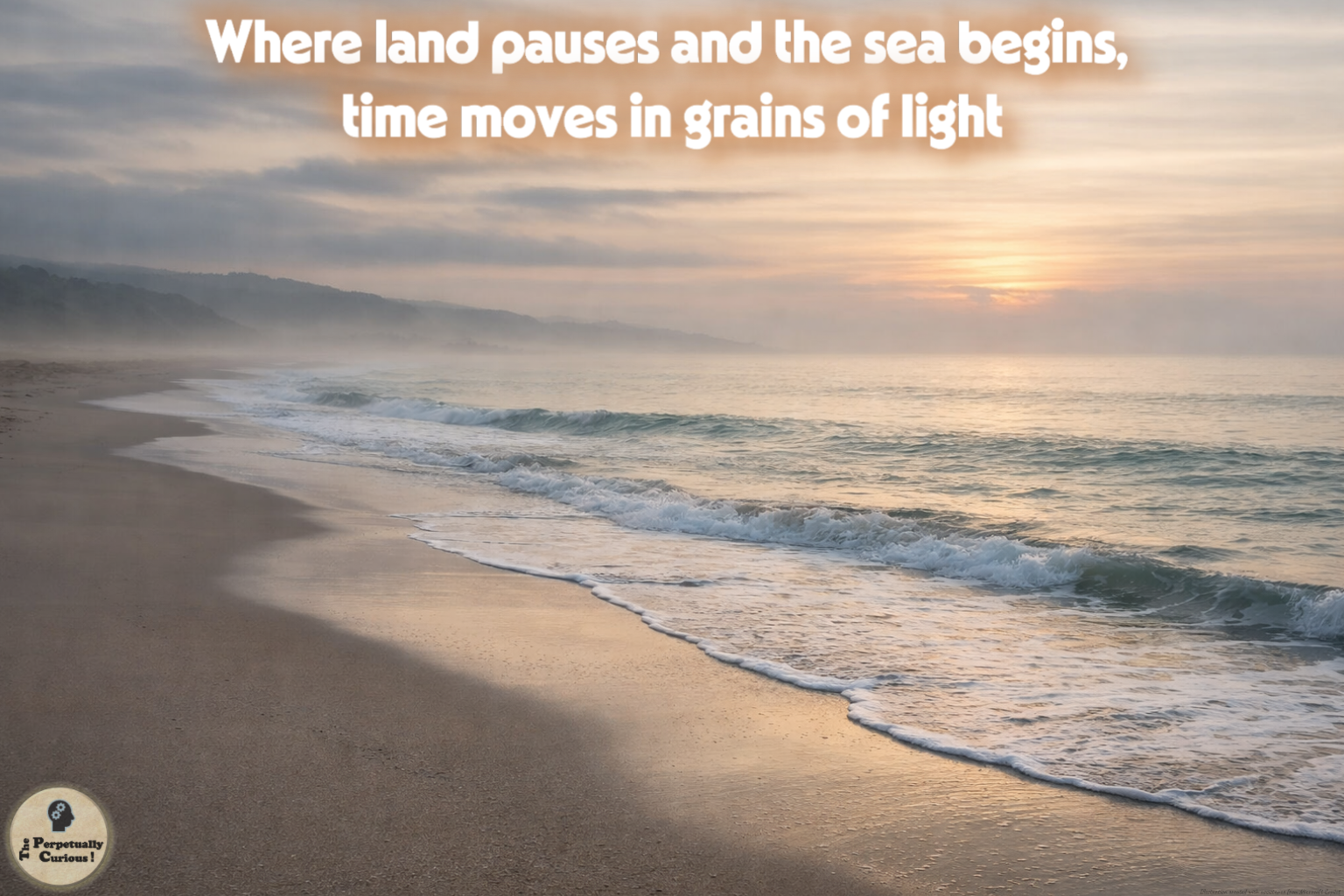
🌊 Why Beaches Have Sand
In some regions, coastal cliffs add additional material.
- The Perpetually Curious! › Archives › Cosmic ExplorationArticle
The Moon's Ancient Dance: Understanding Lunar Phases Through Science and Story 🌙
Every approximately 29.5 days, Earth’s sole natural satellite completes a shape-shifting performance that has captivated humanity since our species first gazed skyward.
- The Perpetually Curious! › Archives › Planet EarthArticle
🌊 Underwater Sound: How Echoes Measure Distance
From the surface, the sea can look like a broad sheet of blue, but its hidden spaces are easier to sense with sound than with sight. Underwater sound moves as pressure waves, crossing water far more effectively than ordinary vision can cross depth.
- The Perpetually Curious! › Archives › Botanical WondersArticle
The Banyan Tree: Nature's Living Cathedral 🌳
Opening: Where One Becomes Many In the botanical world, few organisms challenge our understanding of individuality quite like the banyan tree. Ficus benghalensis, as scientists know it, can begin life as an epiphyte germinating in the branches of another tree, though it can also…
- The Perpetually Curious! › Archives › Environment & SustainabilityArticle
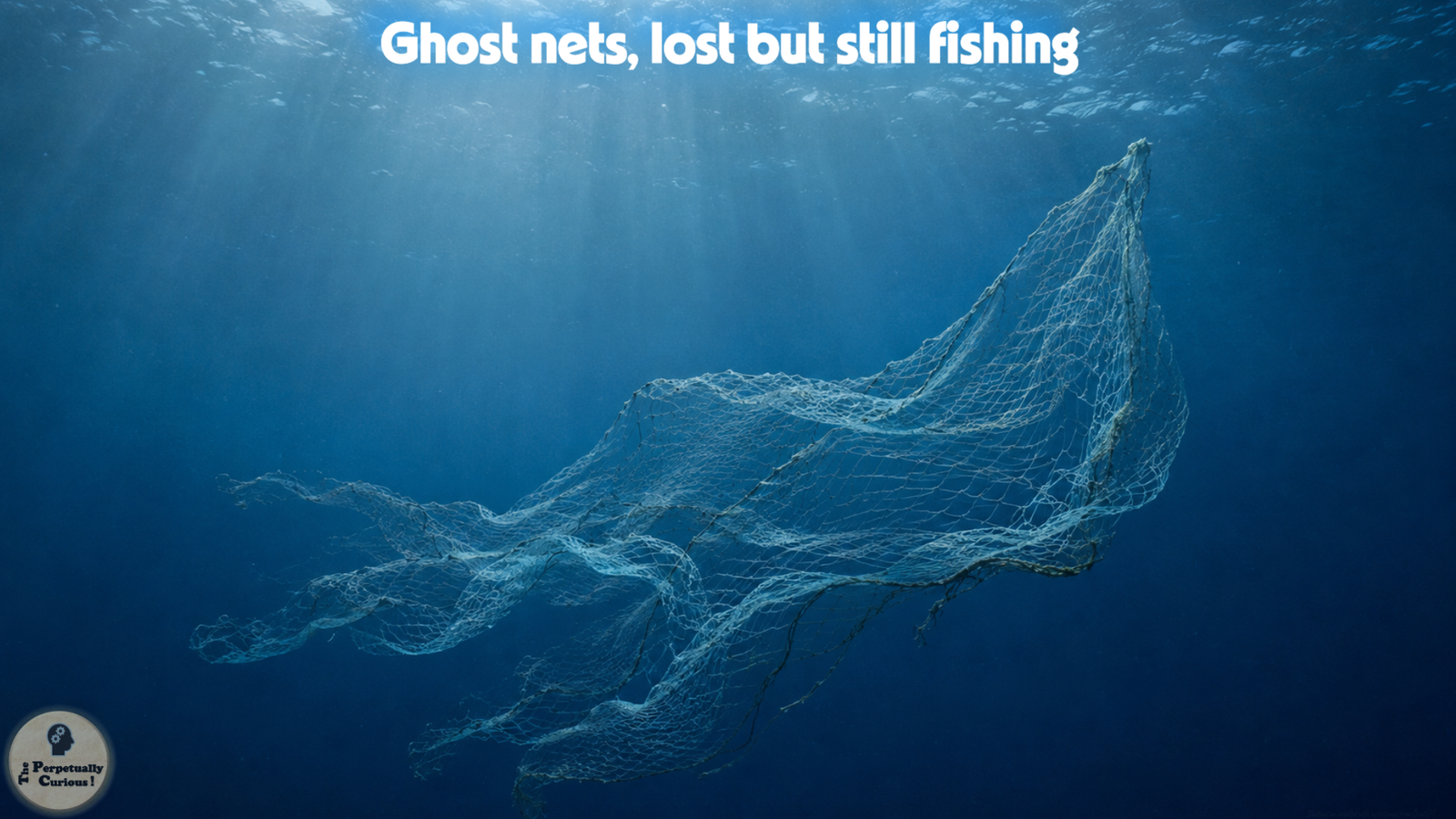
🕸️ Ghost Nets: Silent Killers Threatening Our Oceans and Reefs
🌊 Beneath the calm surface of the ocean, a hidden danger can keep moving long after people lose sight of it: ghost nets. These abandoned, lost, or discarded fishing nets may drift through open water, settle on reefs, tangle with other debris, or remain suspended where marine…
- The Perpetually Curious! › Archives › Botanical WondersArticle
🌲 The Wood Wide Web: How Trees Whisper Beneath Our Feet
When you walk through a forest, you might first notice the crunch of leaves underfoot, the shafts of sunlight filtering through the canopy, or the rich scent of earth in the air. Yet beneath your feet lies another world, an unseen network as alive and dynamic as any city.
- The Perpetually Curious! › Archives › Cosmic ExplorationArticle
The Asteroid Belt: Ancient Fragments of Our Solar System's Story 🌌
On New Year's Day 1801, Italian astronomer Giuseppe Piazzi made a discovery that would transform our understanding of the solar system. While searching for a suspected planet between Mars and Jupiter, he found something else entirely: the first of millions of rocky fragments…