Explore by topic, question, or idea. Find articles, reflections, videos, puzzles, and curiosity pathways gathered across the site.
Press Enter or select Search. A newly typed query starts globally; filters are applied only through the visible rail.
9 results for “when worlds shine why some planets outglow others in our night sky”
- The Perpetually Curious! › Archives › PhysicsArticle
Why Starlight Does Not Mix: How the Night Sky Keeps Each Star’s Signature Intact ✨🌌
Step outside on a clear night and look up. Light arrives from so many distant suns that the sky can feel like a single luminous fabric, stitched from countless journeys. It is natural to wonder what happens along the way.
- The Perpetually Curious! › Archives › PhysicsArticle
🌍 When Worlds Pull: Gravity Across the Planets and What It Reveals About Them
Gravity is the quiet sculptor of the cosmos. It shapes the paths of planets, guides the drift of moons, and anchors every step taken on the surface of a world. When we compare gravity across the Solar System, we begin to see how each planet carries its own gravitational signature.
- The Perpetually Curious! › Archives › PhysicsArticle
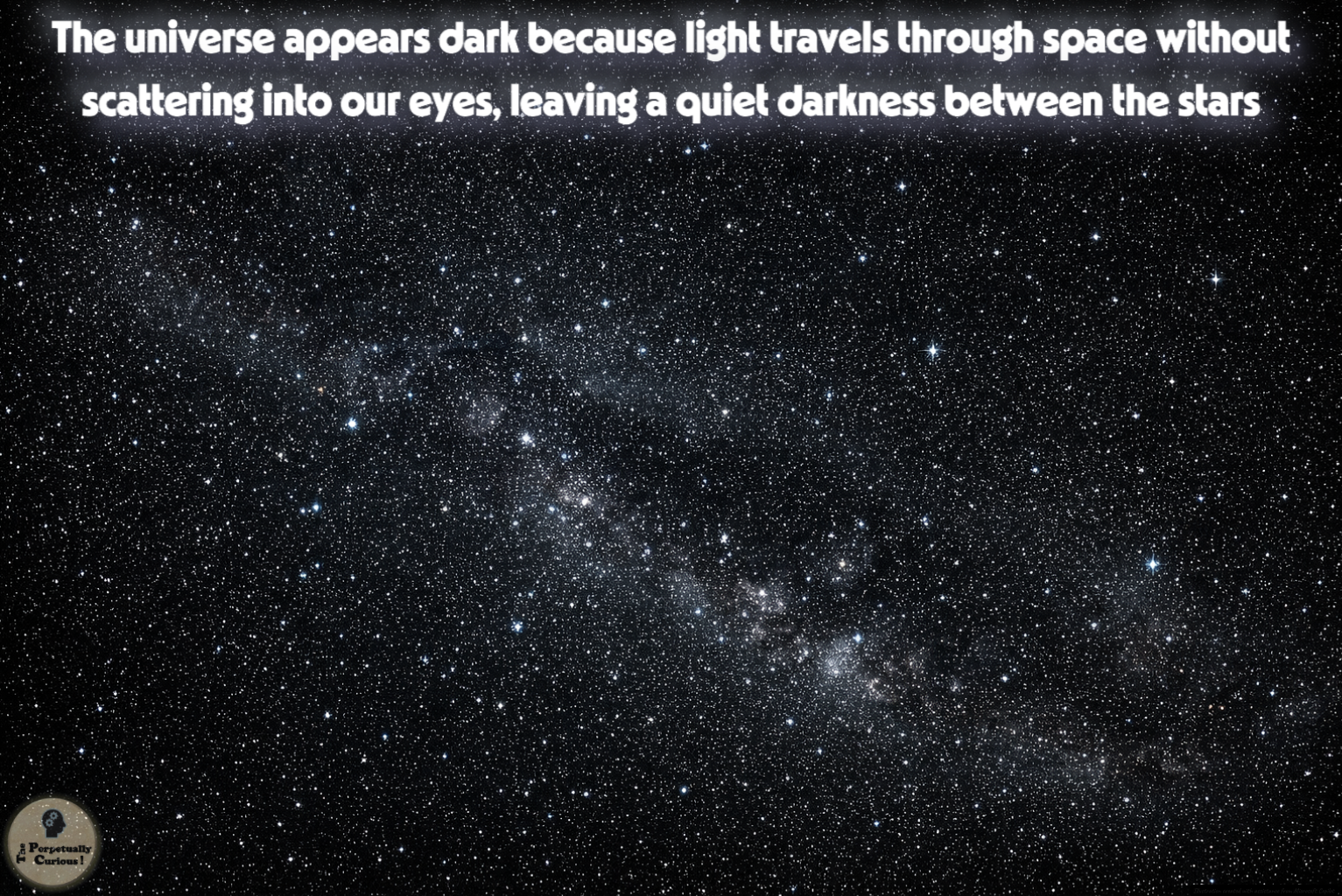
🌌 Why Space Looks Dark: Light, Matter, and the Quiet Cosmos
From section: Where the fuller cosmic question beginsIf stars fill the universe, one might wonder why their combined light does not make the night sky bright everywhere.
- The Perpetually Curious! › Archives › PhysicsArticle
🌫️ How Radar Listens to the Sky: The Quiet Science Behind the Sweep
A radar dish turning slowly against the horizon often feels like a quiet sentinel, listening for stories carried on invisible waves. Although the technology is rooted in physics and engineering, its practice has a quiet elegance, as radar sends brief pulses of energy into the…
- The Perpetually Curious! › Archives › PhysicsArticle
🔬 The Light That Sees Through You: How X-Rays Illuminate the Hidden World Within
He had shielded the glowing tube with heavy black cardboard to block all visible light, yet a barium platinocyanide screen positioned some distance across the darkened room had begun to glow entirely on its own, a phenomenon far too distant to be explained by the cathode rays he was studying.
- The Perpetually Curious! › Archives › PhysicsArticle
The Cosmic Recipe: Understanding the Physical Criteria for Star Formation 🌟
From section: Opening the Cosmic Kitchen 🌌Like master chefs working with precise ingredients and conditions, the cosmos follows specific criteria to create these luminous beacons that light our night sky.Read more »
- The Perpetually Curious! › Archives › PhysicsArticle
🚀⚡ Pioneering Power in Deep Space: The Essential Role of Radioisotope Thermoelectric Generators (RTGs)
Far beyond the reach of strong sunlight, some of humanity’s greatest explorers rely on one of the most dependable power sources ever built: Radioisotope Thermoelectric Generators (RTGs).
- The Perpetually Curious! › Archives › PhysicsArticle
✨ Clean Chemistry: The Curious Physics Behind Soap Bubbles
From section: 💡 Foam: Function, Feel, and LimitsFoam can also hold some loosened particles, although most grease removal comes from surfactant action at oil-water interfaces and from micellar solubilization in the liquid phase.
- The Perpetually Curious! › Archives › PhysicsArticle
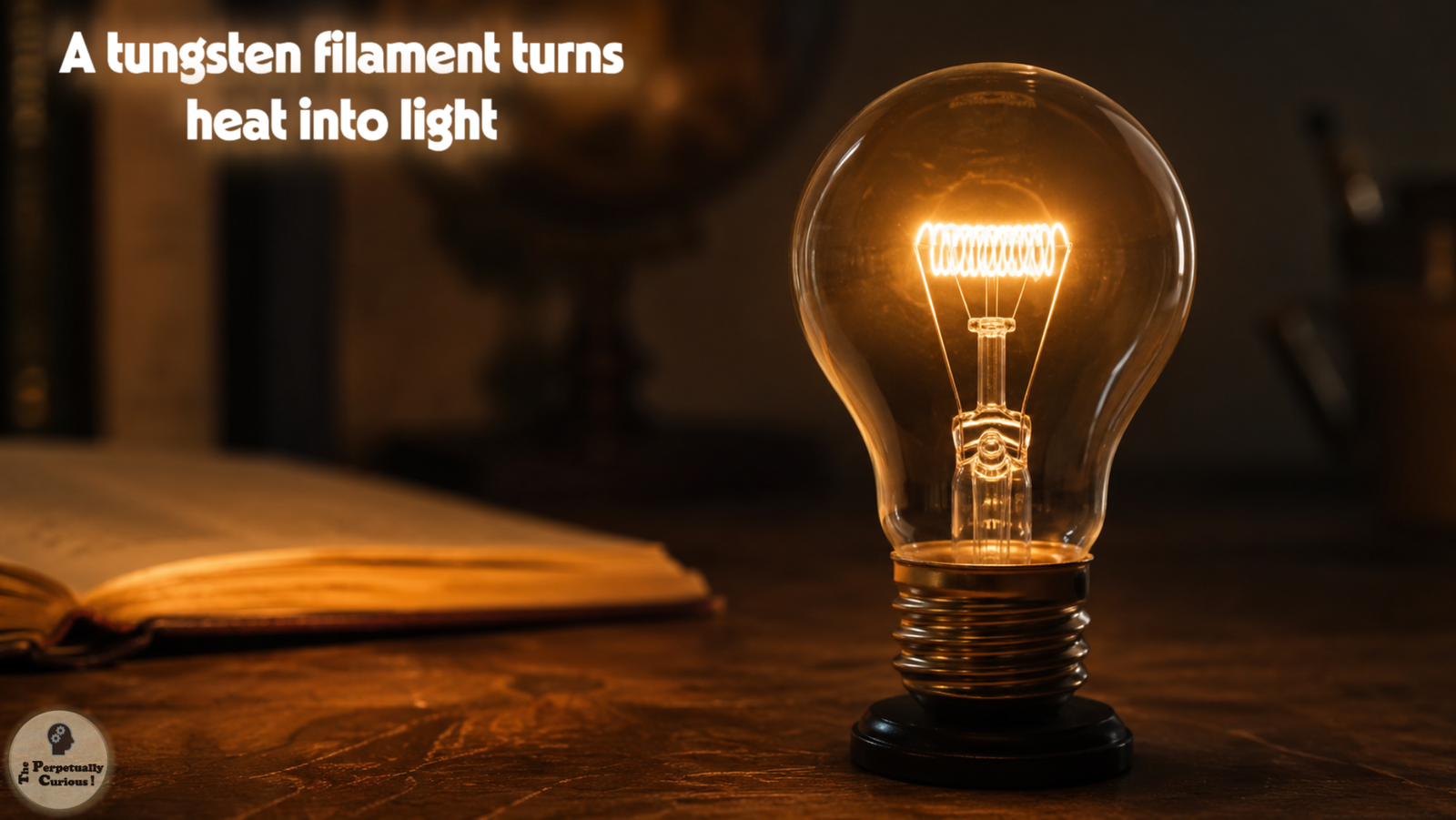
💡 How an Incandescent Filament Turns Resistance into Warm Light
From section: Why the glow remains warmIt is inseparable from the mechanism that makes the filament shine.