Explore by topic, question, or idea. Find articles, reflections, videos, puzzles, and curiosity pathways gathered across the site.
Press Enter or select Search. A newly typed query starts globally; filters are applied only through the visible rail.
105 results for “where earth creatures to quiet ink”
- The Perpetually Curious! › Archives › Wilderness & Homestead CreaturesArticle
🦩 Why Do Flamingos Stand on One Leg? The Science Behind Their Iconic Pose
Flamingos are instantly recognizable for their vivid pink plumage, long slender legs, and graceful presence in shallow lakes and lagoons. Among their most distinctive traits is the habit of standing on one leg, a posture that often appears serene and effortless. This behavior is…
- The Perpetually Curious! › Archives › Wilderness & Homestead CreaturesArticle
🦈 Sharks’ Multisensory Brilliance: Precision Hunting Beneath the Waves
💡 Did you know sharks, such as the great white, have adaptations that protect their eyes during predation, a key defensive mechanism? Many sharks have a nictitating membrane, a protective third eyelid that shields the eye while still allowing limited vision.
- The Perpetually Curious! › Archives › Wilderness & Homestead CreaturesArticle
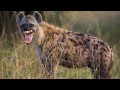
🐾 The Hyena Paradox: Power, Care, and Clan Life in Africa’s Night
🐾 Is a hyena a ruthless predator or a caring mother? The answer is both, and more. As the moon rises over the African plains, hyena calls slice through the night, announcing not just a scavenger, but a masterful hunter and a devoted clan member.
- The Perpetually Curious! › Archives › Wilderness & Homestead CreaturesArticle
🐕 The Science and Wonder of Dog Crossbreeds: Understanding Genetic Diversity in Our Canine Companions
Over the past two decades, crossbreed dogs have transformed from occasional accidents to intentional breeding efforts, with these crosses now sought after through reputable breeders and established programs in many markets.
- The Perpetually Curious! › Archives › Food & LifestyleArticle
🍯 Liquid Gold: The Timeless Science and Wonder of Honey
🌻 Opening: The Ancient Sweetness In 1922, when archaeologists cracked open King Tutankhamun's tomb, they discovered ceramic jars containing honey among the treasures, still recognizable after three millennia though darkened with age. This wasn't merely preservation; it was alchemy.
- The Perpetually Curious! › Archives › Food & LifestyleArticle
The Tale of Two Proteins: Understanding the A1 and A2 Milk Distinction 🥛
In the vast landscape of dairy choices that line our grocery shelves, a particular distinction has captured the attention of health-conscious consumers and dairy scientists alike. The difference between A1 and A2 milk represents a fascinating intersection of genetics, nutrition…
- The Perpetually Curious! › Archives › PhysicsArticle
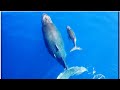
🐋 How Do Whales Float? The Science of Buoyancy Beneath the Waves
Whales are the giants of the ocean, with blue whales reaching up to 200 tons. Yet they move through the water with surprising grace. If you have ever wondered how such colossal animals manage to float, sink, and swim so smoothly, the answer lies in the fascinating blend of…
- The Perpetually Curious! › Archives › Cosmic ExplorationArticle
💫 When Galaxies Feast: The Quiet Art of Cosmic Cannibalism
Galaxies often appear serene when viewed from a distance, as if they drift through the universe in gentle isolation. Yet their histories are shaped by encounters that unfold over immense spans of time. These encounters are not always dramatic or violent.
- The Perpetually Curious! › Archives › Cosmic ExplorationArticle
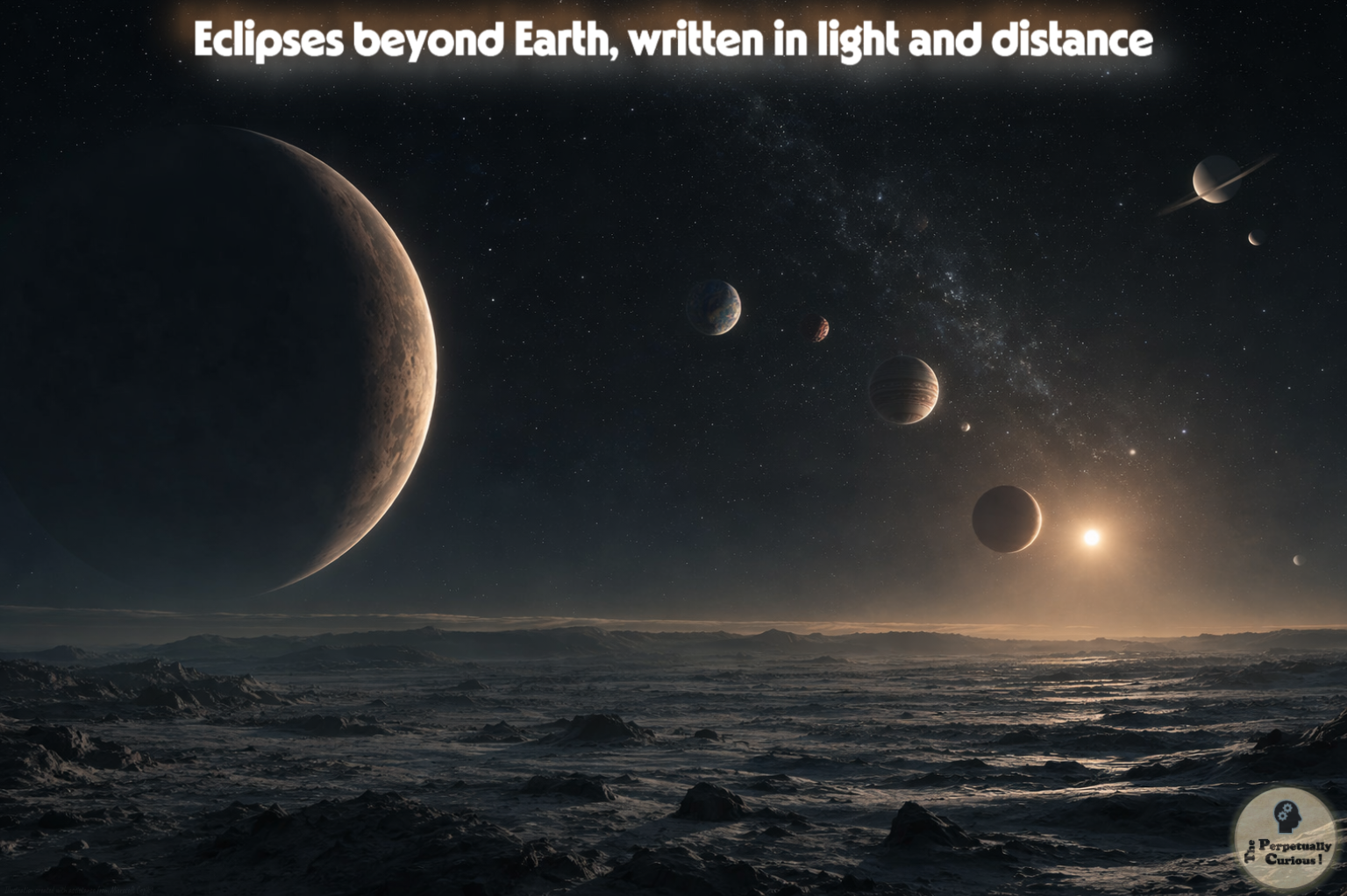
🌘 Eclipses Across the Solar System: When Shadows Travel
An eclipse can feel like a rare celestial exception, but the underlying arrangement is simple. A light source shines, one world blocks that light, and another surface receives the shadow. On Earth, the Sun, Moon, and our planet create the examples we know best.
- The Perpetually Curious! › Archives › Planet EarthArticle
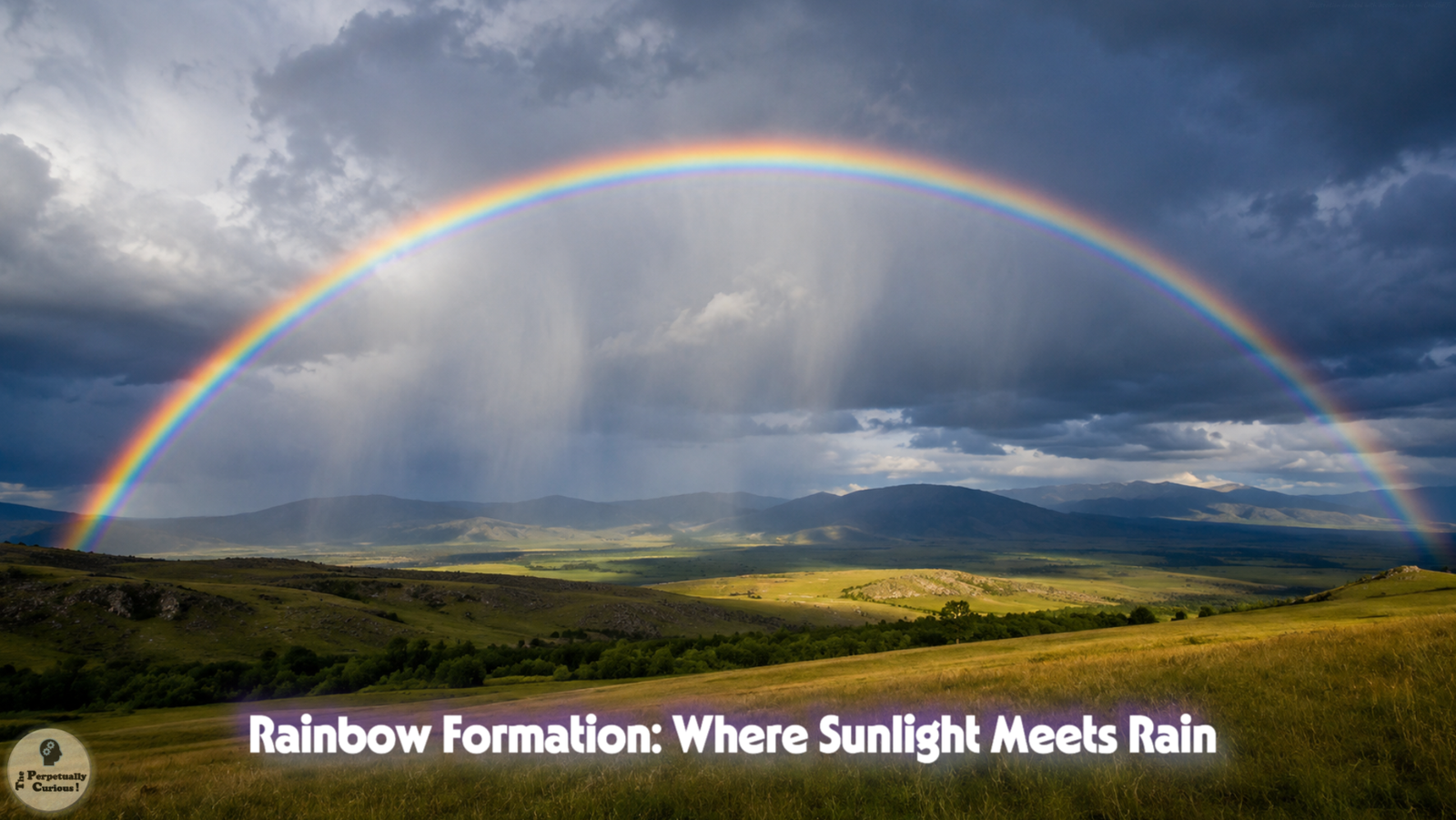
🌈 Rainbow Formation: Why Every Observer Sees a Different Arc
A rainbow can look like a colored bridge resting on a distant valley, field, or line of trees. Yet the arc is not anchored to that landscape. It is assembled for a particular observer by a particular set of illuminated water droplets.