Explore by topic, question, or idea. Find articles, reflections, videos, puzzles, and curiosity pathways gathered across the site.
Press Enter or select Search. A newly typed query starts globally; filters are applied only through the visible rail.
43 results for “where the wild paths divide wolves foxes and jackals in the dog family”
- The Perpetually Curious! › Archives › Wilderness & Homestead CreaturesArticle
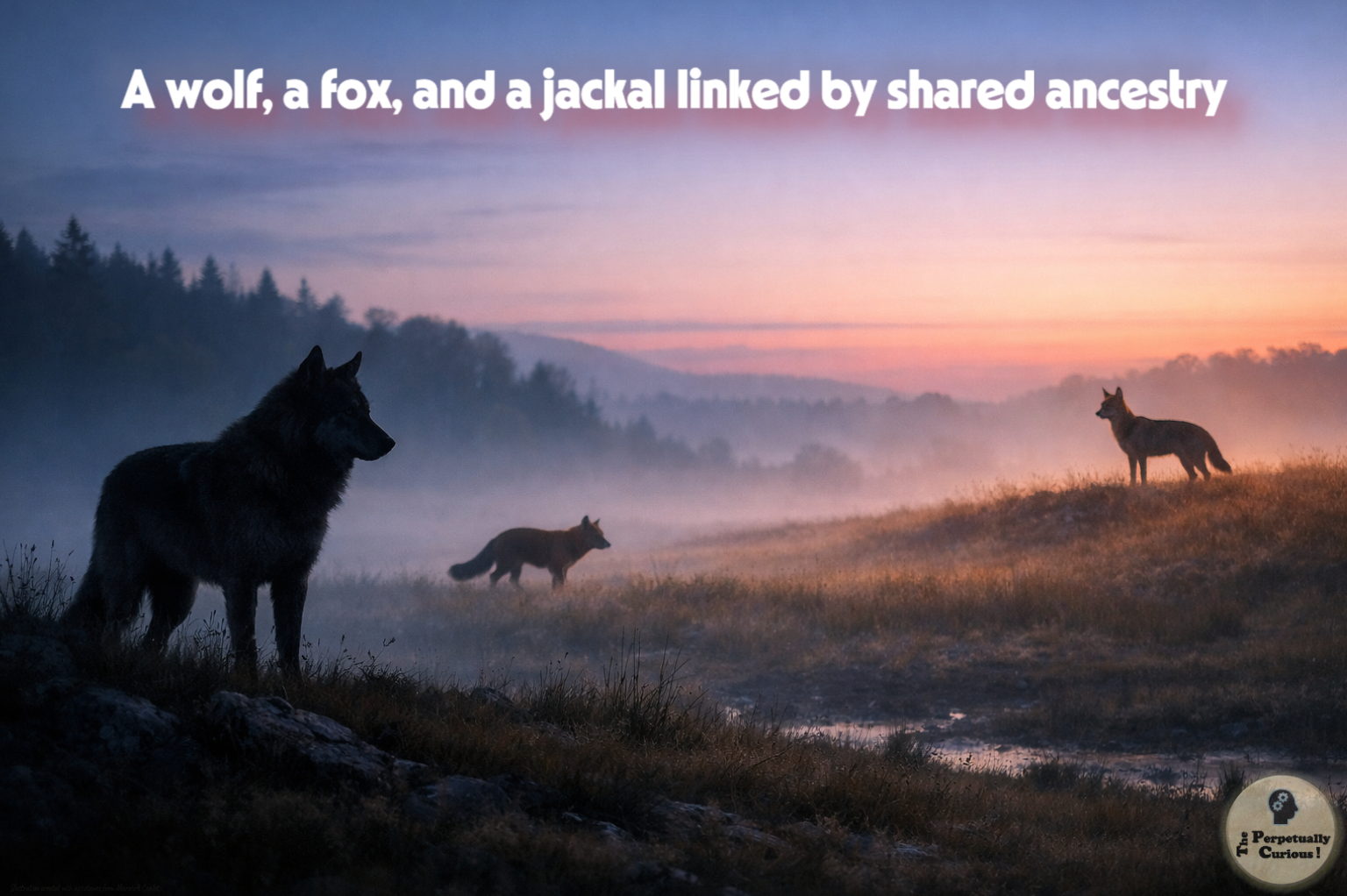
🐾 Wolves, Foxes, and Jackals: One Family, Many Survival Paths
From section: Scent, motion, and the logic of placeThe larger version on our main site keeps the wider landscape intact, following wolves, foxes, and jackals through their separate ecological paths without reducing them to one simple comparison.
- The Perpetually Curious! › Archives › Wilderness & Homestead CreaturesArticle
🐻 Eight faces of the bear: A journey through the Ursidae family
Eight species, one family, countless stories of survival and symbolism 🌍 Introduction Bears have always loomed large in our imagination. They are the shaggy giants of fairy tales, the fierce guardians of wilderness, and the quiet foragers who slip through forests when no one is watching.
- The Perpetually Curious! › Archives › Botanical WondersArticle
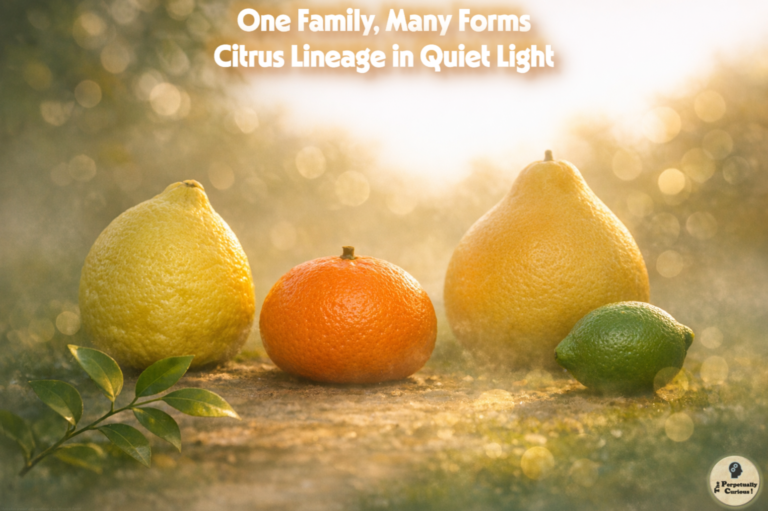
🍊 Citrus Family Tree: How Ancient Lineages Became Familiar Fruits
A fruit bowl can make oranges, lemons, limes, mandarins, and grapefruit look like separate botanical inventions. Their colors, flavors, and shapes seem distinct enough to suggest separate origins. The citrus family is more intertwined than that.
- The Perpetually Curious! › Archives › Wilderness & Homestead CreaturesArticle
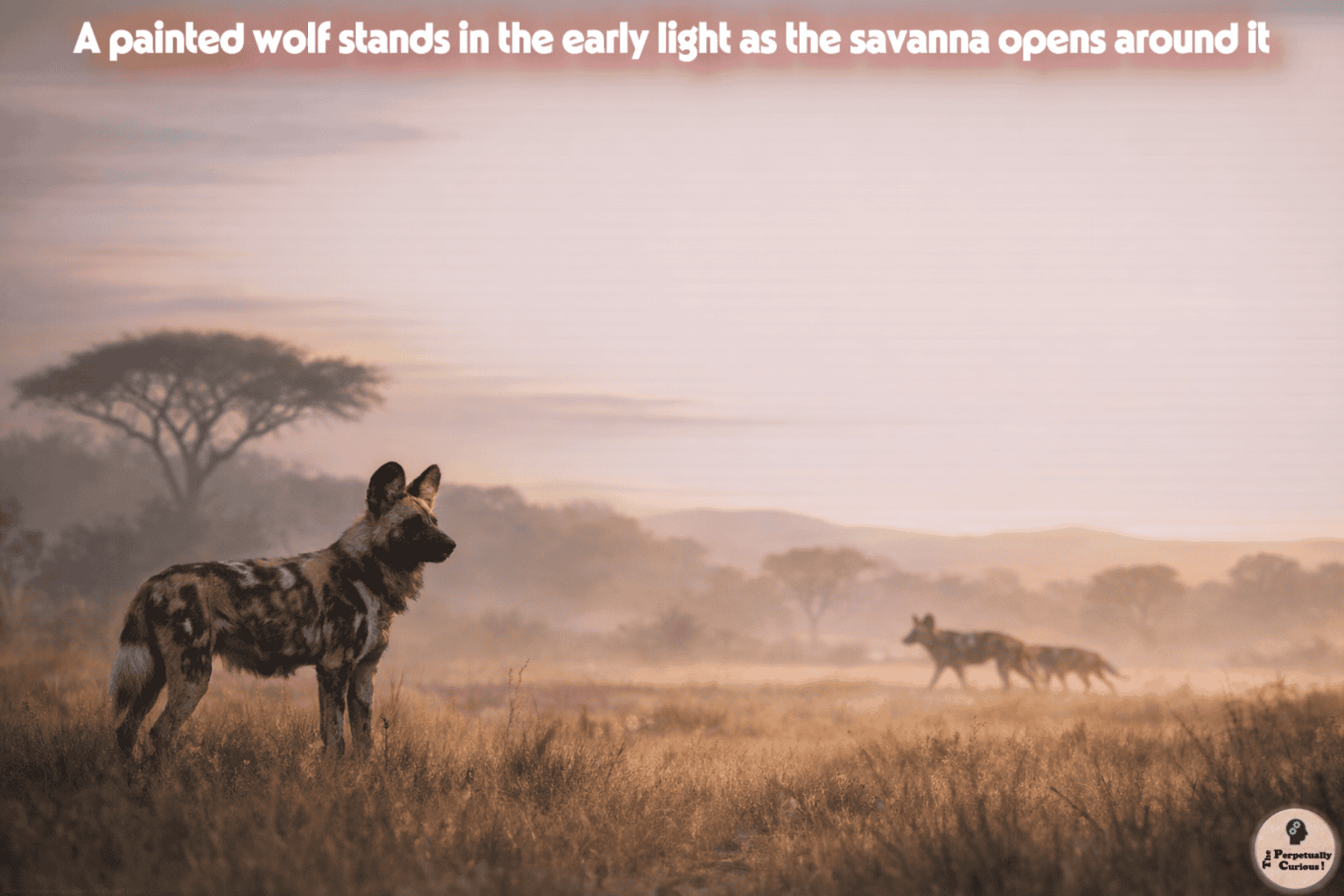
🐾 African Wild Dogs: How Their Pack Life Carries the Hunt
In open savanna, African wild dogs rarely make sense as isolated animals. A single painted wolf is striking, but the deeper pattern appears when several bodies move with the same direction, spacing, and alertness. Pack life is not a decorative detail in their story.
- The Perpetually Curious! › Archives › Wilderness & Homestead CreaturesArticle
🦍 Circles of Care: Understanding the Family Lives of Great Apes
Opening: Where Intelligence Meets Tenderness 🌿 In the shrinking forests of Africa and Southeast Asia, four remarkable species demonstrate nature's varied approaches to nurturing consciousness.
- The Perpetually Curious! › Archives › Wilderness & Homestead CreaturesArticle
🐕 The Science and Wonder of Dog Crossbreeds: Understanding Genetic Diversity in Our Canine Companions
Over the past two decades, crossbreed dogs have transformed from occasional accidents to intentional breeding efforts, with these crosses now sought after through reputable breeders and established programs in many markets.
- The Perpetually Curious! › Archives › Wilderness & Homestead CreaturesArticle
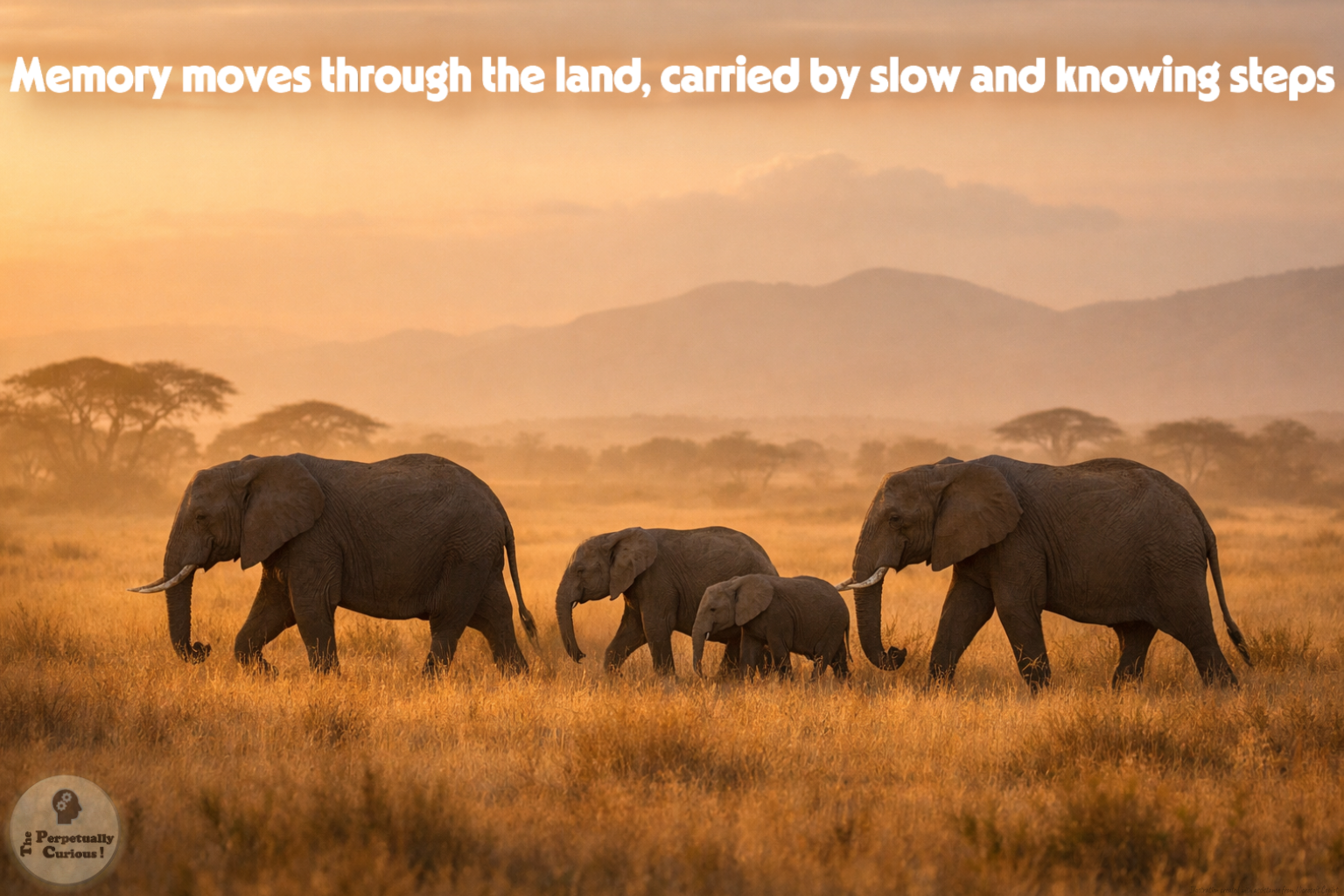
🐘 Elephant Intelligence: How Memory Becomes a Family Inheritance
At the edge of a difficult season, an elephant family may leave familiar ground and follow an older female toward water remembered from years before. No map is carried, and no route is explained aloud.
- The Perpetually Curious! › Archives › MathematicsArticle
⚡ The Curve That Seemingly Defies Gravity: The Brachistochrone and the Fastest Path Down
Gravity pulls everything straight down. Or so it seems. Drop a stone and it falls vertically. Pour water and it seeks the most direct path downhill. Our intuition tells us that the shortest route is always the fastest.
- The Perpetually Curious! › ArchivesGateway
TPC8-QH-WHC-001 🐾 Wilderness & Homestead Creatures | 🦌 Creatures of the Wild & Homestead
From section: 5️⃣ What adaptation helps desert foxes survive in hot, arid environments?CowSheepGoatPig 5️⃣ What adaptation helps desert foxes survive in hot, arid environments?
- The Perpetually Curious! › Archives › Planet EarthArticle
❄️ Antarctica: Southernmost Continent’s Frozen Symphony of Silence and Light
From section: ❓ FAQ… Arctic sea ice averages 6-10 feet (2-3 meters) thick versus Antarctica's miles-thick ice sheet. The Arctic supports four million people including indigenous populations, polar bears, and arctic foxes, while Antarctica has no native land mammals. …