Explore by topic, question, or idea. Find articles, reflections, videos, puzzles, and curiosity pathways gathered across the site.
Press Enter or select Search. A newly typed query starts globally; filters are applied only through the visible rail.
39 results for “why space looks dark in a universe filled with light understanding the quiet cosmos”
- The Perpetually Curious! › Archives › Cosmic ExplorationArticle
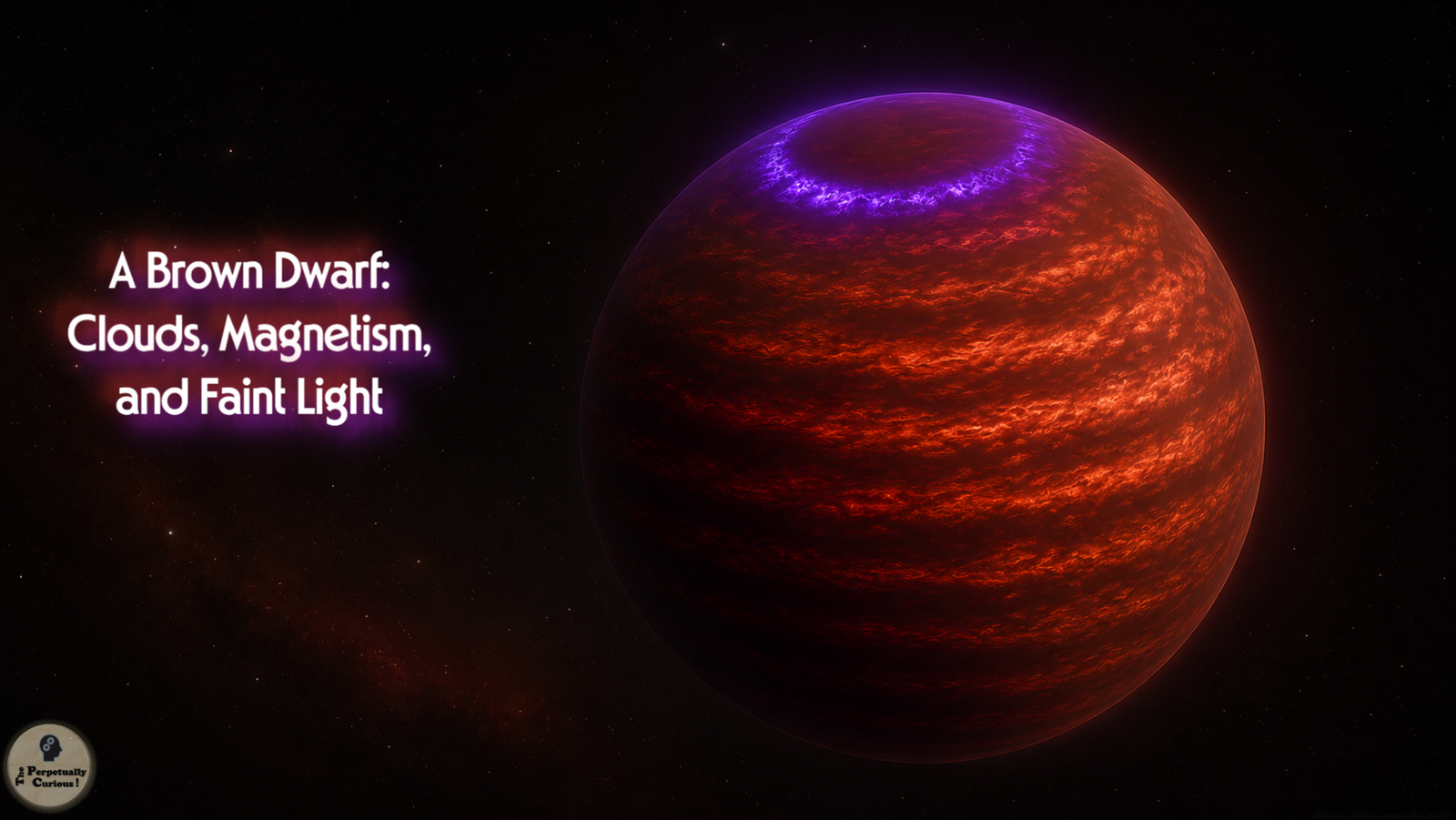
🌟 Brown Dwarfs: Why Stellar Ignition Never Takes Hold
From section: 🔥 When contraction almost makes a starNuclear reactions must release energy consistently enough to offset what the object radiates into space.
- The Perpetually Curious! › Archives › Cosmic ExplorationArticle
The Asteroid Belt: Ancient Fragments of Our Solar System's Story 🌌
On New Year's Day 1801, Italian astronomer Giuseppe Piazzi made a discovery that would transform our understanding of the solar system. While searching for a suspected planet between Mars and Jupiter, he found something else entirely: the first of millions of rocky fragments…
- The Perpetually Curious! › Archives › Cosmic ExplorationArticle
🌌 Planetary Names Explained: From Ancient Gods to Modern Science
💡 Have you ever wondered why the planets in our solar system bear such distinctive names? From swift Mercury to majestic Jupiter, these names reflect ancient traditions that connect cultural understanding with the science of the skies. Read more »
- The Perpetually Curious! › Archives › Cosmic ExplorationArticle
💥 Neutron Stars: Cosmic Heavyweights That Defy Imagination
What Is a Neutron Star, and Why Do They Matter? Imagine holding a teaspoon that weighs more than every skyscraper on Earth combined. Neutron stars are cosmic heavyweights, dense beyond anything we know and filled with mysteries at the frontier of physics. Read more »
- The Perpetually Curious! › Archives › Cosmic ExplorationArticle
🪐 HD 100546 b: Unraveling a Cosmic Mystery
Astronomy enthusiasts may find HD 100546 b especially compelling: a candidate gas giant located about 359 light‑years away in the constellation Musca, identified through Gaia DR3 measurements.
- The Perpetually Curious! › Archives › Cosmic ExplorationArticle
The Unlikely Astronauts: What Earth’s Toughest Survivors Teach Us About the Possibility of Life Elsewhere 🦠
These extremophiles have revolutionized astrobiology, suggesting that life in the cosmos might be far stranger and more widespread than we ever imagined.
- The Perpetually Curious! › Archives › Cosmic ExplorationArticle
The Cosmic Clock: How Stars Age Through Billions of Years ⏰
Understanding how stars like our Sun age reveals one of nature's grandest stories, written across cosmic time.Read more »
- The Perpetually Curious! › Archives › Cosmic ExplorationArticle
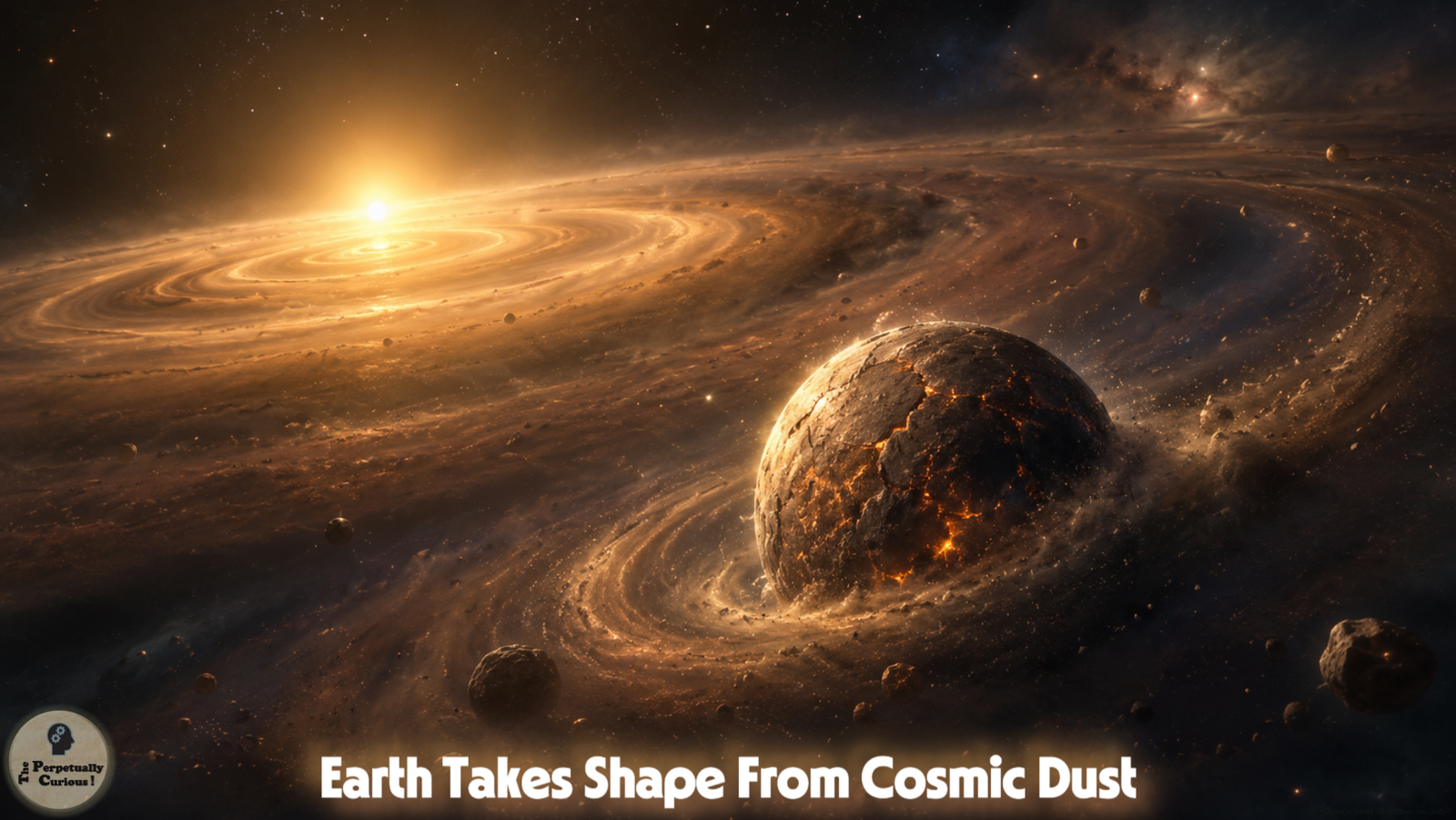
🌍 How Earth Formed: The Slow Assembly of a Young Rocky World
In the warmer inner part of that disk, where Earth would eventually orbit, solid rocky material could persist more readily than the light gases and ices that were abundant farther out.
- The Perpetually Curious! › Videos & Podcasts › Cosmic ExplorationPodcast
🌌 Planetary Names Explained: From Ancient Gods to Modern Science | Cosmic Exploration Series Podcast
… 🌌 Welcome to the Cosmic Exploration Series, where astronomy, planetary science, space history, and the human stories behind the night sky come together.