

At first light, the world reveals its quiet inhabitants. A wolf’s tracks appear along the edge of a frozen river, each print pressed into the snow with deliberate weight. In a distant field, a fox pauses beside a tangle of brambles, its ears turning toward the faint rustle of hidden prey. Far to the south, a pair of jackals moves through tall grasses that shift in the warm wind, their silhouettes flickering in and out of view. These animals live far apart, shaped by different climates and different demands, yet they belong to the same ancient family. Their shared ancestry forms a thread that runs beneath their varied lives, connecting forests, fields, and savannas through a lineage that has adapted to many worlds.
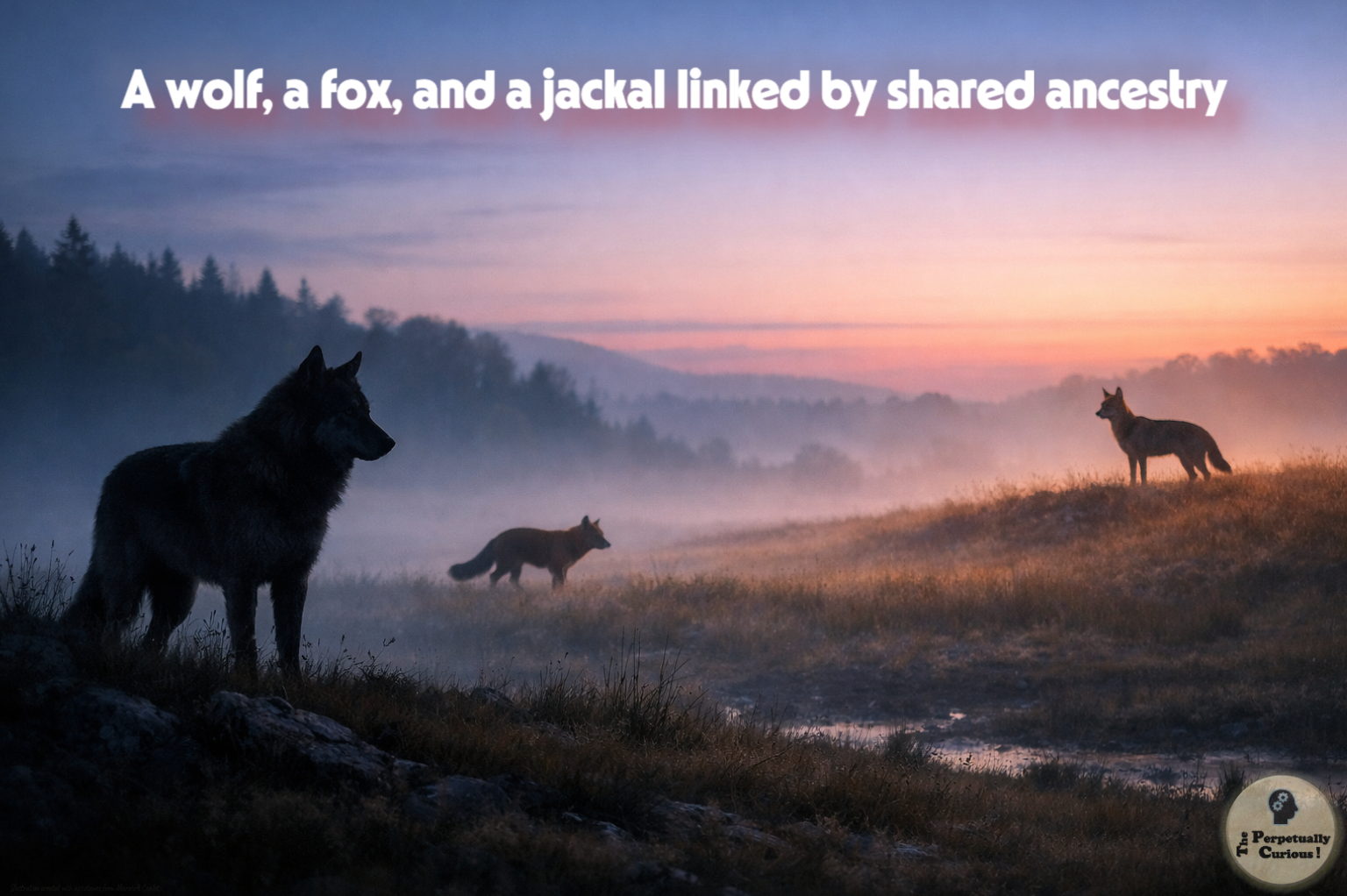
In the hush between day and night, their paths cross only in memory, shaped by wind, distance, and the quiet pull of the land.
Each life moves with its own rhythm, yet the thread of kinship still runs beneath their separate worlds.
In that shared lineage, the wild carries its stories forward with a patient and steady grace.
🌍 How one family of animals took many roads
The dog family, the Canidae, stretches back through millions of years of shifting landscapes. Early dog like mammals carried a flexible design that could be shaped by open plains, dense forests, and the presence of larger predators. Their bodies were lightly built, their legs suited for running, and their teeth adapted for both slicing meat and grinding other foods. Over time, researchers have identified several major lineages within this family, and the familiar distinction between wolf like and fox like canids is best understood as a practical way to compare broad patterns rather than a strict taxonomic division. In this article, wolves, foxes, and jackals serve as representative examples of how different branches of the family adapted to different ecological pressures.
This branching reflects ancient environmental shifts. As grasslands expanded, some canids evolved bodies built for endurance and cooperation across open terrain. Others adapted to fragmented landscapes where agility, stealth, and solitary foraging offered advantages. These evolutionary paths created a family that shares a common ancestry, yet expresses it in forms that feel distinct and deeply tied to place. This shared ancestry sets the stage for understanding how wolves, foxes, and jackals came to inhabit such different worlds.
🐺 Where endurance became a way of life
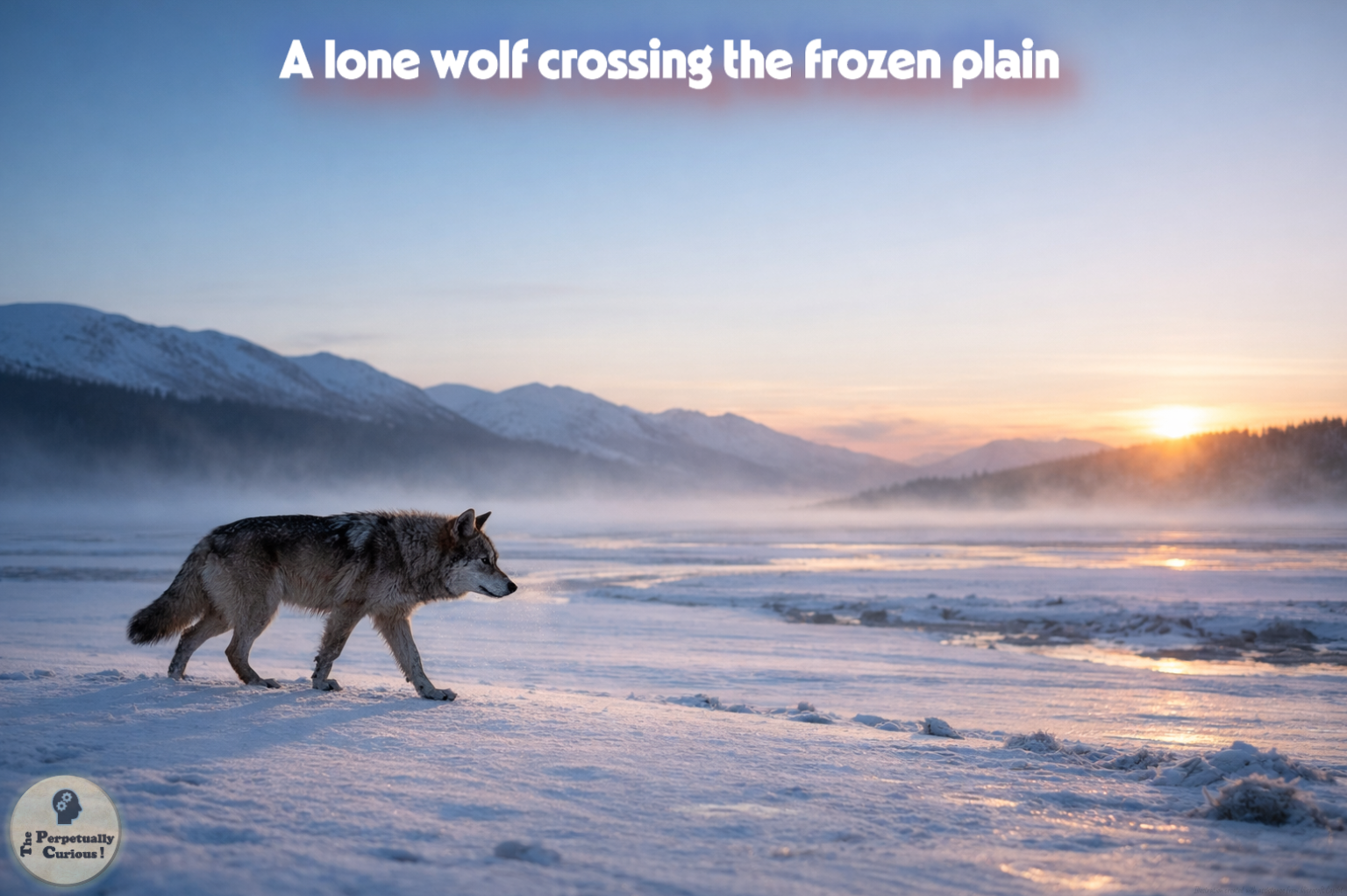
From the shared family pattern, the wolf represents the path that favored size, endurance, and cooperation. The gray wolf is among the largest members of the dog family. Gray wolves typically weigh between about 40 and 175 pounds (18 to 80 kilograms), with the largest individuals reaching the upper end of this range. Large wolves may reach head and body lengths of about 63 inches (160 centimeters), with the tail adding additional length. Their long legs and narrow, keel-shaped chest support efficient travel during sustained movement, allowing them to cover great distances with minimal effort. A wolf can move for hours, sometimes covering up to about 30 miles (48 kilometers) in a single day, although daily distances vary with terrain, prey availability, and season.
Wolves often live in family groups commonly referred to as packs. These packs may include a breeding pair and their offspring from one or more years. Within the pack, wolves coordinate their movements with a quiet intelligence that is visible in the way they fan out across a hillside or circle a herd to test for weakness. A related example of cooperative endurance hunting can be seen in African wild dogs, whose coordinated movements across open savannas reveal how social predators adapt to vast landscapes.
Communication is central to this cooperation. Wolves use howls, barks, growls, and whines, as well as body posture and scent marking, to share information. A lone wolf may howl to attract the attention of its pack, while a chorus of howls can signal territorial boundaries to neighboring packs.
In ecosystems where wolves are present, their influence extends beyond the animals they hunt. In some regions, wolves may affect herbivore behavior and vegetation, although these ecological ripple effects depend on local habitat, climate, human activity, and the presence of other predators. These context dependent interactions, often described as trophic cascades, illustrate how a single species can influence the structure of an ecosystem. The wolf’s role as an endurance hunter and social carnivore is therefore not only a matter of individual survival. It is also a force that can reshape the environments it inhabits.
🦊 Where agility shaped a solitary hunter
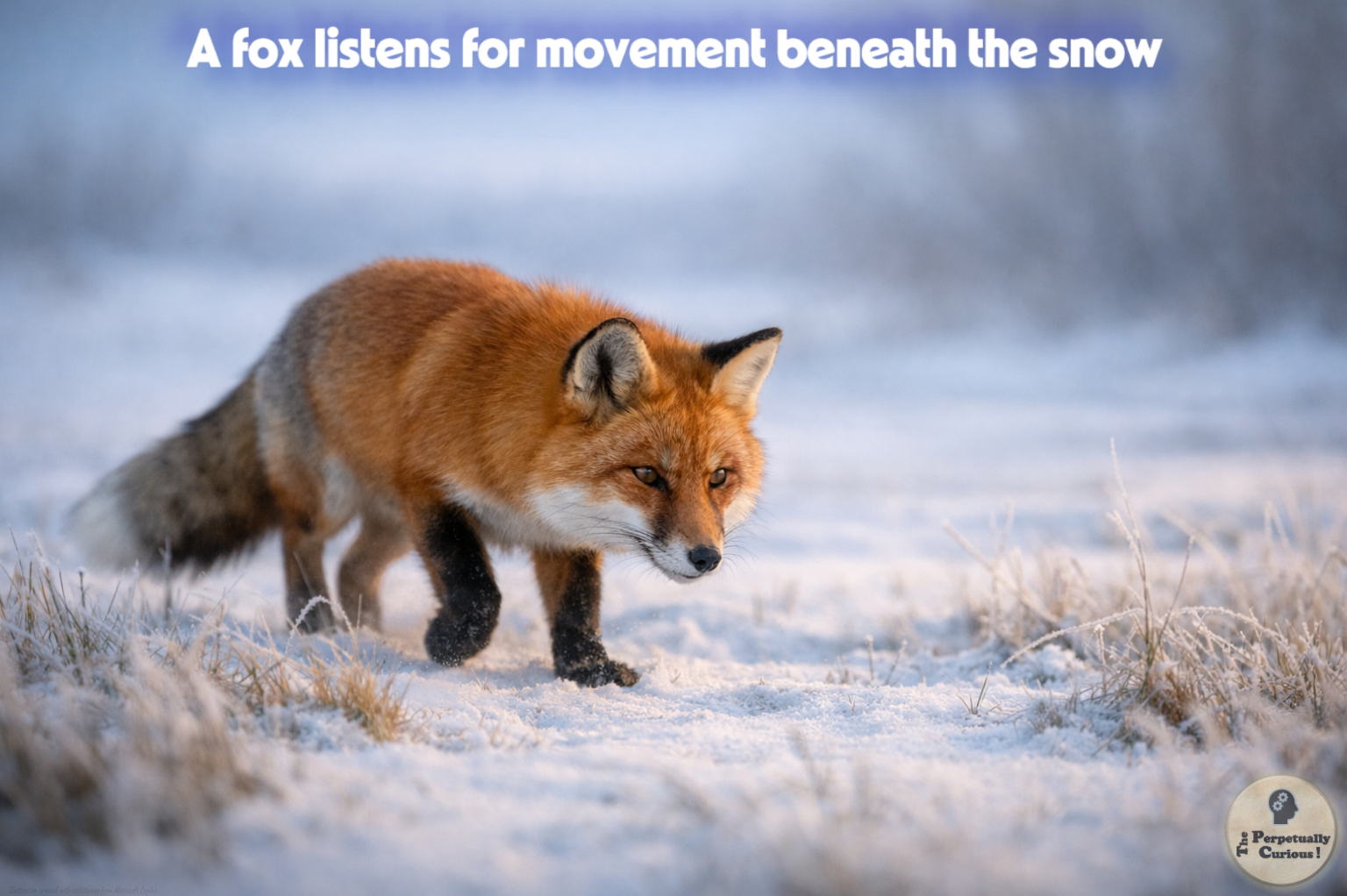
From the large, cooperative wolf, the narrative turns to the smaller, solitary fox, which represents a different expression of the canid design. The red fox is the most widely distributed of all foxes and one of the most familiar wild canids. It is generally smaller than wolves and jackals. A red fox typically weighs about 6 to 15 pounds (2.7 to 6.8 kilograms), with a slender body and a long, bushy tail that often has a white or black tip.
Foxes move with a lightness that suits their solitary life. A red fox may trot more than about 6 miles (10 kilometers) in a day, following hedgerows, field margins, and forest edges where small prey is abundant. Its ears are sensitive and pointed, capable of detecting small prey at considerable distances, using highly sensitive and directional hearing that can register sounds beneath snow or ground cover. The fox’s characteristic lunge and pounce motion begins with a low crouch, followed by a leap that can carry it up to about 15 feet (4.5 meters) over the ground, landing with precision on a mouse or vole hidden beneath snow or soil. Some research suggests that red foxes may align their pounce with the Earth’s magnetic field, although this remains an area of ongoing study.
Red foxes are flexible feeders. They prefer rodents but also eat rabbits, squirrels, insects, earthworms, birds, carrion, and fruit. When they have more food than they need, they often cache the surplus, burying it in shallow holes and returning later to retrieve it. This caching behavior reflects spatial memory and flexible foraging, helping foxes cope with fluctuating food availability.
In colder climates, foxes rely on their fur and tails for thermoregulation. Their coats include dense underfur and longer guard hairs that provide insulation. In winter, a fox may curl its tail around its body to conserve heat. The use of physical features and environmental materials for temperature regulation is a recurring theme across many species, a subject explored through mud and dust baths as essential survival tools.
Many Arctic foxes, especially the white morph, undergo seasonal color changes, shifting from brown or gray summer coats to white winter coats that blend with snow. Red foxes, by contrast, are especially adaptable in suburban and urban landscapes, where their agility and intelligence help them navigate human dominated environments.
🐕 Where opportunity guided survival
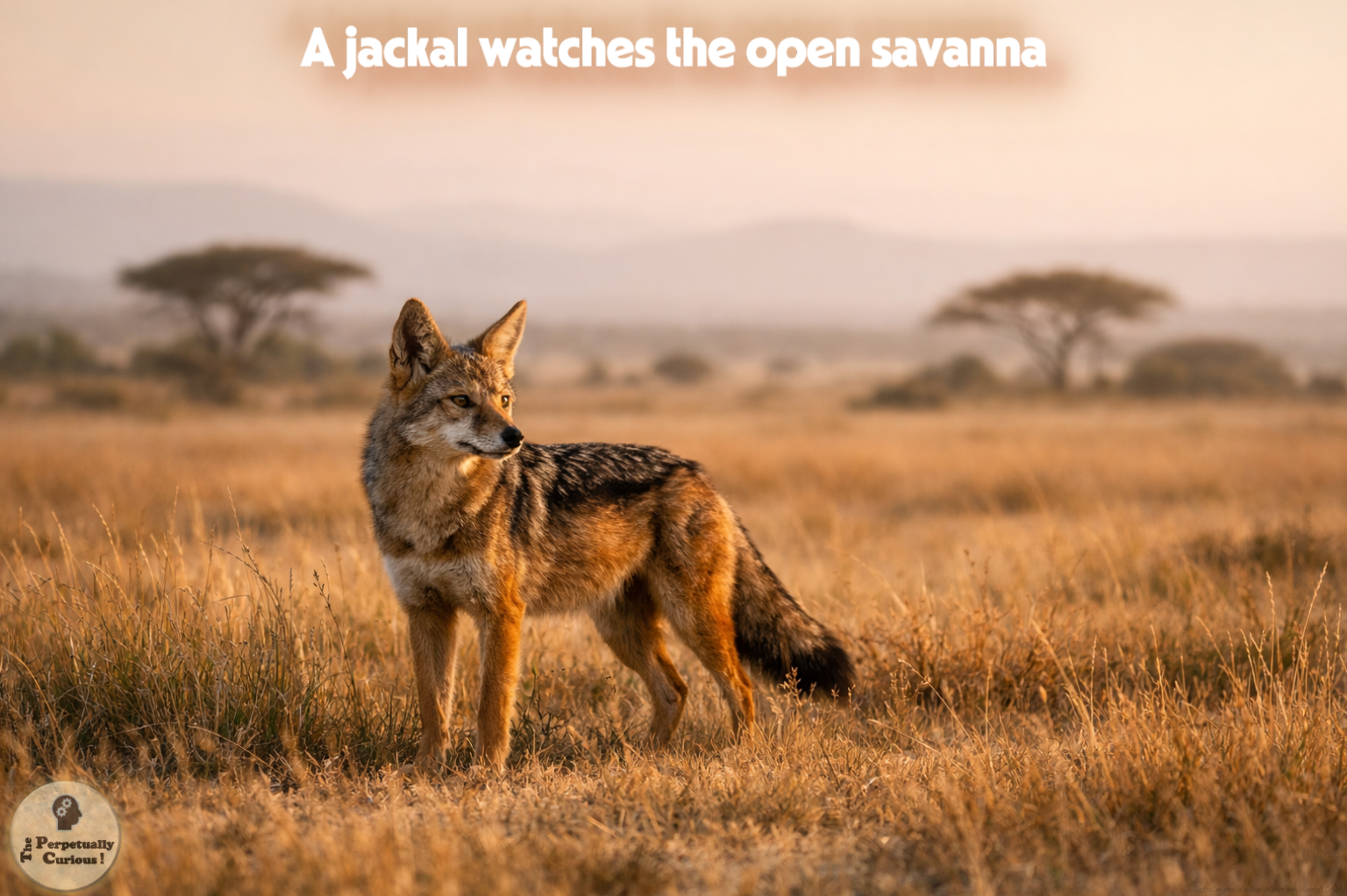
From the edges and fields of the fox, the narrative turns to the open savannas and scrublands where jackals move with a watchful patience. In many of these warm, open landscapes, survival depends on alertness, flexible feeding, and the ability to seize brief opportunities. Jackals are medium‑sized members of the dog family, often weighing about 15 to 26 pounds (7 to 12 kilograms) for most individuals, with some larger golden jackals in certain regions reaching higher weights. Some jackals, such as the golden jackal, belong to the genus Canis, while others, including the black‑backed jackal and side‑striped jackal, are commonly placed in the genus Lupulella. Their evolutionary paths place them within the broader wolf‑like branch of the family, yet their lives differ from those of wolves in important ways.
Jackals are opportunistic omnivores. They hunt small mammals, birds, and reptiles, but they also scavenge carrion and feed on insects and fruit. In savannas and scrublands, jackals may follow larger predators such as lions or hyenas, remaining at a safe distance for leftover scraps. Their ability to shift activity patterns, target smaller prey, and scavenge efficiently allows them to avoid direct competition with larger carnivores.
Jackals often form long‑term monogamous pairs. Older offspring may remain with their parents and help raise younger siblings, bringing food to the den and assisting with protection. Communication plays a central role in this social structure. Jackals use barks, yelps, and howls, and some species perform duet calls in which pairs vocalize together. These paired howls, rising and falling in coordinated sequence, can carry across open terrain and are thought to reinforce territorial boundaries as well as strengthen the pair bond. The intricate cooperation seen in jackal families has a distant echo in hyena clan life, where group structure and shared responsibilities shape survival in demanding environments.
In the landscapes they inhabit, jackals serve as both hunters and recyclers. By consuming carrion and invertebrates, they help return nutrients to the soil and may reduce the persistence of carcasses in the landscape. Their presence near larger predators reflects the structure of these ecosystems, where energy flows through many hands and mouths before returning to the ground.
🔬 How shared design reveals hidden kinship
Having followed wolves, foxes, and jackals through their respective landscapes, it is useful to step back and consider the shared design that underlies their differences. Canids vary widely in size, from small foxes that may weigh only a few pounds to large wolves that can reach about 175 pounds (80 kilograms). Despite this variation, their body forms are remarkably similar.
Most canids have long muzzles, upright ears, lightly built bodies, and long legs adapted for running down prey or foraging on the trot. Their tails are typically bushy, providing balance and, in some species, additional insulation. Their coats consist of dense underfur mixed with longer guard hairs. This pelage helps retain body heat in cold climates and can change with the seasons, becoming thicker and lighter in winter and thinner in summer.
Canids possess highly developed olfactory systems. Some canids, especially dogs and wolves, are estimated to have hundreds of millions of olfactory receptor cells, while the family as a whole is strongly oriented toward scent. Their vibrissae (whiskers) detect airflow changes and contact with nearby objects, helping them move through darkness or dense vegetation. A wolf lifting its nose to catch the faint trace of an elk on the wind illustrates how these sensory tools shape daily life. Their reliance on scent places canids within the broader realm of chemical worlds, where animals interpret their surroundings through subtle molecular cues.
These shared traits support very different strategies. A wolf may use scent and sound to coordinate with pack members across long distances. A fox may use them to pinpoint a mouse beneath snow. A jackal may use them to locate carrion or track the movements of larger predators. The design is the same, but the expression varies with landscape, prey, and social life.
🌱 How landscapes shape behavior and roles
From anatomy and senses, the narrative naturally turns to the landscapes that shape behavior and ecological roles. Wolves often inhabit forests, tundra, and open plains where large ungulates such as deer, elk, and caribou are present. Their cooperative hunting and long-distance travel are well suited to these environments. Foxes thrive in mixed landscapes where woodlands meet open areas, and where hedgerows, fields, and forest edges provide cover and abundant small prey. Jackals inhabit savannas, scrublands, and semi-arid regions where they can combine hunting with scavenging. These varied settings form part of the wider patterns described in African wildlife and landscapes, where climate, vegetation, and distance shape the daily movements of many species.
These habitats shape not only how these animals move and feed, but also how they influence the ecosystems around them. Wolves can affect herbivore populations and behavior, which in turn influences vegetation and habitat structure. Foxes help regulate rodent populations and may contribute to seed dispersal through their consumption of fruit. Jackals recycle nutrients by consuming carrion and invertebrates, helping maintain ecological balance.
In recent decades, these roles have shifted as landscapes change. Wolves have been extirpated from some regions and reintroduced to others, altering local food webs. Foxes have adapted to suburban and urban environments, where they navigate roads, gardens, and human refuse with notable flexibility. Golden jackals have expanded into parts of Europe, influenced by climate shifts, reduced persecution, changing land use patterns, and shifts in competition. These movements show how adaptable the dog family can be, and how their shared design allows them to respond to new pressures while maintaining their core ecological roles.
🧩 Why diversity still reflects a single ancestry
After moving through forests, fields, and savannas, and after considering anatomy, senses, and ecological roles, the narrative returns to the question of kinship. When wolves, foxes, and jackals are placed side by side, their differences are immediately visible. The wolf’s size and social structure, the fox’s agility and solitary foraging, and the jackal’s opportunistic omnivory and duet calls all stand out. Yet beneath these differences lies a shared ancestry and a common set of traits.
Evolution did not create entirely separate designs for each species. Instead, it modified a shared ancestral pattern to suit different ecological pressures, producing a spectrum of forms that remain recognizably related. This kinship is not only a scientific observation. It is also a reminder that diversity often arises from shared roots. In the quiet moments of dusk or dawn, when a wolf’s howl carries across a valley, when a fox pauses with its tail curled around its feet, or when a pair of jackals lifts its voices in a duet, the family resemblance becomes clear.
Pass this article along to someone curious and let the learning travel.
💡 Did You Know
🐺 Wolves can consume about 20 pounds (9 kilograms) of meat in a single sitting after a successful hunt.
🦊 Red fox vibrissae (whiskers) help them sense nearby contact and subtle movement cues, especially in dim conditions.
🐕 Jackal duets are highly coordinated, and pairs often use them to reinforce bonds and mark their territories.
❄️ Arctic foxes have a blue morph that remains darker year round and is more common in coastal regions.
🌾 Wolves may influence vegetation patterns by altering where herbivores graze and rest.
🌙 Foxes can hear faint sounds beneath snow or ground cover, helping them locate hidden prey.
🐾 Major canid lineages began diversifying more than 10 million years ago, and many canids share a recognizable pattern of mobile ears, scent rich noses, and bodies adapted for efficient movement.
🐕 The word “jackal” refers to several canids that look and live in similar ways, even though they do not form one single evolutionary branch.
🐾 The dog family includes about 35 living species, from wolves and foxes to African wild dogs and the maned wolf of South America.
Can wolves, foxes, and jackals coexist in the same region?
They can coexist when they occupy different ecological niches. Differences in prey size, hunting style, activity patterns, and habitat preferences help reduce direct competition.
Are foxes and jackals closely related to wolves?
All three belong to the dog family, Canidae, and share a common ancestry. Wolves and jackals fall within the broader wolf like group, while most foxes belong to the fox like group. These categories reflect evolutionary patterns but do not capture the full complexity of modern canid phylogeny.
Do wolves, foxes, and jackals all live in packs?
Wolves commonly live in family groups often referred to as packs. Foxes are usually solitary outside the breeding season. Jackals often form long term pairs and may live in small family groups.
How important is scent to these animals?
Scent is central to the lives of canids. Some canids, especially dogs and wolves, are estimated to have hundreds of millions of olfactory receptor cells, while the family as a whole is strongly oriented toward scent.
How do wolves, foxes, and jackals communicate differently?
Wolves rely heavily on howls and scent marking to maintain pack cohesion. Foxes use a wide range of vocalizations and rely strongly on acute hearing. Jackals often communicate through duet calls that reinforce pair bonds.
Do these species play roles in ecosystem health?
They play important roles in ecosystem health. Wolves can influence herbivore populations and behavior. Foxes help regulate rodent populations and may disperse seeds through fruit consumption. Jackals recycle nutrients by consuming carrion and invertebrates.
How large are their territories?
Wolf territories may span more than 100 square miles (259 square kilometers), and can be significantly larger in regions with low prey density. Fox territories are often smaller, sometimes only a few square miles. Jackal territories vary widely depending on food availability.
How do their diets differ?
Wolves focus on large ungulates. Foxes rely heavily on small mammals and invertebrates. Jackals combine hunting with scavenging and may consume fruit, insects, and carrion.
Do any of these species interbreed in the wild?
Hybridization is species specific and uncommon. Golden jackals have documented hybridization with domestic dogs, and genomic studies suggest limited historical gene flow among some wolf, dog, and golden jackal lineages. Foxes do not interbreed with wolves or jackals due to significant genetic differences.
Are any of these species considered threatened?
Some wolf populations are stable, while others remain vulnerable. Foxes are widespread and adaptable. Jackal populations vary by region, with some stable and others affected by habitat change.
Why are jackals not a single evolutionary group?
The word “jackal” refers to several canids that look and live in similar ways, but they do not form one exclusive evolutionary branch. Golden jackals belong to Canis, while black backed and side striped jackals are commonly placed in Lupulella.
How have wolves been affected by human activity?
Wolves were extirpated from large parts of their historical range due to hunting and habitat loss. In some regions they have been reintroduced, where their return has produced notable ecological effects through changes in herbivore behavior and vegetation.
Do wolves, foxes, and jackals have a hierarchy?
There is no fixed hierarchy among these species. They do not form a ranked system. Their interactions depend on body size, habitat overlap, and competition for food. Foxes usually avoid wolves because wolves are larger and may kill foxes during territorial encounters. Jackals may displace foxes from carcasses in regions where they overlap. These interactions are based on risk and opportunity rather than social rank.
Do wolves, foxes, or jackals eat one another?
Predation among these species is rare. Wolves may kill foxes or jackals during territorial disputes, but these encounters are usually about competition or territorial conflict rather than a regular food source. Foxes do not hunt wolves or jackals. Jackals are not known to hunt foxes as regular prey, although aggressive encounters can occur where ranges overlap.
Are hyenas part of the dog family?
Hyenas are not canids. They belong to their own family, Hyaenidae. They are more closely related to mongooses and civets than to dogs. Their dog like appearance is the result of convergent evolution, where unrelated species evolve similar shapes to solve similar ecological problems. This distinction is explored further in hyena clan life.
Are red foxes mainly pest control animals?
Red foxes are natural rodent controllers. Their diet centers on mice, voles, and other small mammals. They also eat insects, fruit, and occasional carrion. This focus on small prey helps regulate rodent populations in both rural and suburban landscapes.
Why would a fox leave urine or droppings near objects or food it ignores?
Foxes rely heavily on scent to organize their surroundings. They may mark paths, boundaries, food caches, or unfamiliar objects with urine or scat as part of routine territorial communication. This marking signals presence and helps maintain spatial awareness.
Do other mammals show similar family structures?
Yes. Cooperative care and long term social bonds appear in several mammal groups, including great ape family lives, where shared responsibilities help raise and protect younger members.
How do African wild dogs fit into the dog family?
African wild dogs belong to the wolf like branch of Canidae, but they are not part of the genus Canis. They form their own lineage, Lycaon, which is known for highly cooperative hunting and large pack structures. Their behavior and ecology are explored further in african wild dogs.
How many species are in the dog family?
The dog family, Canidae, includes about 35 living species. These range from wolves, coyotes, and jackals to foxes, African wild dogs, and the diverse canids of South America. They share a common ancestry but have adapted to very different landscapes and diets.
🌦️ Sharing the Scent of Stories
We kindly invite you to share and spread the word. In this quiet and reflective moment, we encourage you to help us reach a wider audience by sharing this piece with your friends, colleagues, and anyone who may find quiet wonder in the lives of wolves, foxes, and jackals. Your support in spreading the message is deeply appreciated and helps keep these stories of the natural world moving across new paths.
🔎 Related exploration
For readers interested in the behavior of fox kits, this related video offers a brief look at young foxes beginning to explore their surroundings.
“Where the Wild Paths Divide: Wolves, Foxes, and Jackals in the Dog Family.” The Perpetually Curious!, June 2026.
https://www.theperpetuallycurious.org/articles/wolves-foxes-jackals-dog-family/Continue Exploring
For the curious mind: want to explore this theme through a few questions? Visit the Classic Quiz Studio, nestled under Explorations opens in a new tab ,and see where a few well-placed questions lead: Wilderness & Homestead Creatures Quizzesopens in a new tab
For what comes next
Site Updates gathers occasional notes, new additions, and ways to keep in touch. RSS brings new publications to your feed reader in chronological order.
Choose the path that speaks to you, and let the next curiosity find you wherever your wondering takes you.