
Questions, observations, and insights from across The Perpetually Curious!, unfolding into wider patterns of understanding.
Curiosity moves by connection.
The Curiosity Stream brings together source-grounded ideas drawn from fuller explorations across science, nature, history, culture, technology, and everyday life. Each can be encountered on its own while pointing toward the article, reflection, video, or broader exploration from which it emerged.

Rivers are not free of salt. They carry dissolved ions from rock, but flowing water usually moves those ions onward. In the ocean, evaporation removes water while leaving most dissolved ions behind, helping explain why the sea is salty while many rivers and lakes remain fresh.
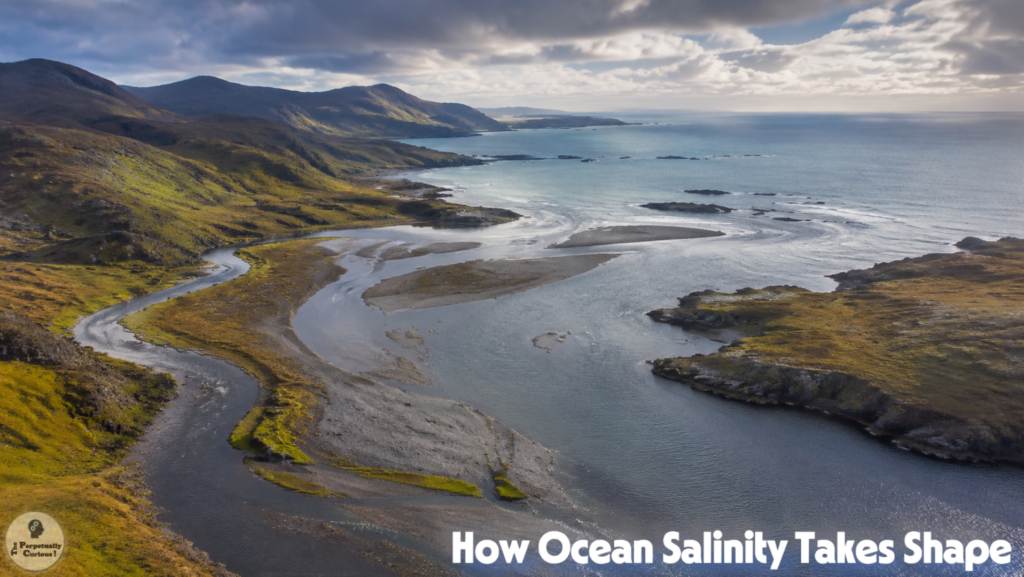
Continue with the full article🌊 Where the Salt Stays: Why the Ocean Is Salty but Rivers and Most Lakes Are Fresh
Clouds do not rain simply because they contain water. Their droplets or ice particles can remain suspended while they are still too small to descend; rain begins only when some grow beyond that suspended state and become large enough to fall.

Continue with the full article🌧️ When Clouds Let Go: Why It Rains and How Raindrops Are Born
Mud can retain the same mineral and organic ingredients yet change color when water displaces air. With oxygen, iron forms brown or reddish oxides; as waterlogging limits oxygen, iron shifts into reduced forms and accumulating organic matter can move the sediment toward gray or black.

Continue with the full article🌍 Why Mud Is Brown or Black: Where Earth Turns to Quiet Ink