Explore by topic, question, or idea. Find articles, reflections, videos, puzzles, and curiosity pathways gathered across the site.
Press Enter or select Search. A newly typed query starts globally; filters are applied only through the visible rail.
98 results for “fall leaf colors”
- The Perpetually Curious! › Archives › History, Arts, and CultureArticle
The Living Colors of Tradition: Where Chemistry Meets Cultural Wisdom in Natural Dyes 🎨
The transformation of white cloth into vibrant color represents one of humanity's oldest intersections between science and culture. Long before chemists understood molecular structures and electron orbitals, traditional dyers around the world were conducting sophisticated…
- The Perpetually Curious! › CanonicalVignette
🦎 How a Panther Chameleon Changes Color
From section: What changes during a displayThe shifting colors in peacock feathers offer another way to see that relationship.
- The Perpetually Curious! › Archives › Botanical WondersArticle
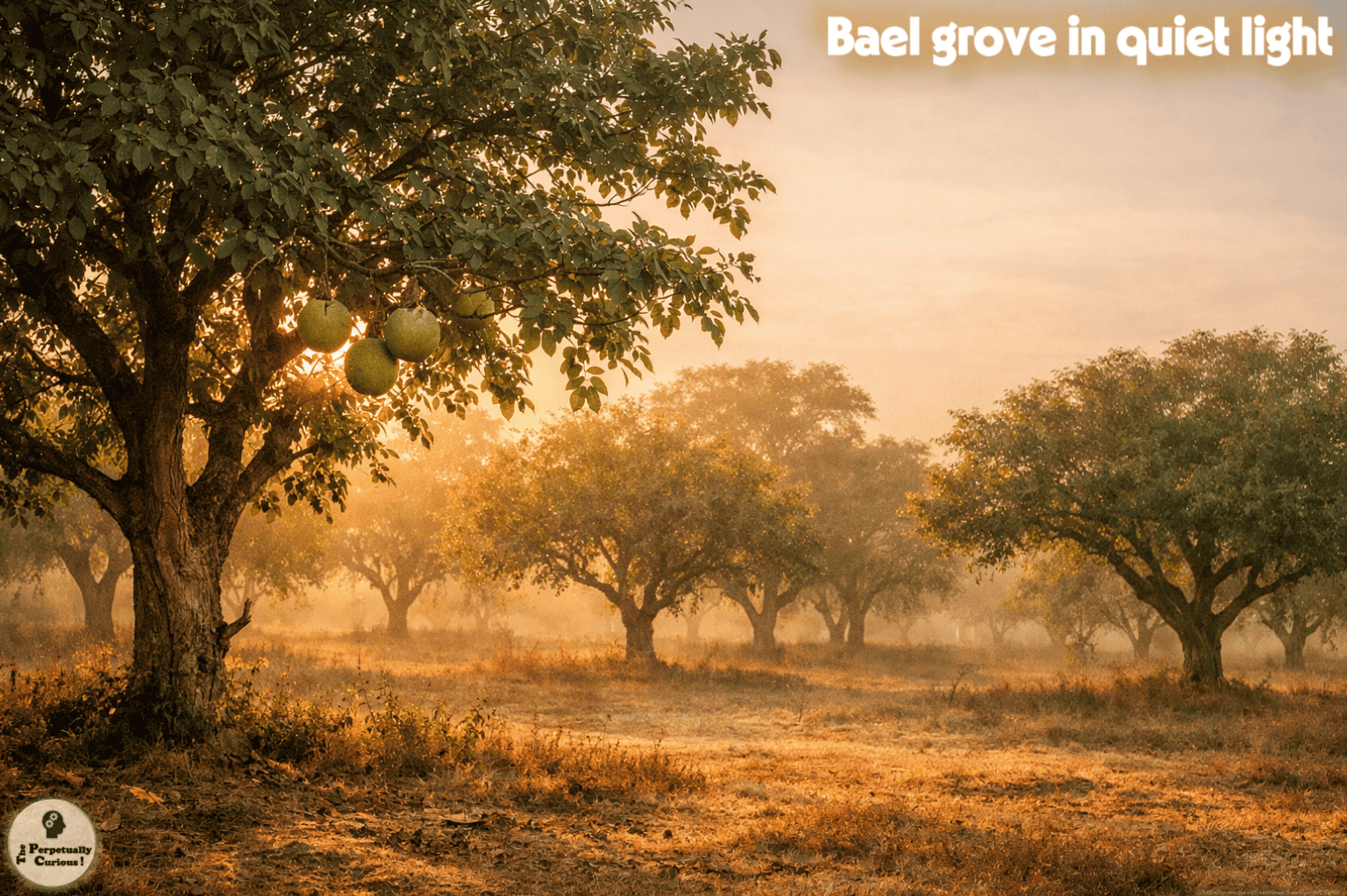
🍃 Bael Tree: Quiet Resilience in Leaf and Fruit
From section: A fruit built for patienceIt grew from the leaf, the fruit, the season, and the landscape.
- The Perpetually Curious! › Canonical › Planet EarthArticle
🌈 When Sunlight Paints the Rain: The Quiet Geometry of Rainbow Formation
The sky gathers its colors in a circle of light that waits for the patient eye.A moment of rain and sun becomes a quiet geometry that rises only when we look.In that brief alignment, the world offers a soft reminder of how light finds its way through water.
- The Perpetually Curious! › Canonical › Wilderness & Homestead CreaturesArticle
🌺 Whispers of Tiny Wings: Hummingbirds, Their Lives, and the Science of Small Flight
From section: 🎨 Hummingbirds in human perception and culture… Modern observers frequently describe hummingbirds as jewel like, focusing on their iridescent plumage. The shimmering colors arise from microscopic structures in the feathers that reflect and refract light through thin film interference.
- The Perpetually Curious! › Canonical › Planet EarthArticle
🌍 Why Mud Is Brown or Black: Where Earth Turns to Quiet Ink
From section: 🧭 Reading landscapes through the colors of mudOnce the roles of iron, organic matter, and water are understood, the colors of mud begin to act like a quiet map of environmental conditions. Brown mud along a well‑drained riverbank may suggest regular flushing with oxygenated water and moderate organic inputs. …
- The Perpetually Curious! › Archives › Wilderness & Homestead CreaturesArticle
The Peafowl Chronicles: Nature's Living Kaleidoscope 🦚
Where light transforms into living color, and every sacred feather whispers the poetry of natural selection A Canvas of Living Color 🎆 Peafowls, with their captivating display, paint a vibrant spectacle across the canvas of the animal kingdom.
- The Perpetually Curious! › Canonical › Planet EarthArticle
🌧️ When Clouds Let Go: Why It Rains and How Raindrops Are Born
The journey begins with invisible vapor, moves through cloud formation, and continues into the microphysical processes that allow droplets or ice particles to grow large enough to fall. …
- The Perpetually Curious! › Canonical › Cosmic ExplorationArticle
🌌 Silent Crossings: Why Starlight Does Not Mix in Space
From section: 🔭 Why stars can remain separate in an image… an exposure, rather than following every oscillation of the incoming field.[2] For independent stars, the fluctuating interference contribution averages away, so their measured brightness contributions ordinarily add when they fall on the same pixels, provided the detector is operating within its usable range.[1]
- The Perpetually Curious! › Canonical › Cosmic ExplorationArticle
🌌 Why Space Feels Cold Among So Many Suns: The Quiet Physics of Cosmic Warmth
From section: 🌞 Near stars and planets: hot surfaces, cold shadowsNear the lunar equator, exposed surfaces can rise above approximately 250 °F (121 °C) in daylight and fall to about −208 °F (−133 °C) after nightfall. Deep within permanently shadowed polar craters, temperatures can drop below −410 °F (−246 °C). …