Explore by topic, question, or idea. Find articles, reflections, videos, puzzles, and curiosity pathways gathered across the site.
Press Enter or select Search. A newly typed query starts globally; filters are applied only through the visible rail.
20 results for “fall leaf colors”
- The Perpetually Curious! › Canonical › Planet EarthArticle
🌊 How Tsunamis Work: The Long Journey from Seafloor to Shore
From section: 🚢 Why a fast wave can look small offshoreIn the deep ocean, tsunami waves are usually no more than about 3 feet (1 meter) high. A typical wavelength, the distance between successive crests, is roughly 60 to 300 miles (100 to 500 kilometers). Spread over such a distance, the rise and fall can be too gradual for a ship’s crew to notice.[1]
- The Perpetually Curious! › Canonical › Planet EarthArticle
🌊 How Nor’easters Form: When the Coast Becomes a Storm Engine
From section: 📉 When a coastal low deepens quicklyThe classic threshold is a central pressure fall of 24 millibars in 24 hours at 60° north latitude, adjusted for latitude elsewhere.
- The Perpetually Curious! › Canonical › Planet EarthArticle
🏔️ Mount Kailash: A Summit Where Water, Story, and Sky Converge
From section: 🌌 A mountain of many pathsNear sunrise or sunset, the sky around Mount Kailash may glow with colors shaped by atmospheric scattering, showing how light can change the way snow, stone, and sky are perceived.
- The Perpetually Curious! › Canonical › Planet EarthArticle
🌊 Where the Salt Stays: Why the Ocean Is Salty but Rivers and Most Lakes Are Fresh
From section: 🗺️ Salinity is a moving map of the water cycleWhere precipitation is abundant, river discharge is substantial, or ice melts, surface salinity may fall.
- The Perpetually Curious! › Canonical › Planet EarthArticle
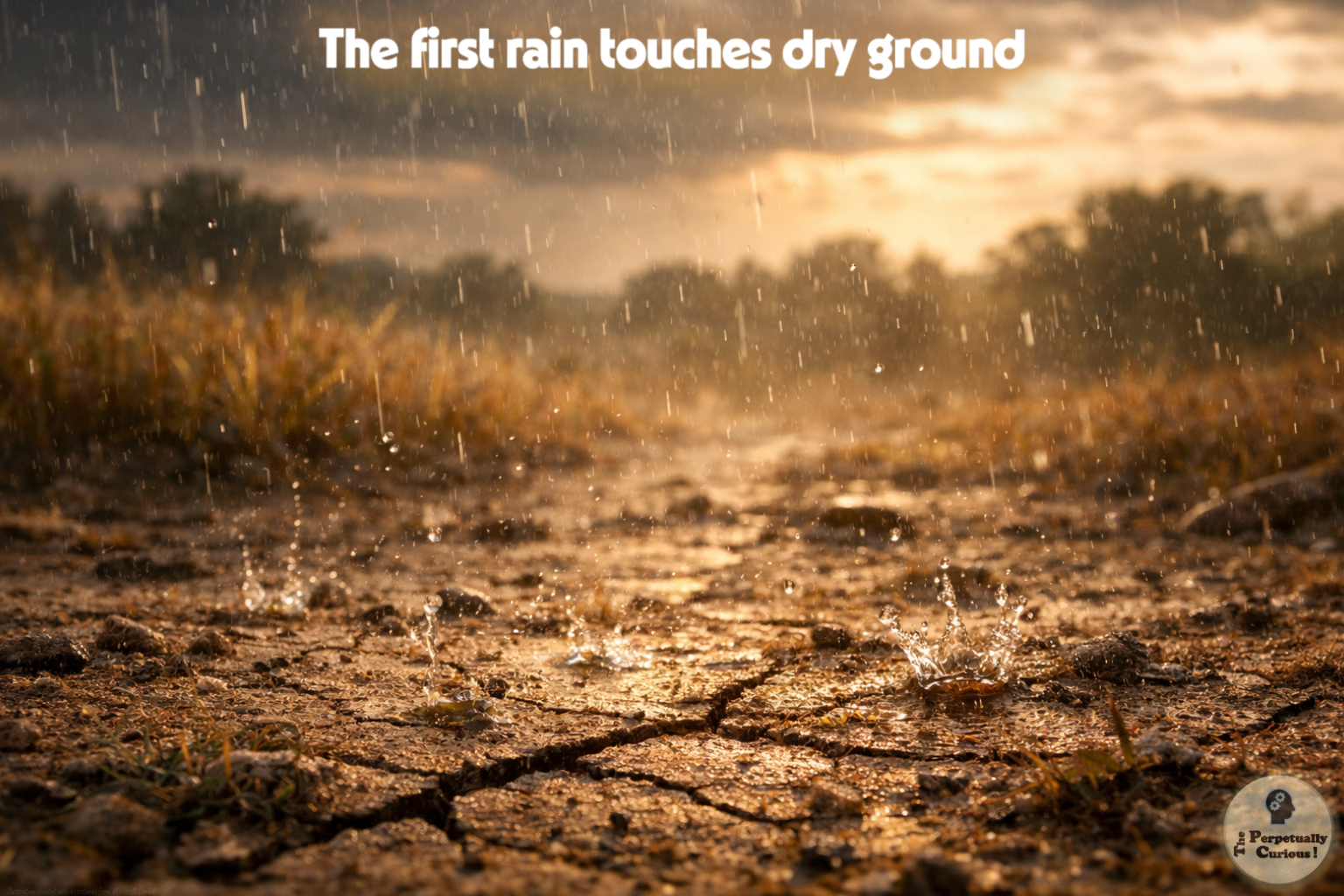
🌧️ When Earth Begins to Breathe: Why Rain Smells the Way It Does
From section: 🌿 Plant oils waiting for rainWhen the first raindrops fall, the impact disturbs these accumulated oils and lifts them into the air. The exact mixture varies by region, which is why the scent of rain in a forest, a savanna, or a city may feel slightly different while still being recognizably “rain‑like.”
- The Perpetually Curious! › Canonical › Planet EarthArticle
🌏 When the Pacific Breathes Warm: El Niño and the Changing Rhythms of Rain
How can a change in the tropical Pacific alter the prospects of rain thousands of miles away? El Niño begins when unusually warm surface waters spread across the central and eastern equatorial Pacific and the ocean and atmosphere reorganize together.
- The Perpetually Curious! › Archives › Planet EarthArticle
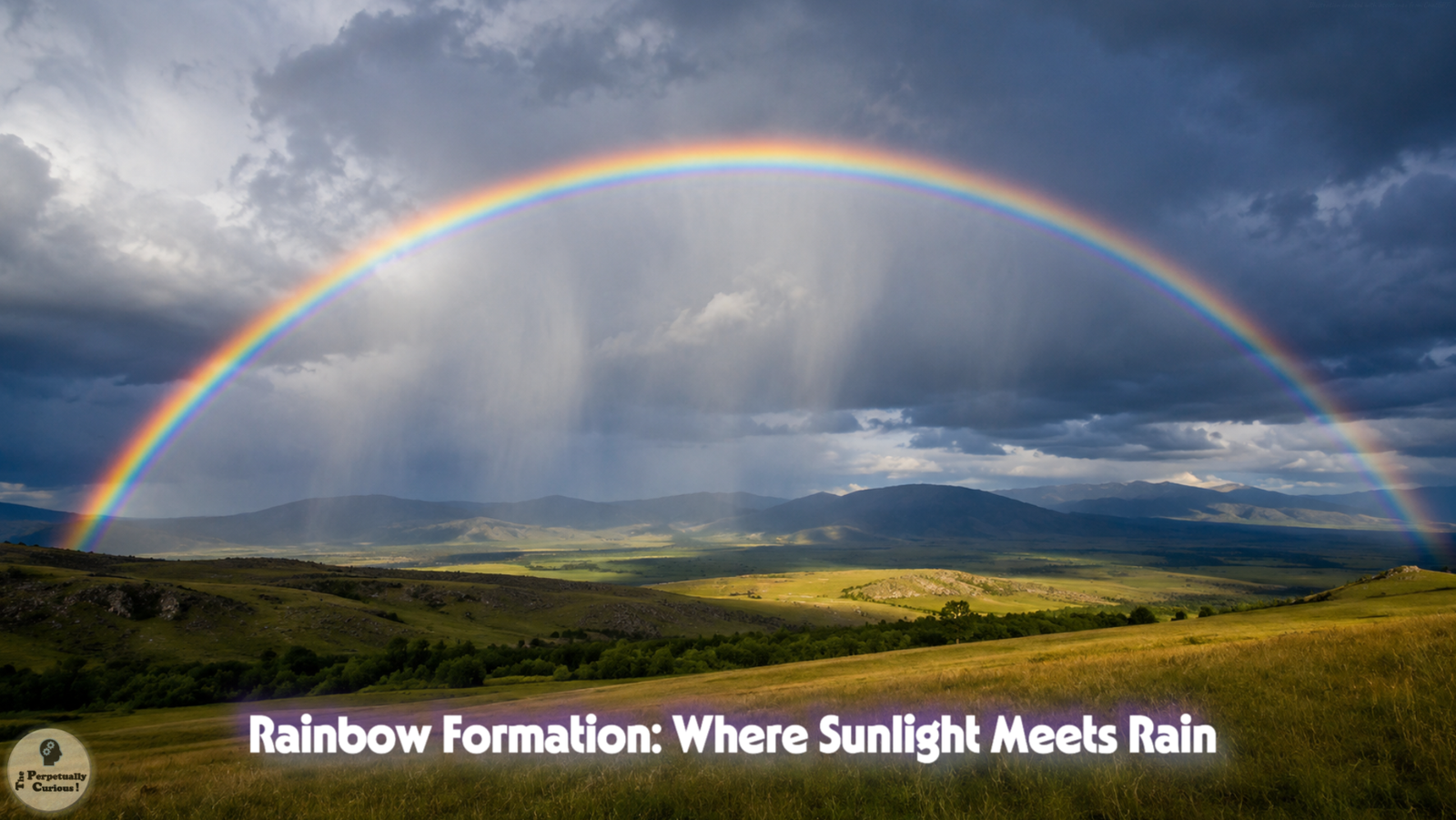
🌈 Rainbow Formation: Why Every Observer Sees a Different Arc
From section: Why the bow changes when you moveDroplets that once contributed fall away from the necessary angle, while others take their place.
- The Perpetually Curious! › Archives › Planet EarthArticle
❄️ Antarctica: Southernmost Continent’s Frozen Symphony of Silence and Light
Where Silence Breathes and Light Dances: Antarctica's Living Symphony At the edge of our planet lies Antarctica, Earth's southernmost frontier, sculpted by ice, silence, and light; desolate yet breathtaking, mysterious yet alive.
- The Perpetually Curious! › Archives › Planet EarthArticle
🌧️ Petrichor: How First Rain Lifts Earth’s Hidden Scent
From section: Why the scent changes from place to placeLeaf litter can add its own organic character.
- The Perpetually Curious! › Archives › Planet EarthArticle
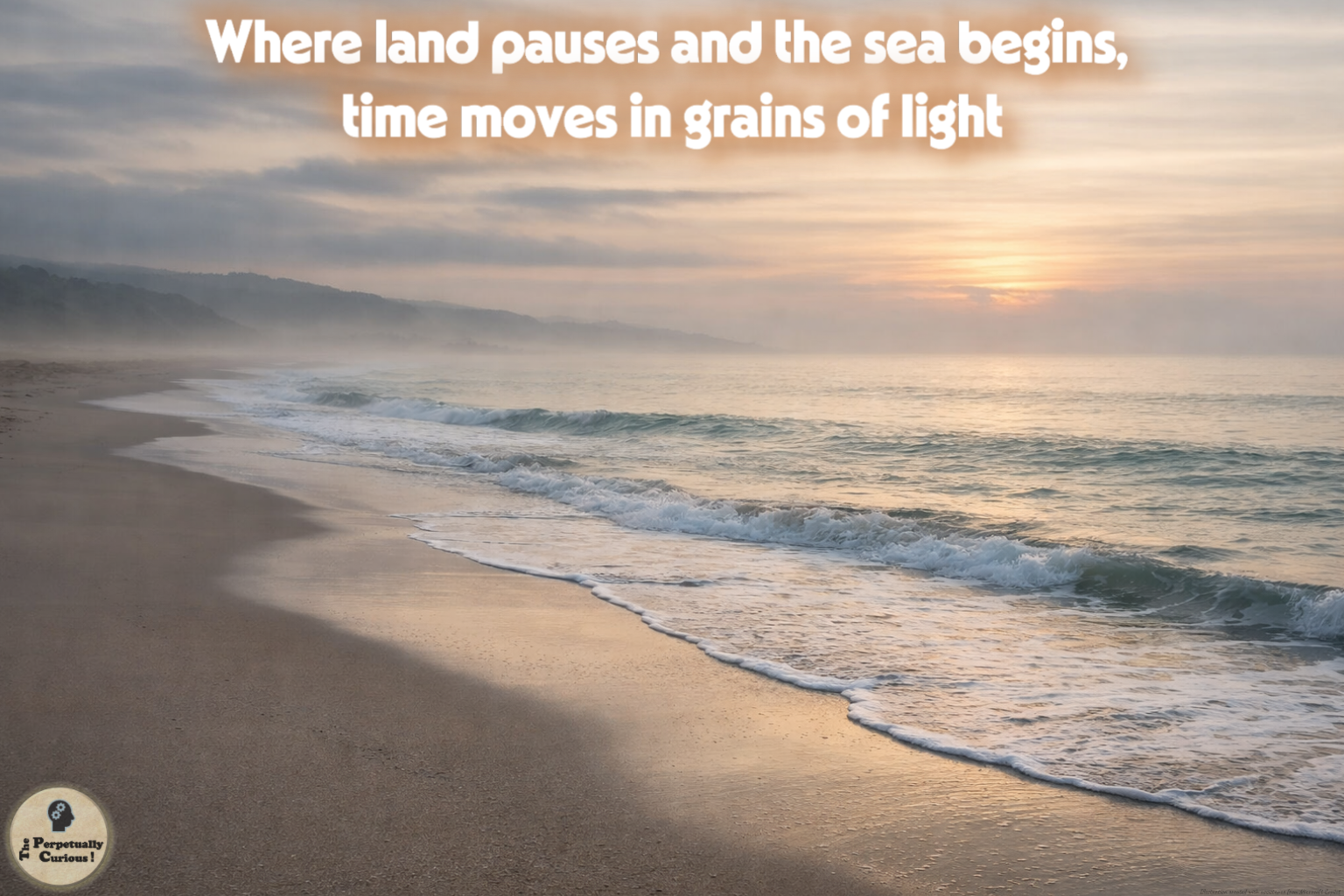
🌊 Why Beaches Have Sand
From section: Where the full story continuesThe full article on The Perpetually Curious continues into how different sources and environments give beaches their varied colors, textures, and compositions, and how these patterns connect to the wider science of coasts and sediment.