Explore by topic, question, or idea. Find articles, reflections, videos, puzzles, and curiosity pathways gathered across the site.
Press Enter or select Search. A newly typed query starts globally; filters are applied only through the visible rail.
15 results for “how mirrors work”
- The Perpetually Curious! › Canonical › Biology & HealthArticle
😮💨 When A Breath Becomes a Yawn: Why We Yawn and What This Quiet Reflex May Reveal
From section: 🧠 When one yawn becomes many: contagious yawning and the social brain… This has led to the proposal that contagious yawning may reflect a form of social attunement, in which the brain partially mirrors the internal state of others. However, the relationship between contagious yawning and empathy is still being explored, and not all studies find the same patterns. …
- The Perpetually Curious! › Canonical › Biology & HealthArticle
🌫️ When the World Blurs for a Moment: Why We Sneeze
A sneeze arrives like a sudden gust in the quiet rhythm of daily life. It interrupts thought, bends posture, and then dissolves as quickly as it came, leaving the air slightly unsettled and the senses newly awakened. In that fleeting instant, the body performs a complex act of…
- The Perpetually Curious! › Archives › Biology & HealthArticle
🌅 Pandiculation: How the Waking Stretch Restores Body Awareness
From section: A movement that sends information inwardIt is therefore more accurate to describe pandiculation as a sensory and motor transition than as a simple attempt to “work out” stiffness.
- The Perpetually Curious! › Archives › Biology & HealthArticle
The Neural Symphony: How Your Brain's Diverse Neurons Orchestrate Human Experience 🧠
Picture a single neuron firing in your brain right now. This microscopic spark, lasting mere milliseconds, joins billions of others in an intricate dance that creates every thought, feeling, and sensation you experience.
- The Perpetually Curious! › Archives › Biology & HealthArticle
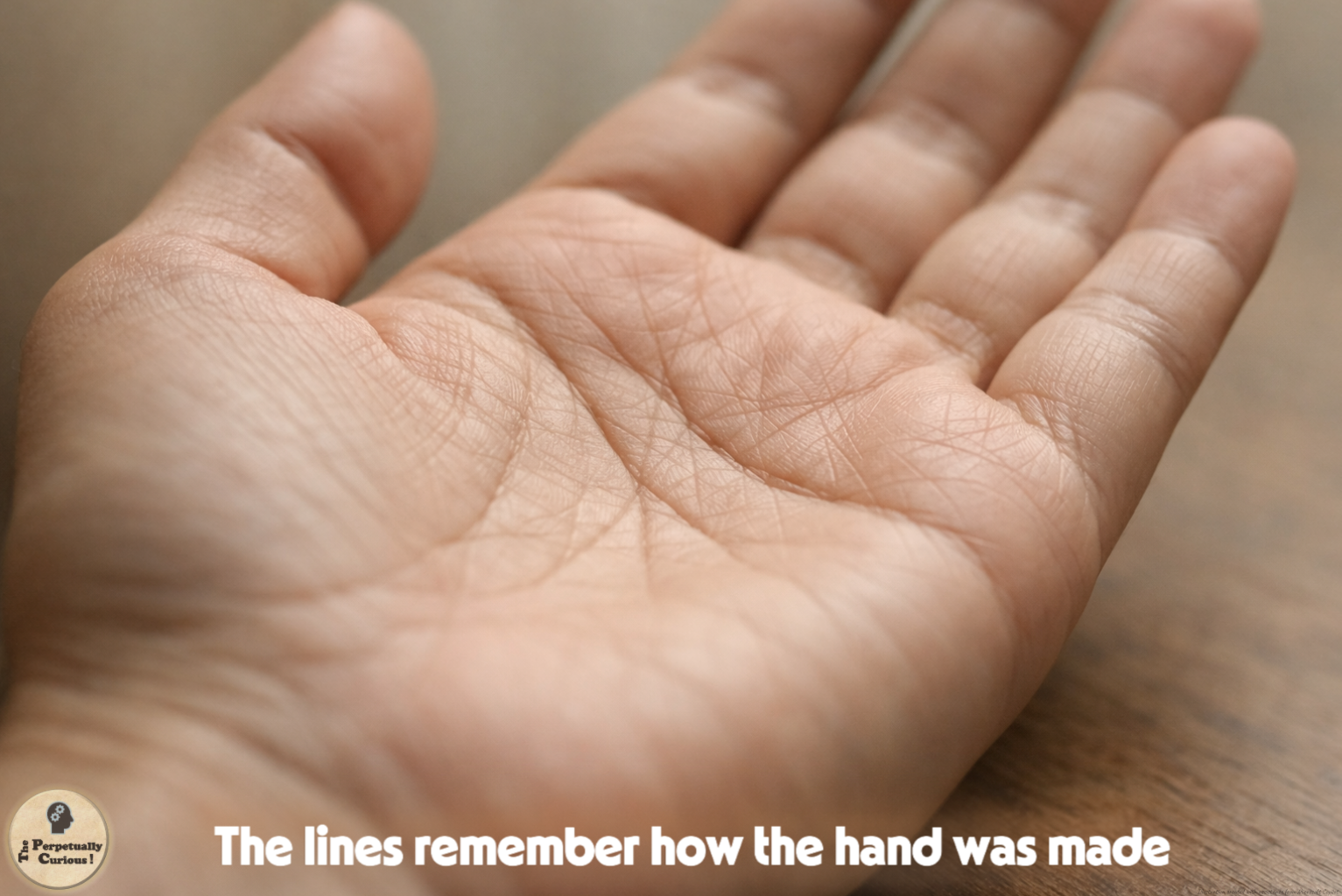
✋ Palm Lines Explained: The Quiet Folds That Help the Hand Move
The lines in the palm are easy to overlook because they feel so ordinary. They cross the hand quietly, deepening when the fingers curl and softening when the palm opens. Yet those familiar folds are not random marks added by years of use. They begin much earlier, when the hand…