Explore by topic, question, or idea. Find articles, reflections, videos, puzzles, and curiosity pathways gathered across the site.
Press Enter or select Search. A newly typed query starts globally; filters are applied only through the visible rail.
19 results for “how mirrors work”
- The Perpetually Curious! › Canonical › Planet EarthArticle
🏔️ Mount Kailash: A Summit Where Water, Story, and Sky Converge
From section: 🌊 Where great rivers find their first pathsThe outward movement of water from this region mirrors the inward movement of meaning that different cultures bring to the mountain. As rivers flow away from Kailash, stories and traditions flow toward it, creating a convergence of physical and symbolic pathways.
- The Perpetually Curious! › Canonical › Planet EarthArticle
🌊 Where the Waves Leave Their Footprints: Why Beaches Carry Sand
… The answer begins far from the water’s edge, in landscapes shaped by weather, rivers, and time. Only after this long journey does sand meet the sea, where waves and currents continue the work that began inland. …
- The Perpetually Curious! › Canonical › Planet EarthArticle
🌐 How SONAR Uses Sound to Map the Hidden Ocean Depths
From section: 🌐 How sound travels underwaterUnderstanding these physical principles provides the foundation for how active and passive SONAR systems are designed to work with the acoustic character of the ocean.
- The Perpetually Curious! › Canonical › Planet EarthArticle
🌍 Why Mud Is Brown or Black: Where Earth Turns to Quiet Ink
From section: 🌿 Organic matter, humus, and the deepening of colorThe gradual transformation of plant material into humus is supported by the steady decomposition work of fungi and other soil organisms, which influence how organic matter accumulates in many environments.
- The Perpetually Curious! › Canonical › Planet EarthArticle
🌏 When the Pacific Breathes Warm: El Niño and the Changing Rhythms of Rain
How can a change in the tropical Pacific alter the prospects of rain thousands of miles away? El Niño begins when unusually warm surface waters spread across the central and eastern equatorial Pacific and the ocean and atmosphere reorganize together.
- The Perpetually Curious! › Archives › Planet EarthArticle
❄️ Antarctica: Southernmost Continent’s Frozen Symphony of Silence and Light
From section: ❓ FAQHow do time zones work at the South Pole? Antarctica spans all 24 time zones as longitude lines converge at the South Pole. …
- The Perpetually Curious! › Archives › Planet EarthArticle
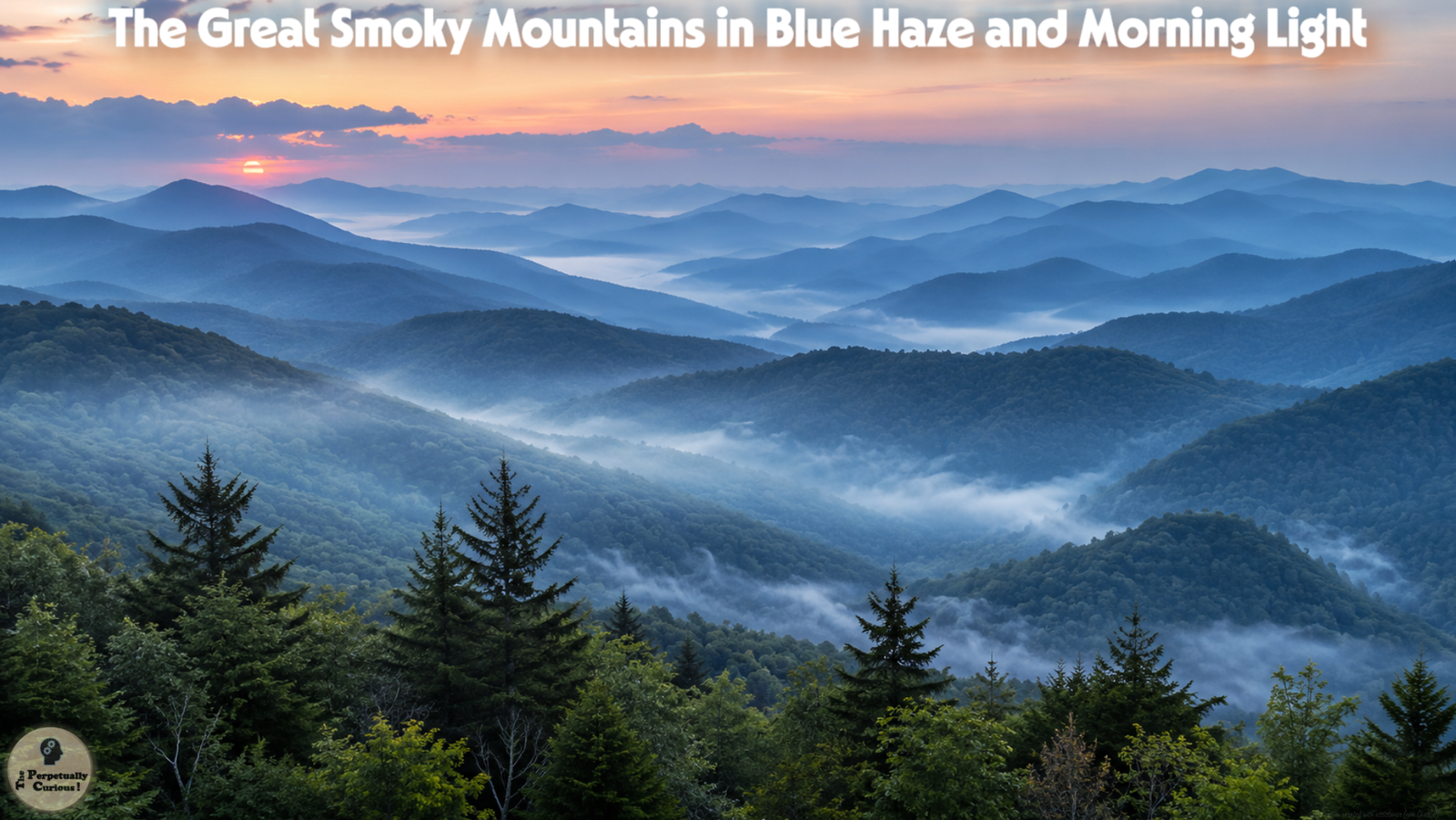
🌫️ Why the Great Smoky Mountains Fade into Blue Haze
From section: Why the ridges look blueThe broader Smokies narrative on our main site follows this atmosphere into ancient Appalachian geology, elevation-shaped forests, streams, biodiversity, Cherokee homelands, Appalachian communities, and the continuing work of conservation.
- The Perpetually Curious! › Archives › Planet EarthArticle
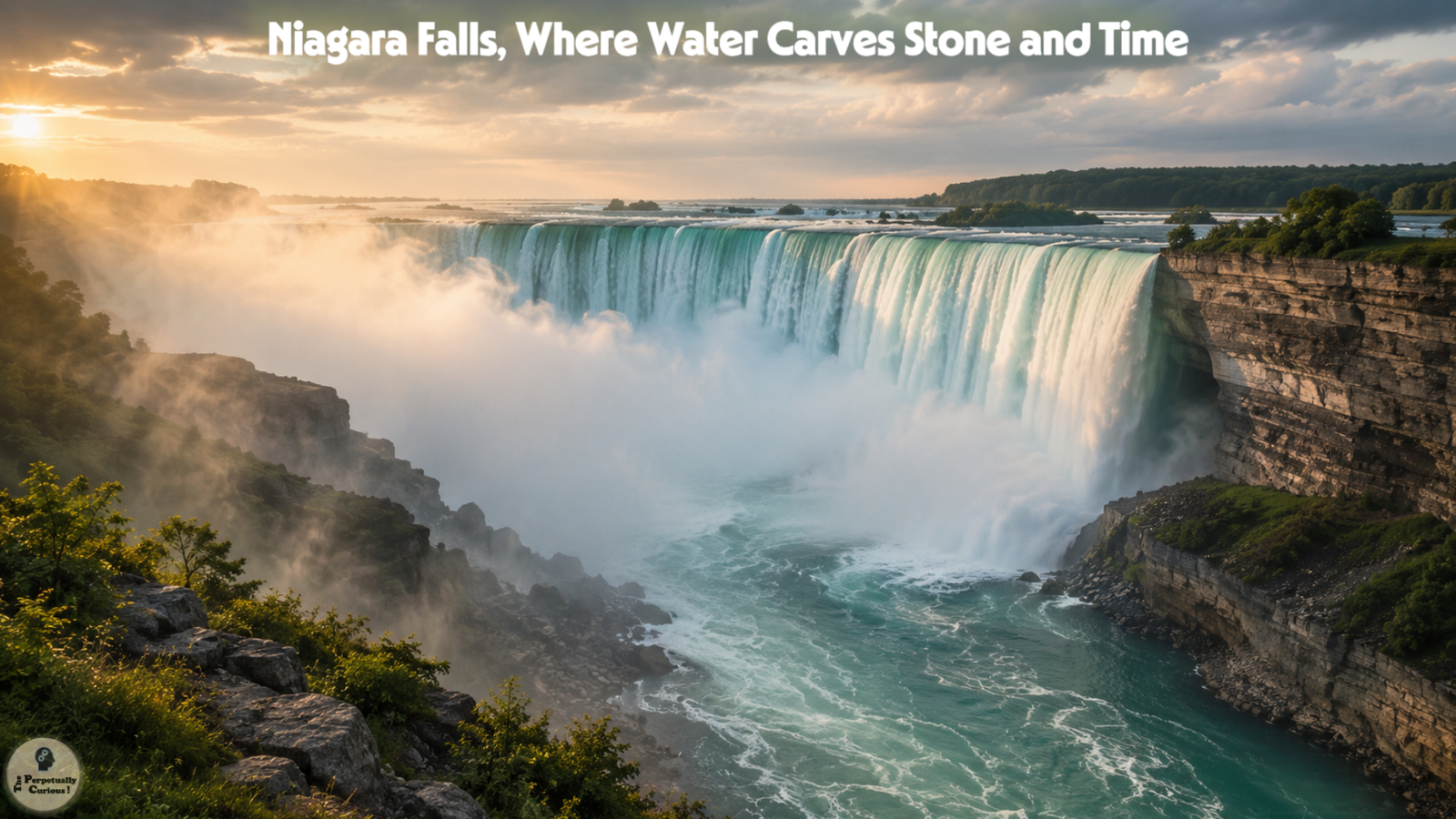
🌊 Niagara Falls Facts: How Water Turns Stone Into Time
When Niagara Falls first appears through its mist, it can feel like a single spectacular drop. But the falls are better understood as a place where a much larger water system briefly becomes visible. The water is not arriving from nowhere.
- The Perpetually Curious! › Archives › Planet EarthArticle
🌊 Underwater Sound: How Echoes Measure Distance
From the surface, the sea can look like a broad sheet of blue, but its hidden spaces are easier to sense with sound than with sight. Underwater sound moves as pressure waves, crossing water far more effectively than ordinary vision can cross depth.