Explore by topic, question, or idea. Find articles, reflections, videos, puzzles, and curiosity pathways gathered across the site.
Press Enter or select Search. A newly typed query starts globally; filters are applied only through the visible rail.
21 results for “how seeds become cooking oil”
- The Perpetually Curious! › Canonical › Biology & HealthArticle
🧬 When Proteins Forget Their Shape: Protein Misfolding in Neurodegenerative Diseases
From section: 🌀 The misfolding cascade… Those regions are deeply connected with memory systems, helping to place early memory impairment within a broader anatomical pattern. The relationship is not a simple one-to-one explanation of symptom order, but it shows how a molecular change can become a network-level disease.
- The Perpetually Curious! › Canonical › Biology & HealthArticle
🟤 Small Islands in the Skin: Why Moles Form and Why Most Stop Growing
From section: 🧬 A tiny genetic change can start a much larger cellular storyYet a local genetic event is only the beginning. Which nevi become visible, how many appear, and where they develop also reflect the wider biological setting in which those cells live.
- The Perpetually Curious! › Canonical › Biology & HealthArticle
💧 Why We Cry: The Quiet Science of Tears, Sadness, and Grief
From section: 👁️ The surface of the eye and the first purpose of tearsWithout this constant protection, the cornea would dry quickly, vision would blur, and the eye would become vulnerable to irritation.
- The Perpetually Curious! › Canonical › Biology & HealthArticle
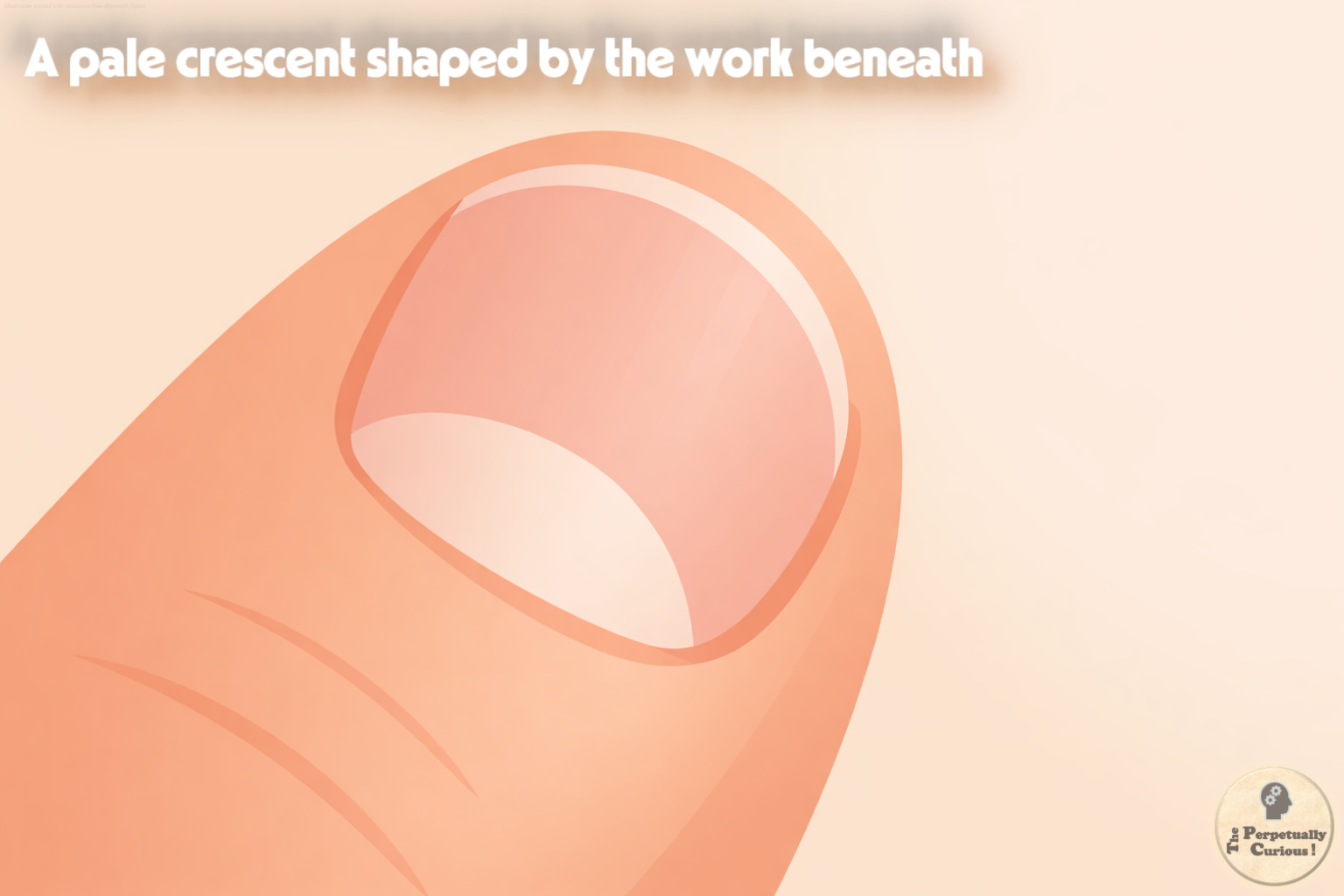
🌙 Little Moons at the Base of Our Nails: The Quiet Science of the Lunula
From section: 🧪 The lunula as a living growth zoneThe lunula marks the visible distal portion of the nail matrix, where the nail plate is actively forming. In this zone, keratinocytes divide, accumulate keratin, and gradually flatten as they move forward. Over time, these cells become part of the hard nail plate that protects the fingertip.
- The Perpetually Curious! › Canonical › Biology & HealthArticle
🌌 What Causes Déjà Vu: The Science Behind Familiar Moments
From section: Frequently Asked Questions+Does déjà vu reveal anything about consciousness? Work on conscious experience suggests that déjà vu may be one of the rare moments when the brain’s internal monitoring processes become visible to awareness.
- The Perpetually Curious! › Canonical › Biology & HealthArticle
🌡️ When the Skin Remembers the Cold: Why We Get Goosebumps
There are moments when the body seems to answer before the mind has found its words. A sudden chill moves through the air, a musical phrase rises toward its quiet summit, or a story reaches a point that feels suspended in time. In these moments, the skin responds with a familiar texture.
- The Perpetually Curious! › Canonical › Biology & HealthArticle
🌿 Why We Stretch When We Wake: The Quiet Reflex that Resets the Body
Pandiculation is the scientific name for the instinctive sequence of stretching and lengthening that appears when a person wakes or rises after stillness. It is often accompanied by yawning, yet yawning is not required for the reflex to occur.
- The Perpetually Curious! › Archives › Biology & HealthArticle
The Invisible Shield: Understanding Measles in Our Connected World 🌍
The Measles Landscape 🦠 The measles virus measures roughly 120 to 250 nanometers across, yet this microscopic sphere now threatens decades of public health progress.
- The Perpetually Curious! › Archives › Biology & HealthArticle
🌙 White Half Moon on Nails: The Quiet Growth Zone Beneath
From section: The crescent begins in the matrixThis is the active growth zone where cells divide, fill with keratin, flatten, and gradually become part of the nail plate.
- The Perpetually Curious! › Archives › Biology & HealthArticle
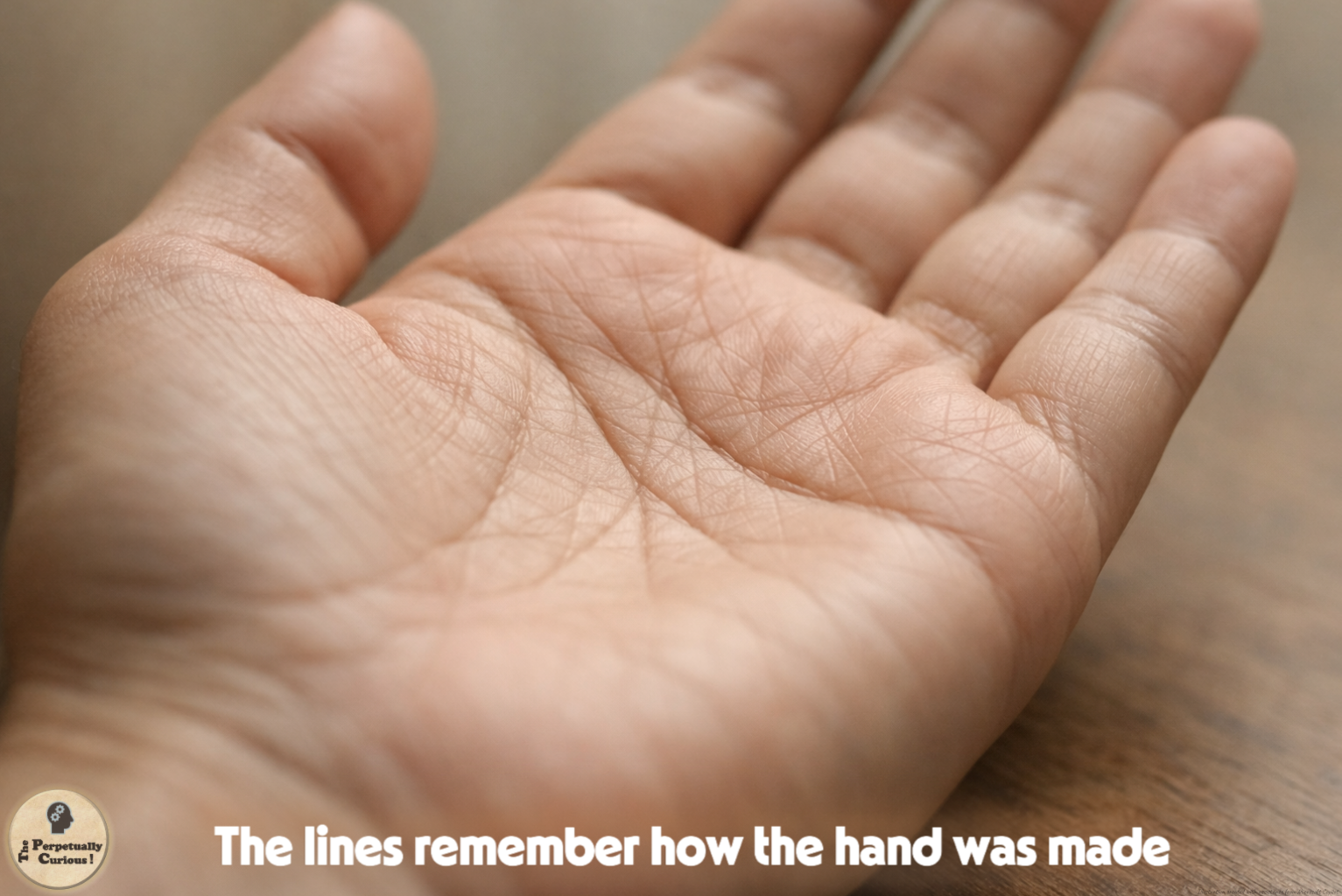
✋ Palm Lines Explained: The Quiet Folds That Help the Hand Move
From section: Where biology and meaning separateAt the same time, they have become a canvas for human imagination.