Explore by topic, question, or idea. Find articles, reflections, videos, puzzles, and curiosity pathways gathered across the site.
Press Enter or select Search. A newly typed query starts globally; filters are applied only through the visible rail.
16 results for “mud color”
- The Perpetually Curious! › Canonical › Planet EarthArticle
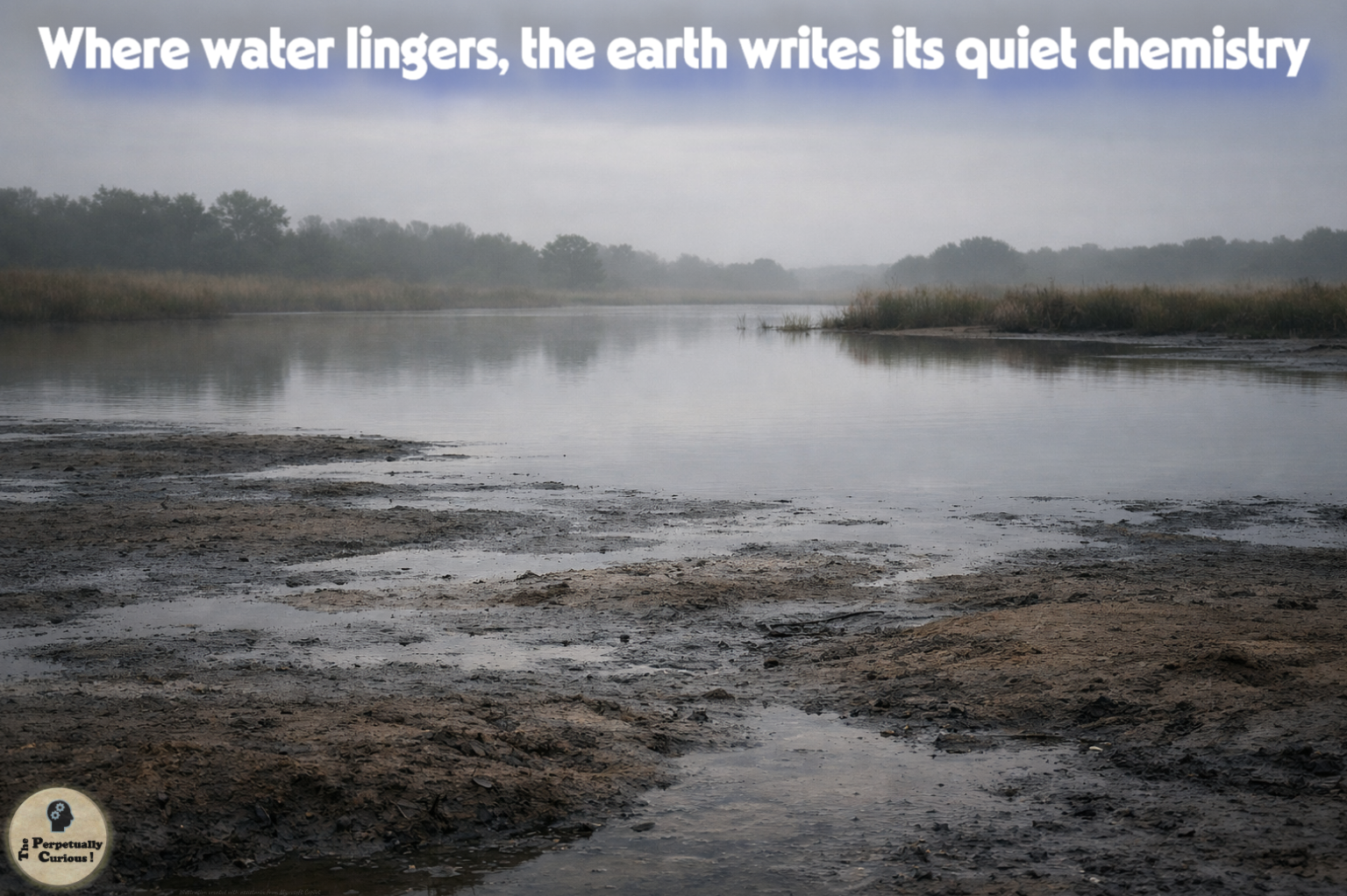
🌍 Why Mud Is Brown or Black: Where Earth Turns to Quiet Ink
From section: Frequently Asked Questions+Can mud color change durably after environmental shifts? Yes, though these changes are gradual and can shift again if environmental conditions change once more. …
- The Perpetually Curious! › Archives › Planet EarthArticle
🌍 Why Mud Is Brown or Black: What Wet Soil Reveals
Mud color is one of those small outdoor details that turns a familiar surface into a record of conditions below.
- The Perpetually Curious! › Canonical › Planet EarthArticle
🌇 When the Sky Becomes a Painting: Why Clouds Glow Red and Orange at Sunset on Earth
From section: 🌈 How the atmosphere filters colorThe sky’s color is therefore created by the scattered light itself. Blue wavelengths are redirected across the entire dome of the sky, filling it with color even though the Sun remains bright and nearly white. …
- The Perpetually Curious! › Canonical › Planet EarthArticle
🌧️ When Earth Begins to Breathe: Why Rain Smells the Way It Does
From section: 🌎 A planet-wide phenomenon with local variations… The movement of water across landscapes also shapes the character of local soils, and this relationship becomes evident when considering how differences in soil composition influence mud color across environments.
- The Perpetually Curious! › Canonical › Planet EarthArticle
🌍🌑 Where Two Soils Part Ways: Earth, Moon, and the Stories Written in Dust
From section: 🧭 Grain by Grain: Texture, Color, and Composition Compared… Earth soil often contains rounded grains, mixed with organic fragments, roots, and sometimes visible organisms. It may feel soft or crumbly, and its color can range from light tan to deep brown or black, depending on mineral content and organic matter. …
- The Perpetually Curious! › Canonical › Planet EarthArticle
🌊 Where the Waves Leave Their Footprints: Why Beaches Carry Sand
From section: ⚖️ Why Sand Stays While Other Sediments Drift AwayThis distinction between sand and mud is not only a matter of size but also a reflection of the environment in which each material forms. Beaches are shaped by more active movement, while mudflats and marshes often form where water is calmer.
- The Perpetually Curious! › Canonical › Planet EarthArticle
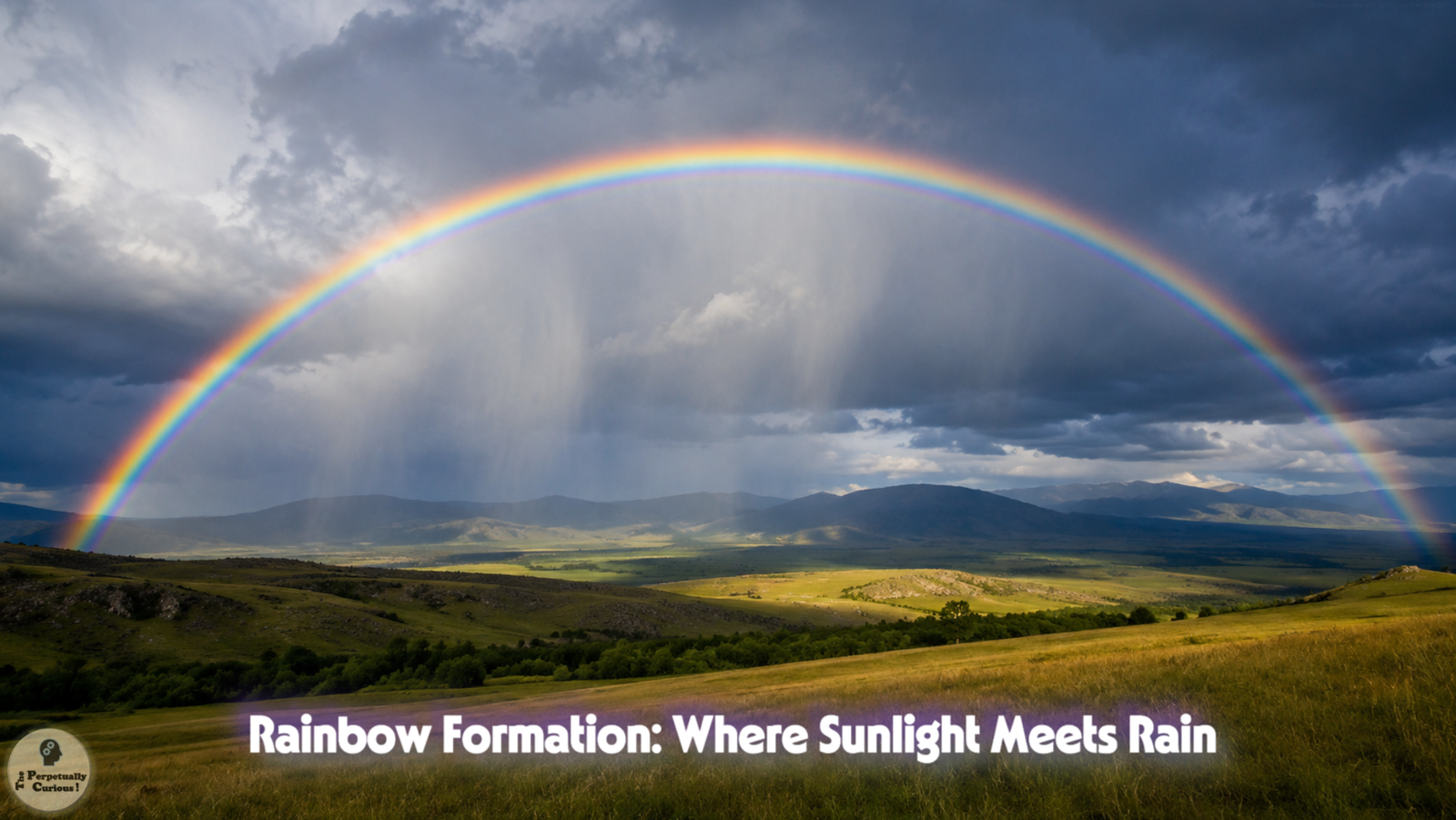
🌈 When Sunlight Paints the Rain: The Quiet Geometry of Rainbow Formation
Rainbows often arrive with a sense of gentle timing, appearing just as a storm begins to loosen its hold on the sky. Sunlight returns through thinning clouds, rain still hangs in the distance, and an arc of color seems to gather between them.
- The Perpetually Curious! › Archives › Planet EarthArticle
🌈 Rainbow Formation: Why Every Observer Sees a Different Arc
From section: A rainbow begins with a viewpointDifferent wavelengths are bent by slightly different amounts, spreading the returning light into color.
- The Perpetually Curious! › Canonical › Planet EarthArticle
🌑 How Coal Is Formed: The Slow Birth of Black Stone Across Deep Time
From section: 🌿 Ancient swamps where coal beginsThe same low-oxygen chemistry that darkens waterlogged mud also helps explain why buried plant remains can escape rapid decay.
- The Perpetually Curious! › Canonical › Planet EarthArticle
🌫️ Mist Over Ancient Ridges: The Great Smoky Mountains as a Living, Breathing World
From section: 🌄 Roots in deep time: how the Smokies became mountains… Some of the oldest rocks associated with the park are metamorphic and igneous rocks more than 1 billion years old, while many of the rocks that help form the Smokies began as sand, silt, mud, and gravel deposited along ancient marine margins. …