Explore by topic, question, or idea. Find articles, reflections, videos, puzzles, and curiosity pathways gathered across the site.
Press Enter or select Search. A newly typed query starts globally; filters are applied only through the visible rail.
15 results for “origins of month names calendar history”
- The Perpetually Curious! › Canonical › Biology & HealthArticle
🌙 Little Moons at the Base of Our Nails: The Quiet Science of the Lunula
From section: 💡 Did You Know🌿 The average fingernail grows by approximately 0.1 to 0.14 inch (about 2.5 to 3.5 millimeters) per month, with the typical adult average close to 3.5 millimeters.
- The Perpetually Curious! › Canonical › Biology & HealthArticle
🌌 What Causes Déjà Vu: The Science Behind Familiar Moments
From section: 🌄 What déjà vu reveals about memory, reality, and the self… From a reflective angle, déjà vu can be seen as a reminder that perception is not a perfect mirror of the world. The brain actively interprets and organizes sensory input, and it sometimes produces experiences that feel meaningful even when their origins are uncertain.
- The Perpetually Curious! › Canonical › Biology & HealthArticle
🌫️ When the World Blurs for a Moment: Why We Sneeze
From section: Frequently Asked Questions+… In many societies, offering a blessing developed as a way to acknowledge the sneeze as a moment of brief vulnerability, to express goodwill, or to reinforce social connection. These customs reflect cultural history and shared social meaning rather than biological necessity.
- The Perpetually Curious! › Archives › Biology & HealthArticle
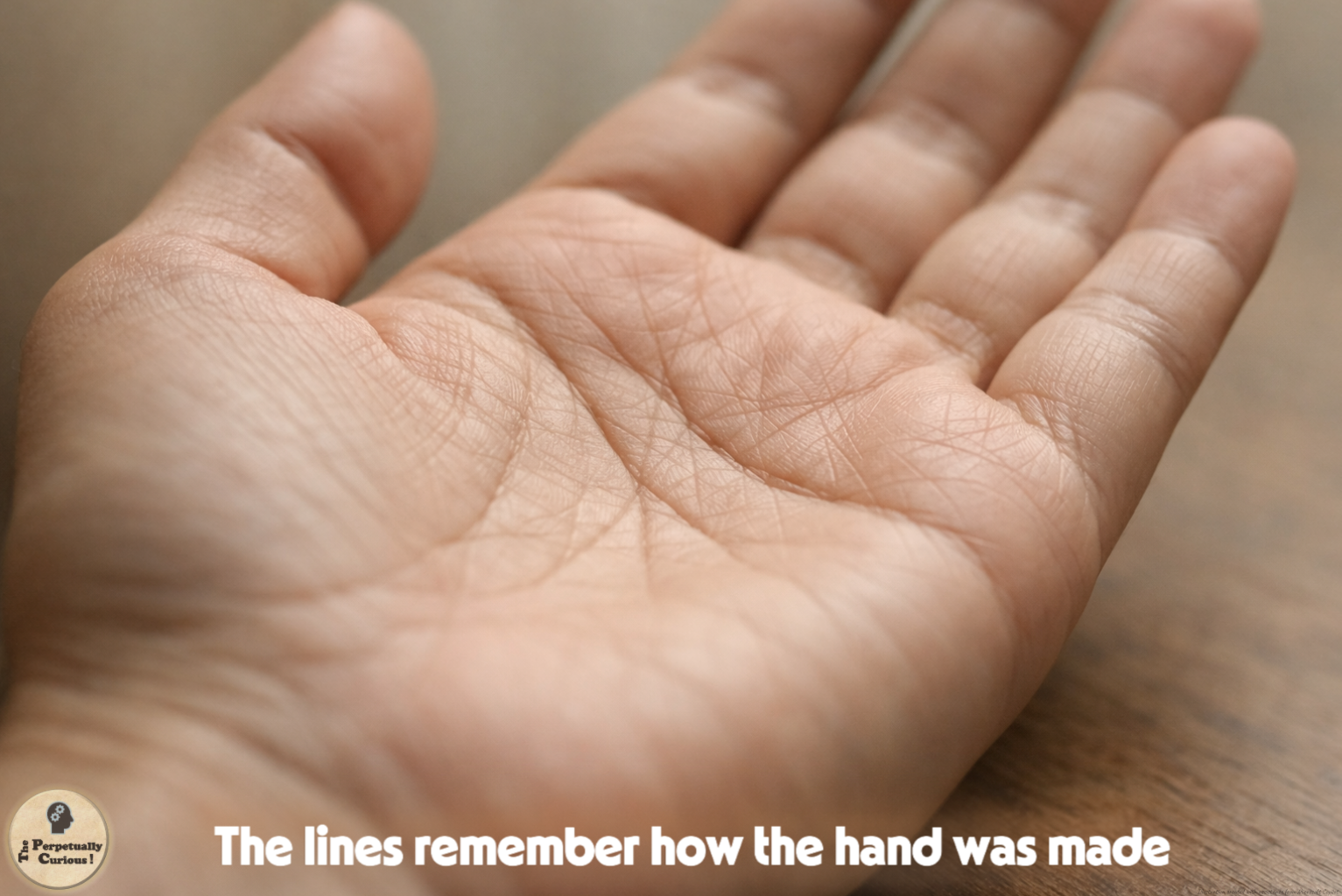
✋ Palm Lines Explained: The Quiet Folds That Help the Hand Move
From section: Where biology and meaning separateA careful scientific view does not need to dismiss the cultural history, but it must separate symbolism from evidence.
- The Perpetually Curious! › Archives › Biology & HealthArticle
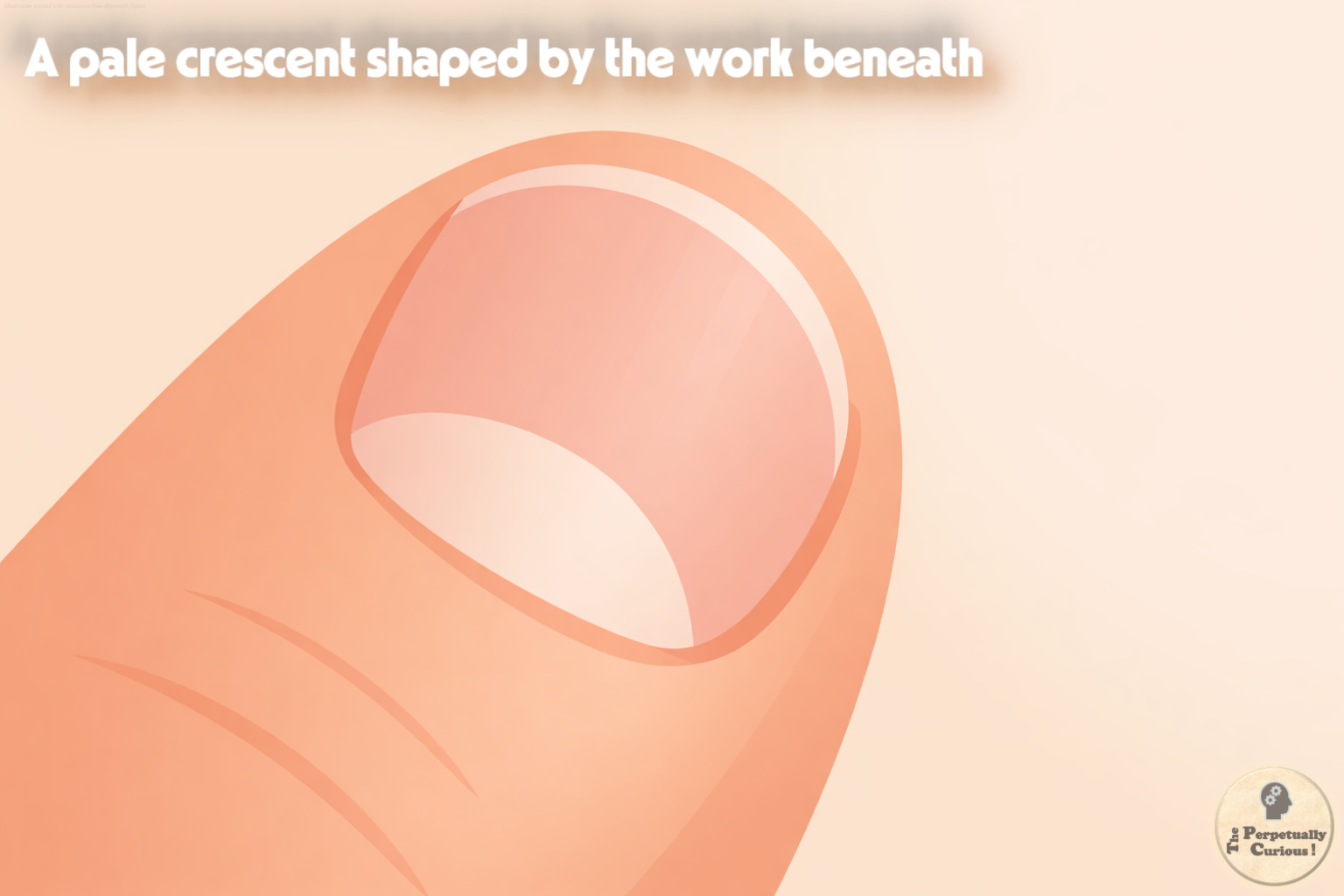
🌙 White Half Moon on Nails: The Quiet Growth Zone Beneath
At the base of some fingernails, a pale crescent appears like a small moon partly tucked under the skin. It may be broad and clear on the thumb, faint on another finger, or almost absent from view.