Explore by topic, question, or idea. Find articles, reflections, videos, puzzles, and curiosity pathways gathered across the site.
Press Enter or select Search. A newly typed query starts globally; filters are applied only through the visible rail.
194 results for “the science behind nature geometry”
- The Perpetually Curious! › Archives › PhysicsArticle
✨ Clean Chemistry: The Curious Physics Behind Soap Bubbles
From section: 🚿 A Familiar Ritual, A Hidden Science🚿 A Familiar Ritual, A Hidden Science You pump soap into your hands, add water, and rub.
- The Perpetually Curious! › CanonicalGateway
♾️ Curiosity Stream
Questions, observations, and insights from across The Perpetually Curious!, unfolding into wider patterns of understanding. Curiosity moves by connection. The Curiosity Stream brings together source-grounded ideas drawn from fuller explorations across science, nature, history…
- The Perpetually Curious! › Archives › Food & LifestyleArticle
🍯 Liquid Gold: The Timeless Science and Wonder of Honey
From section: 🌻 Opening: The Ancient SweetnessHoney represents one of nature's most elegant solutions to decay, a substance that defies time through chemistry rather than chance.
- The Perpetually Curious! › Archives › PhysicsArticle
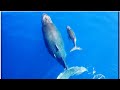
🐋 How Do Whales Float? The Science of Buoyancy Beneath the Waves
Let us dive into the science of buoyancy and discover how whales master it.
- The Perpetually Curious! › Canonical › Wilderness & Homestead CreaturesArticle
🌺 Whispers of Tiny Wings: Hummingbirds, Their Lives, and the Science of Small Flight
From section: 🌿 Ecological relationships rather than friendshipsHummingbirds are solitary and territorial, and they do not form social bonds with other birds. They defend feeding territories vigorously, often chasing intruders away from nectar sources. Despite this solitary nature, hummingbirds participate in ecological relationships that shape entire communities.
- The Perpetually Curious! › Canonical › Engineering & TechnologyArticle
🏭 Petroleum Refining: The Process Behind Heat, Pressure, and Design
From section: 🌎 Share this journeyIf this exploration of the petroleum refinery process offered insight or sparked curiosity, we encourage you to help us reach a wider audience by sharing it with friends and colleagues. Your support is deeply appreciated and may inspire others to look more closely at the science that quietly supports everyday life.
- The Perpetually Curious! › Archives › Botanical WondersArticle
🌳 The Sacred Peepal Tree (Ficus religiosa): Global Significance in Science, Nature, and Spirit
Few trees can match the cultural, scientific, and spiritual legacy of the Peepal tree (Ficus religiosa). More than just a botanical wonder, it is a living bridge between ecology, history, and faith.
- The Perpetually Curious! › Archives › PhysicsArticle
🌫️ How Radar Listens to the Sky: The Quiet Science Behind the Sweep
A radar dish turning slowly against the horizon often feels like a quiet sentinel, listening for stories carried on invisible waves. Although the technology is rooted in physics and engineering, its practice has a quiet elegance, as radar sends brief pulses of energy into the…
- The Perpetually Curious! › Archives › Wilderness & Homestead CreaturesArticle
🦩 Why Do Flamingos Stand on One Leg? The Science Behind Their Iconic Pose
Flamingos are instantly recognizable for their vivid pink plumage, long slender legs, and graceful presence in shallow lakes and lagoons. Among their most distinctive traits is the habit of standing on one leg, a posture that often appears serene and effortless. This behavior is…
- The Perpetually Curious! › Videos & Podcasts › Cosmic ExplorationPodcast
🌌 Planetary Names Explained: From Ancient Gods to Modern Science | Cosmic Exploration Series Podcast
From section: Video context#PlanetNames #SolarSystem #Astronomy 🪐 Why are the planets named Mercury, Venus, Earth, Mars, Jupiter, Saturn, Uranus, and Neptune? This astronomy podcast explores the origins and meanings of the planet names in our solar system, revealing how ancient observation, mythology, language, culture, and modern science…