Explore by topic, question, or idea. Find articles, reflections, videos, puzzles, and curiosity pathways gathered across the site.
Press Enter or select Search. A newly typed query starts globally; filters are applied only through the visible rail.
148 results for “why space looks dark”
- The Perpetually Curious! › Archives › Botanical WondersArticle
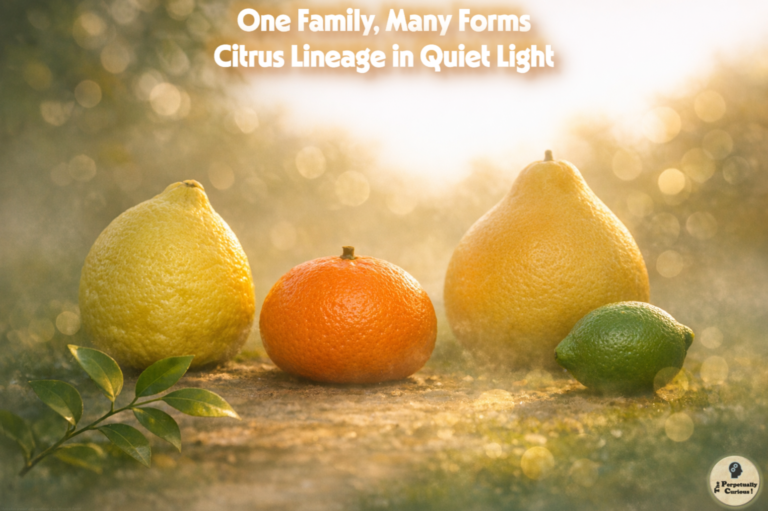
🍊 Citrus Family Tree: How Ancient Lineages Became Familiar Fruits
A fruit bowl can make oranges, lemons, limes, mandarins, and grapefruit look like separate botanical inventions. Their colors, flavors, and shapes seem distinct enough to suggest separate origins. The citrus family is more intertwined than that.
- The Perpetually Curious! › Archives › Planet EarthArticle
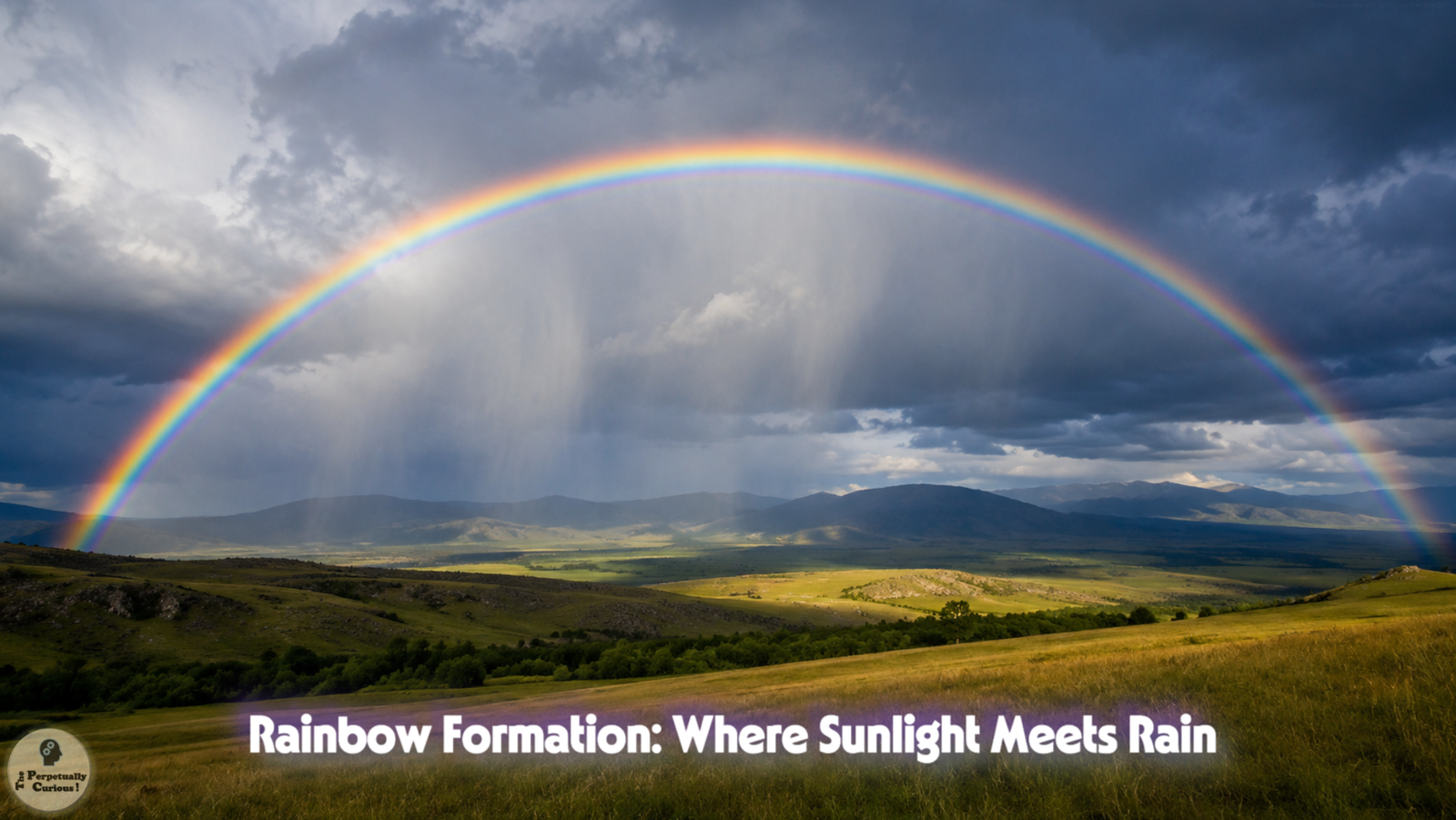
🌈 Rainbow Formation: Why Every Observer Sees a Different Arc
A rainbow can look like a colored bridge resting on a distant valley, field, or line of trees. Yet the arc is not anchored to that landscape. It is assembled for a particular observer by a particular set of illuminated water droplets.
- The Perpetually Curious! › Archives › History, Arts, and CultureArticle
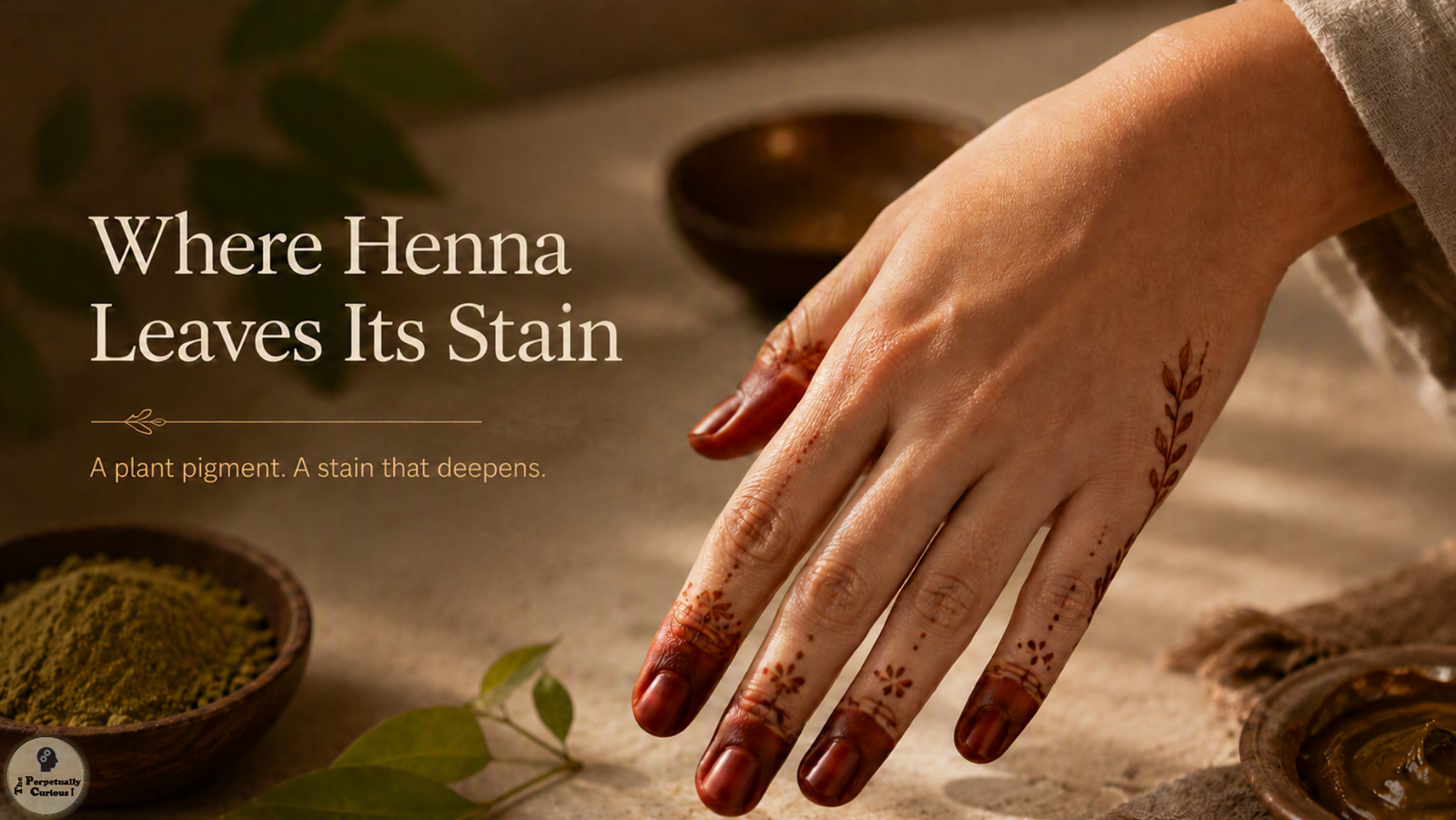
🌿 Why Henna Stains Fingertips More Deeply Than Other Skin
When dried henna paste is removed, the color beneath it can look almost modest: a clear orange tracing the fingertips and palm. By the following day, the same marks may have deepened toward reddish-brown.
- The Perpetually Curious! › Archives › Wilderness & Homestead CreaturesArticle
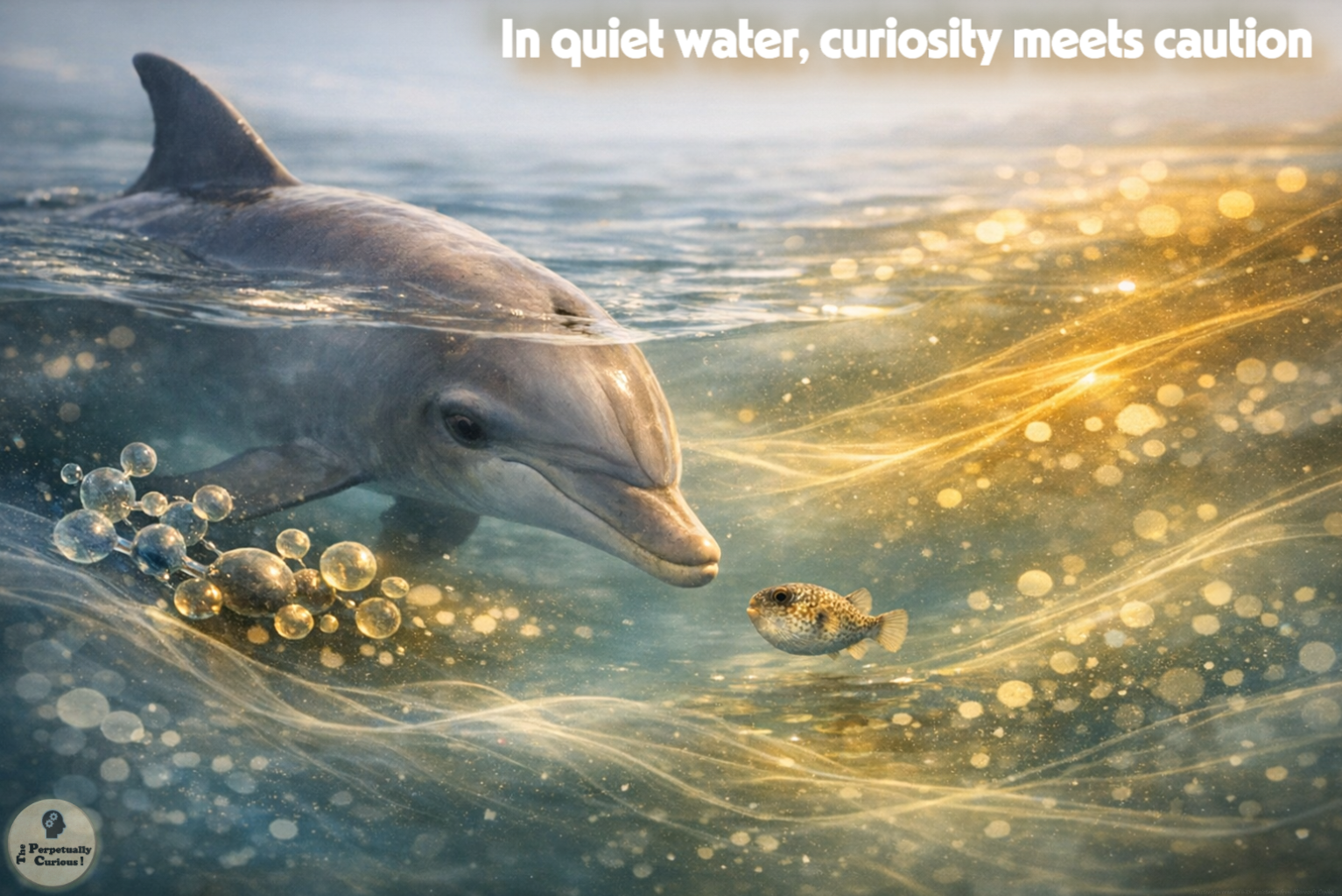
🧪 Animal Chemical Encounters: When Molecules Shape Behavior
In the sea, a chemical encounter can begin before a chase, a bite, or a sound. A molecule released from skin, mucus, food, or water can change what an animal notices, how it moves, and whether it keeps investigating. To human eyes, the moment may look like simple curiosity.
- The Perpetually Curious! › CanonicalGateway
📬 Updates
From section: About this spaceUpdates gathers meaningful recent movement across The Perpetually Curious!, with an emphasis on public work that gives readers something new to explore.
- The Perpetually Curious! › ArchivesGateway
TPC8‑QH‑CE‑006 🌌 Cosmic Exploration | 🌒 Moons, Rings, and Small Bodies II
From section: 1️⃣ Which moon of Saturn is famous for geysers that spray water vapor and ice into space?1️⃣ Which moon of Saturn is famous for geysers that spray water vapor and ice into space?
- The Perpetually Curious! › ArchivesGateway
TPC8‑QH‑CE‑005 🌌 Cosmic Exploration | 🌓 Moons, Rings, and Small Bodies I
From section: 3️⃣ What region of space lies between Mars and Jupiter and contains many rocky bodies?JupiterSaturnUranusNeptune 3️⃣ What region of space lies between Mars and Jupiter and contains many rocky bodies?
- The Perpetually Curious! › Videos & Podcasts › Cosmic ExplorationPodcast
🌌 Planetary Names Explained: From Ancient Gods to Modern Science | Cosmic Exploration Series Podcast
… 🌌 Welcome to the Cosmic Exploration Series, where astronomy, planetary science, space history, and the human stories behind the night sky come together.
- The Perpetually Curious! › Archives › Botanical WondersArticle
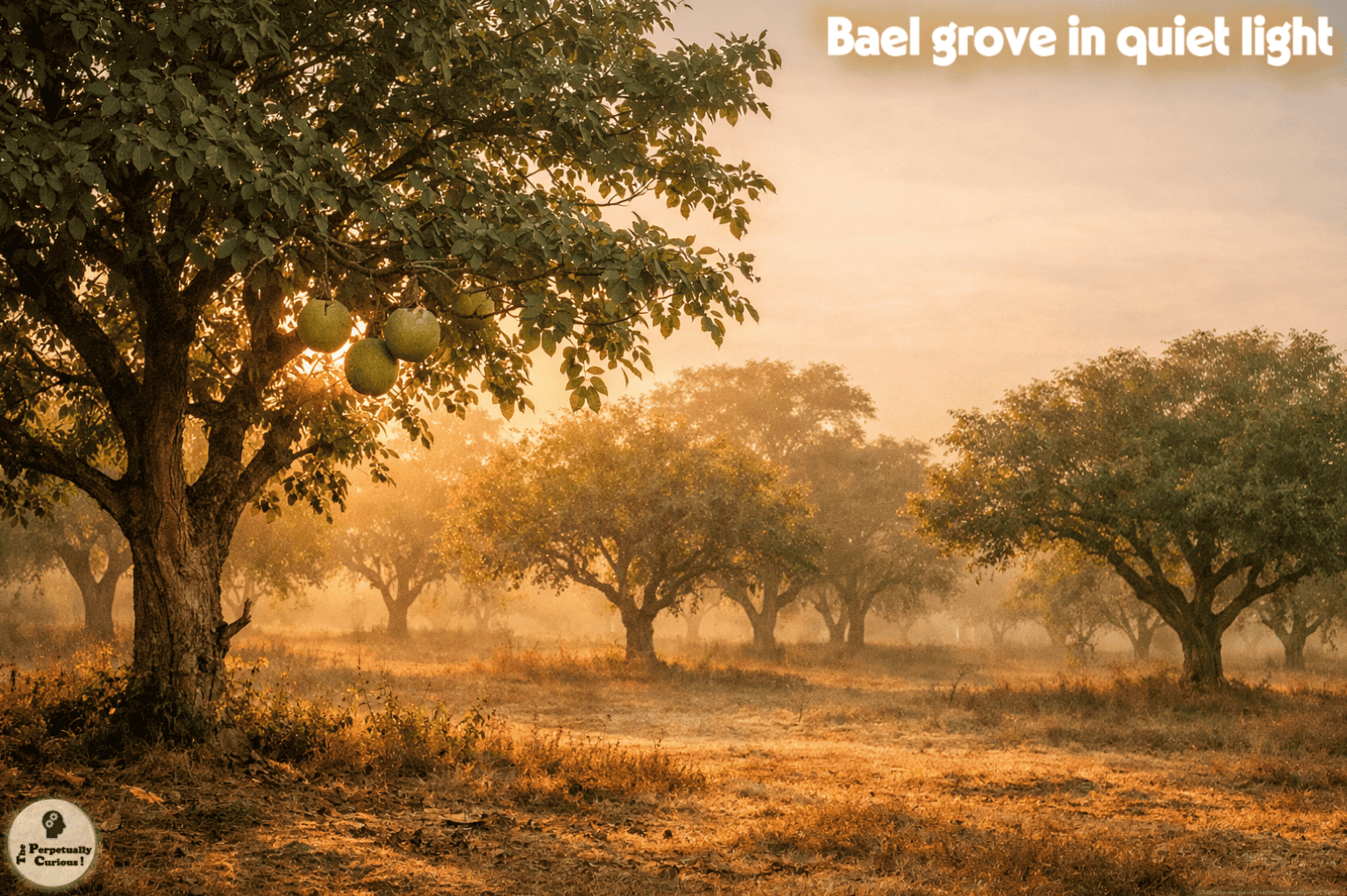
🍃 Bael Tree: Quiet Resilience in Leaf and Fruit
The bael tree, Aegle marmelos, is not a showy tree in the usual sense. Its strength is quieter. It grows across warm South Asian landscapes where dry seasons can be long, soils can be difficult, and survival often depends on patience rather than speed.
- The Perpetually Curious! › CanonicalGateway
🔦 Where Light Goes: Why a Shadow Is Not a Reflection
This also explains why a shadow is not simply a dark reflection. The dark shape on a wall is an illumination pattern created because part of the source light has been blocked, rather than an image formed by orderly reflected rays from the object. …