Explore by topic, question, or idea. Find articles, reflections, videos, puzzles, and curiosity pathways gathered across the site.
Press Enter or select Search. A newly typed query starts globally; filters are applied only through the visible rail.
25 results for “an incandescent light bulb works”
- The Perpetually Curious! › Canonical › Planet EarthArticle
🌌 Sky in Slow Layers: Understanding Earth’s Atmospheric Structure
From section: ☁️ Troposphere: where weather and life share the same air… One compact, engineered expression of this photosynthetic exchange appears in microalgae photobioreactors, where managed cultures use light energy to incorporate inorganic carbon into biomass while releasing oxygen.
- The Perpetually Curious! › Canonical › Planet EarthArticle
🌧️ When Clouds Let Go: Why It Rains and How Raindrops Are Born
Rain gathers in the sky with a patience that feels almost human, rising and falling in its own quiet rhythm. Each drop carries a small memory of the air that shaped it, a brief passage through light and motion. …
- The Perpetually Curious! › Canonical › Planet EarthArticle
🏔️ Mount Kailash: A Summit Where Water, Story, and Sky Converge
A stillness gathers around the mountain, where light moves across stone and snow in quiet rhythms. In this high place, water, story, and sky meet without urgency, as if the world pauses to listen. Some landscapes speak softly, yet their presence lingers long after the path has turned away.
- The Perpetually Curious! › Canonical › Planet EarthArticle
🌧️ When Earth Begins to Breathe: Why Rain Smells the Way It Does
From section: 💧 How raindrops release the scentLight to moderate rain tends to produce more aerosols than heavy rain because the impact conditions better support bubble formation and bursting. Warm surfaces can also intensify volatilization, which is why the scent of rain may seem stronger after a period of heat.
- The Perpetually Curious! › Canonical › Planet EarthArticle
🌍🌑 Where Two Soils Part Ways: Earth, Moon, and the Stories Written in Dust
The Earth keeps its stories in living soil that shifts and breathes, while the Moon holds its history in dust shaped by silence and light. Between them lies a record of two worlds that began together yet grew apart. In their grains and shadows, the long memory of their shared origin still waits in quiet patience.
- The Perpetually Curious! › Canonical › Planet EarthArticle
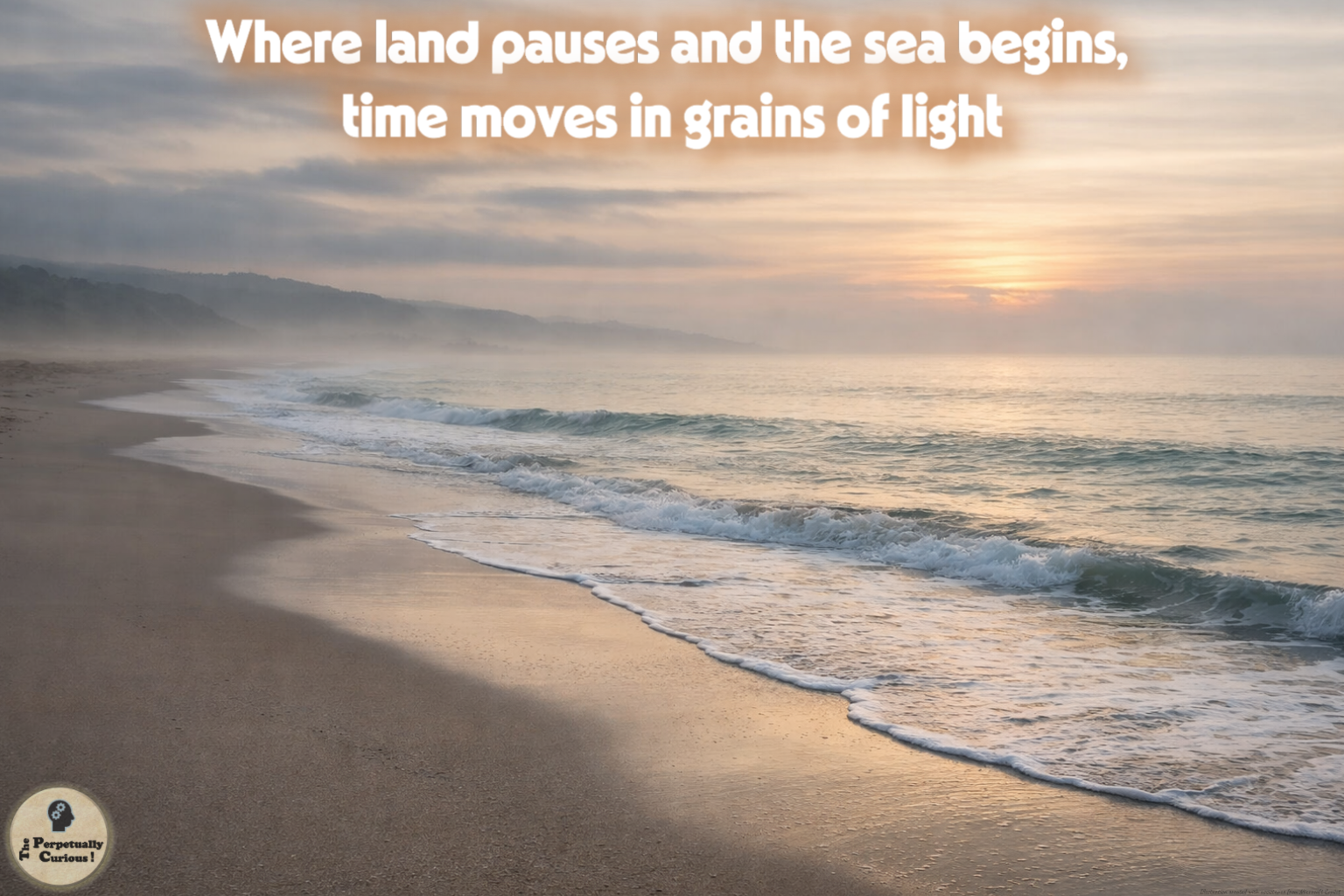
🌊 Where the Waves Leave Their Footprints: Why Beaches Carry Sand
From section: 💡 Did You Know🔆 Some mineral‑rich sands sparkle or appear brighter in direct or low‑angle light, as flat reflective grains such as mica catch and scatter the light.
- The Perpetually Curious! › Canonical › Planet EarthArticle
🌍 Why Mud Is Brown or Black: Where Earth Turns to Quiet Ink
The earth settles into its darker tones where water lingers and light moves slowly through the quiet layers below. In these shaded places, iron, clay, and time leave their soft record of change. The surface holds the moment, while the depths keep their patient ink.
- The Perpetually Curious! › Archives › Planet EarthArticle
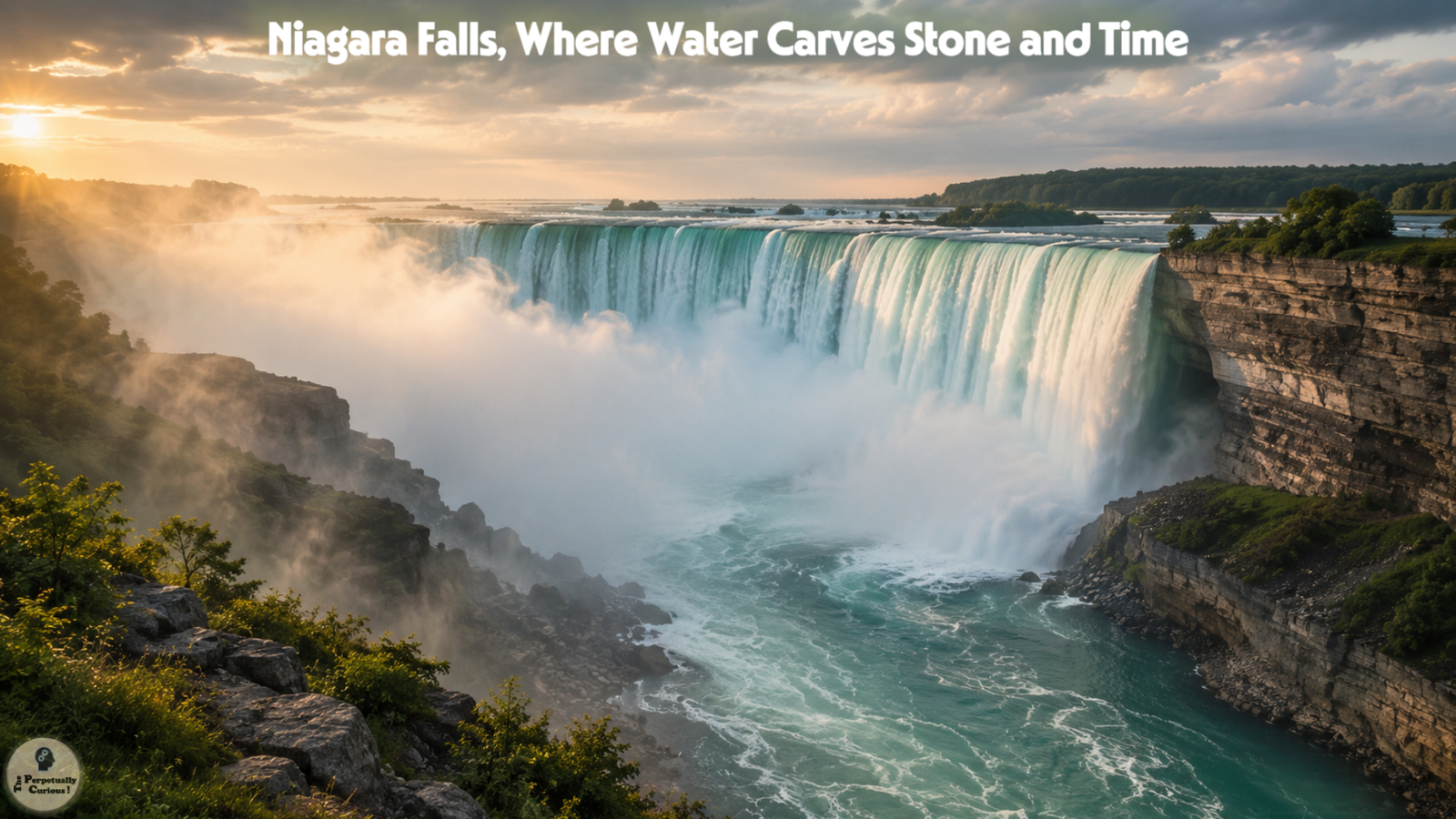
🌊 Niagara Falls Facts: How Water Turns Stone Into Time
From section: Mist as a sign of forceMoisture clings to gorge walls, gathers around vegetation, and changes how light reaches the scene.
- The Perpetually Curious! › Archives › Planet EarthArticle
🌊 Why Beaches Have Sand
From section: How sand reaches and stays on the shoreSand grains are heavy enough to settle quickly but light enough to be lifted and moved by waves.
- The Perpetually Curious! › Archives › Planet EarthArticle
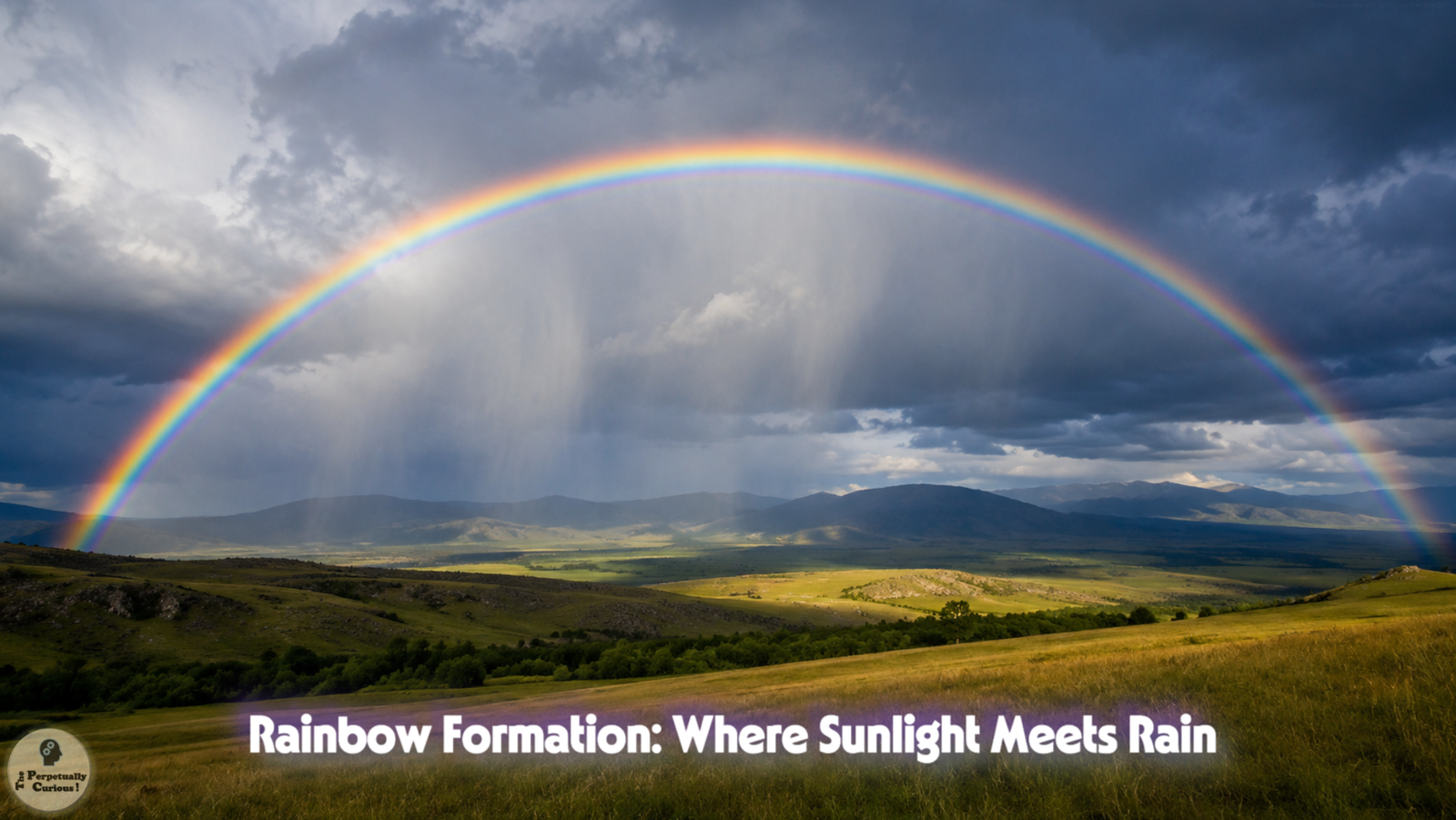
🌈 Rainbow Formation: Why Every Observer Sees a Different Arc
Move a few steps, and a new group of droplets begins sending the required light toward the eye.