Explore by topic, question, or idea. Find articles, reflections, videos, puzzles, and curiosity pathways gathered across the site.
Press Enter or select Search. A newly typed query starts globally; filters are applied only through the visible rail.
21 results for “days of the week names origins etymology history arts culture podcast tpc8”
- The Perpetually Curious! › Canonical › Botanical WondersArticle
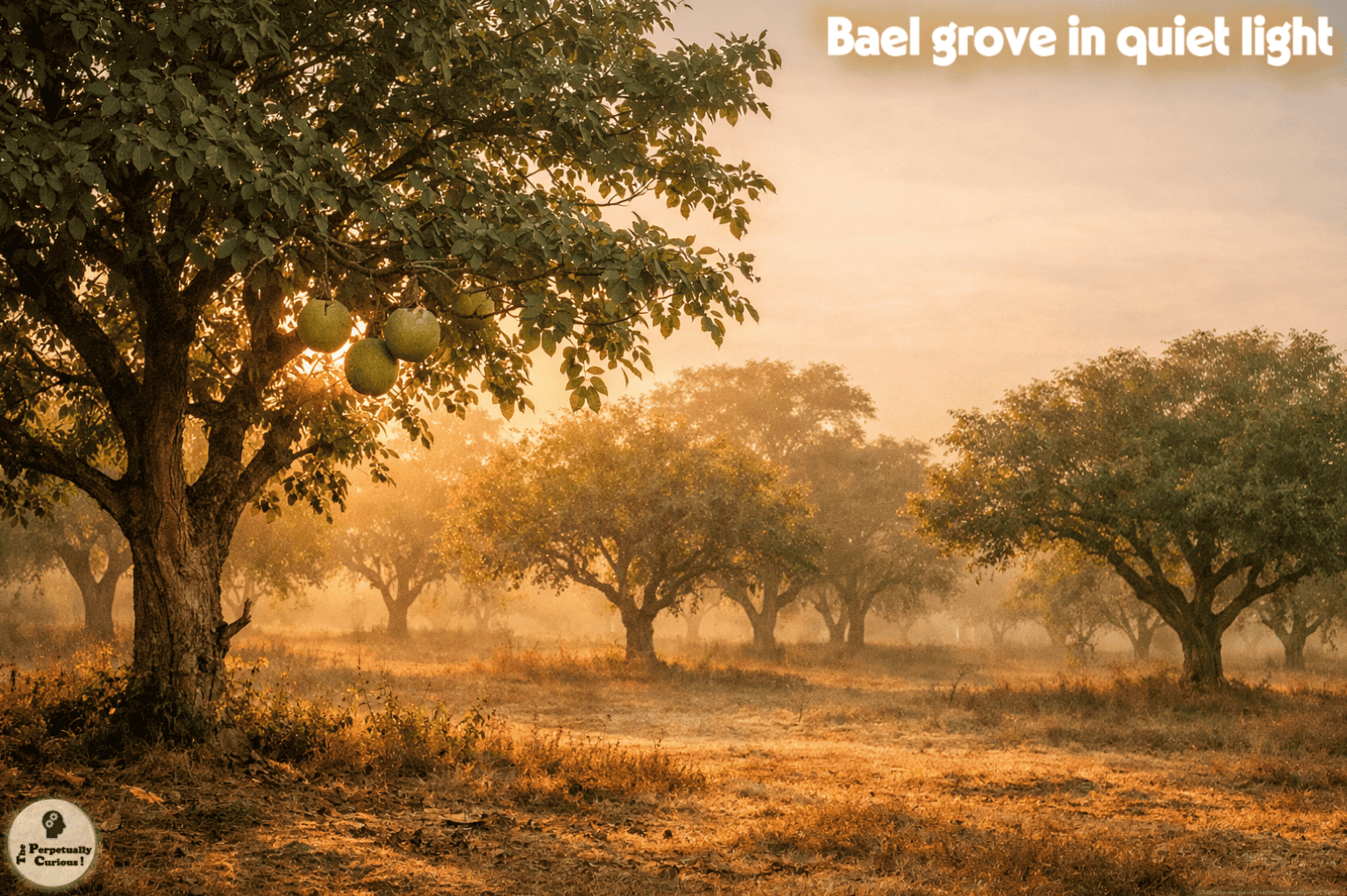
🍃 Bael Tree: Ecology, Sacred Groves, and Cultural History
This article follows the bael tree from its physical form through habitat, culture, pollination, fruit, and climate resilience, tracing how one species can bridge ecology and heritage.
- The Perpetually Curious! › Archives › Botanical WondersArticle
🌳 The Sacred Peepal Tree (Ficus religiosa): Global Significance in Science, Nature, and Spirit
Few trees can match the cultural, scientific, and spiritual legacy of the Peepal tree (Ficus religiosa). More than just a botanical wonder, it is a living bridge between ecology, history, and faith.
- The Perpetually Curious! › Archives › Botanical WondersArticle
🌿 The Neem Tree: Nature’s Evergreen Healer
🌳 A Living Landmark The neem tree (Azadirachta indica) is an evergreen native to the Indian subcontinent, instantly recognizable by its wide, spreading canopy, rough gray bark, and delicate, serrated leaves. It typically grows 15–25 meters tall and can occasionally reach 30 meters.
- The Perpetually Curious! › Archives › Botanical WondersArticle
The Banyan Tree: Nature's Living Cathedral 🌳
Opening: Where One Becomes Many In the botanical world, few organisms challenge our understanding of individuality quite like the banyan tree. Ficus benghalensis, as scientists know it, can begin life as an epiphyte germinating in the branches of another tree, though it can also…
- The Perpetually Curious! › Archives › Botanical WondersArticle
🌳 The Baobab Tree: Nature’s Enduring “Tree of Life”
Scattered across the sweeping landscapes of Africa, Madagascar, and Australia stands one of nature’s most iconic and resilient wonders, the baobab. Admired for its surreal silhouette with branches reaching skyward like roots, the baobab is more than striking.
- The Perpetually Curious! › Archives › Botanical WondersArticle
The Riverbank Architect: Discovering the Remarkable Arjuna Tree 🌊
Stand beneath an ancient Arjuna tree during monsoon season and you'll understand why riverside communities have revered these giants for millennia. Water droplets cascade from leaves that shimmer like green glass, while the smooth bark releases a subtle earthy fragrance after rain.
- The Perpetually Curious! › Archives › Botanical WondersArticle
🍃 Bael Tree: Quiet Resilience in Leaf and Fruit
The bael tree, Aegle marmelos, is not a showy tree in the usual sense. Its strength is quieter. It grows across warm South Asian landscapes where dry seasons can be long, soils can be difficult, and survival often depends on patience rather than speed.
- The Perpetually Curious! › Canonical › Botanical WondersArticle
🍊 The Citrus Family Tree: Tracing the Roots of Oranges, Lemons, Limes, and Grapefruit
From section: 🌐 One genus, many stories: bringing the citrus family togetherRegional names such as sweet lime, kamala orange, naarthangai, and kadarangai reflect local histories and uses. Scientific names such as Citrus limon or Citrus × sinensis reflect lineage and classification. …
- The Perpetually Curious! › Canonical › Botanical WondersArticle
🍃 Pirandai (Cissus quadrangularis): Tradition, Botany, and Quiet Scientific Curiosity
From section: 🌱 Names across a diverse landscapeAcross India’s many languages, the same species carries a constellation of names. Pirandai is rooted in Tamil home gardens and culinary memory. In Hindi-speaking regions, it is widely recognized as Hadjod, while Telugu and Kannada speakers may know it as Nalleru and Vajravalli, among other regional names.
- The Perpetually Curious! › Canonical › Botanical WondersArticle
🌱 Why Fruits Have Seeds: The Many Ways Plants Begin Again
From section: 🧺 Usefulness depends on who is lookingMuch of what we casually call a nut is also a lesson in the difference between culinary and botanical names. Not all culinary nuts are botanical nuts, and a true botanical nut is itself a dry fruit enclosing a seed rather than simply a bare seed.