Explore by topic, question, or idea. Find articles, reflections, videos, puzzles, and curiosity pathways gathered across the site.
Press Enter or select Search. A newly typed query starts globally; filters are applied only through the visible rail.
11 results for “how brain form”
- The Perpetually Curious! › Canonical › Wilderness & Homestead CreaturesArticle
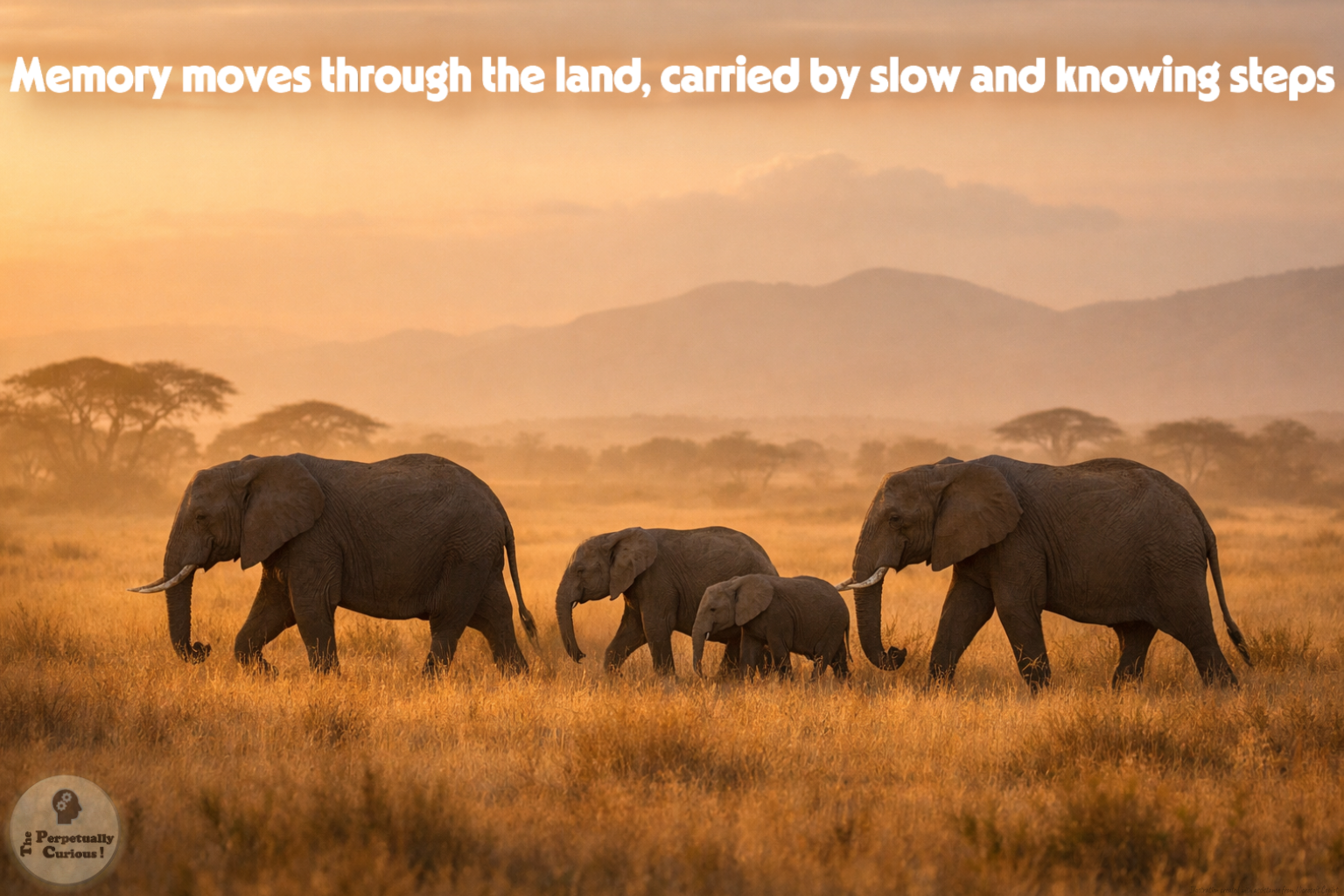
🐘 Minds Like Quiet Rivers: The Intelligence of Elephants
From section: 🧠 A brain built for long lives and complex worldsElephants also have the longest gestation period of any living mammal, lasting about 22 months. While gestation itself does not cause intelligence, it allows the developing brain to form extensive neural connections before birth. …
- The Perpetually Curious! › Canonical › Wilderness & Homestead CreaturesArticle
🐆 Baby Cheetahs: Early Life, Survival, and the Slow Road to Speed
From section: 🛡️ Maternal care in the earliest daysAdult female cheetahs are generally solitary except while raising cubs, and the mother provides their care alone. Male cheetahs may live singly or form coalitions, but they do not normally participate in rearing offspring. …
- The Perpetually Curious! › Canonical › Wilderness & Homestead CreaturesArticle
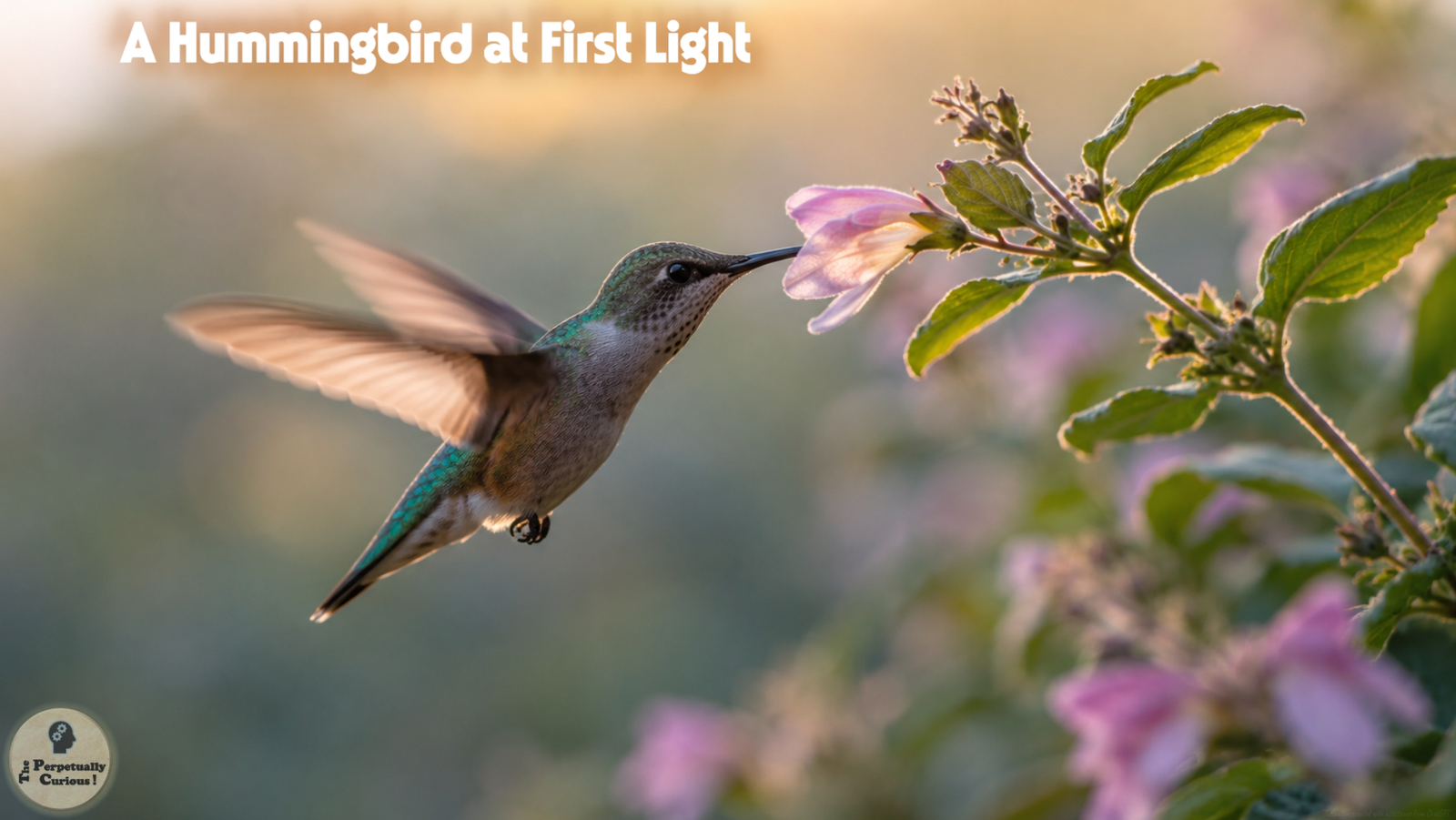
🌺 Whispers of Tiny Wings: Hummingbirds, Their Lives, and the Science of Small Flight
From section: 🌿 Ecological relationships rather than friendshipsHummingbirds are solitary and territorial, and they do not form social bonds with other birds. They defend feeding territories vigorously, often chasing intruders away from nectar sources. Despite this solitary nature, hummingbirds participate in ecological relationships that shape entire communities.
- The Perpetually Curious! › Canonical › Wilderness & Homestead CreaturesArticle
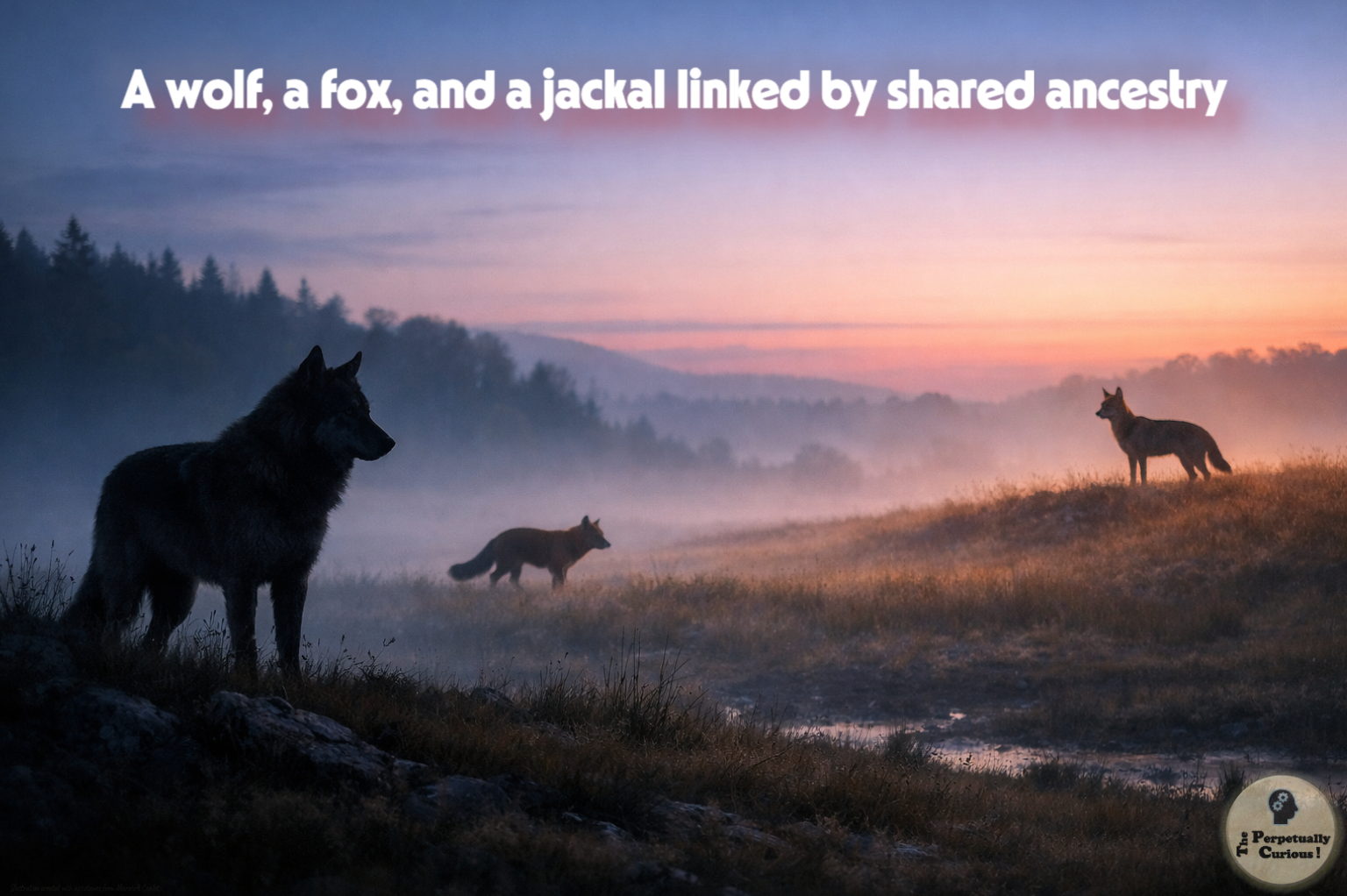
🐾 Where the Wild Paths Divide: Wolves, Foxes, and Jackals in the Dog Family
From section: 🐕 Where opportunity guided survivalJackals often form long‑term monogamous pairs. Older offspring may remain with their parents and help raise younger siblings, bringing food to the den and assisting with protection. Communication plays a central role in this social structure. Jackals use barks, yelps, and howls, and some species perform duet calls in…
- The Perpetually Curious! › Canonical › Wilderness & Homestead CreaturesArticle
🌍 African Wild Dogs: Painted Wolves of the Savanna
From section: 👥 Life inside the packYoung adults may eventually disperse from their natal pack to join other groups or form new ones.
- The Perpetually Curious! › Archives › Wilderness & Homestead CreaturesArticle
🌍 African Wildlife and Landscapes: A Heritage of Beauty and Balance
These environments form a living record of natural history, where beauty and dynamic ecological functioning emerge from interactions among climate, landforms, water, and the species that inhabit them.
- The Perpetually Curious! › Canonical › Wilderness & Homestead CreaturesArticle
🧫 Tides of Chemical Worlds: How Animals Meet the Molecules Around Them
Before an animal sees or hears another creature, it often meets its chemistry first. Across forests, oceans, and grasslands, animals move through landscapes shaped not only by terrain and climate, but also by chemistry.
- The Perpetually Curious! › Archives › Wilderness & Homestead CreaturesArticle
🐘 Elephant Intelligence: How Memory Becomes a Family Inheritance
From section: Knowledge Carried Without a ClassroomSeen through this lens, elephant intelligence is not defined only by brain size or isolated problem-solving feats.
- The Perpetually Curious! › Archives › Wilderness & Homestead CreaturesArticle
🐦 How Hummingbirds Hover: The Motion Inside Apparent Stillness
From section: Precision Has an Energy CostWhat looks like stillness is therefore a precise form of motion.
- The Perpetually Curious! › Archives › Wilderness & Homestead CreaturesArticle
🐾 Wolves, Foxes, and Jackals: One Family, Many Survival Paths
From section: A family blueprint, not a single lifestyleLong muzzles, mobile ears, efficient legs, bushy tails, scent rich noses, and adaptable teeth form a toolkit that can be stretched toward many ways of living.