Explore by topic, question, or idea. Find articles, reflections, videos, puzzles, and curiosity pathways gathered across the site.
Press Enter or select Search. A newly typed query starts globally; filters are applied only through the visible rail.
247 results for “sky in slow layers understanding earth atmospheric structure”
- The Perpetually Curious! › Canonical › Wilderness & Homestead CreaturesArticle
🐘 Minds Like Quiet Rivers: The Intelligence of Elephants
The minds of elephants move like slow rivers, carrying memory through the quiet distances of their world. Their steps trace old knowledge across shifting light and open space, guided by bonds that endure beyond a single lifetime. In their presence, the landscape itself seems to remember.
- The Perpetually Curious! › Canonical › Biology & HealthArticle
🌙 Little Moons at the Base of Our Nails: The Quiet Science of the Lunula
The journey into this crescent begins with what we see on the surface, then moves gently beneath it, following the layers of structure and growth that give rise to the pale crescent called the lunula. …
- The Perpetually Curious! › Canonical › ChemistryArticle
💧 When Water Turns Gentle: The Science and Story of Water Softening
A glass of water can appear perfectly clear and still carry a record of the ground beneath it. As water moves through soil, limestone, chalk, dolomite, and other mineral-bearing layers, it can gather calcium and magnesium ions that change how it behaves without changing how it looks.
- The Perpetually Curious! › CanonicalReflection
Quiet Cycles of Life
👁️ In quiet cycles, the planet exchanges oxygen and carbon across leaf, sea, and sky. When we pay attention to that hidden cadence, we sense a shared rhythm moving through living systems. A Quiet Descent into the Reflection Consider a single oak leaf in sunlight.
- The Perpetually Curious! › Archives › Planet EarthArticle
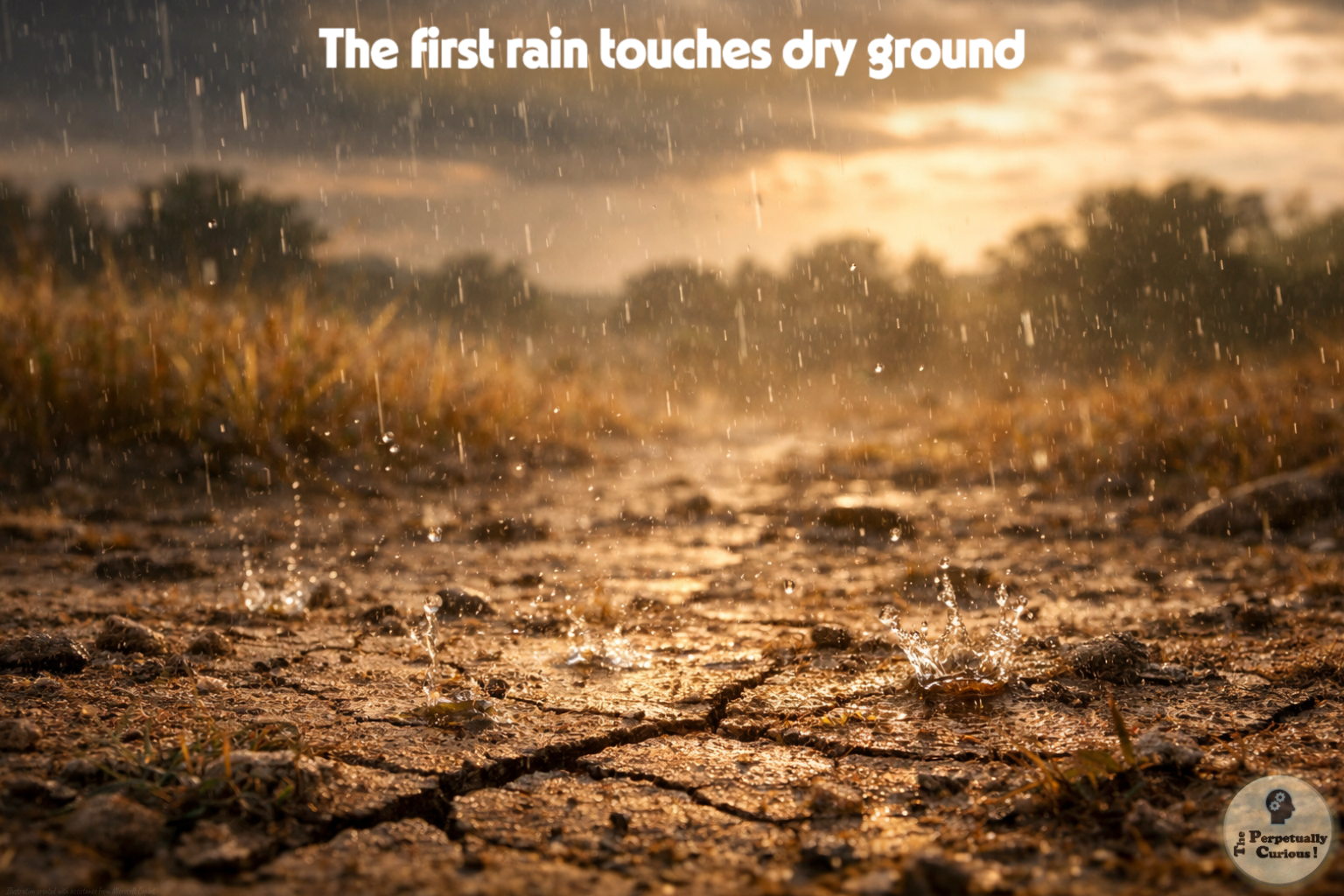
🌧️ Petrichor: How First Rain Lifts Earth’s Hidden Scent
From section: Why the scent changes from place to placeIn the wider Planet Earth collection, this kind of everyday observation sits beside larger patterns of weather, soil, water, and atmosphere.
- The Perpetually Curious! › Archives › Cosmic ExplorationArticle
🌌 When Stars Become Worlds: A Journey Through the Largest Stars We Know
The largest stars in the universe are not simply scaled-up versions of the Sun. They are vast, unstable, and luminous structures whose outer layers drift in slow, turbulent motion. Their atmospheres are so extended that the idea of a clear surface begins to dissolve into gradients of thinning gas.
- The Perpetually Curious! › Canonical › Engineering & TechnologyArticle
🚆 Quiet Power on the Rails: Understanding Hydrogen Trains and Their Emerging Role
… Understanding where they fit begins with a practical question: what kinds of routes make an onboard hydrogen system worth considering? The answer begins not inside the train, but along the route itself.
- The Perpetually Curious! › Archives › Planet EarthArticle
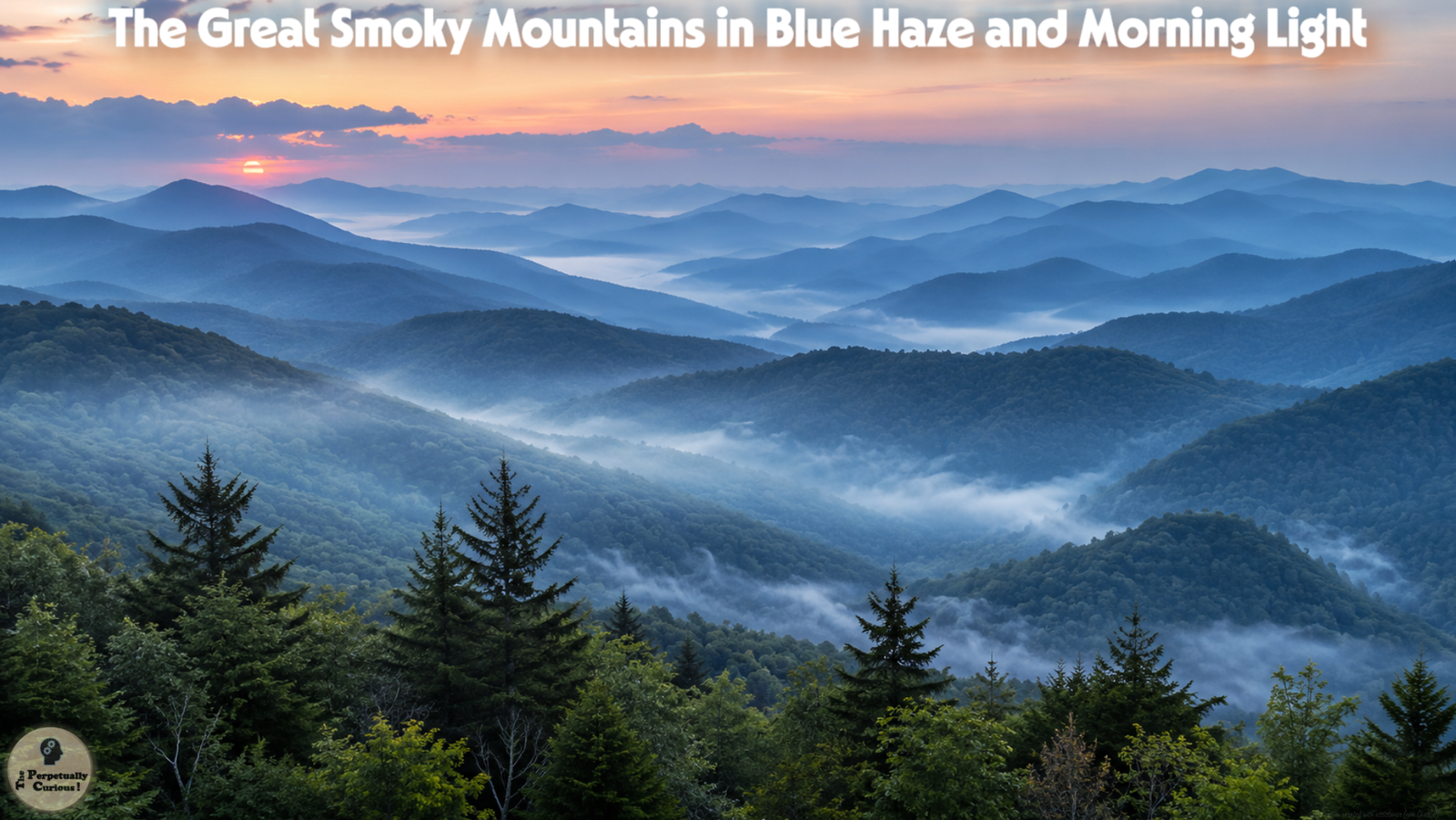
🌫️ Why the Great Smoky Mountains Fade into Blue Haze
From section: A landscape that seems to breatheAfter changing weather, the same overlook can move from sharply defined slopes to soft layers that seem to dissolve into the sky.
- The Perpetually Curious! › Archives › Planet EarthArticle
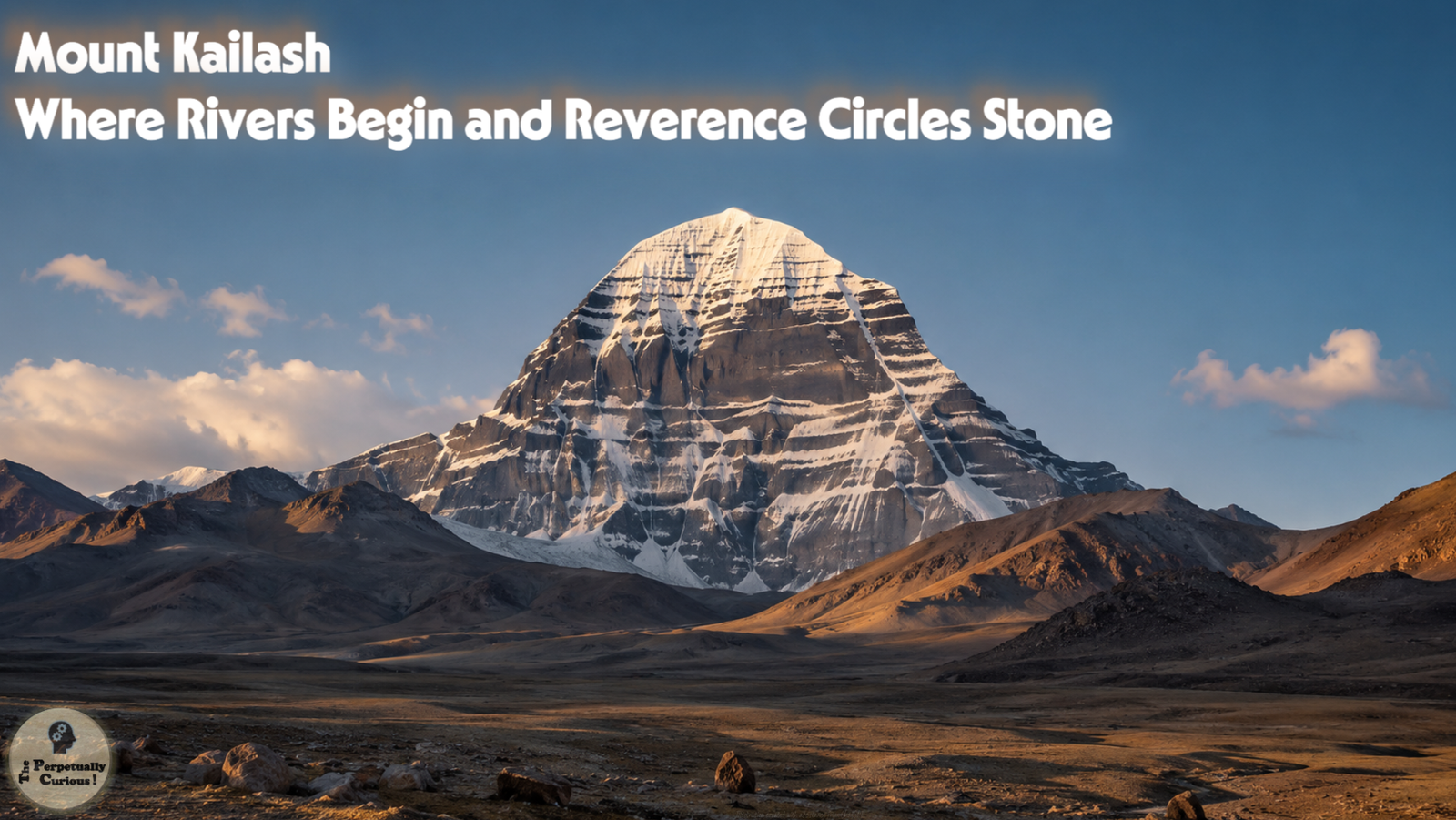
🏔️ Mount Kailash: Why a Sacred Summit Is Circled, Not Climbed
Mount Kailash is often described through reverence, but its power begins with geography. On the western Tibetan Plateau, the mountain rises as a sharply recognizable summit of snow, dark rock, and open sky. It is high, about 21,778 feet (6,638 meters), yet its significance does…
- The Perpetually Curious! › Archives › Planet EarthArticle
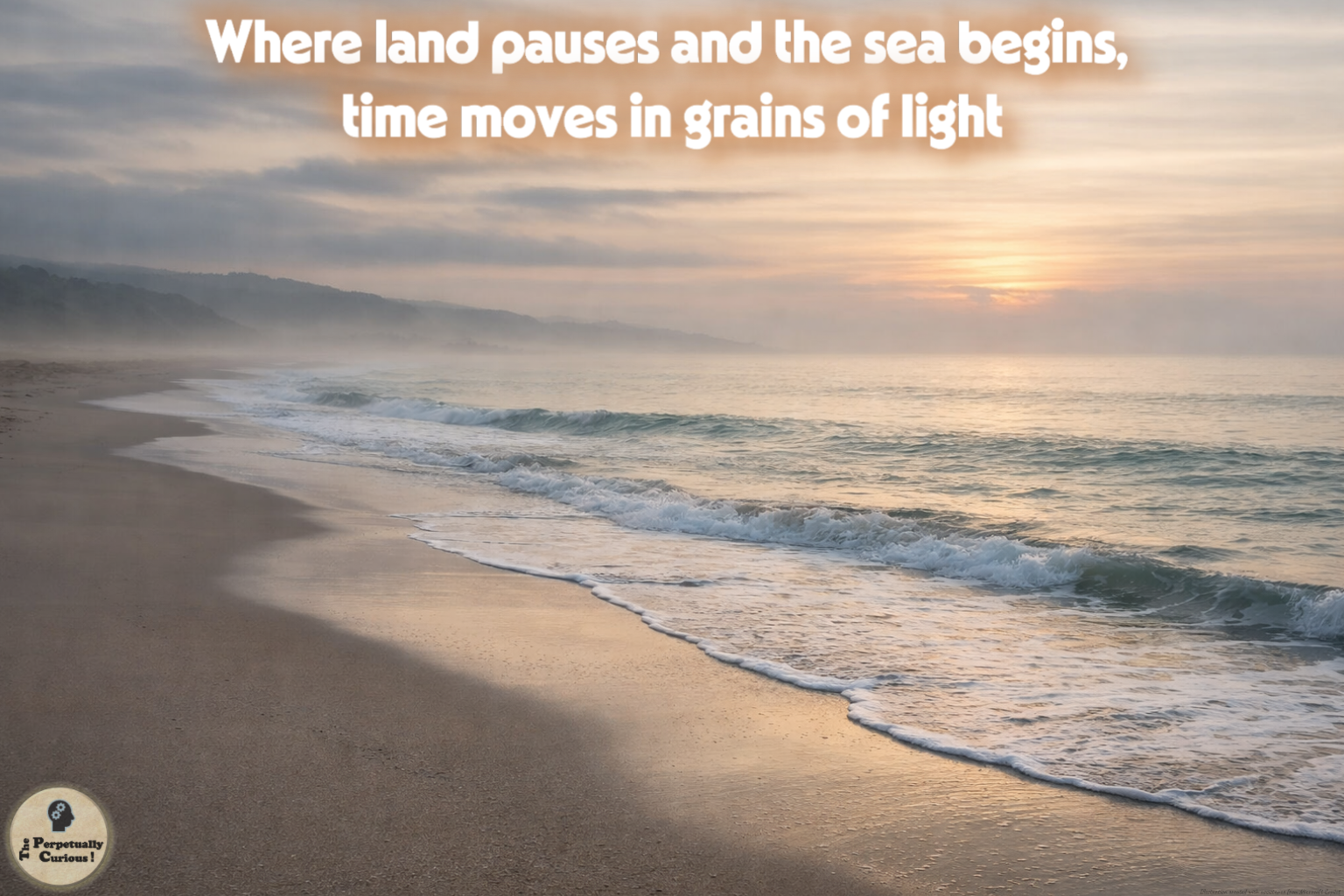
🌊 Why Beaches Have Sand
Beaches often appear simple at first glance. They seem like a narrow place where land and water meet. Yet the presence of sand along so many coastlines is the result of long journeys, slow transformations, and the combined work of rivers, weather, and waves.