Explore by topic, question, or idea. Find articles, reflections, videos, puzzles, and curiosity pathways gathered across the site.
Press Enter or select Search. A newly typed query starts globally; filters are applied only through the visible rail.
47 results for “technology hand”
- The Perpetually Curious! › CanonicalGateway
🛠️ Engineering & Technology | Articles
Human-made systems, innovations, structures, and emerging technologies This collection explores engineering and technology themes that shape the modern world, tracing the materials, machines, processes, and systems that define human-made design and innovation. Explore the themes below.
- The Perpetually Curious! › Canonical › Engineering & TechnologyArticle
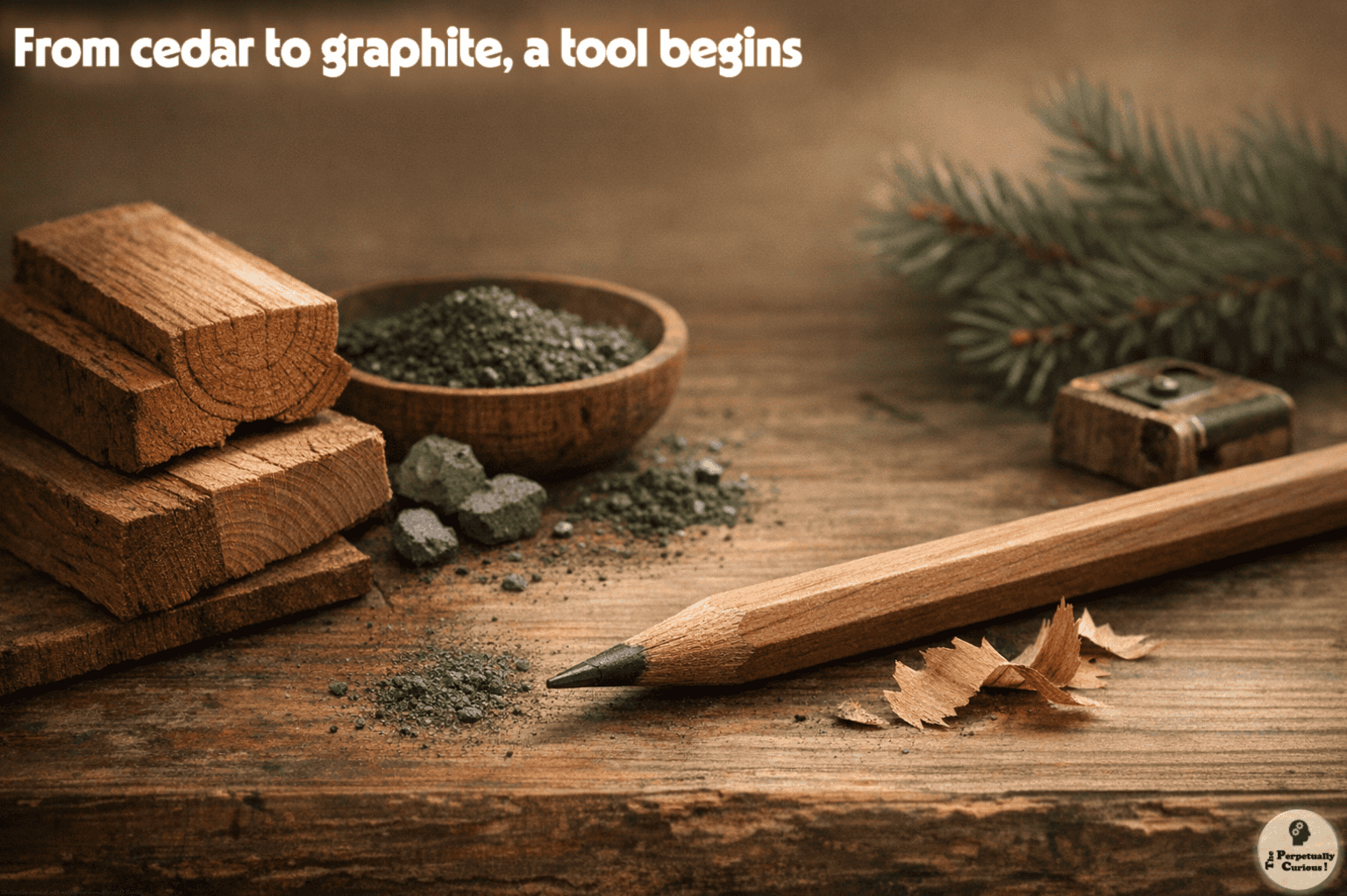
🧪 The Quiet Alchemy of Pencil Making: How an Everyday Tool Comes into Being
A pencil rests so lightly in the hand that it can be easy to forget the long journey that brought it into existence. It begins in forests where softwoods grow in patient rings, and in geological seams where carbon has settled into crystalline layers.
- The Perpetually Curious! › Archives › PhysicsArticle
🌫️ How Radar Listens to the Sky: The Quiet Science Behind the Sweep
A radar dish turning slowly against the horizon often feels like a quiet sentinel, listening for stories carried on invisible waves. Although the technology is rooted in physics and engineering, its practice has a quiet elegance, as radar sends brief pulses of energy into the…
- The Perpetually Curious! › Archives › Engineering & TechnologyArticle
✏️ Pencil Making: How Graphite and Cedar Become a Line
The surface must protect the pencil while still feeling comfortable in the hand.
- The Perpetually Curious! › Archives › Biology & HealthArticle
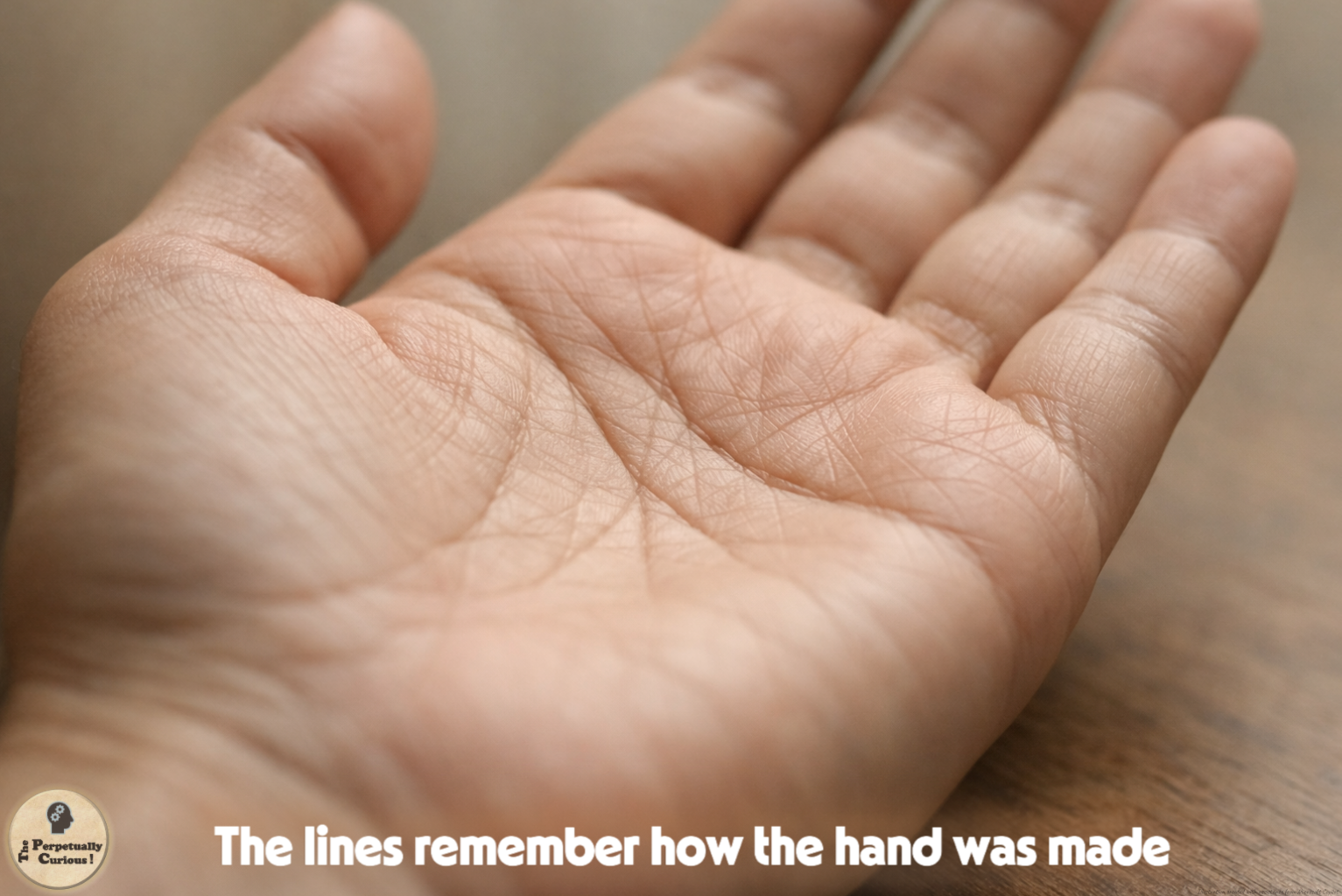
✋ Palm Lines Explained: The Quiet Folds That Help the Hand Move
The lines in the palm are easy to overlook because they feel so ordinary. They cross the hand quietly, deepening when the fingers curl and softening when the palm opens. Yet those familiar folds are not random marks added by years of use. They begin much earlier, when the hand…
- The Perpetually Curious! › Canonical › Engineering & TechnologyArticle
🚂 Echoes of Steam, Currents of Steel: Train Engines and the Rise of High-Speed Motion
From section: 🚃 The age of steam: power, speed, and expansion… In later steam history, record-setting engines such as Britain’s Mallard, which reached 126 miles per hour (203 kilometers per hour) in 1938, showed how far the technology could be refined. Yet the same machines that inspired awe also demanded constant fuel, water, cleaning, inspection, and skilled labor. …
- The Perpetually Curious! › Canonical › Engineering & TechnologyArticle
🖋️ Printing Ink: The Science and Living History Behind the Printed Page
From section: 🧪 From liquid to mark: How ink dries and setsOnce ink is placed on a surface, it must transition from fluid to solid. This transformation depends on both the ink formulation and the substrate. Drying mechanisms shape sharpness, gloss, durability, and handling time, which is why they are central to printing technology.
- The Perpetually Curious! › Archives › Engineering & TechnologyArticle
✈️ The Engineering Mastery Behind Airplane Washrooms: Innovation and Sustainability at High Altitudes
From section: Innovation in Motion 💡Innovation in Motion 💡 As aviation technology continues to advance, onboard sanitation systems remain a testament to the industry’s dedication to innovation and sustainability.
- The Perpetually Curious! › Canonical › Biology & HealthArticle
🌫️ The Quiet Maps in Our Hands: Why Palm Lines Form and What They Reveal About Development, Movement, and Meaning
From section: 🌌 A quiet conclusion in the palm of the hand… The lines that cross it formed when the body was still hidden from view, shaped by genes, growth, and the mechanics of movement. They help the hand fold, grip, and gesture. They vary from person to person in ways that are sometimes medically relevant, often simply individual.
- The Perpetually Curious! › Archives › Engineering & TechnologyArticle
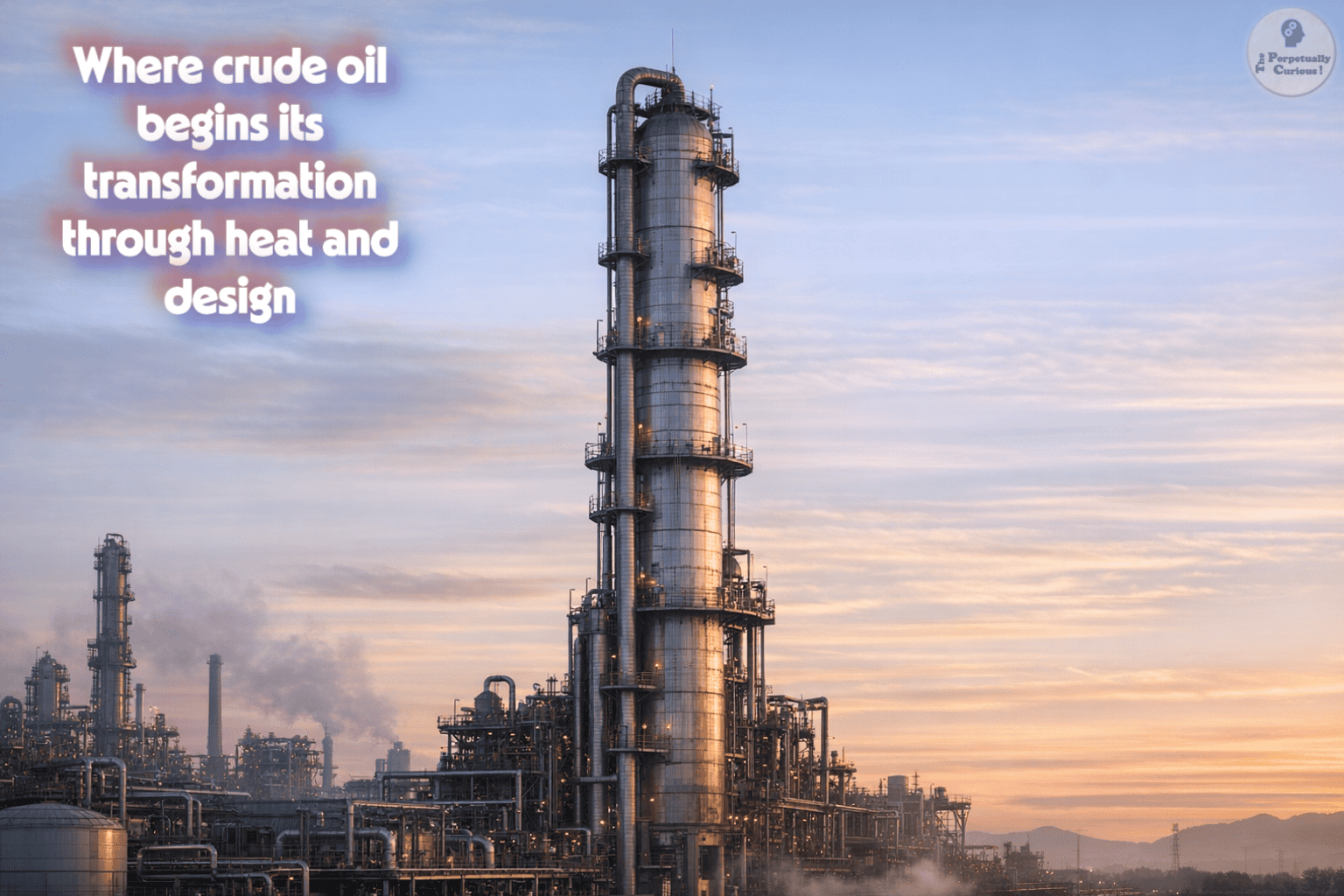
🏭 Petroleum Refining: How Crude Oil Begins to Transform
From section: Why separation is not the finishExplore Engineering & Technology Articles