Explore by topic, question, or idea. Find articles, reflections, videos, puzzles, and curiosity pathways gathered across the site.
Press Enter or select Search. A newly typed query starts globally; filters are applied only through the visible rail.
24 results for “the curve that seemingly defies gravity the brachistochrone and the fastest path down”
- The Perpetually Curious! › Canonical › Planet EarthArticle
🌊 Niagara Falls, Where Thundering Waters Shape Time
From section: Frequently Asked Questions+How do scientists know where the falls used to be? Researchers study the Niagara Gorge, which preserves the retreat path of the falls through its length, shape, and exposed rock layers.
- The Perpetually Curious! › Canonical › Planet EarthArticle
🌇 When the Sky Becomes a Painting: Why Clouds Glow Red and Orange at Sunset on Earth
The sky gathers its last colors as if it is remembering the long path of light across the day. Each shade settles gently into the horizon, carrying the quiet story of how the world meets the Sun. In this moment, the day closes with a calm that feels both ancient and newly made.
- The Perpetually Curious! › Canonical › Planet EarthArticle
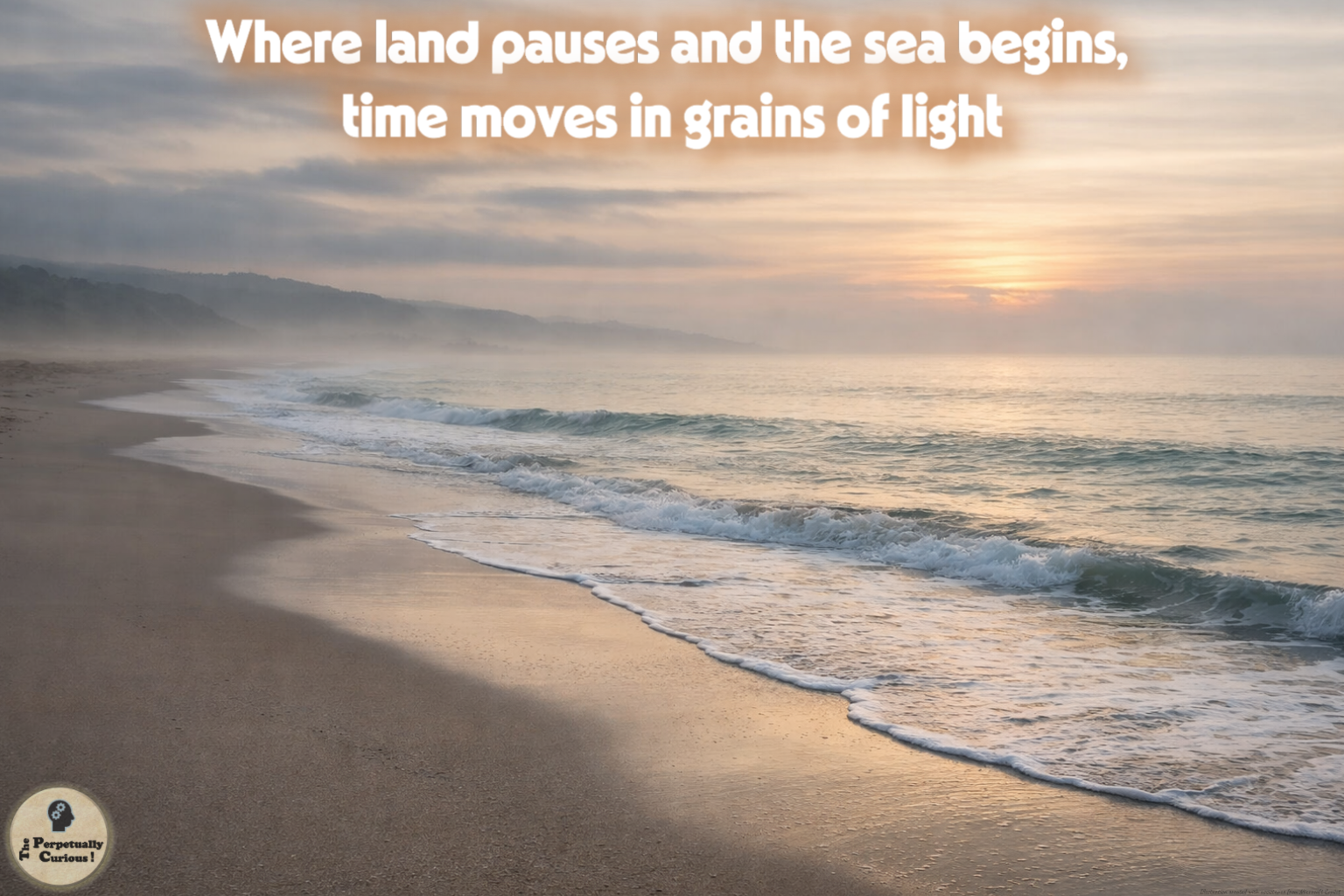
🌊 Where the Waves Leave Their Footprints: Why Beaches Carry Sand
The shore holds the memory of distant mountains carried grain by grain to the edge of the sea. Each wave lifts the past into motion and sets it down again in a quiet rhythm that never repeats itself. In this meeting of land and water, every grain rests for a moment in the long story of the Earth.
- The Perpetually Curious! › Canonical › Planet EarthArticle
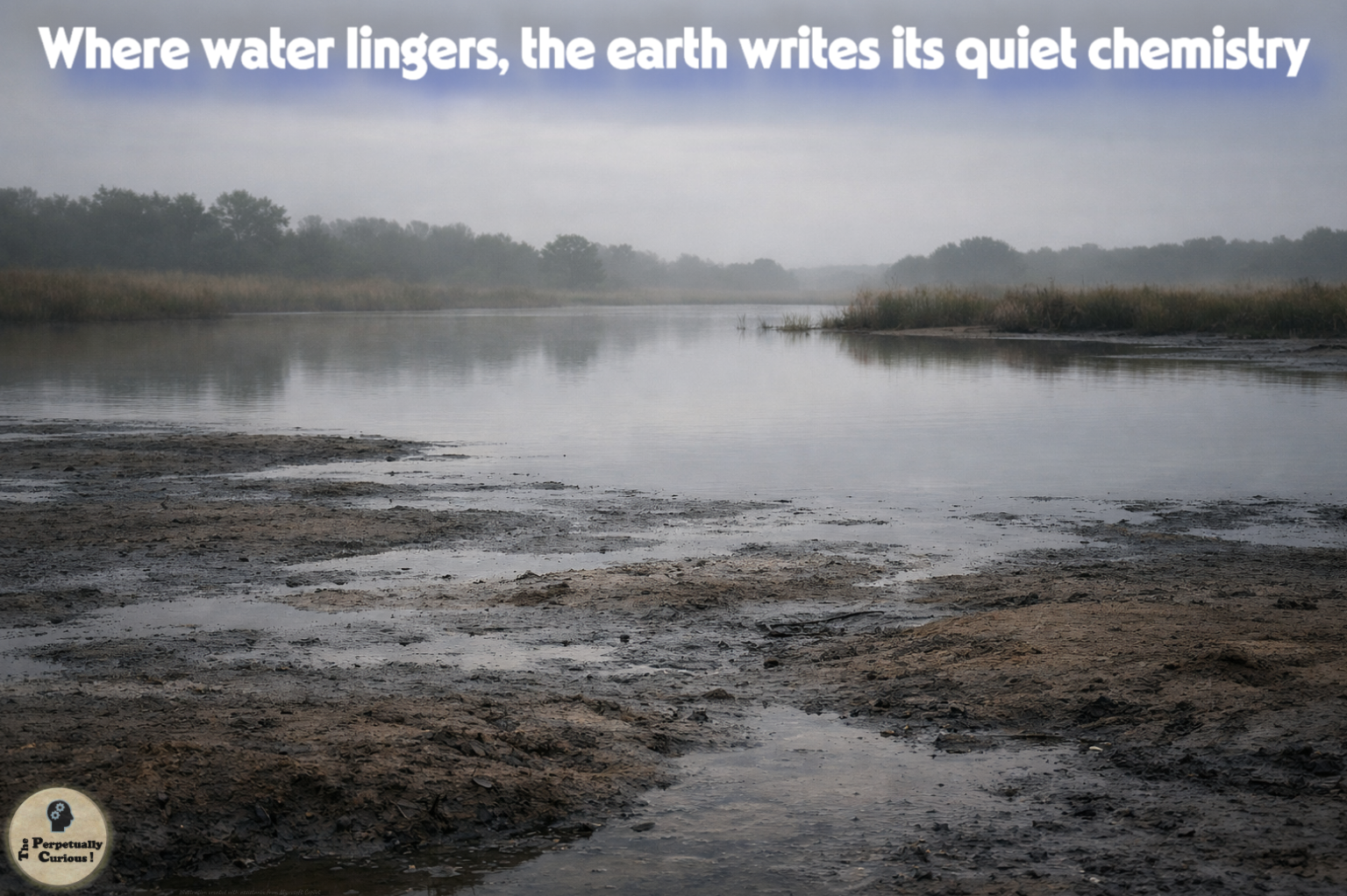
🌍 Why Mud Is Brown or Black: Where Earth Turns to Quiet Ink
From section: 🧱 Minerals, organic matter, and the palette of mudOrganic matter tends to darken mud. Leaves, roots, algae, and microscopic organisms break down over time into complex carbon‑rich substances. As this material accumulates and becomes more decomposed, it forms humus, which is usually dark brown to black. …
- The Perpetually Curious! › Archives › Planet EarthArticle
When Nature's Fury Spirals: Understanding the Science Behind Nor'easters 🌊
Few weather phenomena capture the raw power of nature quite like a nor'easter bearing down on the Eastern Seaboard. These massive storm systems, born from the collision of opposing air masses over the Atlantic, represent some of the most complex and fascinating atmospheric dynamics on Earth.
- The Perpetually Curious! › Canonical › Planet EarthArticle
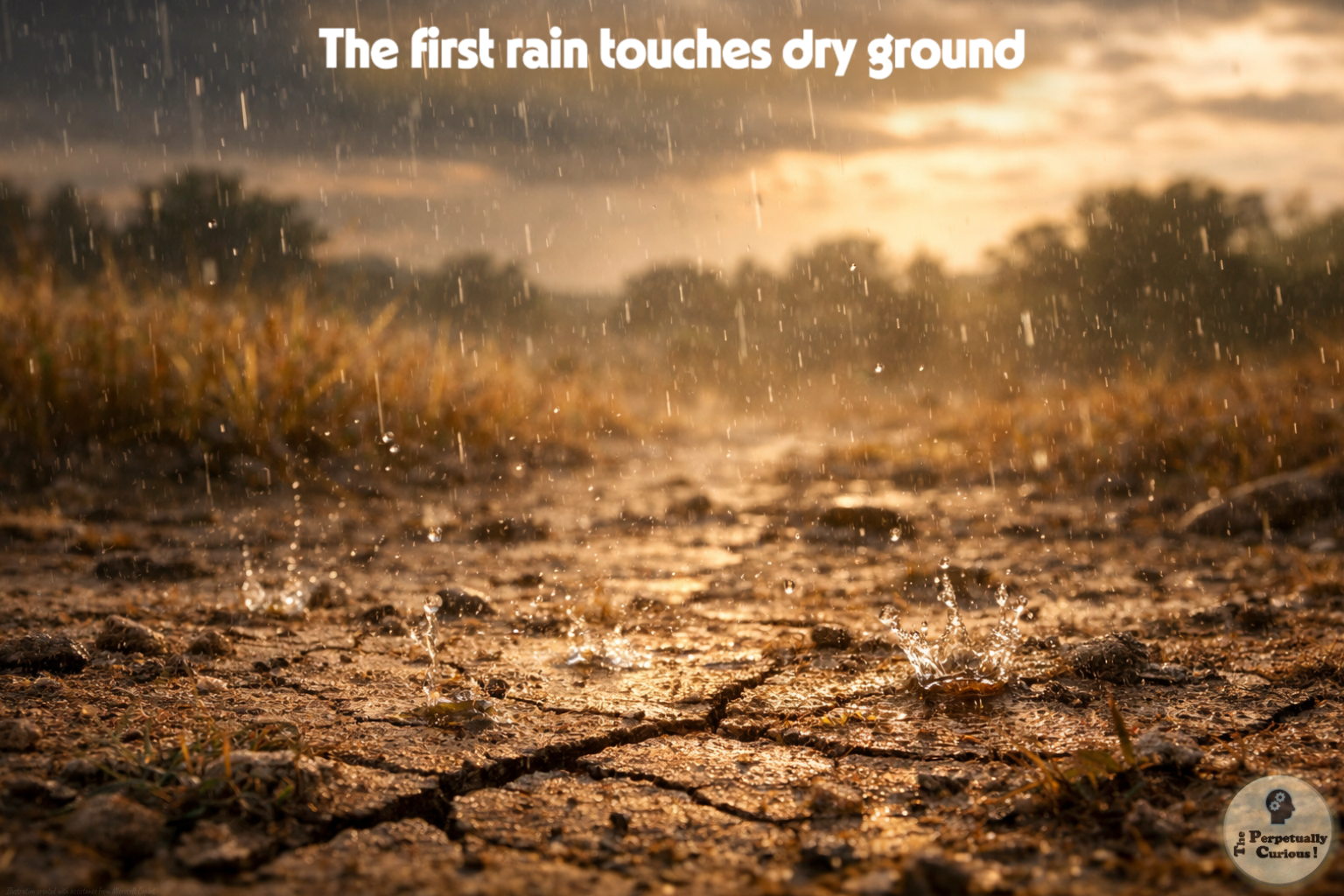
🌧️ When Earth Begins to Breathe: Why Rain Smells the Way It Does
The first rain after a long dry spell often feels like a quiet turning point. Warm ground cools, dust settles, and a familiar, earthy scent rises from the soil. Many people recognize this aroma instantly, even if they only learn the scientific term for it much later in life.
- The Perpetually Curious! › Archives › Planet EarthArticle
🌍 Why Mud Is Brown or Black: What Wet Soil Reveals
A wet patch of ground can look ordinary until its color begins to speak. Brown mud on a path, gray mud beside a pond, and black mud in a marsh are not simply different degrees of dirtiness.
- The Perpetually Curious! › Archives › Planet EarthArticle
🌧️ Petrichor: How First Rain Lifts Earth’s Hidden Scent
The smell of rain often arrives before we think about its science. A dry path darkens, a garden bed drinks in the first drops, and a scent rises that seems older than the moment itself. It can feel as if rain has a fragrance of its own, but the water is only part of the story.
- The Perpetually Curious! › Archives › Planet EarthArticle
❄️ Antarctica: Southernmost Continent’s Frozen Symphony of Silence and Light
Where Silence Breathes and Light Dances: Antarctica's Living Symphony At the edge of our planet lies Antarctica, Earth's southernmost frontier, sculpted by ice, silence, and light; desolate yet breathtaking, mysterious yet alive.
- The Perpetually Curious! › Archives › Planet EarthArticle
🌊 Why Beaches Have Sand
Mountains, cliffs, and ancient bedrock slowly break down through weathering.