Explore by topic, question, or idea. Find articles, reflections, videos, puzzles, and curiosity pathways gathered across the site.
Press Enter or select Search. A newly typed query starts globally; filters are applied only through the visible rail.
226 results for “trees that drink the sky how certain species shape water and land in south india”
- The Perpetually Curious! › Archives › Botanical WondersArticle
🌿 The Neem Tree: Nature’s Evergreen Healer
From section: 🌳 A Living LandmarkHardy and drought resistant, neem thrives in hot, arid climates where few other trees can survive.
- The Perpetually Curious! › Archives › Planet EarthArticle
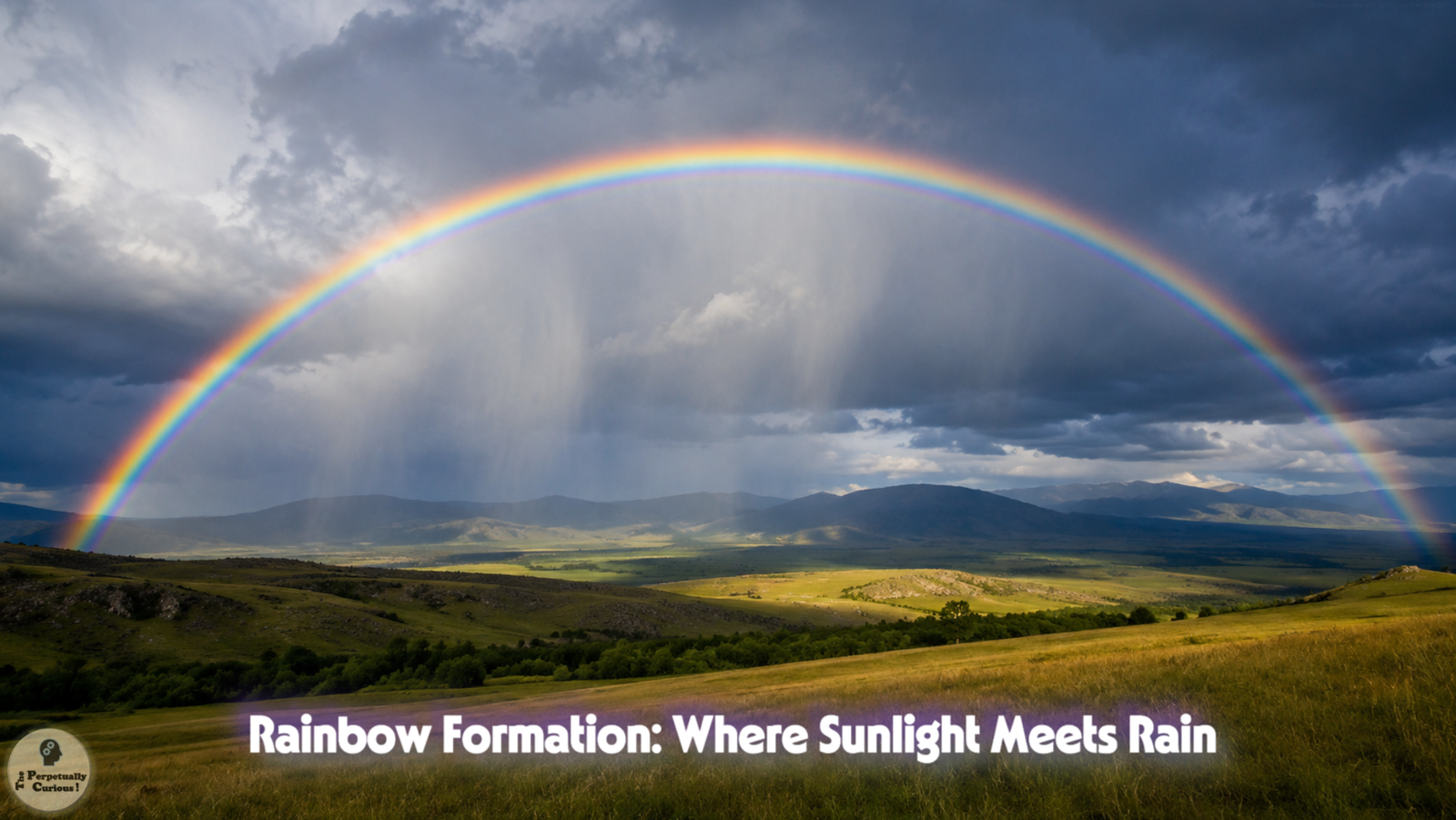
🌈 Rainbow Formation: Why Every Observer Sees a Different Arc
A rainbow can look like a colored bridge resting on a distant valley, field, or line of trees. Yet the arc is not anchored to that landscape. It is assembled for a particular observer by a particular set of illuminated water droplets.
- The Perpetually Curious! › Archives › Planet EarthArticle
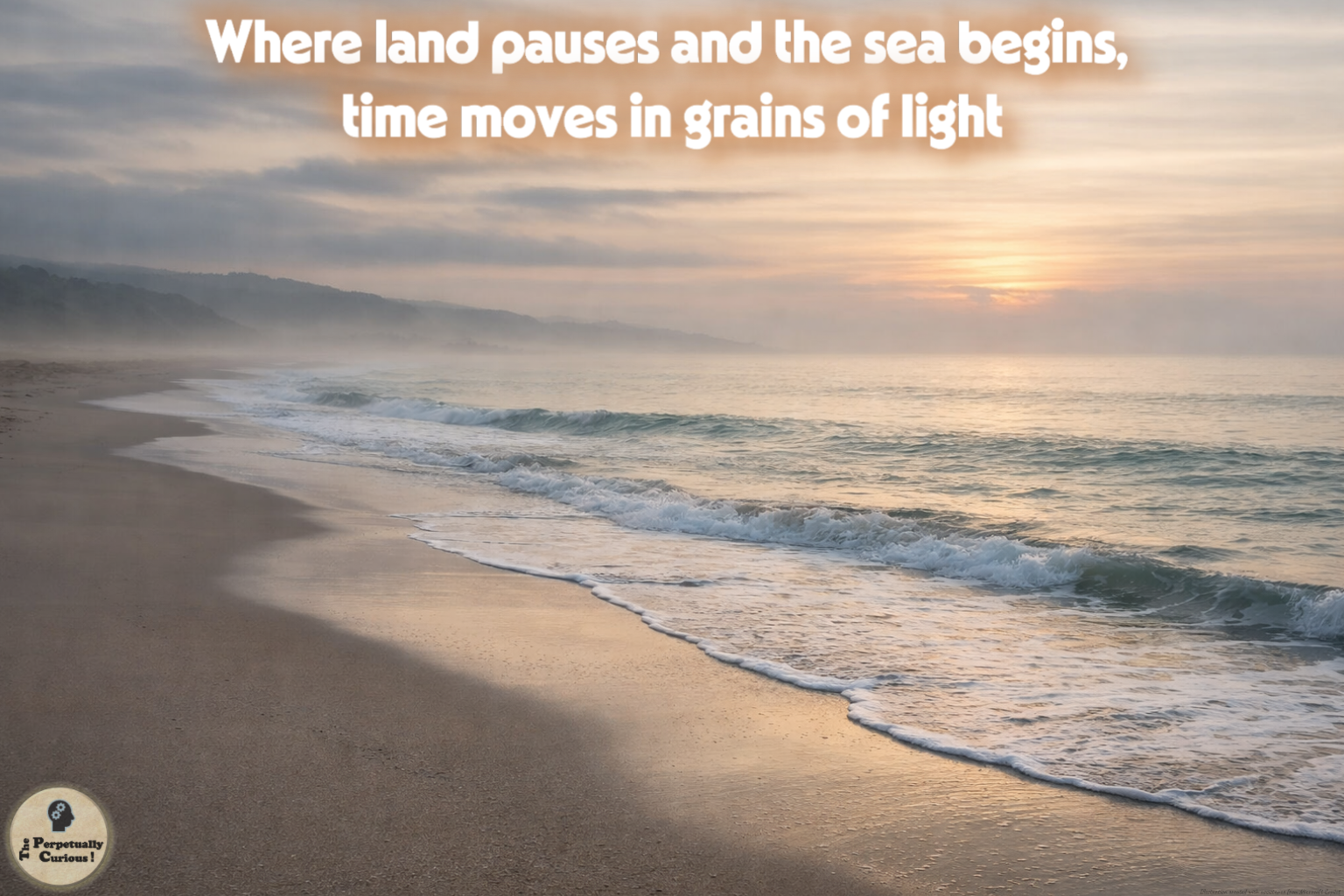
🌊 Why Beaches Have Sand
Beaches often appear simple at first glance. They seem like a narrow place where land and water meet. Yet the presence of sand along so many coastlines is the result of long journeys, slow transformations, and the combined work of rivers, weather, and waves.
- The Perpetually Curious! › CanonicalGateway
🌿 Botanical Wonders | ▶️ Videos
From section: Plant lives, hidden strategies, changing seasons, and the stories rooted around themRemarkable trees sit beside flowering plants, underground partnerships, seasonal transformations, cultivated species, and the meanings people have gathered around the green world. Together, they form the plant-focused side of the Video Lane, where botanical science meets landscape, culture, and close observation.
- The Perpetually Curious! › Archives › PhysicsArticle
✨ Clean Chemistry: The Curious Physics Behind Soap Bubbles
From section: 💡 Foam: Function, Feel, and LimitsModerately warm water can lower viscosity, improve surfactant dispersion, and help loosen some oily soils, while very hot water can destabilize certain foams.
- The Perpetually Curious! › Archives › Cosmic ExplorationArticle
☀️ Solar Eclipses Explained: The Dance of Shadow and Light
Solar eclipses are among the most captivating events in the sky. They reveal how a rare alignment of Sun, Moon, and Earth can transform the ordinary daylight landscape into something unfamiliar and striking. Daylight softens, shadows sharpen, and the familiar world takes on a new character.
- The Perpetually Curious! › Archives › Botanical WondersArticle
From Garden to Glass: The Five Transformations of Tea 🍃
In the misty mountains of Asia, a single species of plant undergoes a remarkable metamorphosis. Camellia sinensis, the tea plant, holds within its emerald leaves the potential for countless flavors.
- The Perpetually Curious! › Videos & Podcasts › NaturePodcast
The Art and Science of Bonsai: Cultivating Harmony and Creativity in Miniature Trees
The Art and Science of Bonsai: Cultivating Harmony and Creativity in Miniature Trees wilderness-homestead-creatures
- The Perpetually Curious! › Archives › Wilderness & Homestead CreaturesArticle
🐙 Eight-Armed Genius: The Science of Octopus Intelligence & Ink
From section: Meeting the Ocean's Most Enigmatic Mind 🌀Having evolved across hundreds of millions of years from shelled ancestors into approximately 300 distinct species, each octopus carries unique adaptations that seem borrowed from science fiction rather than natural selection.
- The Perpetually Curious! › Canonical › Biology & HealthArticle
🟤 Small Islands in the Skin: Why Moles Form and Why Most Stop Growing
From section: 🕰️ Why moles appear at different chapters of lifePeople also differ greatly in the number of moles they develop. Genetic variation contributes substantially to nevus count, while age, pigmentation traits, sun exposure, and other biological influences help shape the visible pattern.