Explore by topic, question, or idea. Find articles, reflections, videos, puzzles, and curiosity pathways gathered across the site.
Press Enter or select Search. A newly typed query starts globally; filters are applied only through the visible rail.
25 results for “trees that drink the sky how certain species shape water and land in south india”
- The Perpetually Curious! › Canonical › Wilderness & Homestead CreaturesArticle
🌺 Whispers of Tiny Wings: Hummingbirds, Their Lives, and the Science of Small Flight
From section: 💡 Did you know?🌺 Certain hummingbird species have bills that curve dramatically upward or downward, matching the shape of specific flowers. These pairings illustrate how coevolution can sculpt both plant and bird over long periods.
- The Perpetually Curious! › Canonical › Wilderness & Homestead CreaturesArticle
🐘 Minds Like Quiet Rivers: The Intelligence of Elephants
From section: 🌱 Ecological engineers of the landscapeElephants shape their environments in ways that reflect ecological intelligence. Their movements, feeding habits, and interactions with water can influence entire ecosystems.
- The Perpetually Curious! › Archives › Wilderness & Homestead CreaturesArticle
🐧 Penguin Diversity: Exploring Species, Adaptations, and Habitats
Prelude: Beyond the Ice When most people picture penguins, they imagine black and white birds waddling across Antarctic ice. But the truth is far richer. Penguins are classified into about eighteen species across six genera: great, brush tailed, crested, banded, little, and yellow eyed.
- The Perpetually Curious! › Canonical › Wilderness & Homestead CreaturesArticle
🐾 Where the Wild Paths Divide: Wolves, Foxes, and Jackals in the Dog Family
From section: 💡 Did You Know🐾 The dog family includes about 35 living species, from wolves and foxes to African wild dogs and the maned wolf of South America.
- The Perpetually Curious! › Canonical › Wilderness & Homestead CreaturesArticle
🧫 Tides of Chemical Worlds: How Animals Meet the Molecules Around Them
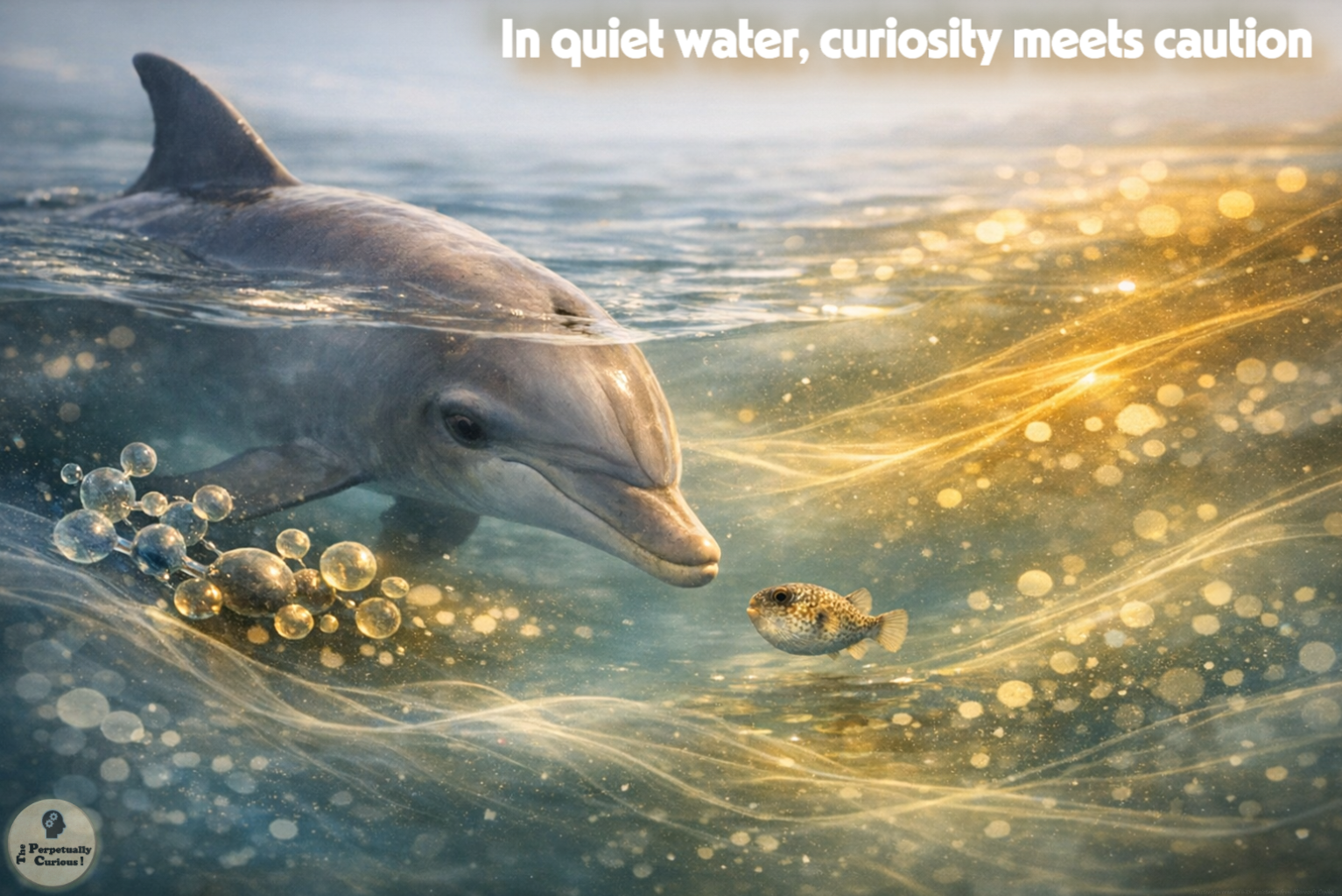
From section: 🐾 Beyond dolphins: Other animals and natural intoxicantsAcross ecosystems, several species have been documented interacting with natural chemicals that influence their behavior. These examples vary in how intentional they appear, yet together they reveal a pattern in which animals meet environmental chemistry in ways that shape their actions.
- The Perpetually Curious! › Canonical › Wilderness & Homestead CreaturesArticle
🐆 Baby Cheetahs: Early Life, Survival, and the Slow Road to Speed
From section: 🌍 The wider landscape around young cheetahs… The hidden den, the fading mantle, the first excursions, and the gradual acquisition of hunting skill all unfold within African wildlife and landscapes where cover, prey, movement, competition, and human land use shape the conditions in which a mother raises her cubs.
- The Perpetually Curious! › Canonical › Wilderness & Homestead CreaturesArticle
🌍 African Wild Dogs: Painted Wolves of the Savanna
From section: 🦌 What African wild dogs eatSeasonal changes can influence prey availability. During wetter periods, some prey species may disperse more widely, while dry seasons may concentrate animals near water sources. Wild dogs adjust their movements accordingly.
- The Perpetually Curious! › Archives › Wilderness & Homestead CreaturesArticle
🐻 Eight faces of the bear: A journey through the Ursidae family
From section: 🌍 IntroductionEight living species are found across North America, South America, Europe, and Asia, each with its own habitats, behaviors, and survival stories.
- The Perpetually Curious! › Archives › Wilderness & Homestead CreaturesArticle
🧪 Animal Chemical Encounters: When Molecules Shape Behavior
In the sea, a chemical encounter can begin before a chase, a bite, or a sound. A molecule released from skin, mucus, food, or water can change what an animal notices, how it moves, and whether it keeps investigating. To human eyes, the moment may look like simple curiosity.
- The Perpetually Curious! › Archives › Wilderness & Homestead CreaturesArticle
🦜 More Than a Tongue: The Surprising Science of Why Animals Cannot Talk
Language is so woven into human life that it is easy to forget how unlikely it is. Across millions of animal species, only one lineage learned to shape breath into words, to give sound the weight of meaning, and to speak.