Explore by topic, question, or idea. Find articles, reflections, videos, puzzles, and curiosity pathways gathered across the site.
Press Enter or select Search. A newly typed query starts globally; filters are applied only through the visible rail.
241 results for “when worlds shine why some planets outglow others in our night sky”
- The Perpetually Curious! › Canonical › Planet EarthArticle
🌐 How SONAR Uses Sound to Map the Hidden Ocean Depths
From section: 🎯 Active and passive SONAR in practice… By combining range and bearing, a SONAR system can estimate where an object is located relative to the sensor. Some active systems use a single transducer, while others use arrays of many elements to form narrow beams and improve directional accuracy.
- The Perpetually Curious! › CanonicalReflection
The World Before Categories
👁️ A child’s innocent attention reveals a world before it is divided too sharply by judgment. A modest uncultivated bloom becomes a complete event because it is encountered without comparison. It is received simply as itself. This way of seeing suggests that significance does…
- The Perpetually Curious! › Canonical › Cosmic ExplorationArticle
🛰️ When Fire Meets Air: How Spacecraft Reenter Earth’s Atmosphere
From section: 🌬️ How changing air reshapes the descent… Those differences lead to an important design question: why do some spacecraft begin slowing higher in the atmosphere while others descend much deeper?
- The Perpetually Curious! › Archives › Cosmic ExplorationArticle
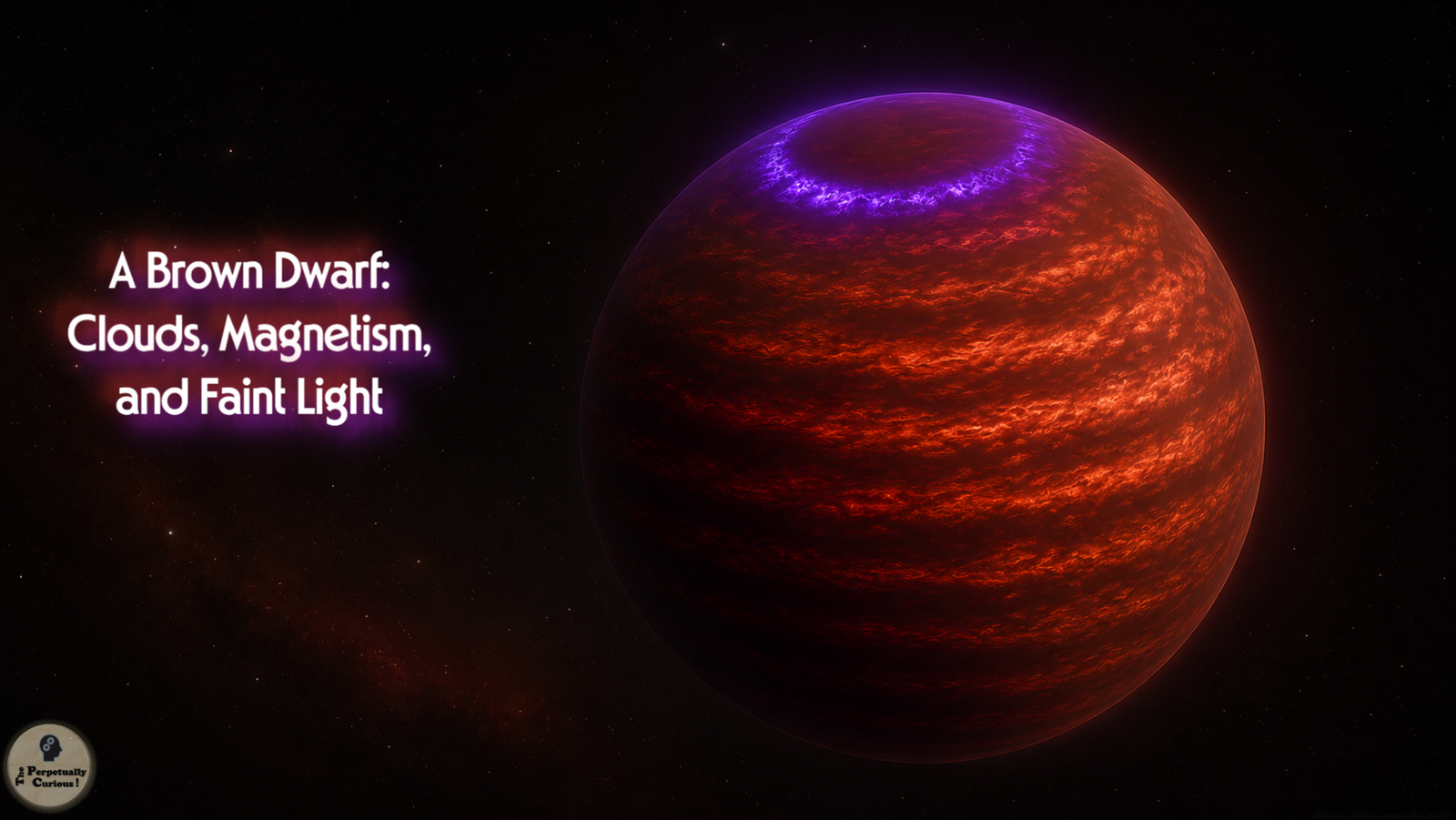
🌟 Brown Dwarfs: Why Stellar Ignition Never Takes Hold
They occupy the substellar region between giant planets and the smallest hydrogen-burning stars.
- The Perpetually Curious! › Canonical › Wilderness & Homestead CreaturesArticle
🌺 Whispers of Tiny Wings: Hummingbirds, Their Lives, and the Science of Small Flight
From section: Frequently Asked Questions+Do all hummingbirds migrate? Not all species migrate. Some remain in relatively small geographic areas, while others travel thousands of miles seasonally.
- The Perpetually Curious! › Canonical › NatureArticle
🌅 The Quiet Geometry of Dawn: How Early Morning Light Shapes the Landscape
… For a brief span of time, dawn builds a geometry that exists only in this interval between night and day, a temporary architecture of tone and contrast that dissolves as the sun climbs higher.
- The Perpetually Curious! › Canonical › Planet EarthArticle
🌏 When the Pacific Breathes Warm: El Niño and the Changing Rhythms of Rain
From section: Frequently Asked Questions+… Regional effects differ, however. Some areas may experience unusual warmth, while others show weaker, delayed, or seasonally variable temperature responses.
- The Perpetually Curious! › Canonical › Planet EarthArticle
🌑 How Coal Is Formed: The Slow Birth of Black Stone Across Deep Time
From section: Frequently Asked Questions+Why are some coals brown while others are black? Lower-rank coals such as lignite often retain more moisture and less-altered plant material, giving them a brownish appearance. Higher-rank coals are usually darker, denser, and richer in carbon because they have undergone greater coalification.
- The Perpetually Curious! › Archives › PhysicsArticle
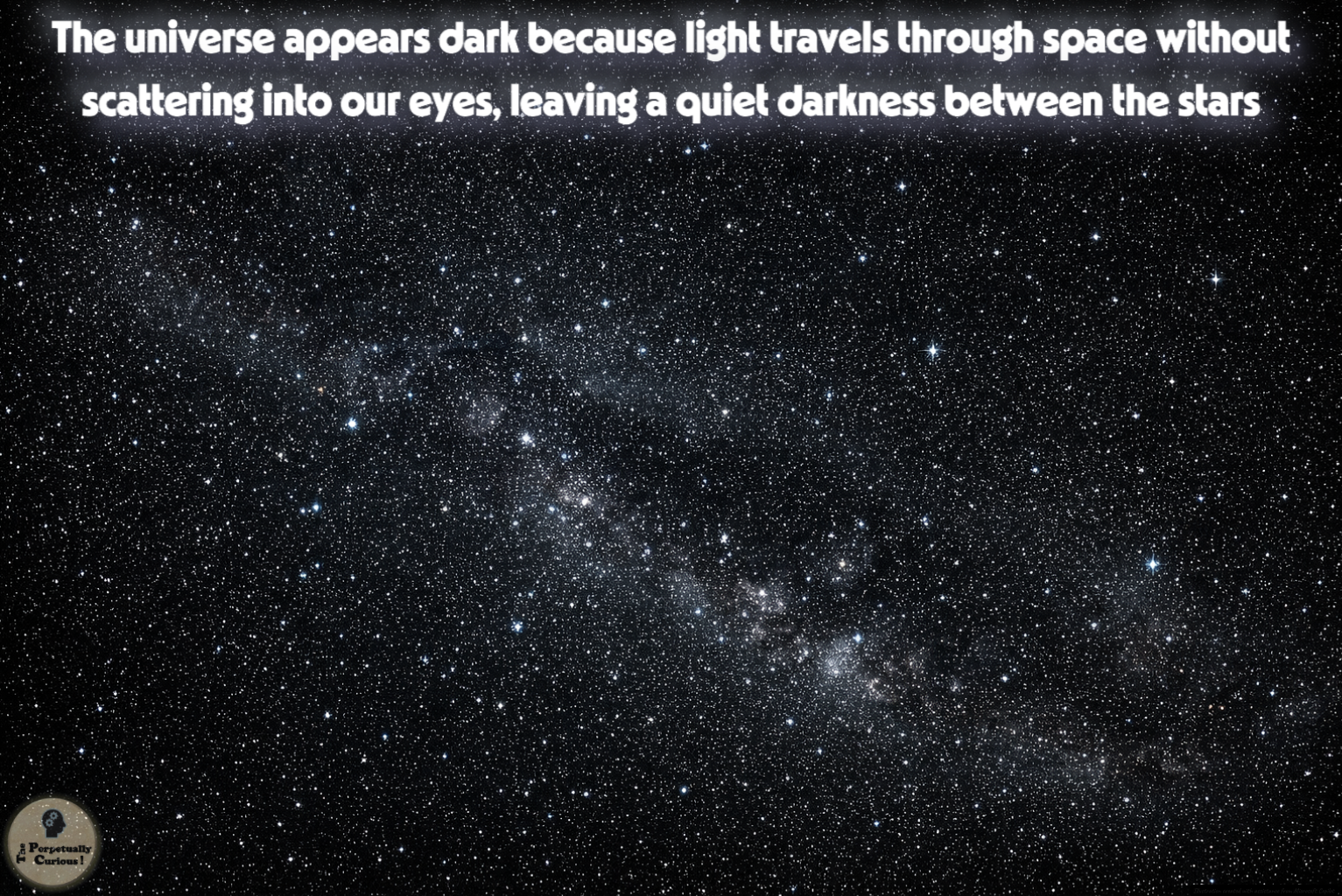
🌌 Why Space Looks Dark: Light, Matter, and the Quiet Cosmos
From section: Where the fuller cosmic question beginsIf stars fill the universe, one might wonder why their combined light does not make the night sky bright everywhere.
- The Perpetually Curious! › Archives › Planet EarthArticle
Where Earth's Temperate Logic Ends: Understanding the Arctic Circle 🌐
Here, during summer solstice, the Sun never sets, circling horizontally around the sky and dipping lowest at local midnight while remaining visible.