Explore by topic, question, or idea. Find articles, reflections, videos, puzzles, and curiosity pathways gathered across the site.
Press Enter or select Search. A newly typed query starts globally; filters are applied only through the visible rail.
68 results for “wilderness turbines”
- The Perpetually Curious! › Archives › Food & LifestyleArticle
🍯 Liquid Gold: The Timeless Science and Wonder of Honey
🌻 Opening: The Ancient Sweetness In 1922, when archaeologists cracked open King Tutankhamun's tomb, they discovered ceramic jars containing honey among the treasures, still recognizable after three millennia though darkened with age. This wasn't merely preservation; it was alchemy.
- The Perpetually Curious! › Archives › Food & LifestyleArticle
The Tale of Two Proteins: Understanding the A1 and A2 Milk Distinction 🥛
In the vast landscape of dairy choices that line our grocery shelves, a particular distinction has captured the attention of health-conscious consumers and dairy scientists alike. The difference between A1 and A2 milk represents a fascinating intersection of genetics, nutrition…
- The Perpetually Curious! › Archives › PhysicsArticle
🦈 Why Do Sharks Float? The Science Behind Their Buoyancy
🌊 Opening Dive Sharks are among the ocean’s most formidable creatures, yet they face a unique challenge: staying afloat without the gas‑filled swim bladders used by most bony fishes.
- The Perpetually Curious! › Archives › PhysicsArticle
🐋 How Do Whales Float? The Science of Buoyancy Beneath the Waves
Whales are the giants of the ocean, with blue whales reaching up to 200 tons. Yet they move through the water with surprising grace. If you have ever wondered how such colossal animals manage to float, sink, and swim so smoothly, the answer lies in the fascinating blend of…
- The Perpetually Curious! › Archives › Wilderness & Homestead CreaturesArticle
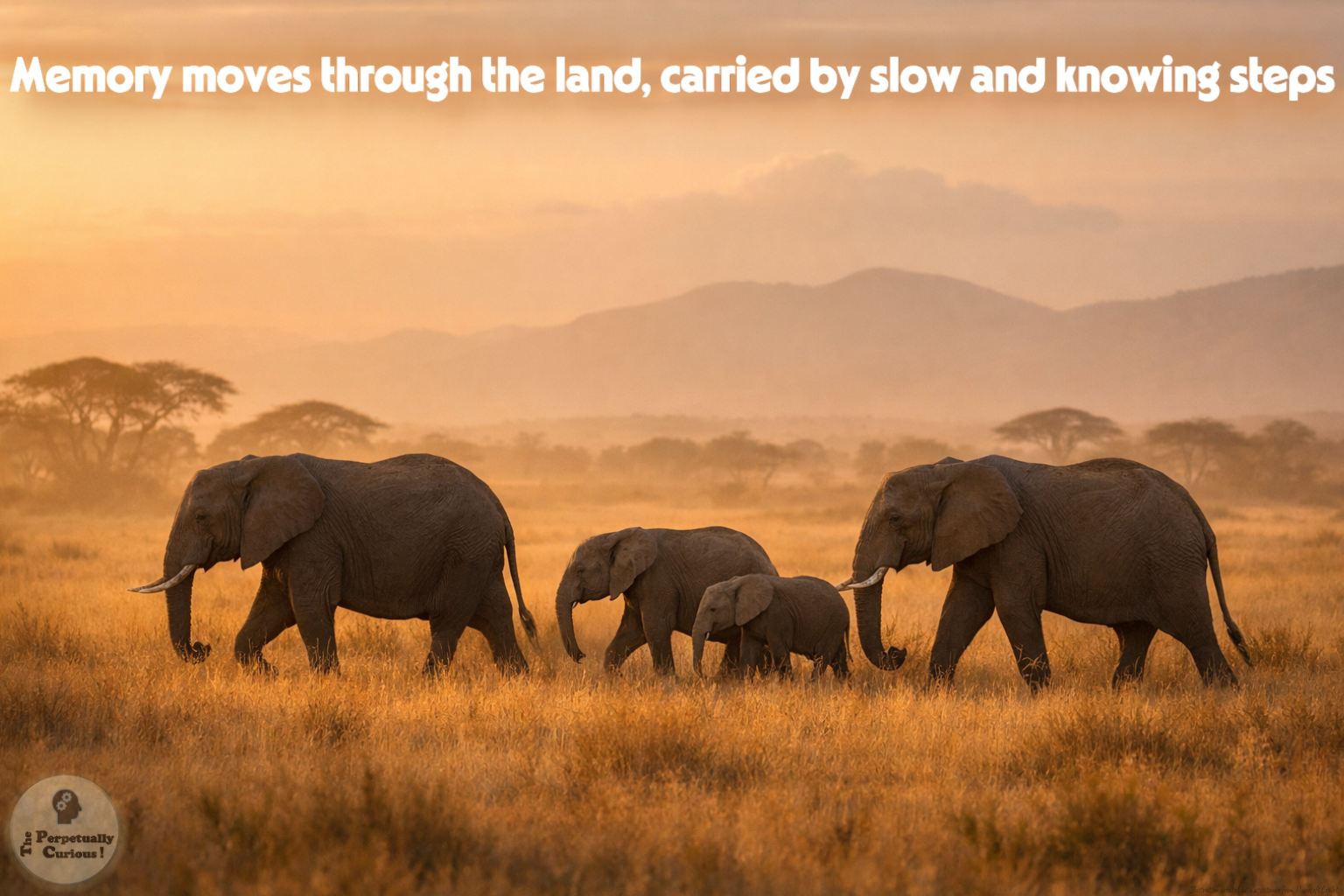
🐘 Elephant Intelligence: How Memory Becomes a Family Inheritance
At the edge of a difficult season, an elephant family may leave familiar ground and follow an older female toward water remembered from years before. No map is carried, and no route is explained aloud.
- The Perpetually Curious! › Archives › Wilderness & Homestead CreaturesArticle
🐦 How Hummingbirds Hover: The Motion Inside Apparent Stillness
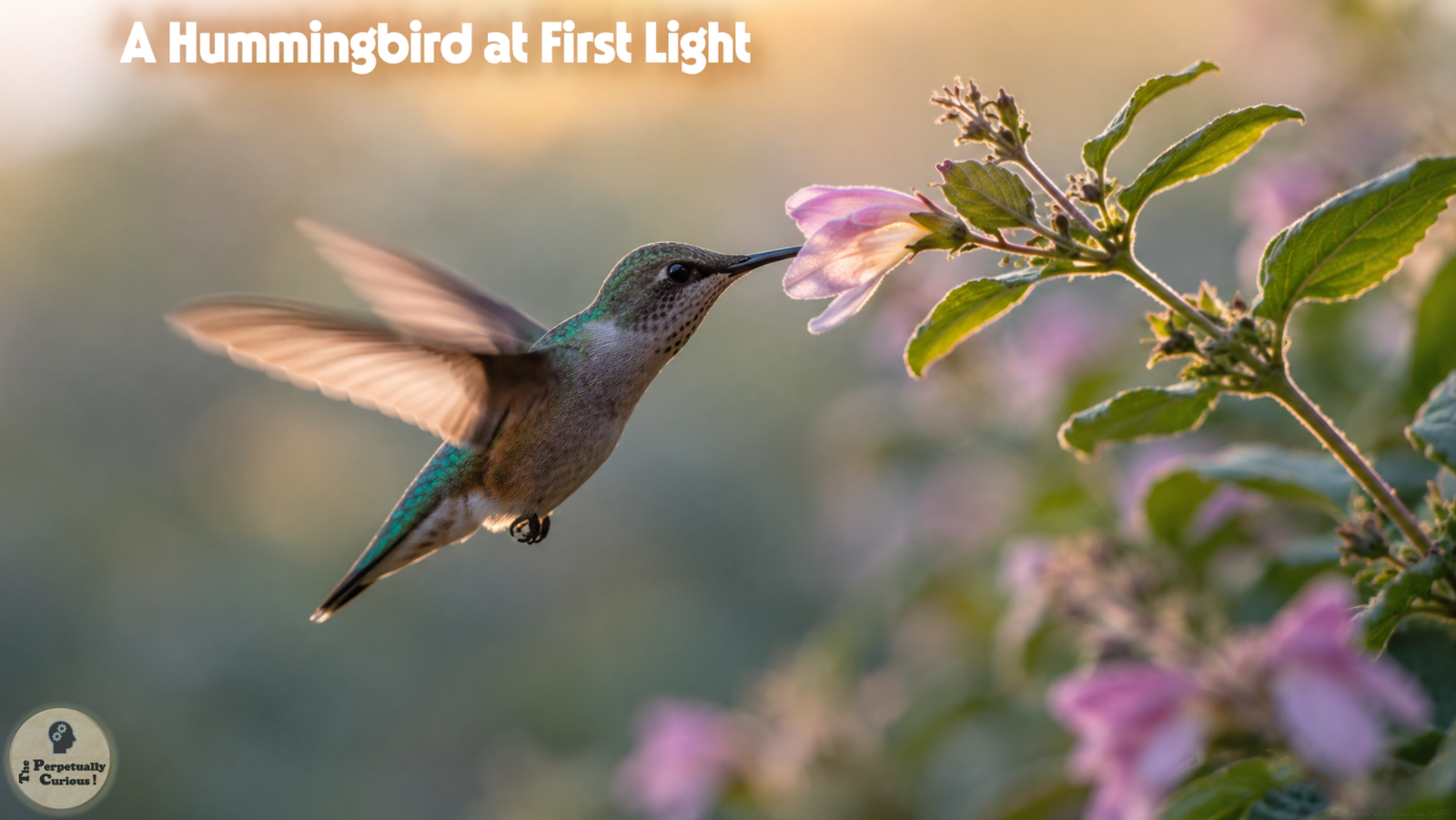
A hummingbird at a flower can look almost motionless. Its head remains aligned with the bloom, its body hangs at one point in the air, and only the blur beside it reveals the effort being made. The apparent pause is not a pause at all. It is a rapidly renewed balance between…
- The Perpetually Curious! › Archives › Wilderness & Homestead CreaturesArticle
🧪 Animal Chemical Encounters: When Molecules Shape Behavior
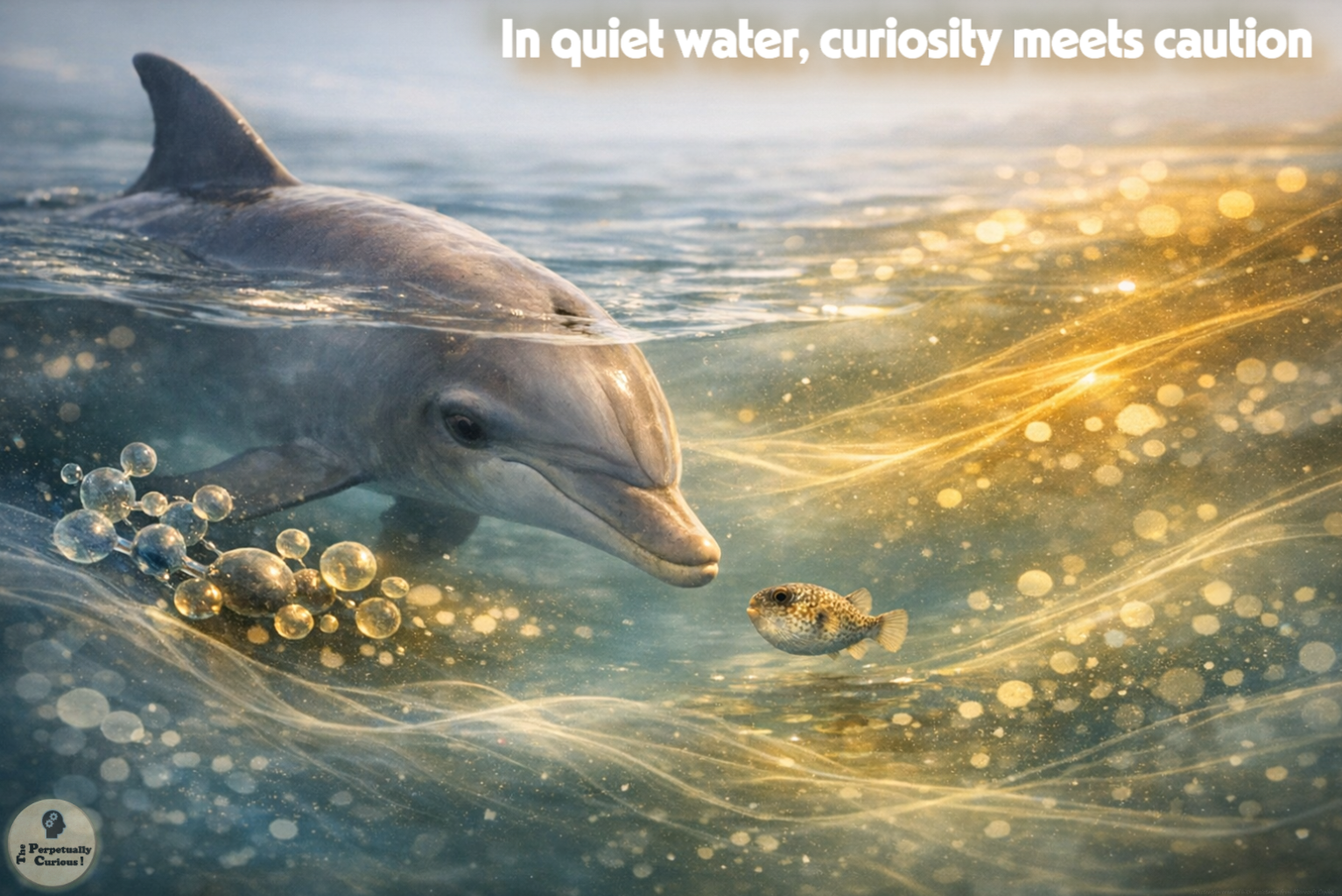
In the sea, a chemical encounter can begin before a chase, a bite, or a sound. A molecule released from skin, mucus, food, or water can change what an animal notices, how it moves, and whether it keeps investigating. To human eyes, the moment may look like simple curiosity.
- The Perpetually Curious! › Archives › Wilderness & Homestead CreaturesArticle
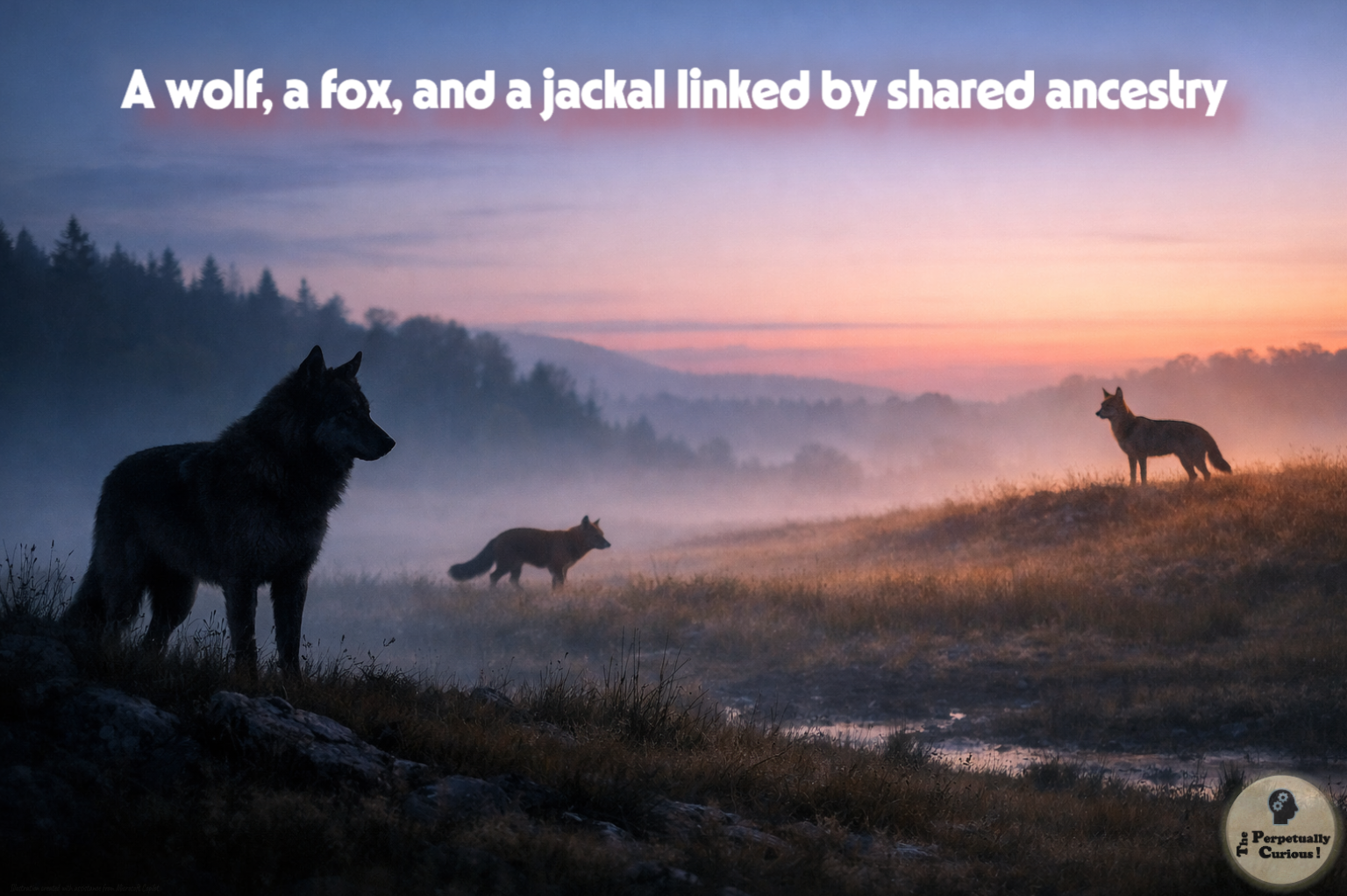
🐾 Wolves, Foxes, and Jackals: One Family, Many Survival Paths
Place a wolf, a fox, and a jackal in the same imagined landscape and the differences appear first. One seems built for distance and group movement. One carries the quick precision of a small hunter at the edge of cover. One belongs to a world of open scrub, watchful pauses, and flexible opportunity.
- The Perpetually Curious! › Canonical › Engineering & TechnologyArticle
🚆 Quiet Power on the Rails: Understanding Hydrogen Trains and Their Emerging Role
From section: Frequently Asked Questions+… The wider environmental footprint depends on how the hydrogen is produced, compressed, transported, and stored. Renewable electricity from sources such as wind turbines can power electrolysis, but the complete pathway still requires energy and supporting infrastructure.
- The Perpetually Curious! › Canonical › Planet EarthArticle
🌑 How Coal Is Formed: The Slow Birth of Black Stone Across Deep Time
From section: 🚂 Coal and the rise of steam powerEarly power plants also relied on coal combustion to generate steam, which turned turbines and produced electricity. In transportation, steam power helped trains cross continents and ships travel long distances with greater reliability than wind alone could provide.