Explore by topic, question, or idea. Find articles, reflections, videos, puzzles, and curiosity pathways gathered across the site.
Press Enter or select Search. A newly typed query starts globally; filters are applied only through the visible rail.
20 results for “animals meet the molecules around them”
- The Perpetually Curious! › Canonical › Biology & HealthArticle
🌫️ When the World Blurs for a Moment: Why We Sneeze
From section: 💨 The mechanics of a sudden burstThe face participates as well. Muscles around the eyes contract, producing an involuntary blink. Muscles of the mouth and nose adjust the shape of the airway, and the entire expression becomes a coordinated event that involves both respiratory and facial musculature.
- The Perpetually Curious! › Canonical › Biology & HealthArticle
🌙 Night Voices: The Quiet Science of Snoring and the Hidden Life of Sleep
From section: 🎵 The acoustics of snoring: Loudness, frequency, and airflow signaturesThe frequency content of snoring may reflect which tissues are vibrating and how airflow interacts with them. Vibration of the soft palate may produce different acoustic signatures compared with vibration of the tongue base or lateral pharyngeal walls. …
- The Perpetually Curious! › Canonical › Biology & HealthArticle
🟤 Small Islands in the Skin: Why Moles Form and Why Most Stop Growing
That turns an ordinary spot into a deeper question. Why does one small population of cells begin following a different path from the melanocytes around it? And once that growth begins, why does an ordinary mole usually reach a boundary and stop?
- The Perpetually Curious! › Canonical › Biology & HealthArticle
💧 Why We Cry: The Quiet Science of Tears, Sadness, and Grief
From section: 💡 Did You Know… Other animals produce tears to lubricate and protect their eyes, and some recent studies have detected increased tearing in certain mammals during emotionally significant interactions, but whether this represents emotional crying comparable to the human experience remains an open scientific question.
- The Perpetually Curious! › Canonical › Biology & HealthArticle
🧬 When Proteins Forget Their Shape: Protein Misfolding in Neurodegenerative Diseases
… Most folding errors never become disease. Trouble begins when particular proteins adopt harmful conformations that persist, seed further misfolding, interfere with cellular machinery, or accumulate faster than the cell can contain or clear them.
- The Perpetually Curious! › Canonical › Biology & HealthArticle
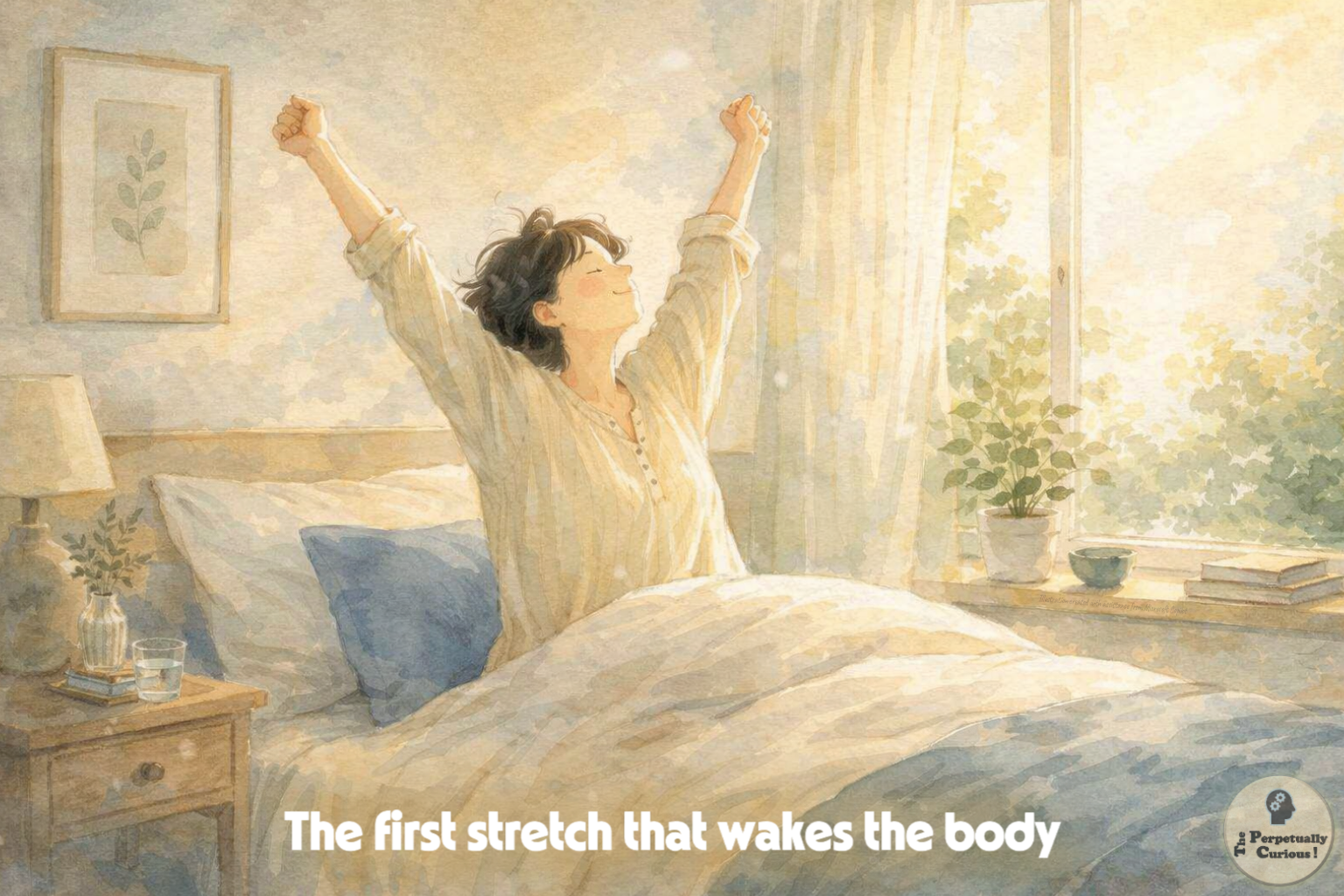
🌿 Why We Stretch When We Wake: The Quiet Reflex that Resets the Body
From section: 🧬 Evolutionary echoes in a simple gesturePandiculation may have helped animals maintain readiness after sleep, conserve energy during rest, and transition smoothly into alertness when needed. These possibilities remain areas of active study, yet they add depth to the story of a gesture that appears simple on the surface. …
- The Perpetually Curious! › Archives › Biology & HealthArticle
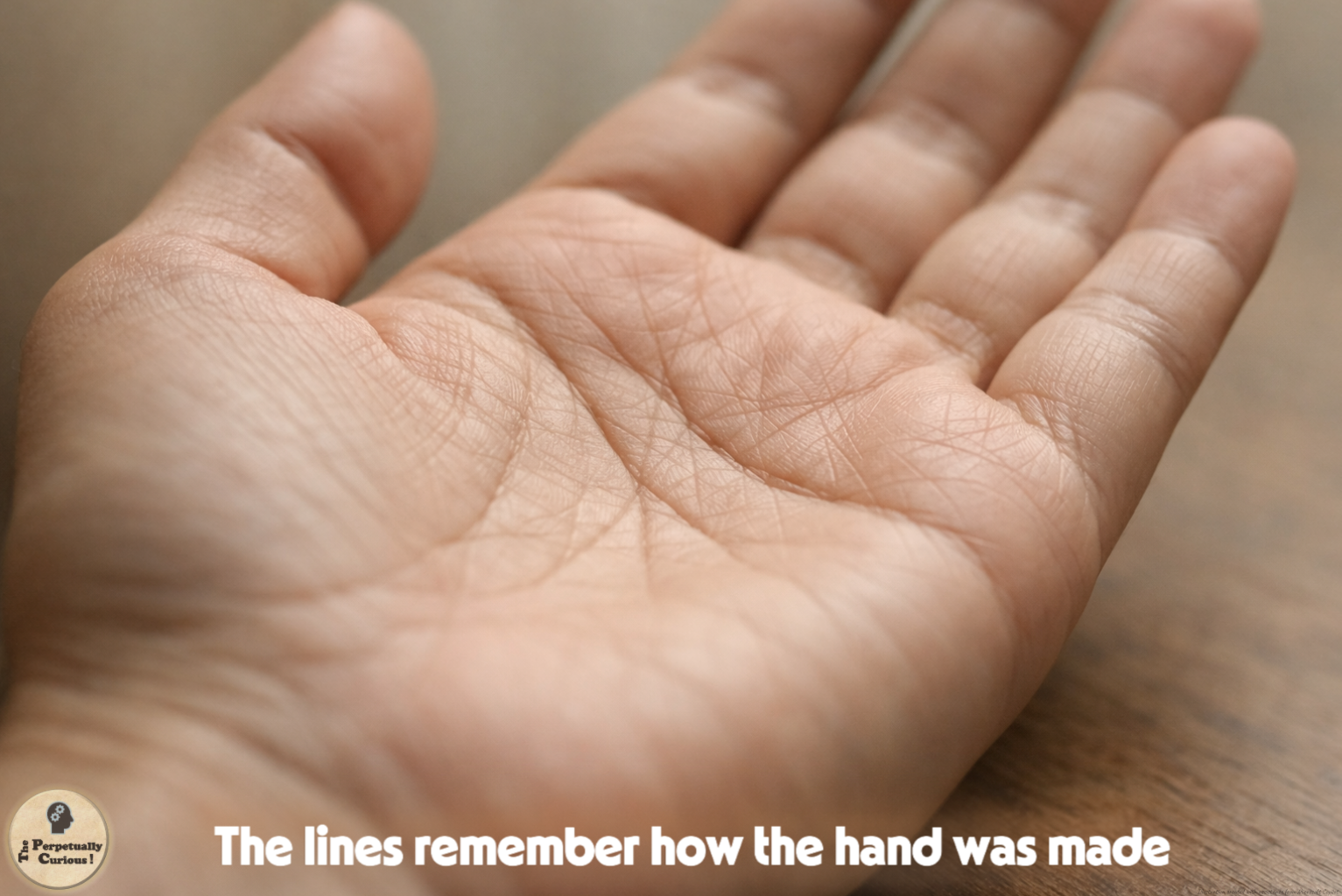
✋ Palm Lines Explained: The Quiet Folds That Help the Hand Move
From section: Why palm lines begin before the hand is usedAround the late embryonic and early fetal weeks, the hand is not a finished surface.
- The Perpetually Curious! › Archives › Biology & HealthArticle
The Symphony of Time: Understanding Our Body's Multiple Biological Clocks 🕰️
From section: Temporal Embodiment: We Are Made of Time ⏳Recent discoveries in chronobiology reveal that we possess not one biological clock, but billions of them, with most nucleated cells containing their own molecular timekeeper synchronized in an elaborate dance of time.Read more »
- The Perpetually Curious! › Archives › Biology & HealthArticle
🌅 Pandiculation: How the Waking Stretch Restores Body Awareness
From section: Why the reflex belongs to transitionsA yawn often arrives beside the stretch, especially around sleep and waking, yet the two do not have to occur together.
- The Perpetually Curious! › Archives › Biology & HealthArticle
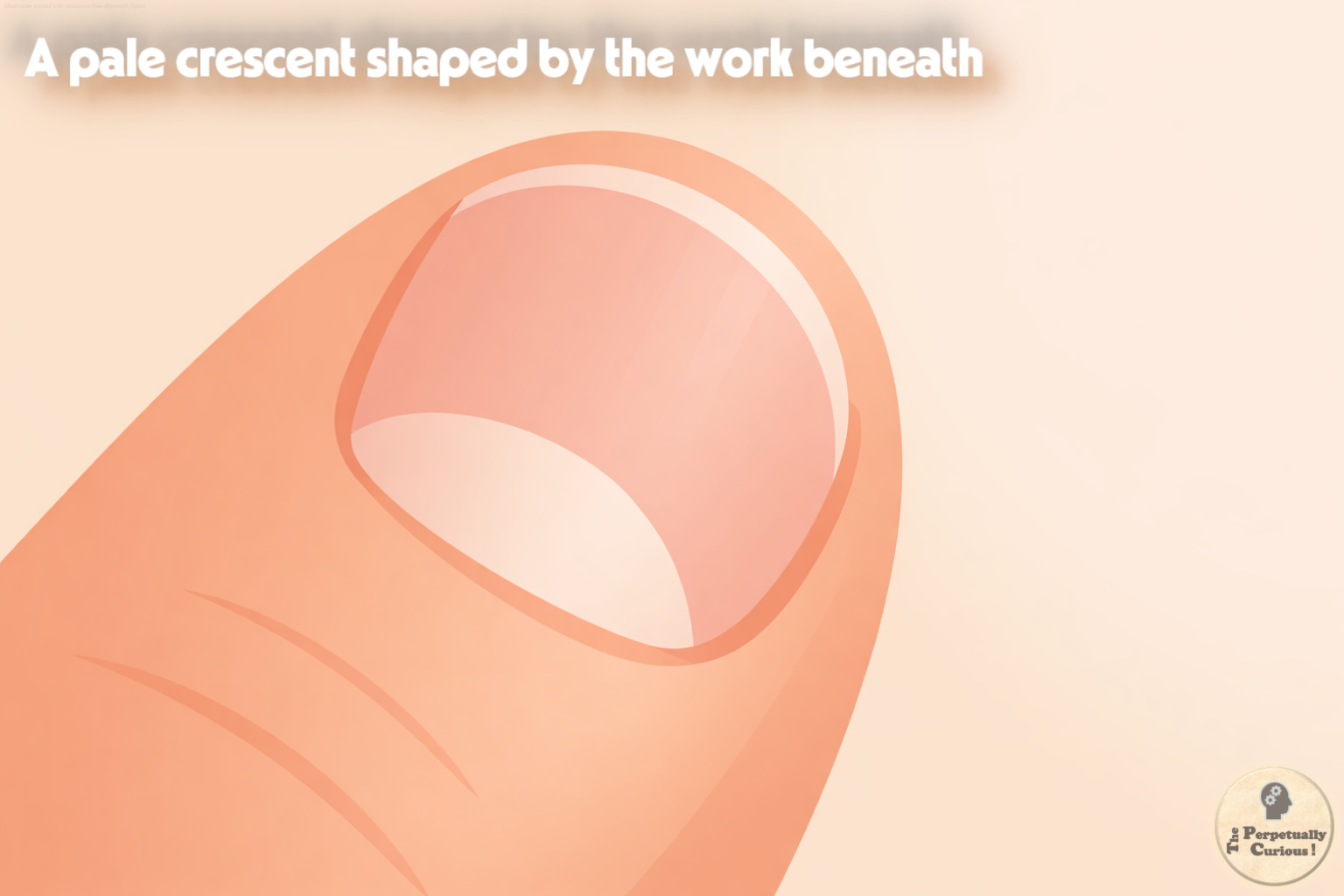
🌙 White Half Moon on Nails: The Quiet Growth Zone Beneath
From section: Why the thumb often shows it bestOne person may see lunulae on several fingernails, while another may notice them mainly on the thumbs.