Explore by topic, question, or idea. Find articles, reflections, videos, puzzles, and curiosity pathways gathered across the site.
Press Enter or select Search. A newly typed query starts globally; filters are applied only through the visible rail.
25 results for “animals meet the molecules around them”
- The Perpetually Curious! › Canonical › Planet EarthArticle
🏔️ Mount Kailash: A Summit Where Water, Story, and Sky Converge
A stillness gathers around the mountain, where light moves across stone and snow in quiet rhythms. In this high place, water, story, and sky meet without urgency, as if the world pauses to listen. Some landscapes speak softly, yet their presence lingers long after the path has turned away.
- The Perpetually Curious! › Canonical › Planet EarthArticle
🌇 When the Sky Becomes a Painting: Why Clouds Glow Red and Orange at Sunset on Earth
From section: 🌈 Clouds as screens for filtered sunlightClouds respond to filtered sunlight in a different way from the open sky. Their droplets and ice crystals are much larger than air molecules, so they scatter visible wavelengths broadly rather than separating them by color. …
- The Perpetually Curious! › Canonical › Planet EarthArticle
🌐 How SONAR Uses Sound to Map the Hidden Ocean Depths
The ocean often appears silent from the surface, yet beneath the waves it is filled with sound. Currents, storms, distant ice, and the calls of marine animals create a shifting acoustic world that is rarely heard by human ears.
- The Perpetually Curious! › Archives › Planet EarthArticle
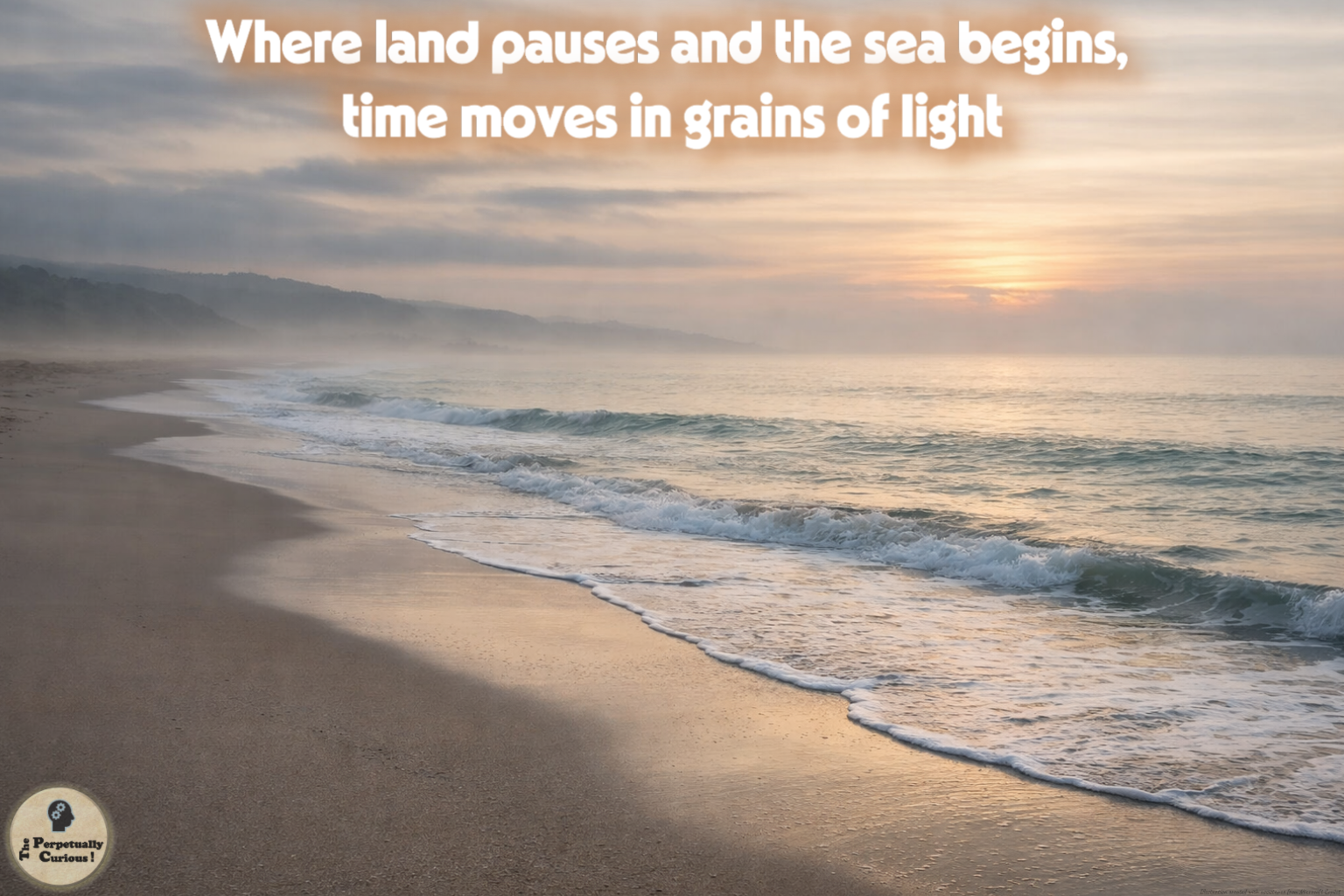
🌊 Why Beaches Have Sand
Beaches often appear simple at first glance. They seem like a narrow place where land and water meet. Yet the presence of sand along so many coastlines is the result of long journeys, slow transformations, and the combined work of rivers, weather, and waves.
- The Perpetually Curious! › Canonical › Planet EarthArticle
🌊 Niagara Falls, Where Thundering Waters Shape Time
From section: 💡 Did You Know?🧊 Seasonal ice formations around the falls share visual and structural qualities with antarctic ice, where temperature and light interact to create intricate patterns.
- The Perpetually Curious! › Archives › Planet EarthArticle
❄️ Antarctica: Southernmost Continent’s Frozen Symphony of Silence and Light
From section: ❓ FAQ… Research stations adopt their supply base time zone for practical operations. At the geographic South Pole, you could walk around the ceremonial marker and technically cross every time zone in seconds, though the Amundsen-Scott Station simply uses New Zealand time year-round.
- The Perpetually Curious! › Archives › Planet EarthArticle
🌊 The Great Lakes: North America's Temporary Inland Seas
Picture yourself holding a glass of water in Chicago. That water contains a mixture of ages, with some molecules that fell as rain just years ago and others that have circulated through Lake Superior for nearly two centuries.
- The Perpetually Curious! › Canonical › Planet EarthArticle
🌍 Why Mud Is Brown or Black: Where Earth Turns to Quiet Ink
From section: 🌿 Organic matter, humus, and the deepening of colorHumus tends to coat mineral grains and fill spaces between them, which reduces the visibility of lighter minerals such as quartz or feldspar. As the proportion of humus increases, the overall color of the mud shifts toward darker shades.
- The Perpetually Curious! › Archives › Planet EarthArticle
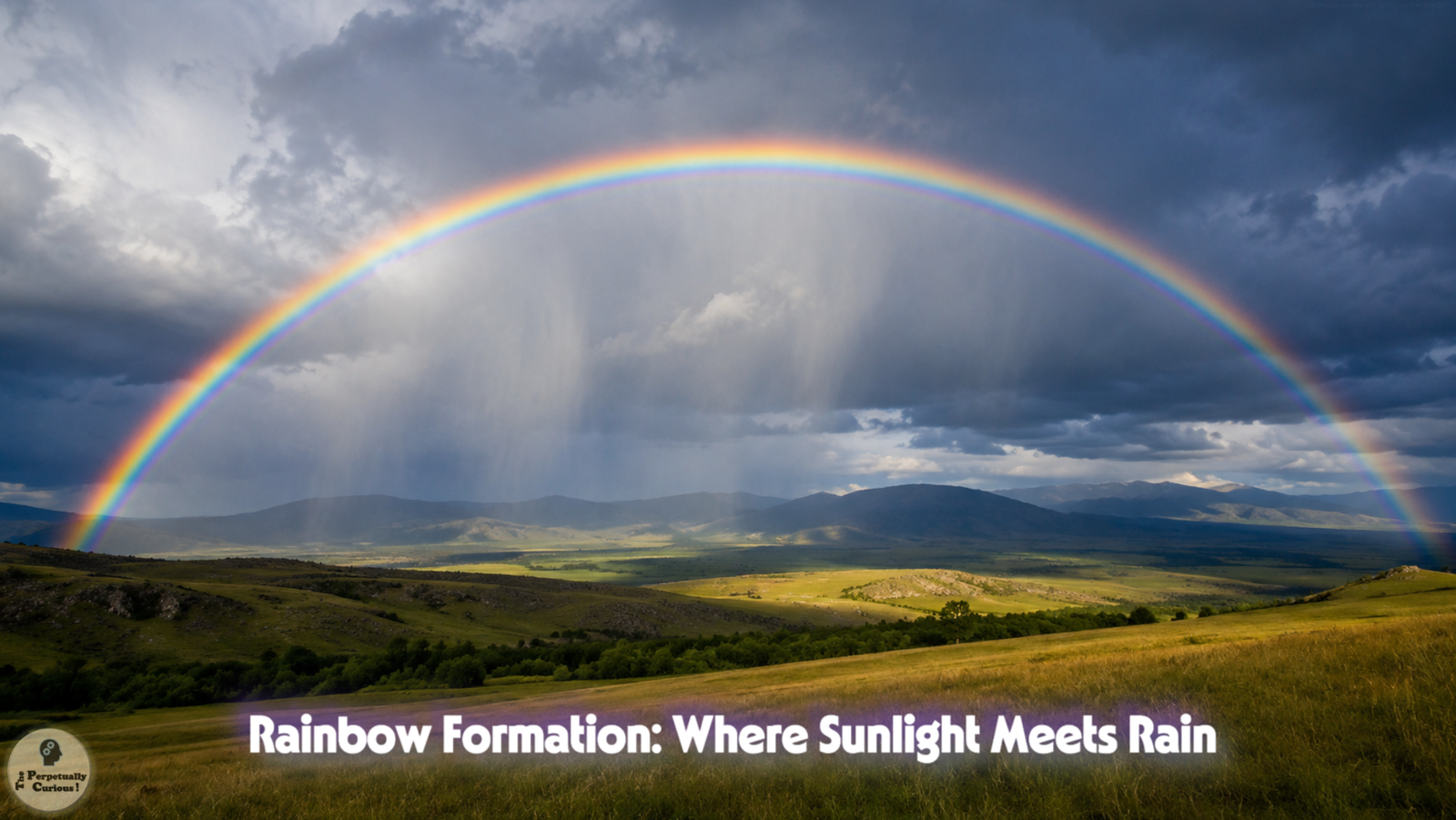
🌈 Rainbow Formation: Why Every Observer Sees a Different Arc
From section: A rainbow begins with a viewpointThe visible bow forms around that point, not around a cloud, mountain, or other feature in the landscape.
- The Perpetually Curious! › Archives › Planet EarthArticle
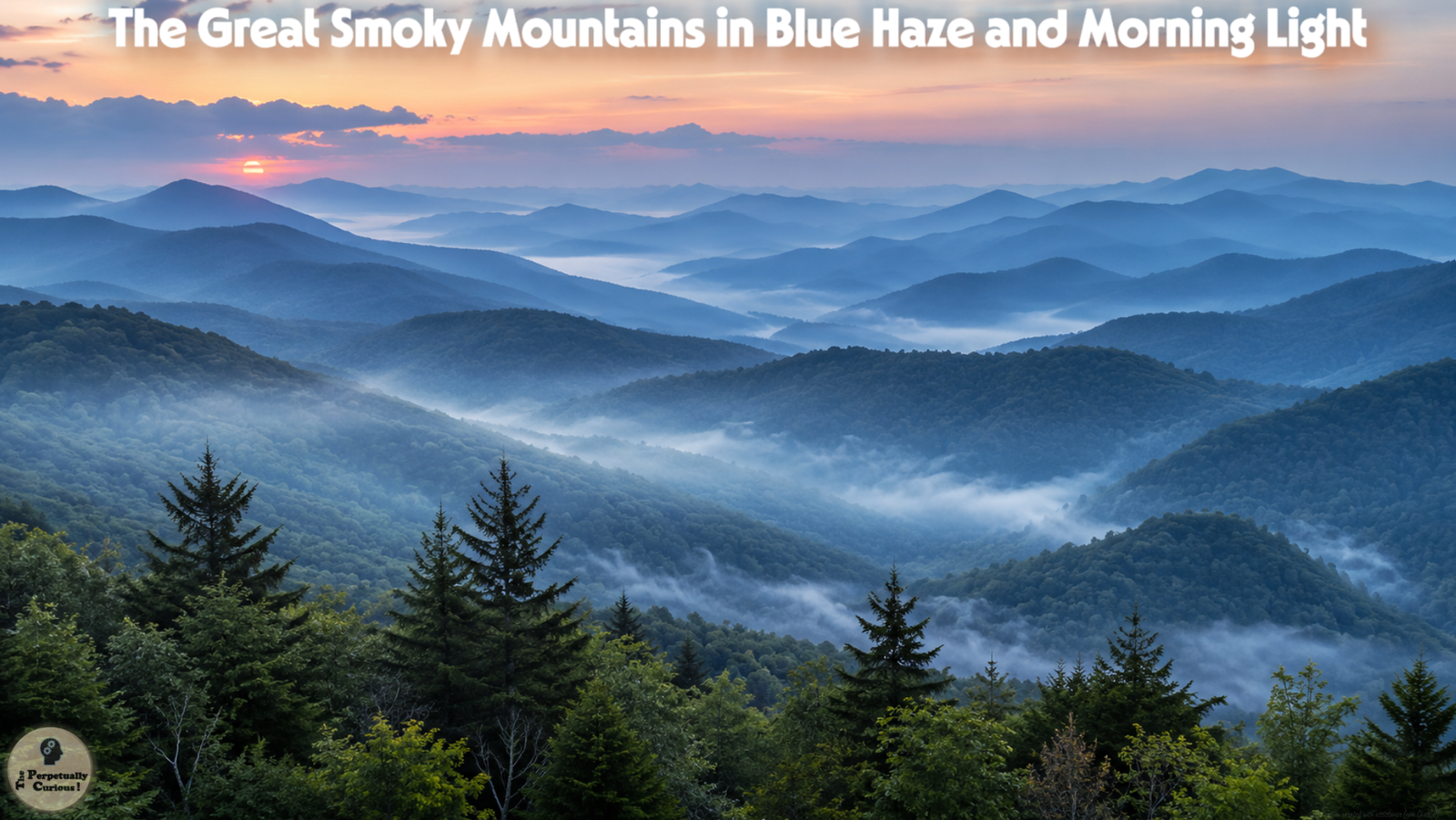
🌫️ Why the Great Smoky Mountains Fade into Blue Haze
From section: Why the ridges look blueFine particles and molecules redirect some of the incoming sunlight, and shorter blue wavelengths are scattered efficiently toward the observer.