Explore by topic, question, or idea. Find articles, reflections, videos, puzzles, and curiosity pathways gathered across the site.
Press Enter or select Search. A newly typed query starts globally; filters are applied only through the visible rail.
48 results for “cosmic microwave background”
- The Perpetually Curious! › Canonical › Cosmic ExplorationArticle
🌙 Quiet Worlds, Vast Stories: Some Lesser-Known Moons of Our Solar System
Most sky‑watchers can name a handful of large moons such as Ganymede, Titan, or Earth’s own Moon, yet scattered across the outer darkness are smaller, quieter companions that rarely appear in familiar summaries. These lesser-known moons do not dominate by size.
- The Perpetually Curious! › Canonical › Cosmic ExplorationArticle
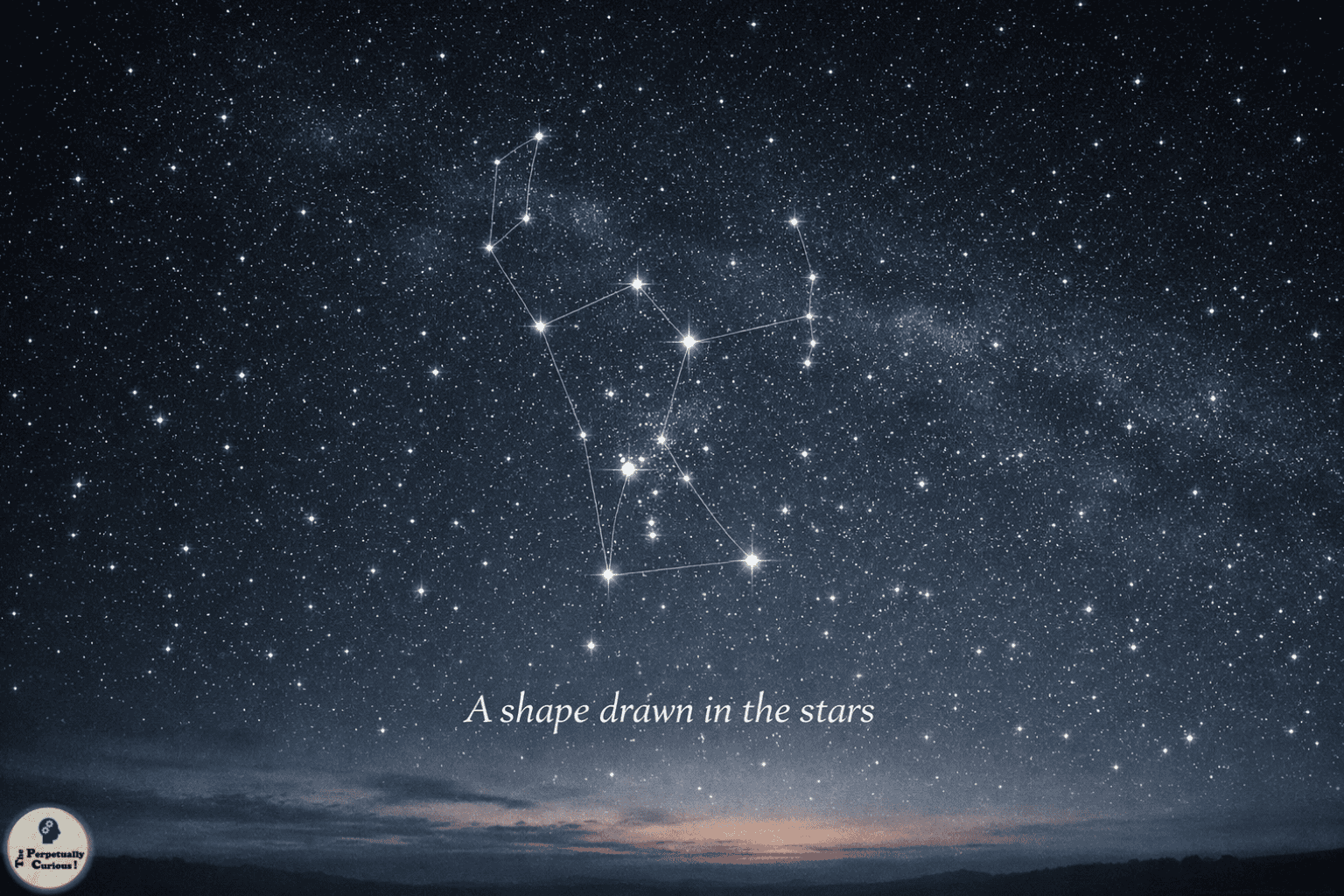
✨ Constellations: Quiet Patterns, Shared Skies, and the Stories We Trace Together
On a clear night, the sky stretches outward in a quiet sweep of light, and the stars appear as scattered points that invite the human mind to connect them. Across generations, people have traced patterns among these distant suns, creating constellations that carry memory, orientation, and meaning.
- The Perpetually Curious! › Archives › Cosmic ExplorationArticle
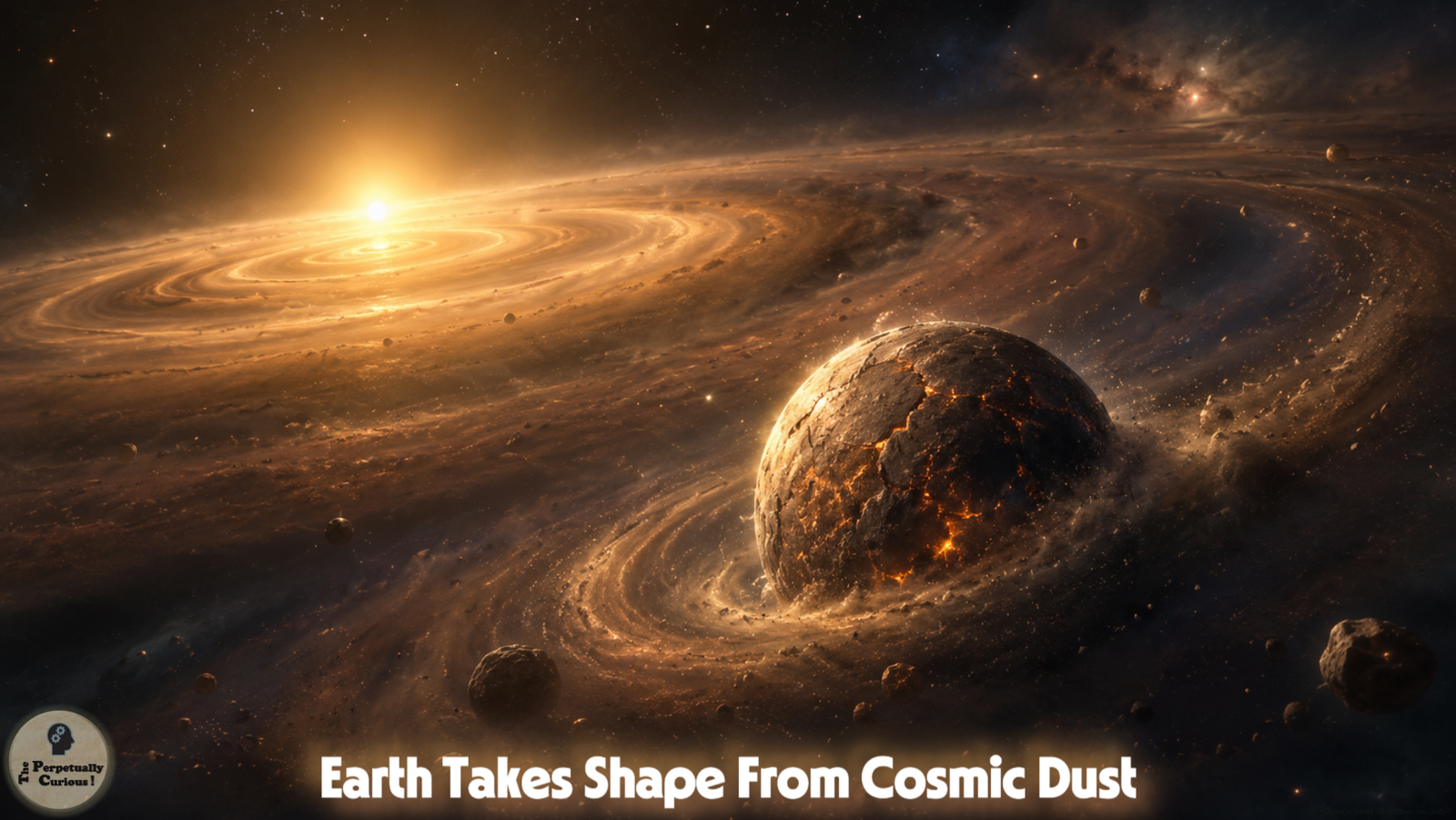
🌍 How Earth Formed: The Slow Assembly of a Young Rocky World
From section: A Planet Built Through ContinuityThe finished Earth was never waiting inside a single grain of cosmic dust.
- The Perpetually Curious! › Archives › Cosmic ExplorationArticle
🌌 Constellations: How Star Patterns Help Us Find Our Way
From section: The quiet usefulness of an imperfect patternThey are temporary enough to belong to cosmic motion, yet stable enough to guide memory across generations.
- The Perpetually Curious! › Archives › Cosmic ExplorationArticle
🌌 The Silent Storm Above: Understanding Our Orbital Debris Challenge
The night sky appears serene and infinite, yet beyond our atmosphere swirls an invisible tempest of our own making. ESA estimates about 140 million debris fragments in the 0.04 to 0.4 inch (1 mm to 1 cm) range, plus about 1.2 million objects between 0.4 and 4 inches (1 to 10…
- The Perpetually Curious! › Archives › Cosmic ExplorationArticle
When the Sky Falls: Extraordinary Precipitation Across Our Solar System 🌧️
We call it rain when water falls from Earth's clouds, but that simple word stretches and transforms across our solar system into phenomena that challenge our earthbound vocabulary. Should we call it rain when methane cascades onto Titan's hydrocarbon shores?
- The Perpetually Curious! › Archives › Cosmic ExplorationArticle
🌌 When Worlds Shine: Why Some Planets Outglow Others in Our Night Sky
The night sky often feels calm and timeless, yet the brightness of the planets tells a dynamic story of light, distance, geometry, and illumination. When Venus blazes in the evening or morning sky, it can appear almost unreal, while Mars, Jupiter, and Saturn each take turns as…
- The Perpetually Curious! › Archives › Cosmic ExplorationArticle
🔭 The Ten Largest Moons in Our Solar System: A Journey Through Worlds of Ice, Fire, and Hidden Oceans
The solar system is often introduced as a family of planets circling the Sun, yet some of its most remarkable landscapes belong to the moons that accompany those planets. These moons are not passive companions. They are worlds with their own histories, atmospheres, oceans, and internal heat.
- The Perpetually Curious! › Archives › Cosmic ExplorationArticle
🌌 When Stars Become Worlds: A Journey Through the Largest Stars We Know
The largest stars in the universe are not simply scaled-up versions of the Sun. They are vast, unstable, and luminous structures whose outer layers drift in slow, turbulent motion. Their atmospheres are so extended that the idea of a clear surface begins to dissolve into gradients of thinning gas.
- The Perpetually Curious! › Archives › Cosmic ExplorationArticle
☀️ Solar Eclipses Explained: The Dance of Shadow and Light
Solar eclipses are among the most captivating events in the sky. They reveal how a rare alignment of Sun, Moon, and Earth can transform the ordinary daylight landscape into something unfamiliar and striking. Daylight softens, shadows sharpen, and the familiar world takes on a new character.