Explore by topic, question, or idea. Find articles, reflections, videos, puzzles, and curiosity pathways gathered across the site.
Press Enter or select Search. A newly typed query starts globally; filters are applied only through the visible rail.
102 results for “cosmic microwave background”
- The Perpetually Curious! › Canonical › Cosmic ExplorationArticle
🌍 When Worlds Pull: Gravity Across the Planets and What It Reveals About Them
Gravity is the quiet sculptor of the cosmos. It shapes the paths of planets, guides the drift of moons, and anchors every step taken on the surface of a world. When we compare gravity across the Solar System, we begin to see how each planet carries its own gravitational signature.
- The Perpetually Curious! › Canonical › Cosmic ExplorationArticle
🌙 Quiet Worlds, Vast Stories: Some Lesser-Known Moons of Our Solar System
Most sky‑watchers can name a handful of large moons such as Ganymede, Titan, or Earth’s own Moon, yet scattered across the outer darkness are smaller, quieter companions that rarely appear in familiar summaries. These lesser-known moons do not dominate by size.
- The Perpetually Curious! › Canonical › Cosmic ExplorationArticle
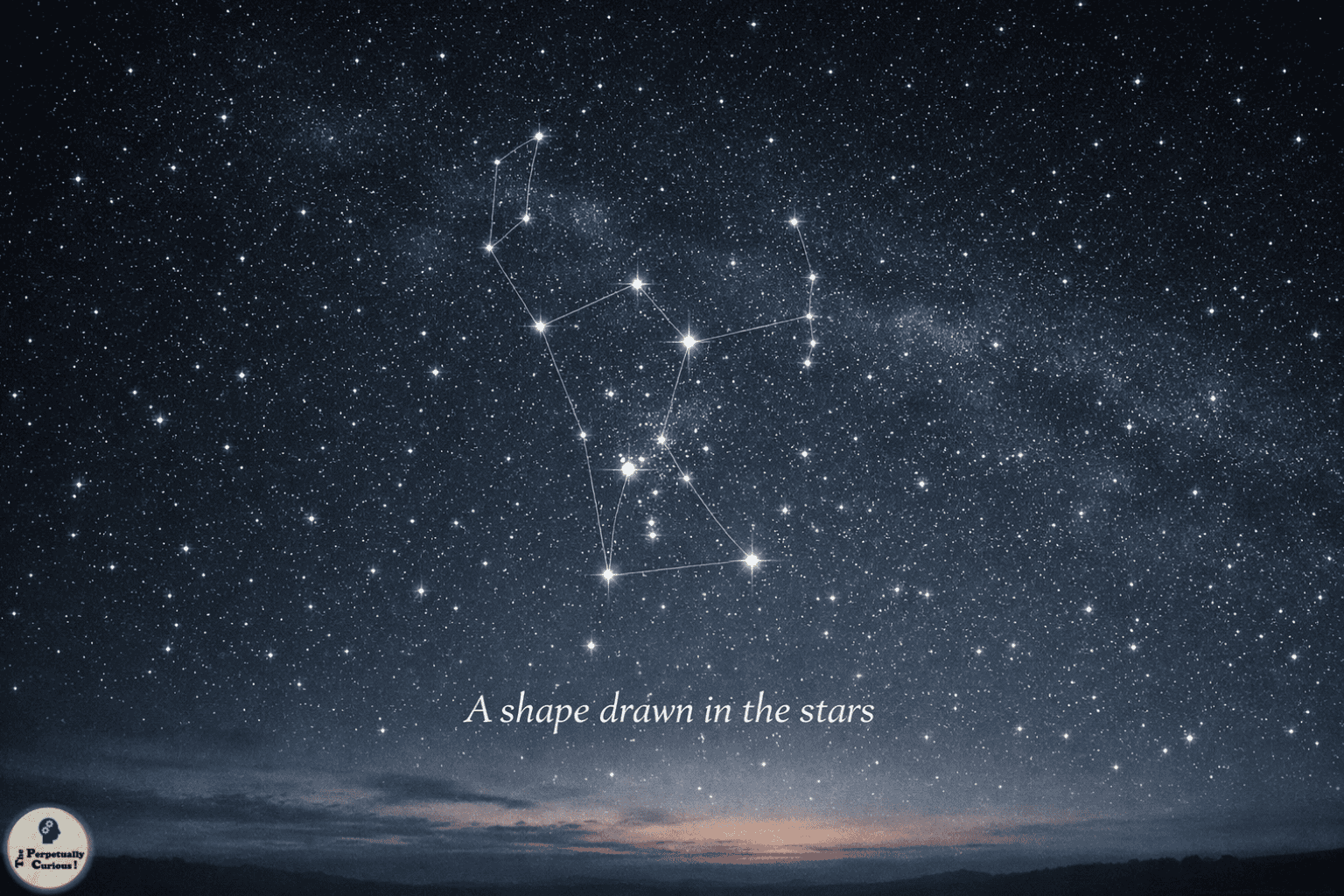
✨ Constellations: Quiet Patterns, Shared Skies, and the Stories We Trace Together
On a clear night, the sky stretches outward in a quiet sweep of light, and the stars appear as scattered points that invite the human mind to connect them. Across generations, people have traced patterns among these distant suns, creating constellations that carry memory, orientation, and meaning.
- The Perpetually Curious! › Archives › Cosmic ExplorationArticle
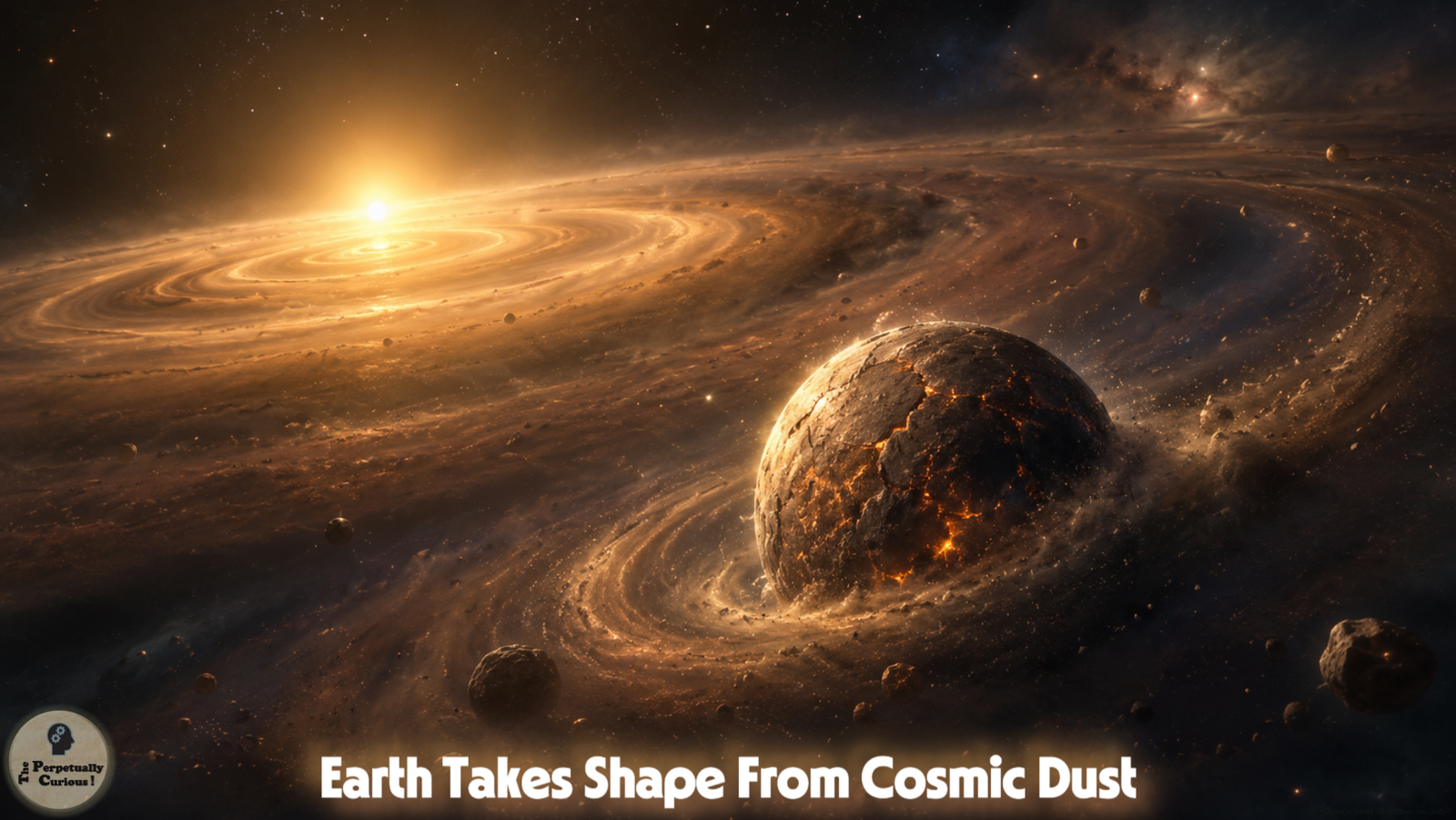
🌍 How Earth Formed: The Slow Assembly of a Young Rocky World
From section: A Planet Built Through ContinuityThe finished Earth was never waiting inside a single grain of cosmic dust.
- The Perpetually Curious! › Archives › Cosmic ExplorationArticle
🌌 Constellations: How Star Patterns Help Us Find Our Way
From section: The quiet usefulness of an imperfect patternThey are temporary enough to belong to cosmic motion, yet stable enough to guide memory across generations.
- The Perpetually Curious! › CanonicalReflection
Starlight as Memory
… This is not metaphor but physics. Light travels at approximately 186,000 miles per second (300,000 kilometers per second), fast enough to circle Earth seven times in a heartbeat, yet space is so vast that even this tremendous speed becomes a crawl across cosmic distances. …
- The Perpetually Curious! › CanonicalReflection
Empty Rooms and Ancient Light
… Even in the best vacuums scientists can create, quantum fields still fluctuate, and perfect nothingness remains more concept than condition. The space between stars, once imagined as blank, carries cosmic rays, magnetic fields, and thin traces of matter drifting across immense distances. …
- The Perpetually Curious! › CanonicalReflection
Starborn Memory Within
… These atoms you have borrowed will continue their journey, perhaps becoming part of new life, new stars, new possibilities. You are not a permanent structure but a temporary pattern in the cosmic flow, a form that arose, developed consciousness, and will eventually release its components back to the larger dance.
- The Perpetually Curious! › Archives › Cosmic ExplorationArticle
🌌 The Silent Storm Above: Understanding Our Orbital Debris Challenge
The night sky appears serene and infinite, yet beyond our atmosphere swirls an invisible tempest of our own making. ESA estimates about 140 million debris fragments in the 0.04 to 0.4 inch (1 mm to 1 cm) range, plus about 1.2 million objects between 0.4 and 4 inches (1 to 10…
- The Perpetually Curious! › Archives › Cosmic ExplorationArticle
When the Sky Falls: Extraordinary Precipitation Across Our Solar System 🌧️
We call it rain when water falls from Earth's clouds, but that simple word stretches and transforms across our solar system into phenomena that challenge our earthbound vocabulary. Should we call it rain when methane cascades onto Titan's hydrocarbon shores?