Explore by topic, question, or idea. Find articles, reflections, videos, puzzles, and curiosity pathways gathered across the site.
Press Enter or select Search. A newly typed query starts globally; filters are applied only through the visible rail.
145 results for “health science”
- The Perpetually Curious! › Archives › Wilderness & Homestead CreaturesArticle
🦩 Why Do Flamingos Stand on One Leg? The Science Behind Their Iconic Pose
Flamingos are instantly recognizable for their vivid pink plumage, long slender legs, and graceful presence in shallow lakes and lagoons. Among their most distinctive traits is the habit of standing on one leg, a posture that often appears serene and effortless. This behavior is…
- The Perpetually Curious! › Archives › Biology & HealthArticle
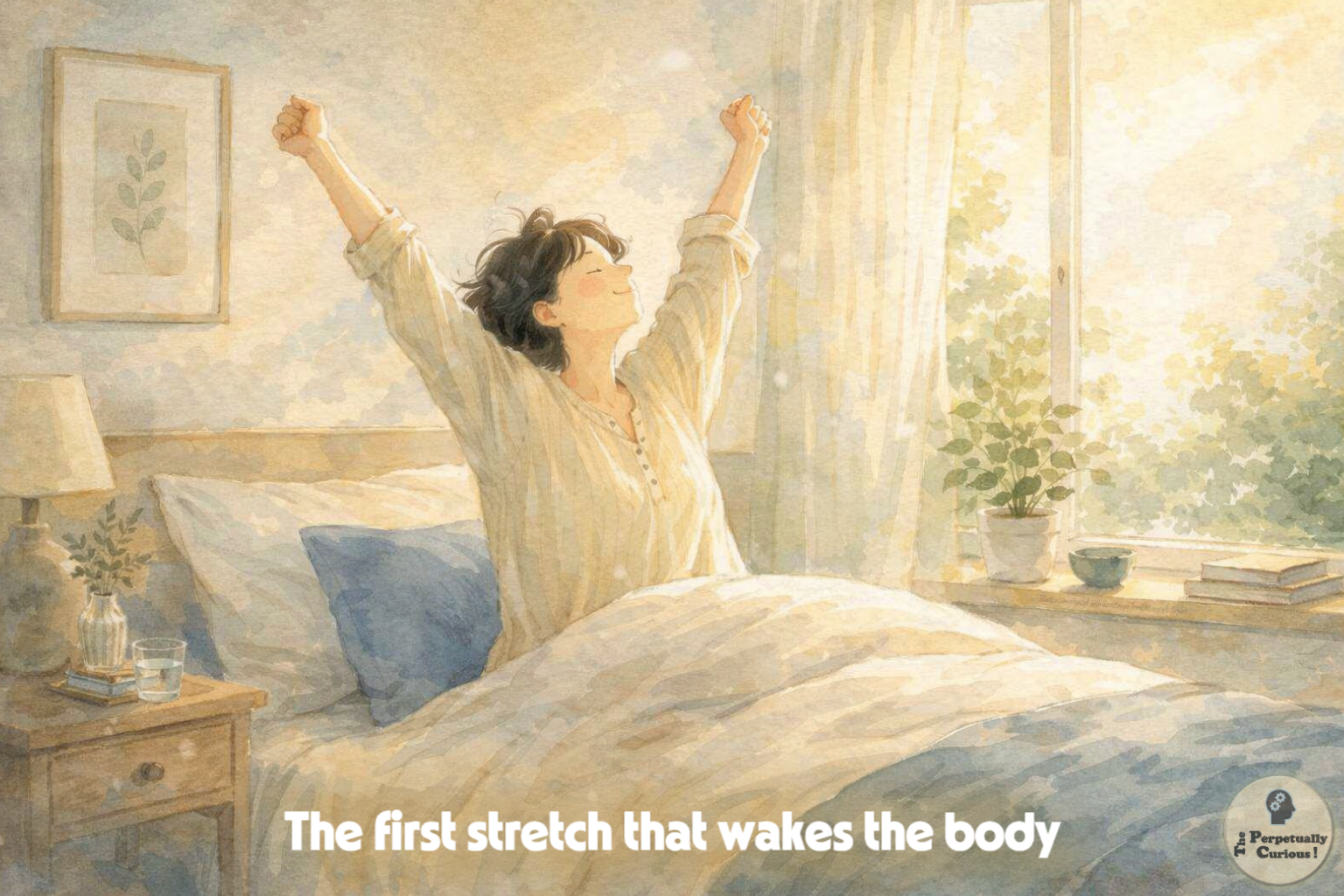
🌅 Pandiculation: How the Waking Stretch Restores Body Awareness
Before the eyes fully focus or the mind has assembled the day, the body may begin moving on its own. The arms rise, the chest opens, the back lengthens, and several muscles tighten before easing into release. This familiar sequence has a scientific name: pandiculation.
- The Perpetually Curious! › Canonical › Food & LifestyleArticle
🥛 Milk Across Cultures: A Journey Through Nature’s Dairy Diversity
From section: 🐑 Sheep milk: concentrated solids and enduring cheeses… These compounds are scientifically interesting, but their presence does not by itself establish a medical effect in people. Research into camel milk and human health remains active, and nutritional description should not be turned into a treatment claim.
- The Perpetually Curious! › Canonical › Planet EarthArticle
🌫️ Mist Over Ancient Ridges: The Great Smoky Mountains as a Living, Breathing World
From section: 🌍 A protected landscape: conservation, recognition, and ongoing challengesIn this sense, the Smokies are both a protected landscape and an evolving one. Conservation is a continuing conversation shaped by science, history, and the lived experiences of the people who care about these mountains. …
- The Perpetually Curious! › Canonical › Botanical WondersArticle
🍃 Pirandai (Cissus quadrangularis): Tradition, Botany, and Quiet Scientific Curiosity
From section: 📜 Traditional knowledge and cultural memoryIn traditional medical systems, Pirandai has been associated with bone health, fracture care, and joint support. Ayurvedic texts describe preparations made from the stem, sometimes combined with other ingredients, for contexts related to musculoskeletal well-being. …
- The Perpetually Curious! › Canonical › Planet EarthArticle
🌧️ When Earth Begins to Breathe: Why Rain Smells the Way It Does
From section: 🧫 Geosmin and the work of soil microbesOne of the most distinctive contributors to the smell of rain is geosmin, a compound produced by soil‑dwelling microorganisms such as Streptomyces and other Actinobacteria. These microbes play essential roles in decomposing organic matter and maintaining soil health.
- The Perpetually Curious! › Archives › PhysicsArticle
✨ Clean Chemistry: The Curious Physics Behind Soap Bubbles
From section: 🚿 A Familiar Ritual, A Hidden Science🚿 A Familiar Ritual, A Hidden Science You pump soap into your hands, add water, and rub.
- The Perpetually Curious! › CanonicalGateway
🌌 Cosmic Exploration | ▶️ Videos
From section: 🌌 Planetary Names Explained: From Ancient Gods to Modern ScienceThe names of planets carry astronomy into history, mythology, language, and the evolving traditions used to describe the sky.
- The Perpetually Curious! › CanonicalGateway
🎦 Video Atlas
From section: 🧬 Biology & HealthCells, microbes, body systems, sensation, movement, development, and the biology of everyday experience.
- The Perpetually Curious! › Canonical › Botanical WondersArticle
🍁 When Leaves Let Go: Why Autumn Colors Turn Red, Gold, and Brown
One branch glows red while the tree beside it turns gold. Farther down the path, leaves have settled into russet brown. The same season has reached them all, yet each tree answers in its own colors.