Explore by topic, question, or idea. Find articles, reflections, videos, puzzles, and curiosity pathways gathered across the site.
Press Enter or select Search. A newly typed query starts globally; filters are applied only through the visible rail.
19 results for “how seeds become cooking oil”
- The Perpetually Curious! › Canonical › Cosmic ExplorationArticle
🌙 Quiet Worlds, Vast Stories: Some Lesser-Known Moons of Our Solar System
From section: 🌊 Enceladus: The small moon that breathes iceEnceladus, another moon of Saturn, is slightly larger than Mimas, with a diameter of about 313 miles (504 kilometers). Despite its modest size, it has become one of the most scientifically important moons in the solar system. …
- The Perpetually Curious! › Canonical › Cosmic ExplorationArticle
🌌 Borrowing the Orbits of Giants: How Gravity Assists Carry Spacecraft into the Deep
From section: 🧭 How Mission Planners Shape a Slingshot… A gravity assist that arrives too early or too late may miss the desired alignment and produce a less useful change in trajectory. These principles become clearer when seen in the missions that first demonstrated their power.
- The Perpetually Curious! › Canonical › Cosmic ExplorationArticle
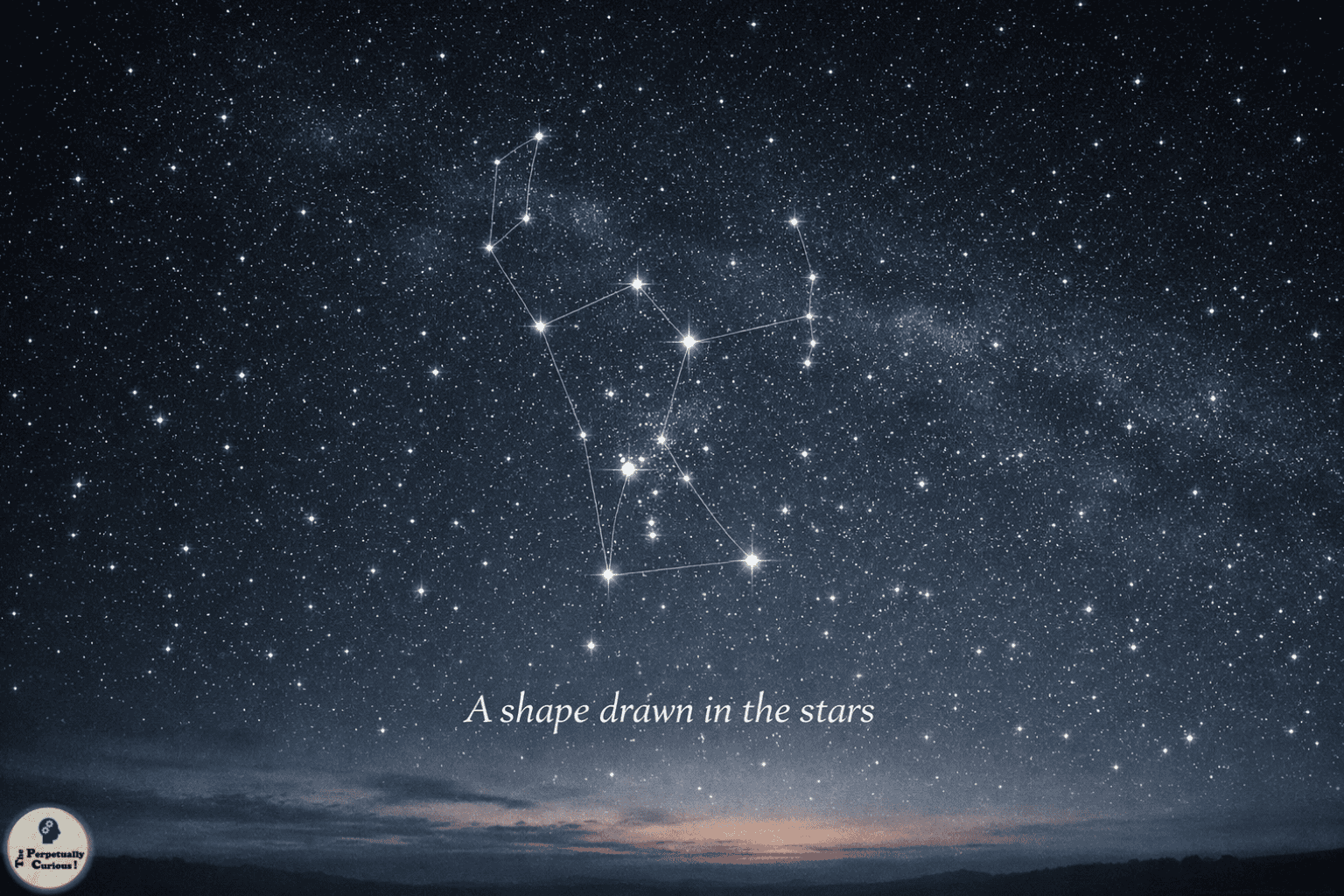
✨ Constellations: Quiet Patterns, Shared Skies, and the Stories We Trace Together
From section: 🧭 Constellations as tools for orientationThis functional role forms a natural transition to the next idea. Once patterns become part of daily life, they begin to accumulate stories, symbols, and cultural significance.
- The Perpetually Curious! › Canonical › Cosmic ExplorationArticle
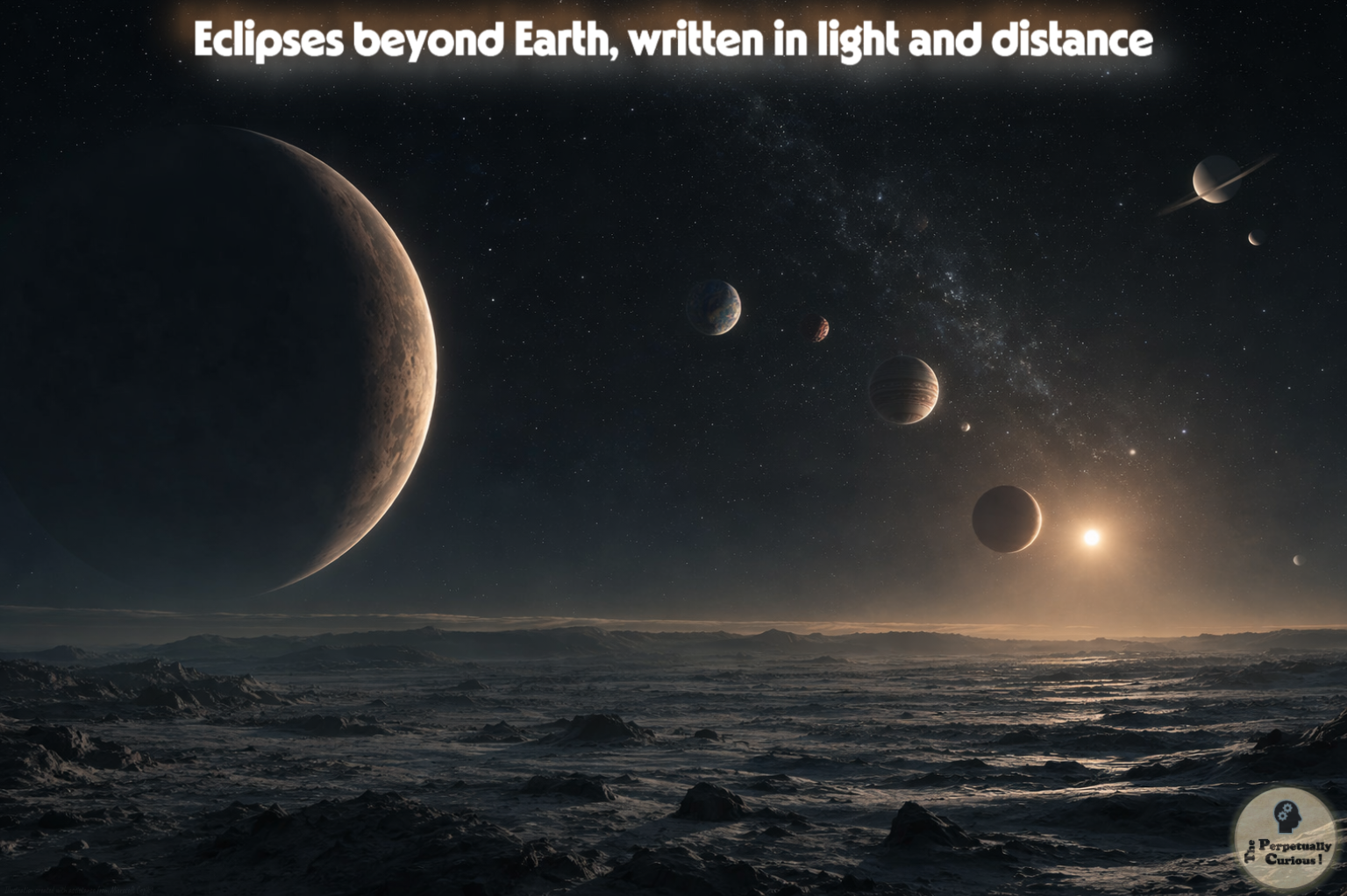
🌑 Shadows Across the Solar System: How Eclipses Unfold Beyond Earth
There is a moment on Earth when daylight softens, shadows stretch across familiar ground, and the Sun’s brilliance dims as if the world is holding its breath. Although this article is not about Earth’s eclipses, that moment offers a useful anchor.
- The Perpetually Curious! › Archives › Cosmic ExplorationArticle
Where the Solar System Whispers Its Secrets: A Journey to the Kuiper Belt 🌌
Beyond Neptune's azure gaze lies a realm where sunlight becomes memory and ice sculptures orbit in eternal twilight. The Kuiper Belt, stretching from approximately 2.8 billion to 4.6 billion miles (4.5 to 7.4 billion kilometers) from our Sun, harbors more than distant worlds of…
- The Perpetually Curious! › Archives › Cosmic ExplorationArticle
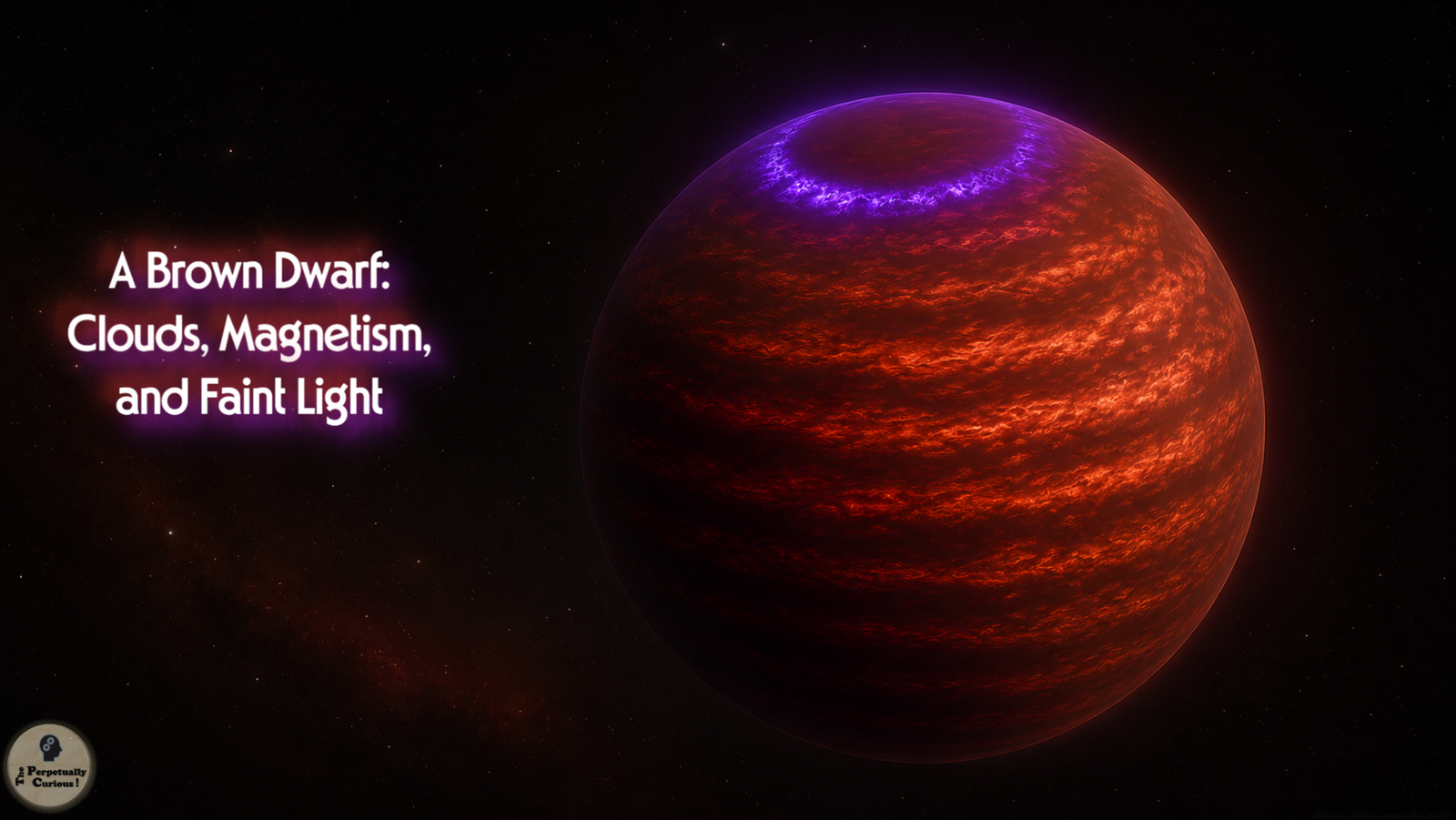
🌟 Brown Dwarfs: Why Stellar Ignition Never Takes Hold
Astronomers often use about 13 times Jupiter’s mass as a practical lower boundary because deuterium burning can become possible near that scale, although models place the threshold from roughly 11 to 16 Jupiter masses.
- The Perpetually Curious! › Archives › Cosmic ExplorationArticle
🌌 When Worlds Shine: Why Some Planets Outglow Others in Our Night Sky
When these ideas come together, the familiar points of light become characters in a quiet celestial drama.Read more »
- The Perpetually Curious! › Archives › Cosmic ExplorationArticle
🌌 Constellations: How Star Patterns Help Us Find Our Way
From section: When scattered stars become a mapWhen scattered stars become a map A constellation is not usually a real cluster of neighboring stars.
- The Perpetually Curious! › Archives › Cosmic ExplorationArticle
🌘 Eclipses Across the Solar System: When Shadows Travel
From section: How moons turn geometry into experienceFrom some moons, Jupiter itself would become the eclipsing body, filling the sky and blocking sunlight for far longer than a small moon could.