Explore by topic, question, or idea. Find articles, reflections, videos, puzzles, and curiosity pathways gathered across the site.
Press Enter or select Search. A newly typed query starts globally; filters are applied only through the visible rail.
23 results for “how seeds become cooking oil”
- The Perpetually Curious! › Canonical › Planet EarthArticle
🏔️ Mount Kailash: A Summit Where Water, Story, and Sky Converge
From section: 🌱 A fragile high altitude environmentPilgrimage seasons concentrate human activity into specific months, increasing pressure on trails, campsites, and water sources. Waste management and erosion control become important considerations, especially in areas where soil is thin and easily disturbed.
- The Perpetually Curious! › Canonical › Planet EarthArticle
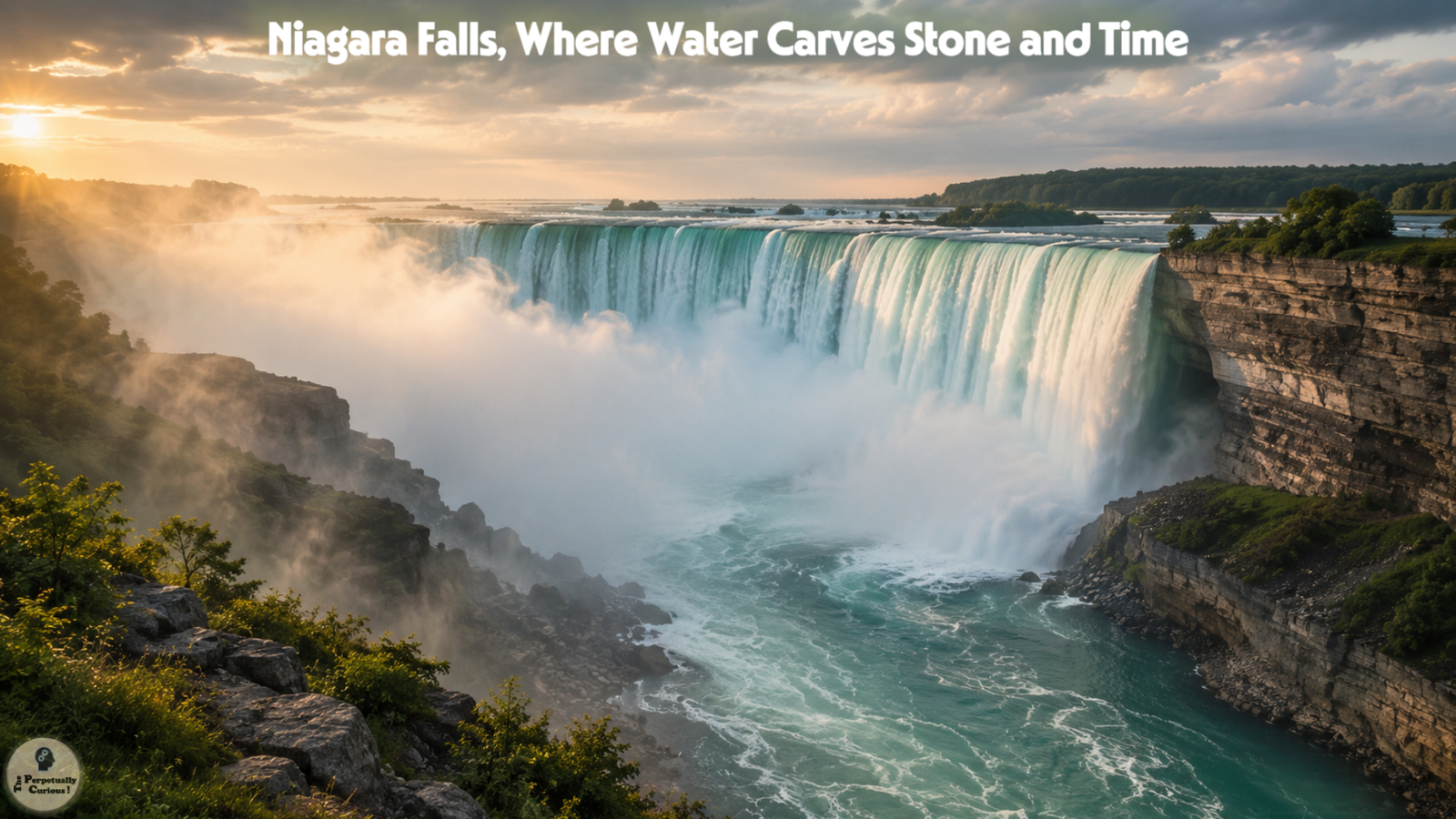
🌊 Niagara Falls, Where Thundering Waters Shape Time
From section: 🏛️ From spectacle to shared landscape: Tourism, engineering, and hydropowerBy the nineteenth century, Niagara Falls had become a destination for travelers who came to witness its scale and beauty. Artists, writers, and photographers sought to capture its form, while pathways, viewing areas, and nearby accommodations developed to support growing interest.
- The Perpetually Curious! › Canonical › Planet EarthArticle
🌍🌑 Where Two Soils Part Ways: Earth, Moon, and the Stories Written in Dust
From section: 🚀 Looking Ahead: Scientific Futures Written in Soil and DustAs space agencies and research institutions advance plans for sustained lunar presence and surface science, lunar regolith has become a focus of scientific study. …
- The Perpetually Curious! › Canonical › Planet EarthArticle
🌊 Where the Waves Leave Their Footprints: Why Beaches Carry Sand
From section: ⛰️ The Birth of SandOn many beaches, sand does not come only from the rocks directly beside the sea. Instead, it often begins far inland. Rivers carry weathered fragments from mountains and hills, transporting them over long distances. Along the way, grains collide, tumble, and gradually become smaller and smoother.
- The Perpetually Curious! › Canonical › Planet EarthArticle
🌐 How SONAR Uses Sound to Map the Hidden Ocean Depths
From section: 📡 From echo to informationAs these interpretations accumulate, they form the basis for mapping underwater landscapes, tracking objects, and studying marine life, allowing individual echoes and ambient sounds to become part of a larger picture of the ocean.
- The Perpetually Curious! › Canonical › Planet EarthArticle
🌍 Why Mud Is Brown or Black: Where Earth Turns to Quiet Ink
From section: 🌑 When oxygen disappears, mud turns blackAt the same time, organic matter in these low‑oxygen settings tends to decompose more slowly. Instead of being fully broken down, it can accumulate and become very dark. The combination of partially decomposed organic material and black iron sulfides can produce mud that appears almost ink‑like.
- The Perpetually Curious! › Archives › Planet EarthArticle
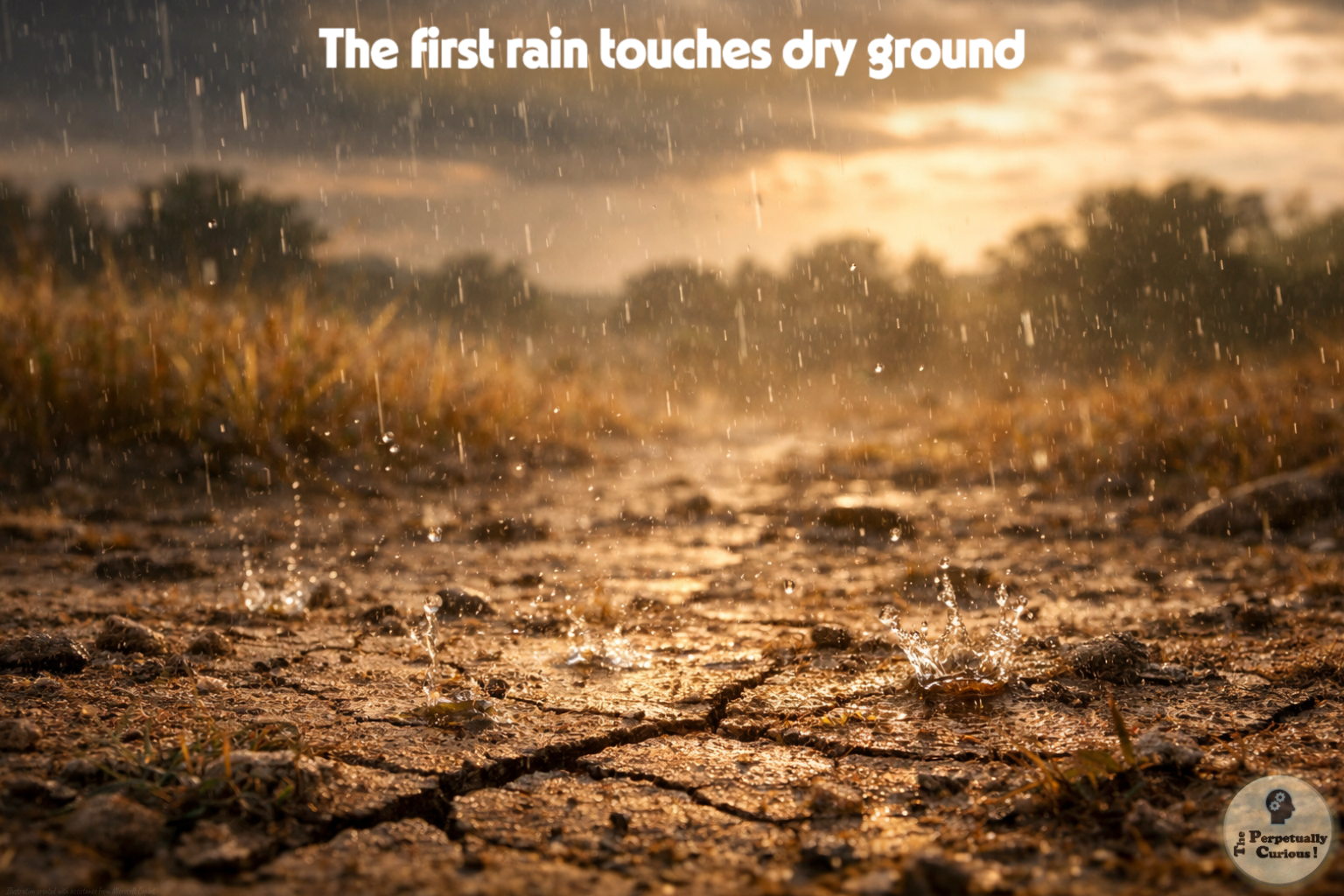
🌧️ Petrichor: How First Rain Lifts Earth’s Hidden Scent
From section: When raindrops become tiny scent liftersWhen raindrops become tiny scent lifters A raindrop hitting dry, porous ground is a small impact event.
- The Perpetually Curious! › Archives › Planet EarthArticle
🌊 Niagara Falls Facts: How Water Turns Stone Into Time
When Niagara Falls first appears through its mist, it can feel like a single spectacular drop. But the falls are better understood as a place where a much larger water system briefly becomes visible. The water is not arriving from nowhere.
- The Perpetually Curious! › Archives › Planet EarthArticle
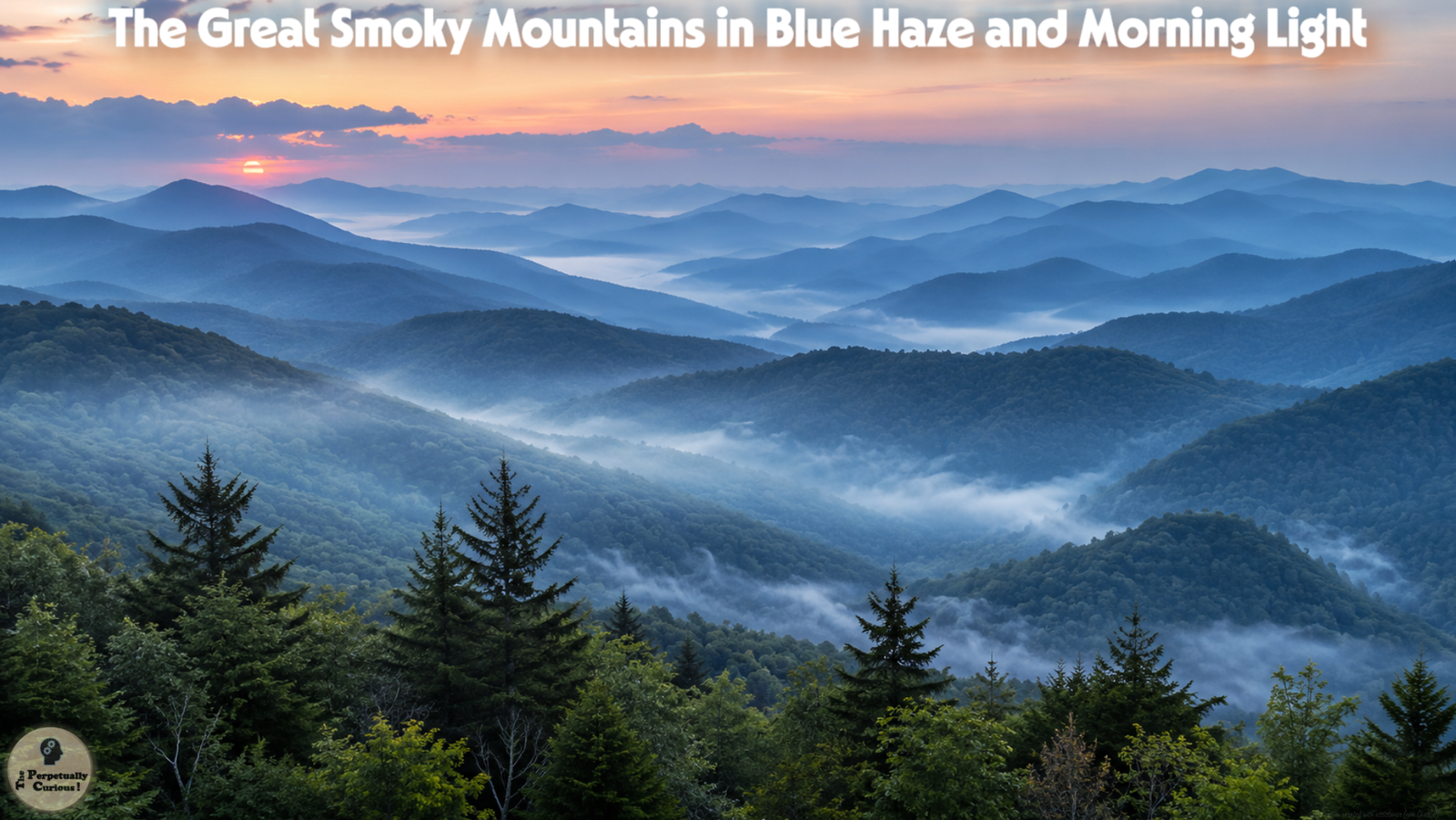
🌫️ Why the Great Smoky Mountains Fade into Blue Haze
From section: The forest helps make the hazeAbove broad forested slopes, these particles become part of the atmosphere through which distant ridges are seen.
- The Perpetually Curious! › Archives › Planet EarthArticle
🌊 Underwater Sound: How Echoes Measure Distance
From section: Why sound carries the first clueThis is why underwater sound can become a kind of measuring language rather than only a sensation.