Explore by topic, question, or idea. Find articles, reflections, videos, puzzles, and curiosity pathways gathered across the site.
Press Enter or select Search. A newly typed query starts globally; filters are applied only through the visible rail.
25 results for “the quiet science of mirrors”
- The Perpetually Curious! › Archives › Planet EarthArticle
The Science of Snow Whiteness: A Journey Through Light and Ice ❄️
Introduction ❄️ Fresh snow transforms familiar landscapes into brilliant white canvases, whether from gentle flurries or powerful nor'easters, yet individual ice crystals begin as clear structures.
- The Perpetually Curious! › Archives › Planet EarthArticle
🌊 Harbor Wave, Ocean Pulse: The Science of Tsunamis from Seafloor to Shore
Some ocean hazards announce themselves with wind, foam, and a rising sky. A tsunami often does not. Far from shore, it may pass as a long, subtle lift, more like a slow breath than a breaking wave. Even the word “wave” can mislead, because a tsunami is not simply the surface…
- The Perpetually Curious! › Canonical › Planet EarthArticle
🌑 How Coal Is Formed: The Slow Birth of Black Stone Across Deep Time
Coal may appear simple at first glance, a dark stone lifted from the ground or burned for heat. Yet each piece carries a quiet memory of landscapes that no longer exist.
- The Perpetually Curious! › Canonical › Planet EarthArticle
🌊 Where the Waves Leave Their Footprints: Why Beaches Carry Sand
An exploration of coastal sands and the quiet forces that shape them The shoreline often feels like a place where time slows and the world opens. Waves arrive in steady succession, each one shaping the edge of the land as if writing and rewriting a story that has no final draft.
- The Perpetually Curious! › Archives › Planet EarthArticle
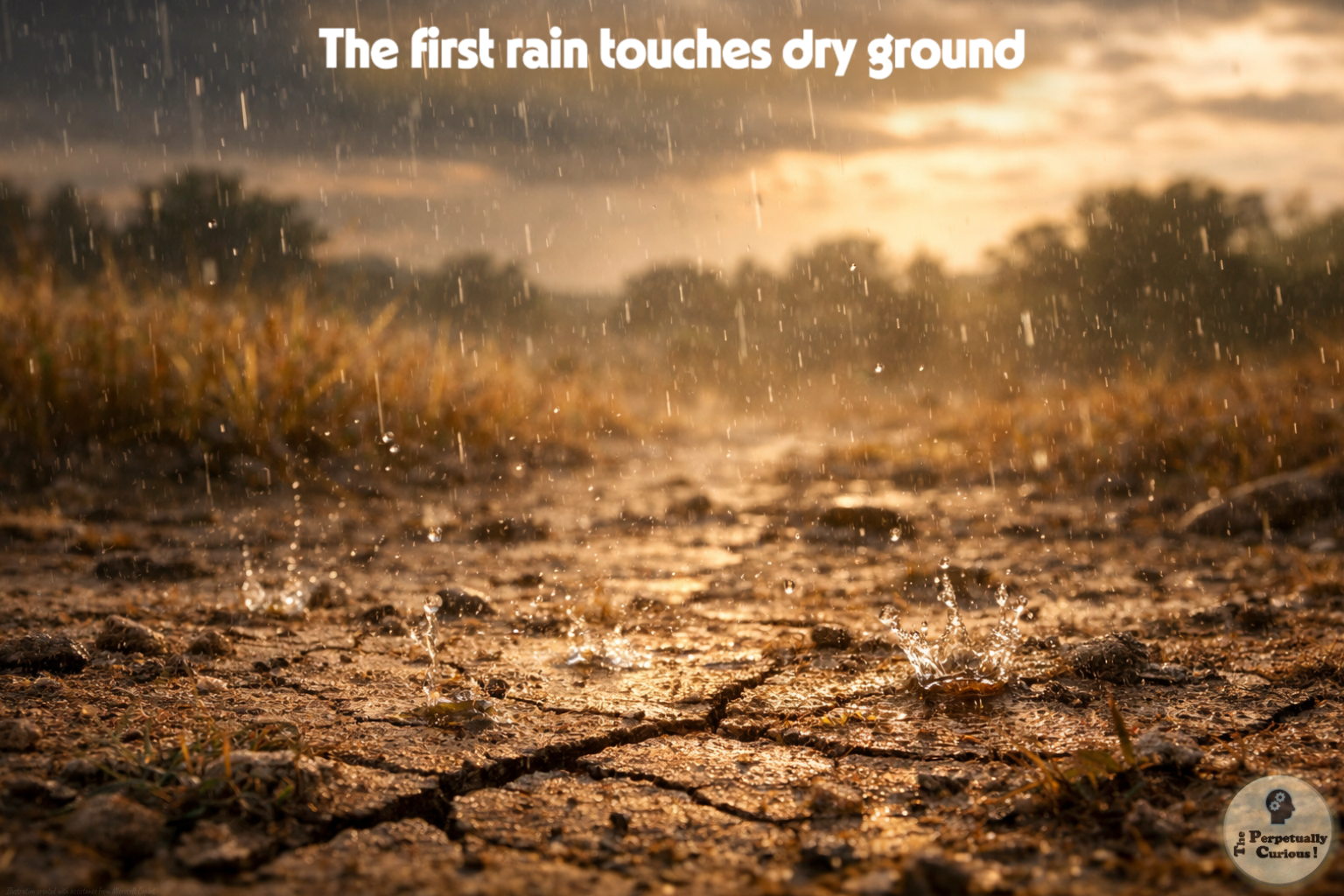
🌧️ Petrichor: How First Rain Lifts Earth’s Hidden Scent
The smell of rain often arrives before we think about its science. A dry path darkens, a garden bed drinks in the first drops, and a scent rises that seems older than the moment itself. It can feel as if rain has a fragrance of its own, but the water is only part of the story.
- The Perpetually Curious! › Canonical › Planet EarthArticle
🌌 Sky in Slow Layers: Understanding Earth’s Atmospheric Structure
A quiet stillness rises through the layers, where drifting atoms meet the long reach of sunlight. The sky becomes a slow and patient frontier, shaped by warmth, motion and invisible tides. Above it all, Earth keeps its gentle hold, carrying every breath into the open dark.
- The Perpetually Curious! › Canonical › Planet EarthArticle
🌏 When the Pacific Breathes Warm: El Niño and the Changing Rhythms of Rain
A distant ocean shifts, and the world listens as its breath travels outward. Patterns of wind and water turn with quiet persistence, touching faraway seasons. In that slow rearrangement, the planet reveals how deeply its rhythms are shared.
- The Perpetually Curious! › Canonical › Planet EarthArticle
🌊 Where the Salt Stays: Why the Ocean Is Salty but Rivers and Most Lakes Are Fresh
… Yet the ocean at the end of that journey is unmistakably salty. This creates a quiet puzzle: if rivers carry water into the sea, why do they not become salty too, and why do so many lakes remain fresh?
- The Perpetually Curious! › Canonical › Planet EarthArticle
🌐 How SONAR Uses Sound to Map the Hidden Ocean Depths
Beneath the surface, sound becomes a traveler, carrying stories through shifting layers of depth and distance. In its echoes, the ocean reveals shapes, histories, and quiet truths that light can never reach.
- The Perpetually Curious! › Archives › Planet EarthArticle
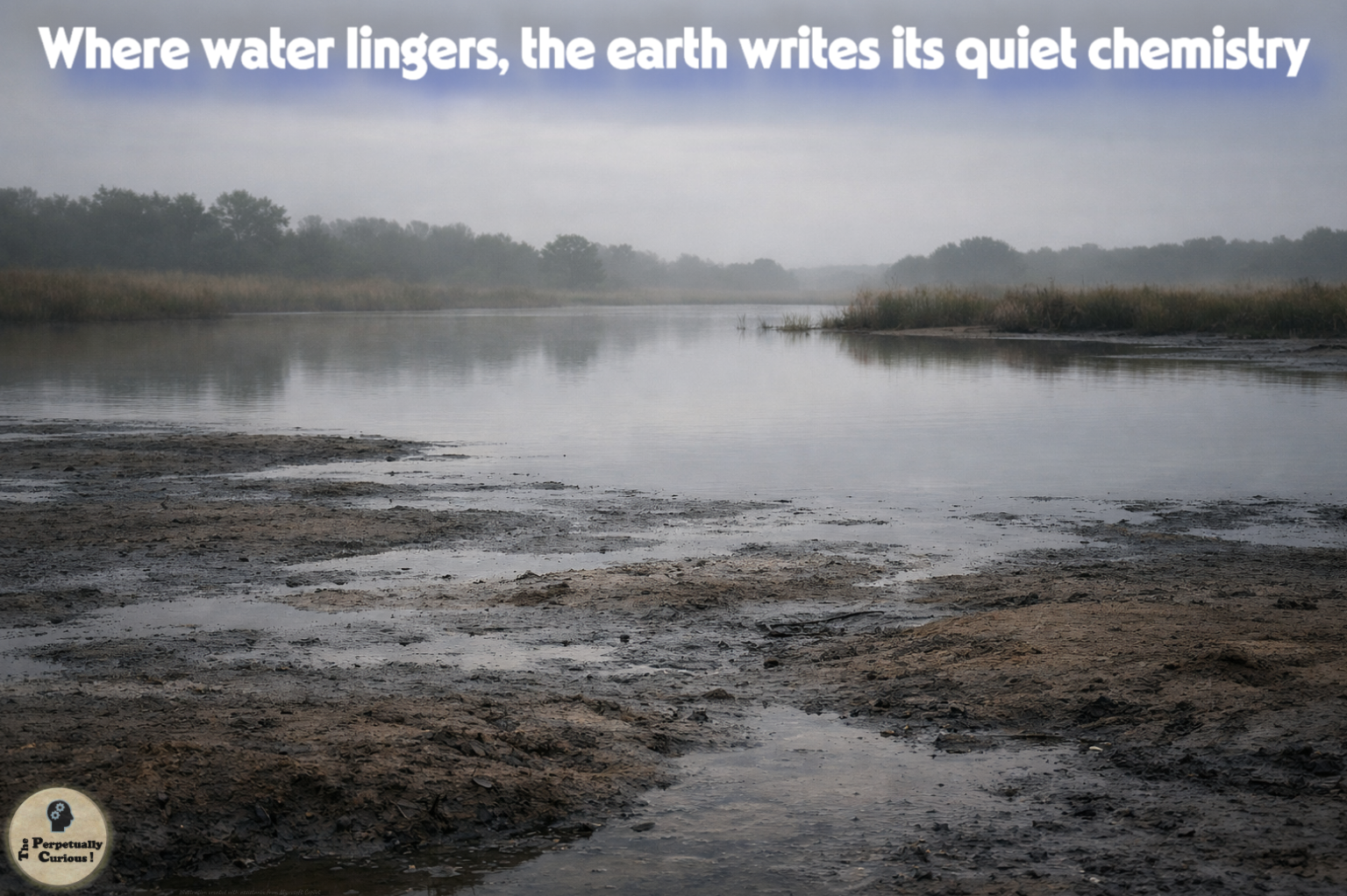
🌍 Why Mud Is Brown or Black: What Wet Soil Reveals
From section: Why the darker ground is not just darkerThe complete version on the main site follows the broader chain through deeper mechanisms, supporting visuals, Did You Know notes, FAQ, and related Earth science links. …