Explore by topic, question, or idea. Find articles, reflections, videos, puzzles, and curiosity pathways gathered across the site.
Press Enter or select Search. A newly typed query starts globally; filters are applied only through the visible rail.
24 results for “the science behind nature geometry”
- The Perpetually Curious! › Archives › Planet EarthArticle
🌊 Harbor Wave, Ocean Pulse: The Science of Tsunamis from Seafloor to Shore
Some ocean hazards announce themselves with wind, foam, and a rising sky. A tsunami often does not. Far from shore, it may pass as a long, subtle lift, more like a slow breath than a breaking wave. Even the word “wave” can mislead, because a tsunami is not simply the surface…
- The Perpetually Curious! › Canonical › Planet EarthArticle
🌊 Where the Salt Stays: Why the Ocean Is Salty but Rivers and Most Lakes Are Fresh
From section: Frequently Asked Questions+Does salt evaporate with ocean water? Most dissolved salts do not enter water vapor during ordinary evaporation. Water molecules escape from the surface, leaving the ions behind. Salt can still reach the atmosphere through breaking waves and sea spray, which produce tiny salt-containing droplets and particles.
- The Perpetually Curious! › Canonical › Planet EarthArticle
🌧️ When Clouds Let Go: Why It Rains and How Raindrops Are Born
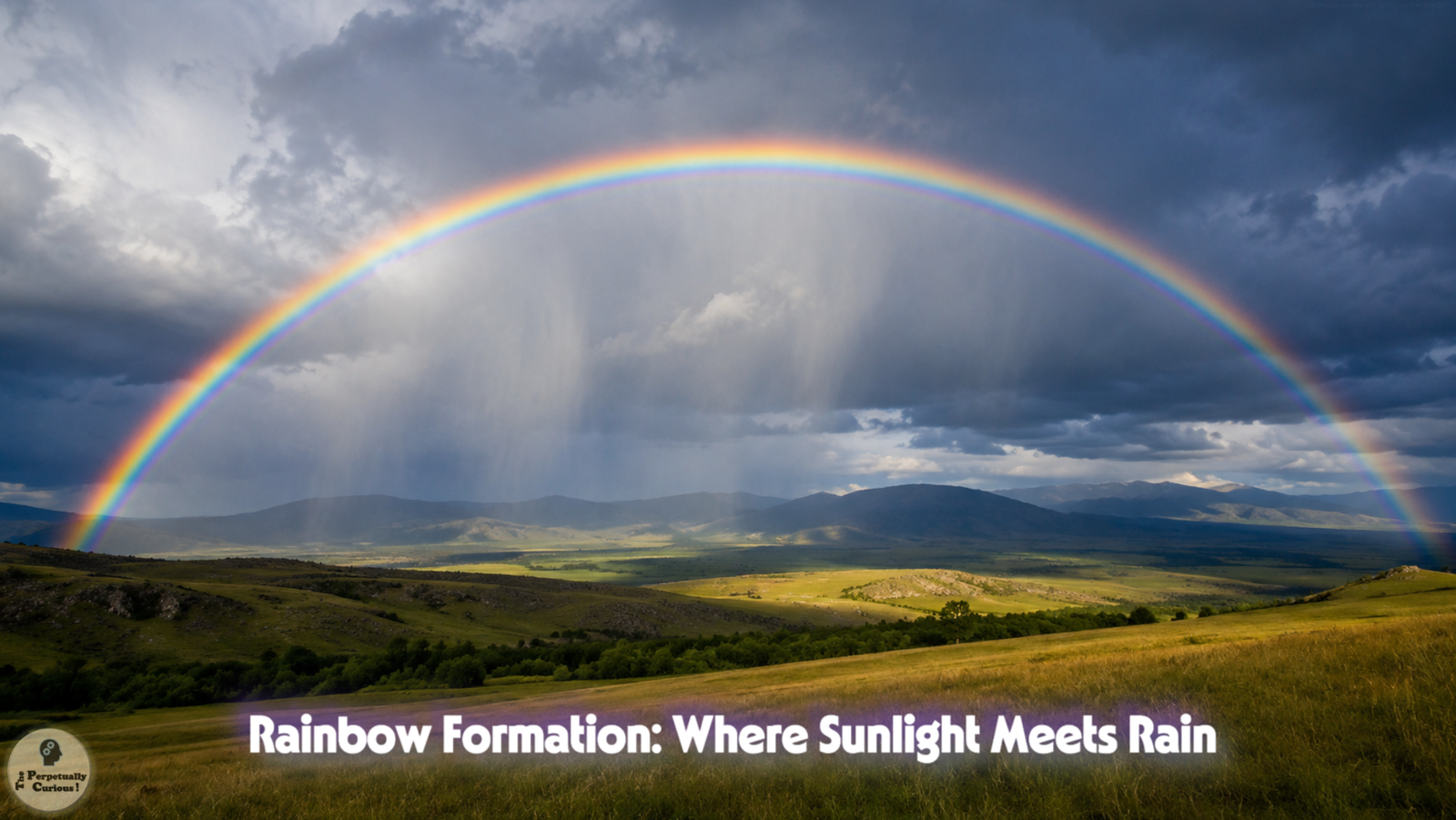
From section: 💡 Did You Know?… Because the geometry depends on the positions of the Sun, the droplets, and the observer, each person effectively sees a slightly different rainbow.
- The Perpetually Curious! › Canonical › Planet EarthArticle
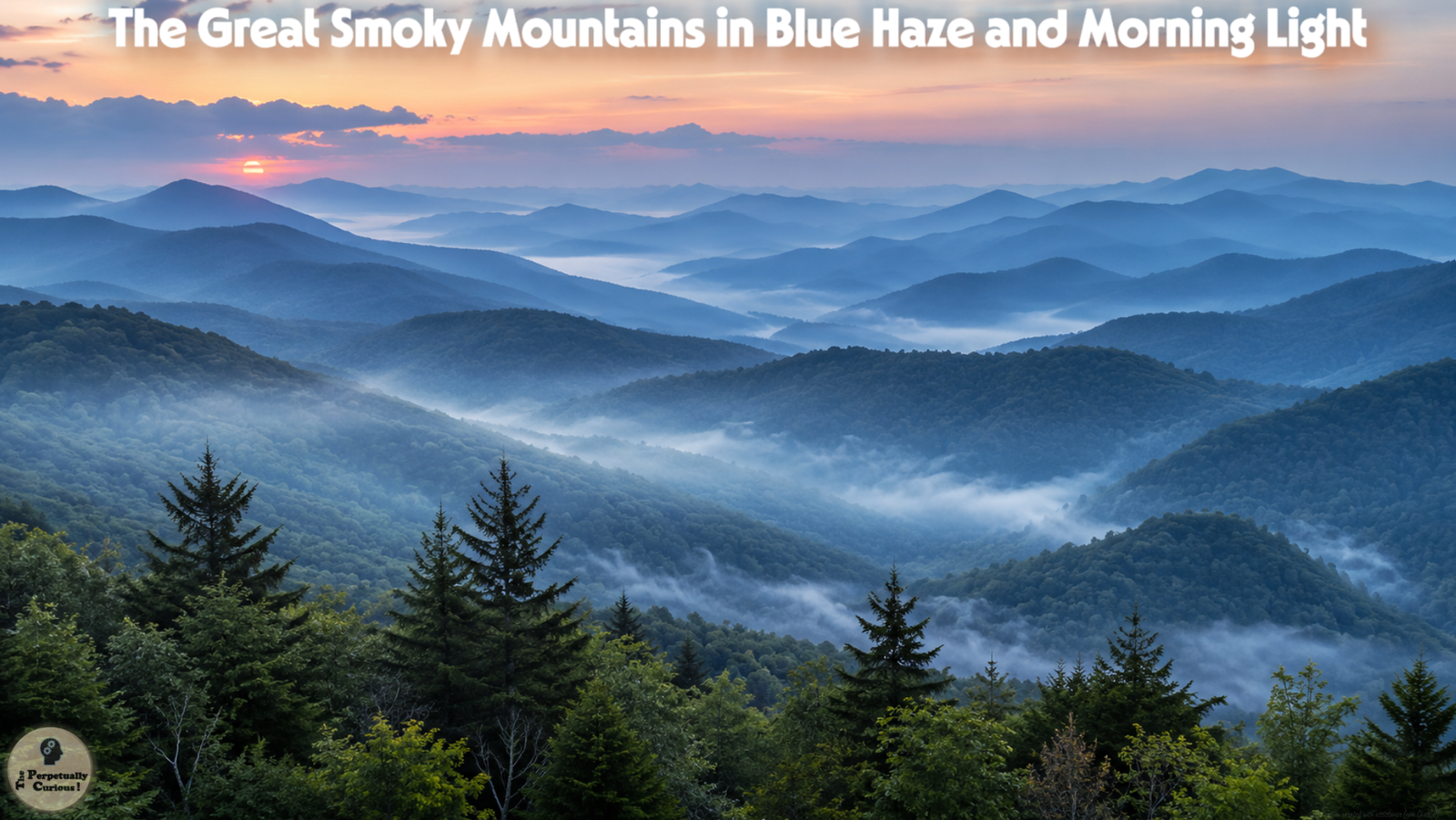
🌫️ Mist Over Ancient Ridges: The Great Smoky Mountains as a Living, Breathing World
From section: 🌍 A protected landscape: conservation, recognition, and ongoing challengesIn this sense, the Smokies are both a protected landscape and an evolving one. Conservation is a continuing conversation shaped by science, history, and the lived experiences of the people who care about these mountains. …
- The Perpetually Curious! › Canonical › Planet EarthArticle
🌍🌑 Where Two Soils Part Ways: Earth, Moon, and the Stories Written in Dust
From section: 🚀 Looking Ahead: Scientific Futures Written in Soil and DustAs space agencies and research institutions advance plans for sustained lunar presence and surface science, lunar regolith has become a focus of scientific study. …
- The Perpetually Curious! › Canonical › Planet EarthArticle
🌊 Where the Waves Leave Their Footprints: Why Beaches Carry Sand
From section: Frequently Asked Questions+Why do some beaches have coarse sand? Coarse sand often forms where wave energy is high enough to remove finer grains, leaving behind heavier particles that settle more quickly.
- The Perpetually Curious! › Canonical › Planet EarthArticle
🌐 How SONAR Uses Sound to Map the Hidden Ocean Depths
From section: 📡 From echo to informationPassive SONAR works differently. Rather than sending a known signal and measuring its return, a passive system receives unknown sounds from the environment and analyzes their frequency patterns, timing, and direction of arrival to infer the nature and location of the source.
- The Perpetually Curious! › Archives › Planet EarthArticle
🌈 Rainbow Formation: Why Every Observer Sees a Different Arc
From section: The 42-degree cone behind the arcThe 42-degree cone behind the arc For the primary rainbow, red light reaches the observer from directions roughly 42 degrees away from the antisolar point.
- The Perpetually Curious! › Archives › Planet EarthArticle
🌧️ Petrichor: How First Rain Lifts Earth’s Hidden Scent
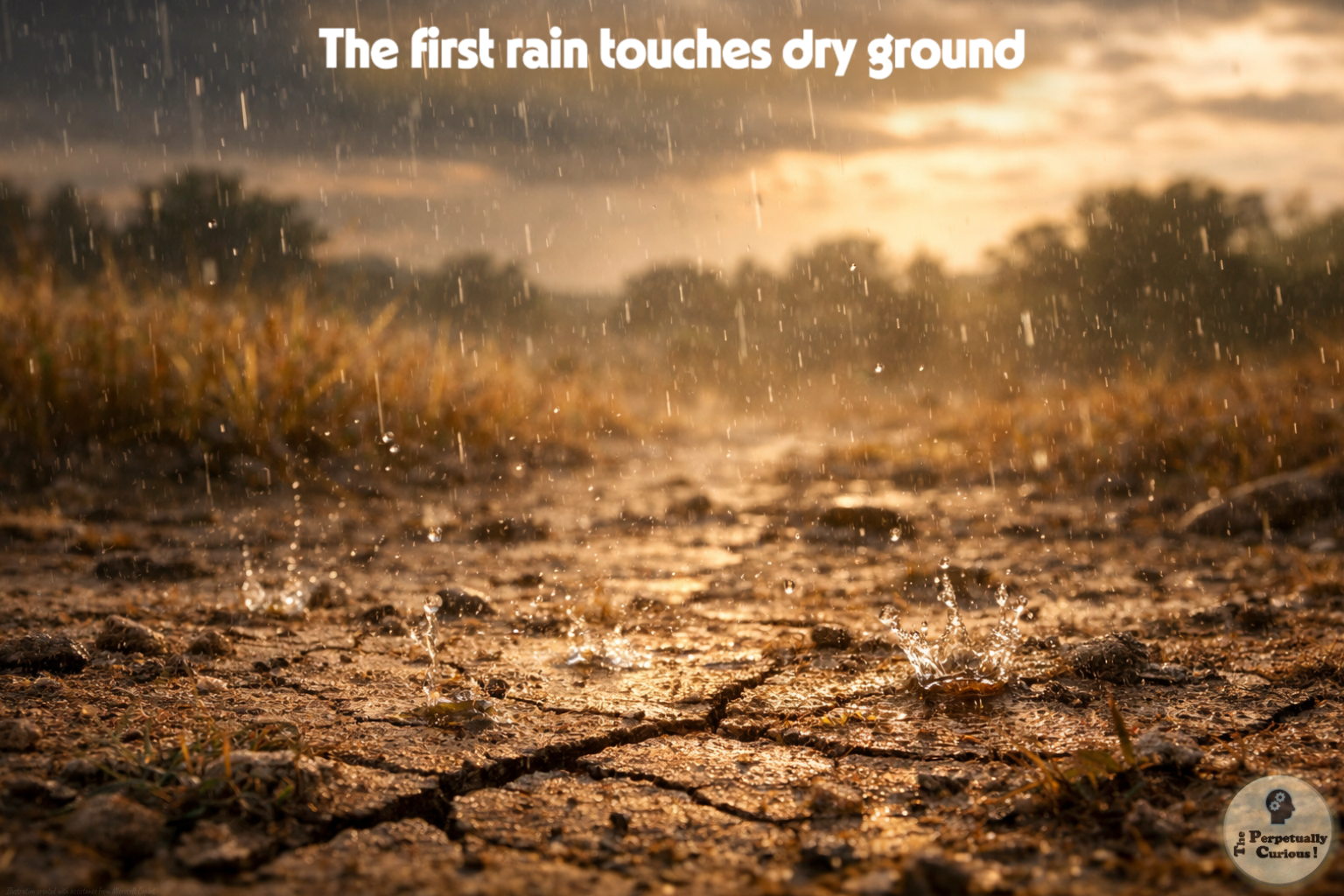
The smell of rain often arrives before we think about its science. A dry path darkens, a garden bed drinks in the first drops, and a scent rises that seems older than the moment itself. It can feel as if rain has a fragrance of its own, but the water is only part of the story.
- The Perpetually Curious! › Archives › Planet EarthArticle
🌫️ Why the Great Smoky Mountains Fade into Blue Haze
From section: Why the ridges look blueThe same family of physics appears in the way air scatters sunlight, although the viewing geometry here produces a cool veil across distant land rather than the warm filtering of a sunset.