Explore by topic, question, or idea. Find articles, reflections, videos, puzzles, and curiosity pathways gathered across the site.
Press Enter or select Search. A newly typed query starts globally; filters are applied only through the visible rail.
20 results for “days of the week names origins etymology history arts culture podcast tpc8”
- The Perpetually Curious! › Canonical › Planet EarthArticle
🌌 Sky in Slow Layers: Understanding Earth’s Atmospheric Structure
From section: Frequently Asked Questions+What do the endings “sphere” and “pause” mean in atmospheric names? “Sphere” identifies a broad atmospheric region, as in troposphere or stratosphere. “Pause” identifies a transition zone where the temperature trend changes, as in the tropopause, stratopause, and mesopause.
- The Perpetually Curious! › Canonical › Planet EarthArticle
🌊 Where the Waves Leave Their Footprints: Why Beaches Carry Sand
From section: Frequently Asked Questions+How long does it take for a beach to form? The formation of a natural beach may take years, decades, centuries, or far longer, depending on sediment supply, wave energy, sea‑level history, storms, and regional geology.
- The Perpetually Curious! › Canonical › Planet EarthArticle
🌊 How Nor’easters Form: When the Coast Becomes a Storm Engine
On a gray Atlantic morning, rain may tap against a window by the shore while snow gathers farther inland. One storm can make both scenes. Its center may travel toward the northeast even as wind reaches the coast from the northeast, the seeming contradiction written into the name nor’easter.
- The Perpetually Curious! › Canonical › Planet EarthArticle
🌏 When the Pacific Breathes Warm: El Niño and the Changing Rhythms of Rain
How can a change in the tropical Pacific alter the prospects of rain thousands of miles away? El Niño begins when unusually warm surface waters spread across the central and eastern equatorial Pacific and the ocean and atmosphere reorganize together.
- The Perpetually Curious! › Canonical › Planet EarthArticle
🌈 When Sunlight Paints the Rain: The Quiet Geometry of Rainbow Formation
Rainbows often arrive with a sense of gentle timing, appearing just as a storm begins to loosen its hold on the sky. Sunlight returns through thinning clouds, rain still hangs in the distance, and an arc of color seems to gather between them.
- The Perpetually Curious! › Archives › Planet EarthArticle
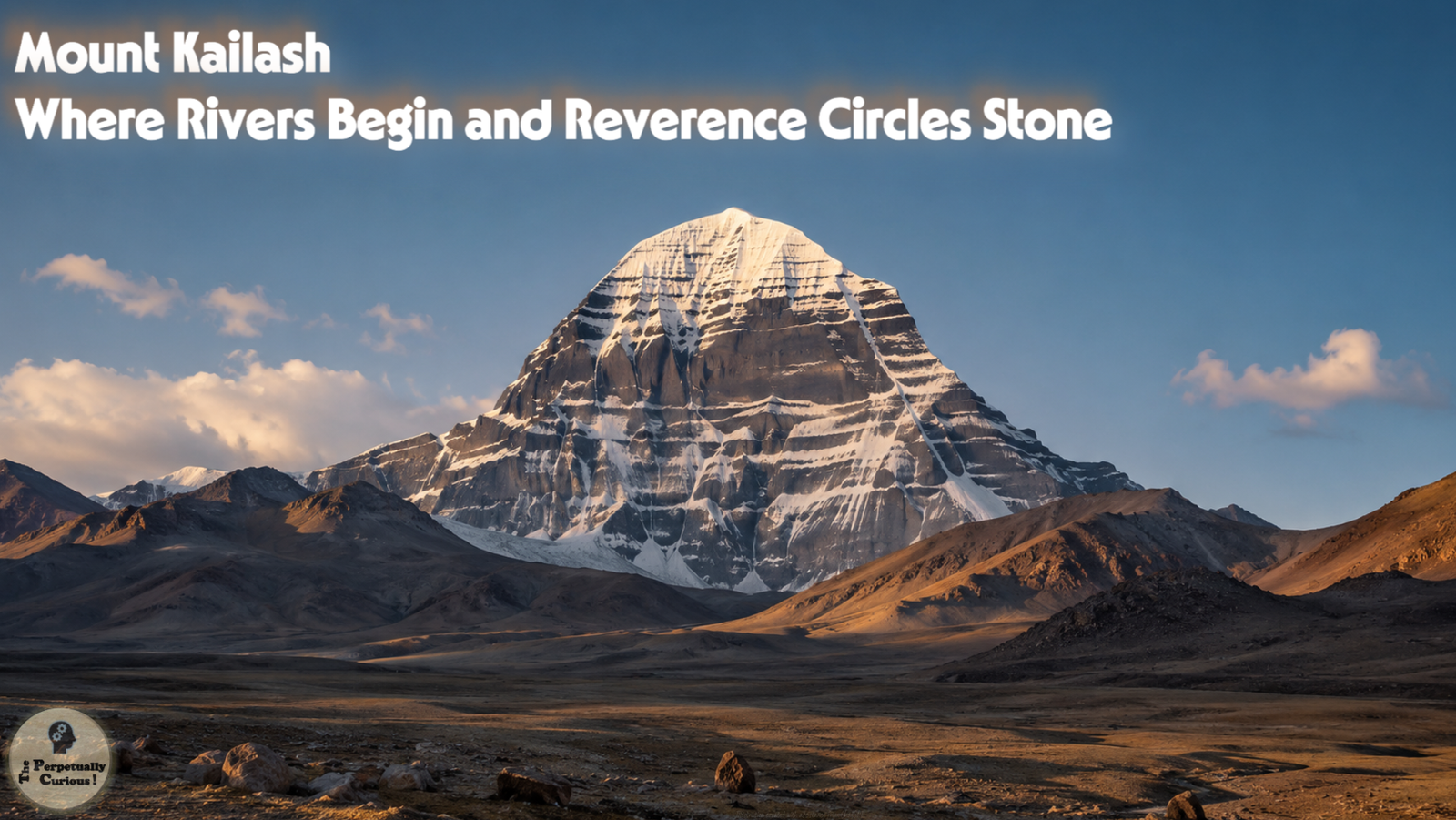
🏔️ Mount Kailash: Why a Sacred Summit Is Circled, Not Climbed
From section: Water moves outward, meaning gathers inwardThat cultural layer also connects with the broader History, Arts & Culture collection, where places are often shaped not only by terrain, but by memory, ritual, symbol, and inherited meaning.
- The Perpetually Curious! › Archives › Planet EarthArticle
❄️ Antarctica: Southernmost Continent’s Frozen Symphony of Silence and Light
Where Silence Breathes and Light Dances: Antarctica's Living Symphony At the edge of our planet lies Antarctica, Earth's southernmost frontier, sculpted by ice, silence, and light; desolate yet breathtaking, mysterious yet alive.
- The Perpetually Curious! › Archives › Planet EarthArticle
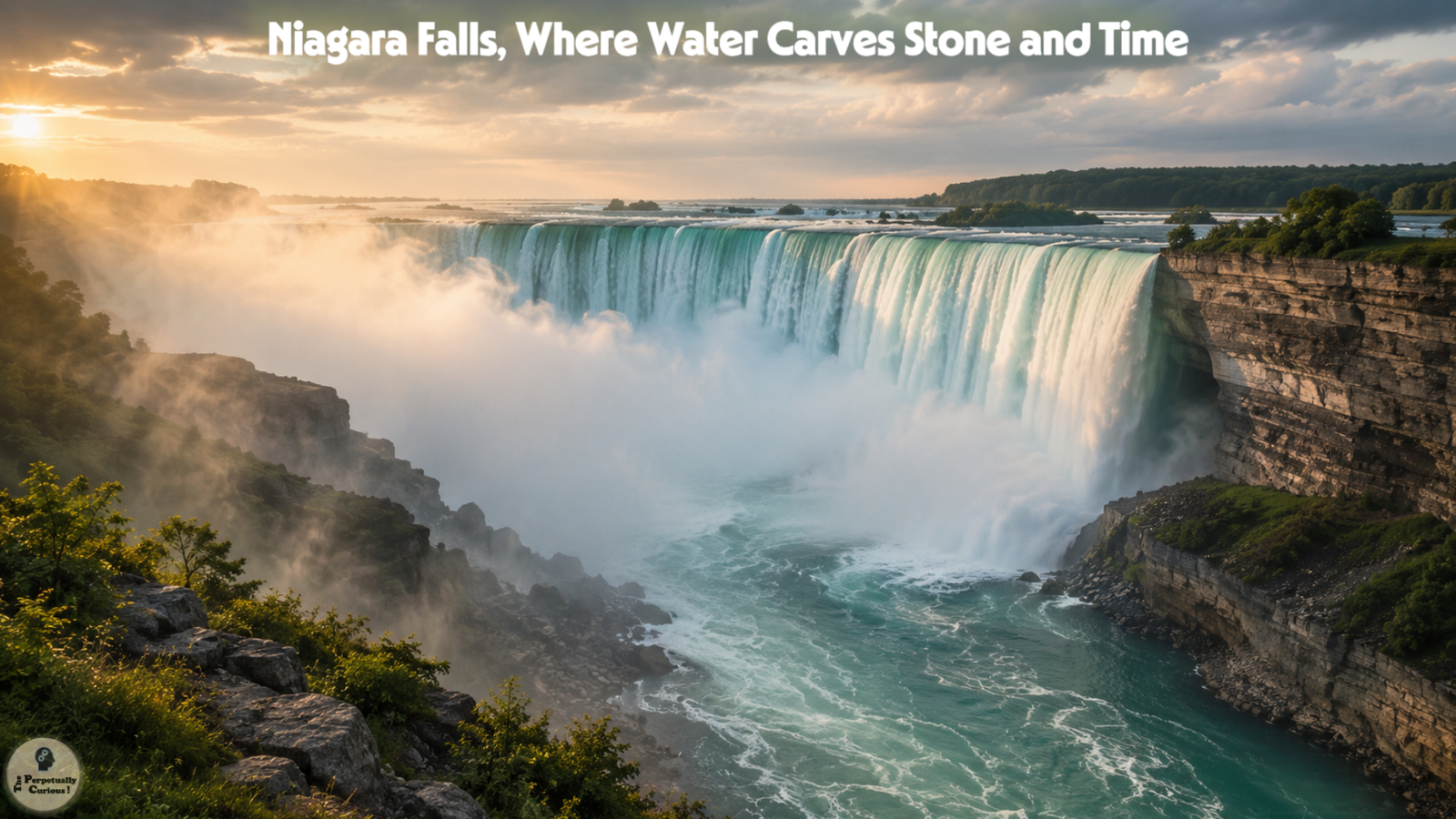
🌊 Niagara Falls Facts: How Water Turns Stone Into Time
From section: Why the falls keep movingThe wider main-site treatment keeps that broader landscape intact, following Niagara beyond this water-and-rock lens into the three waterfalls, Indigenous presence, tourism history, hydropower regulation, ecosystems, winter ice, optical mist, FAQ details, and visual companions.
- The Perpetually Curious! › Archives › Planet EarthArticle
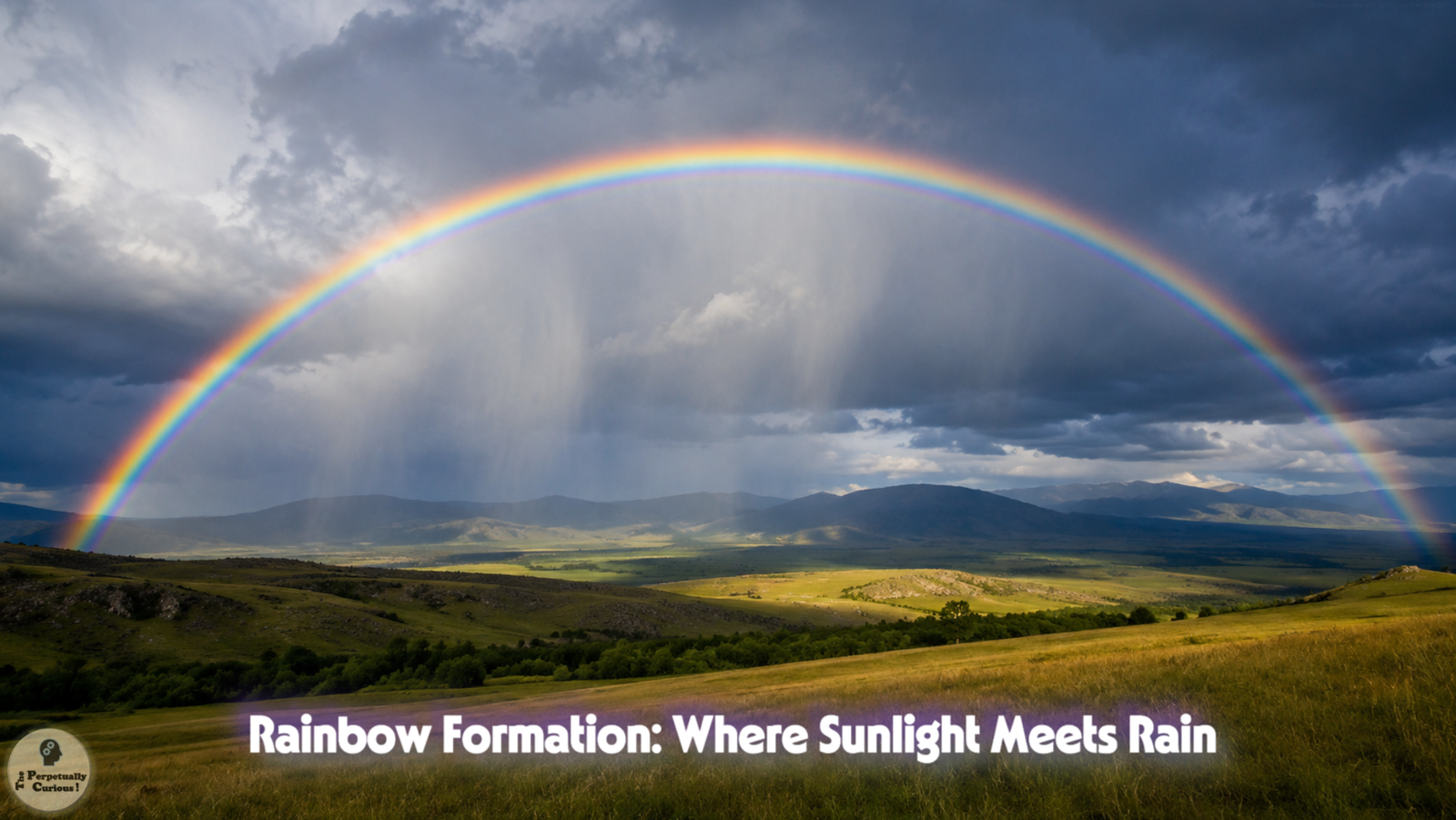
🌈 Rainbow Formation: Why Every Observer Sees a Different Arc
A rainbow can look like a colored bridge resting on a distant valley, field, or line of trees. Yet the arc is not anchored to that landscape. It is assembled for a particular observer by a particular set of illuminated water droplets.
- The Perpetually Curious! › Archives › Planet EarthArticle
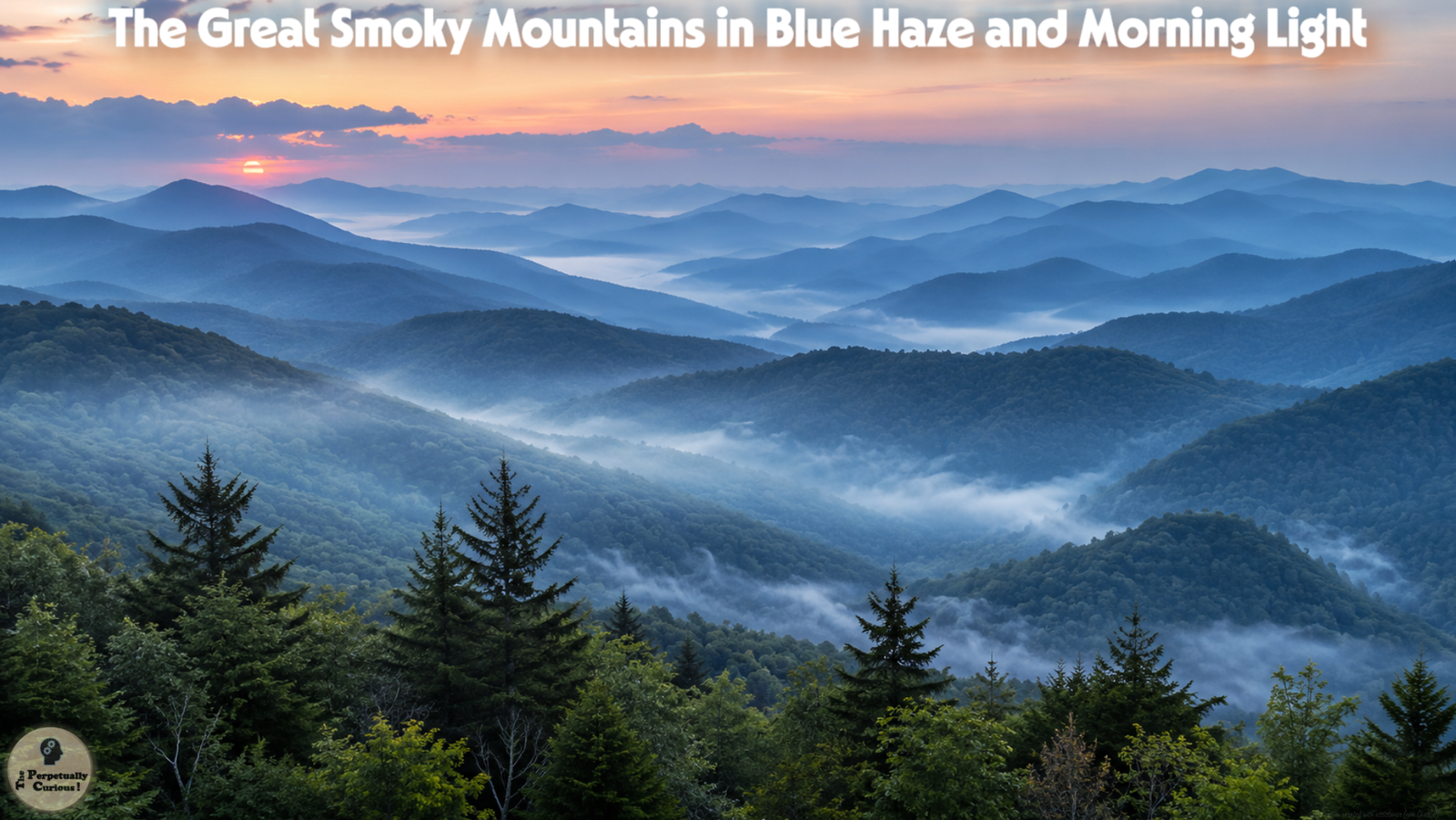
🌫️ Why the Great Smoky Mountains Fade into Blue Haze
At dawn, the Great Smoky Mountains can appear less like a wall of peaks than a sequence of blue shadows. Ridge after ridge fades into the distance, while the valleys seem to hold smoke even when no fire is burning.